We left Oristano on a beautiful sunny day and headed up the coastal road (I want to say “highway” but can’t bring myself to overuse that word) toward Alghero for the northwestern leg of our trip.
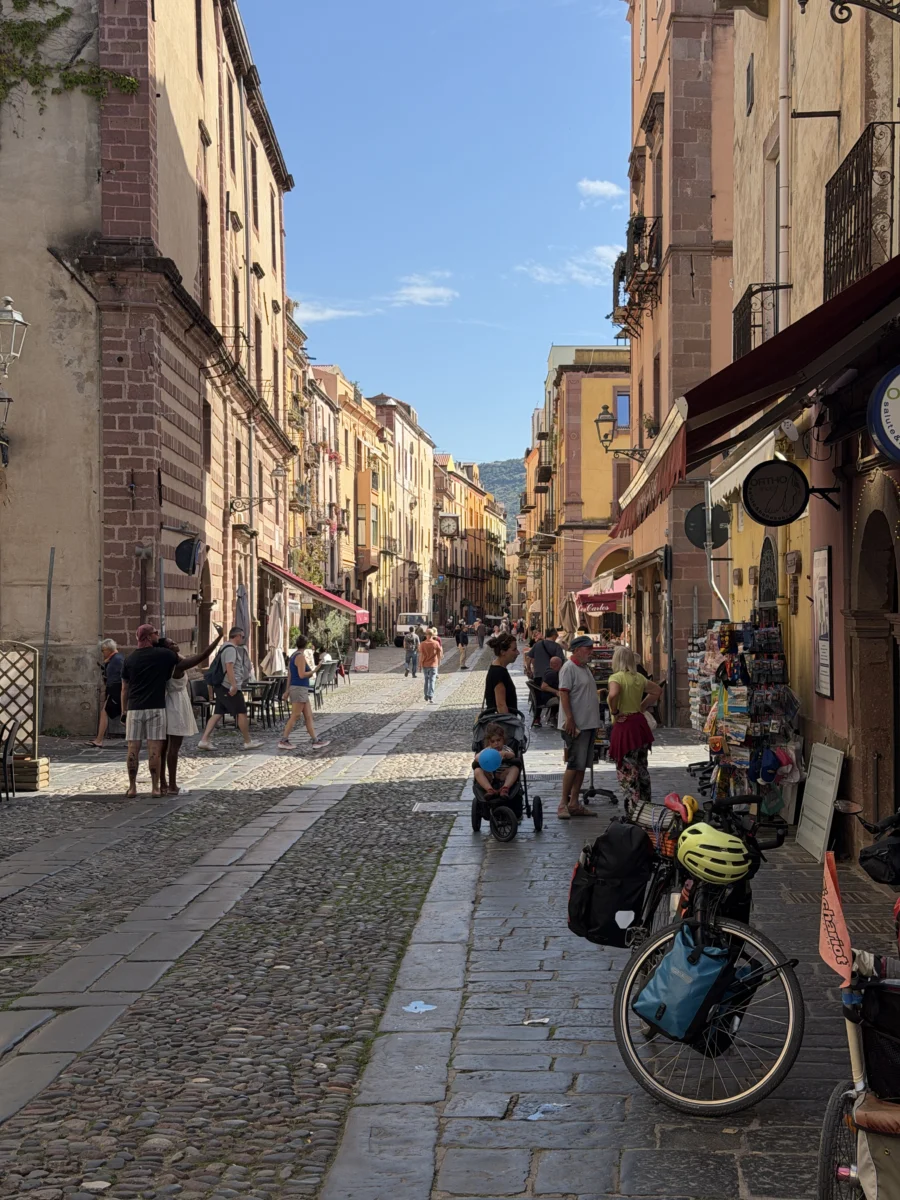
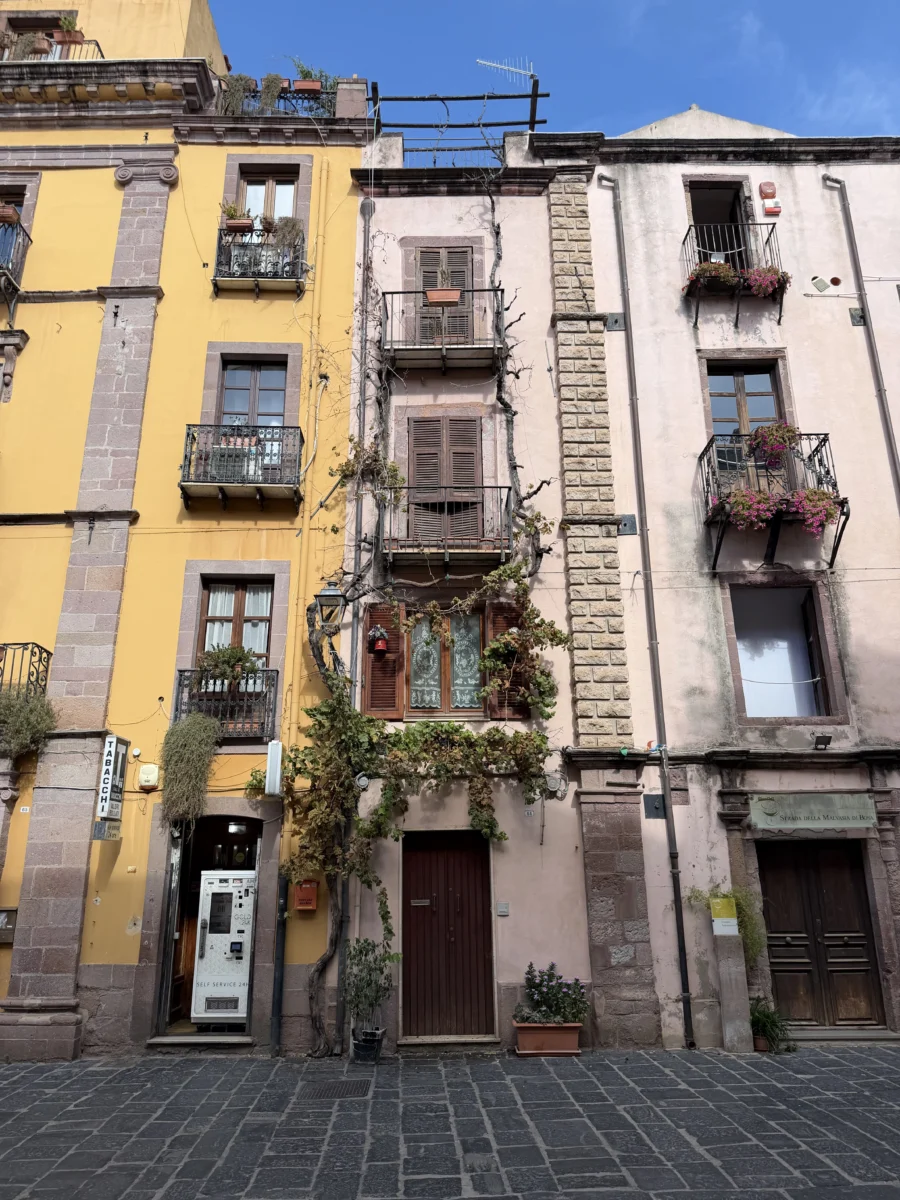
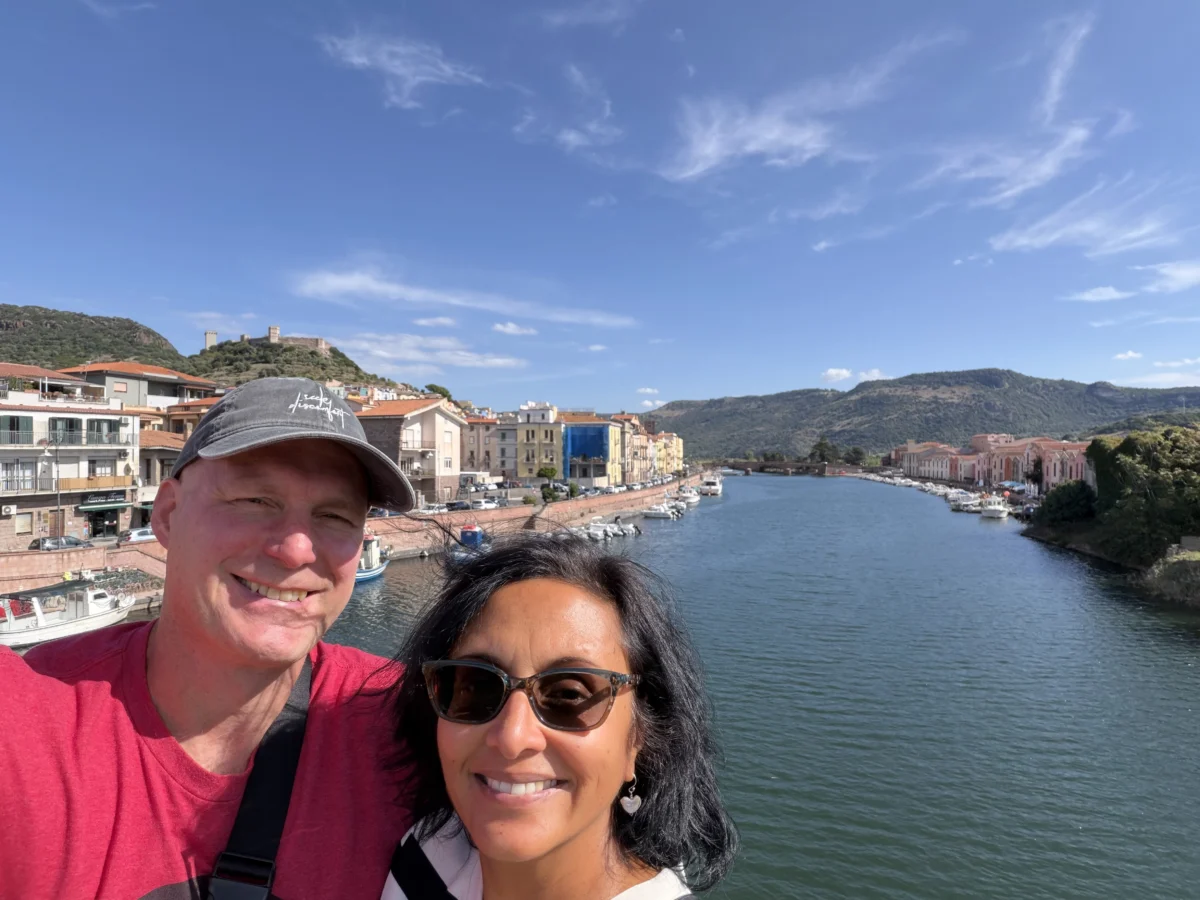
We stopped in Bosa, a town highly recommended by people we’ve chatted with and known to be very scenic. It did not disappoint!
Actually we first stopped at the Bosa marina area and found that it was dead.. it turns out that Bosa’s real activity is about 1 km up the Temo River. We parked downtown just outside the ZTL (Zona Traffico Limitado, watch out for those!) and walked into the main pedestrian area. Despite being a fairly isolated town, it was bustling with cafes, shops, families.. really nice vibe.
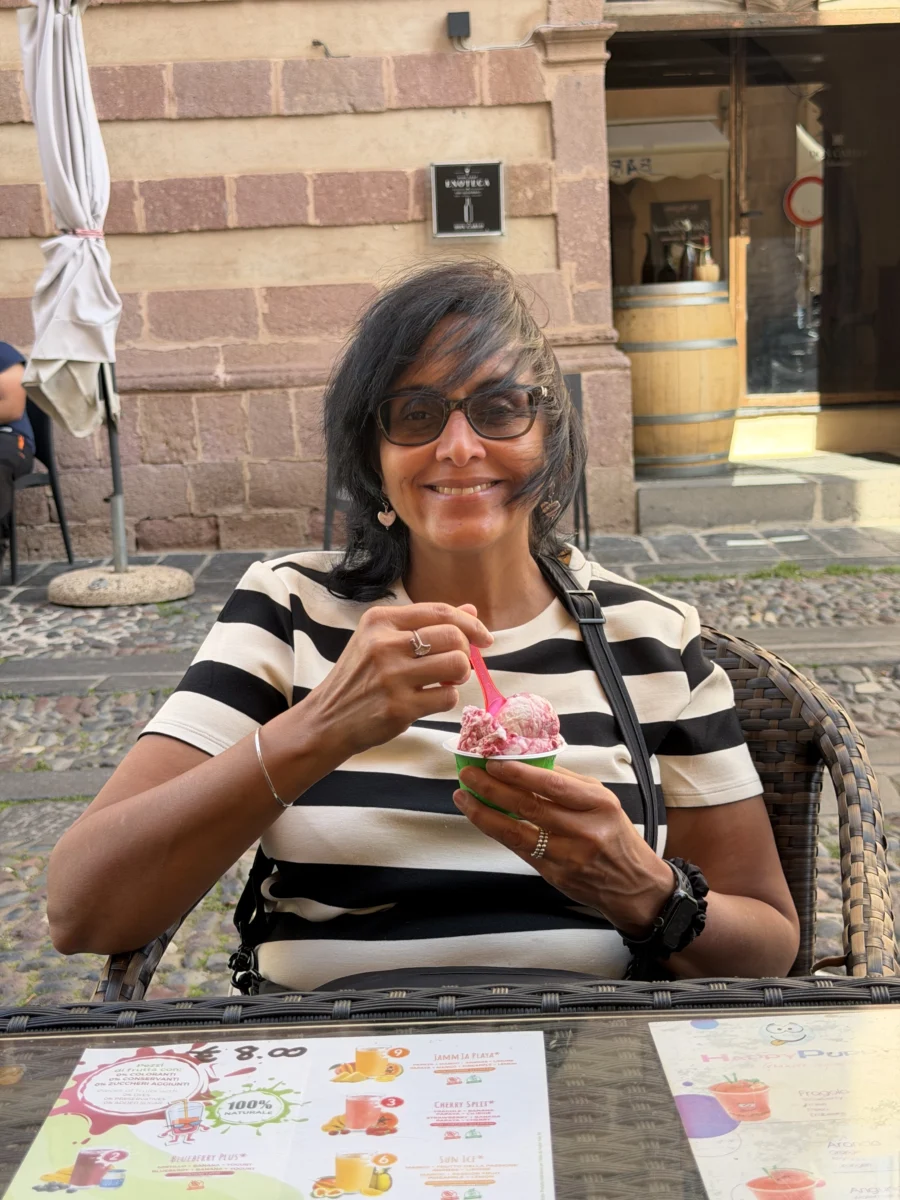
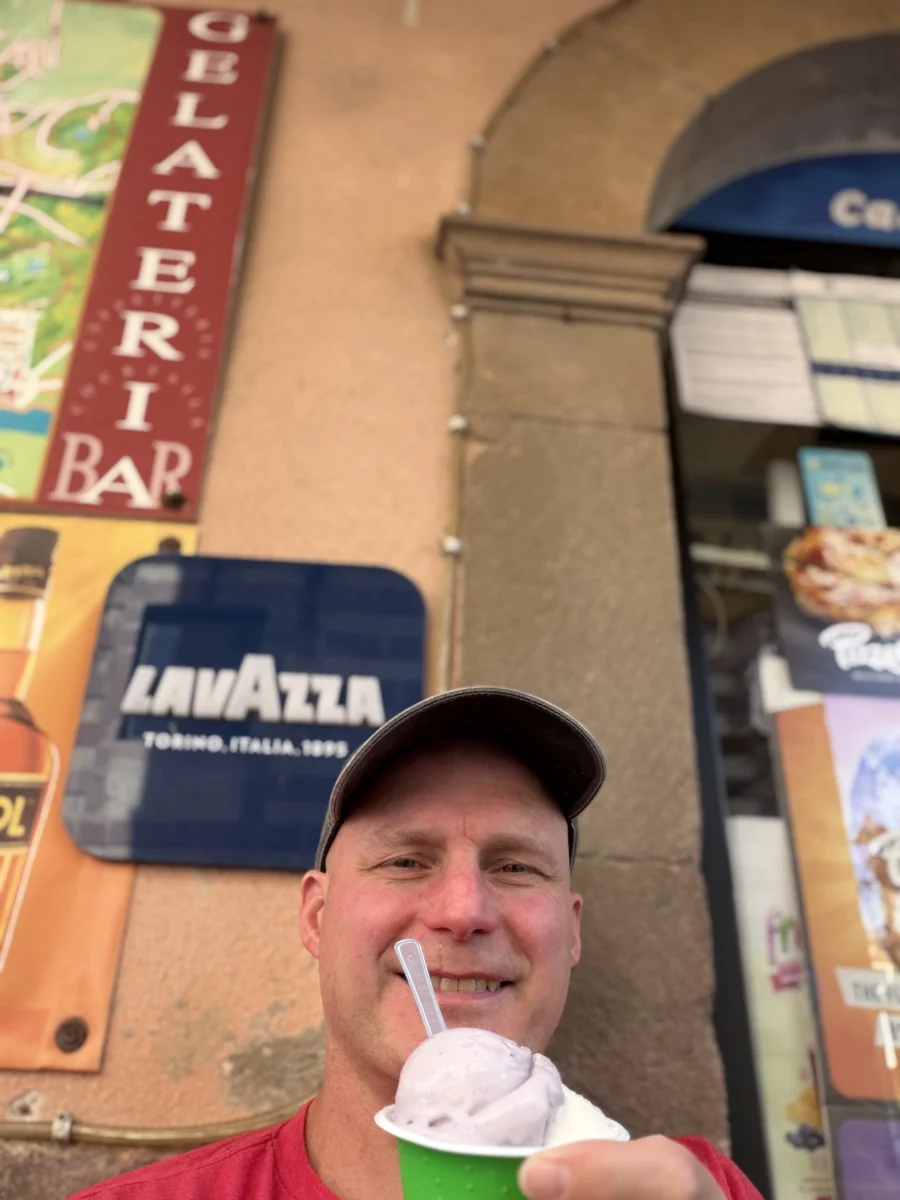
We grabbed some gelato of course, coconut and mirto. Yum!
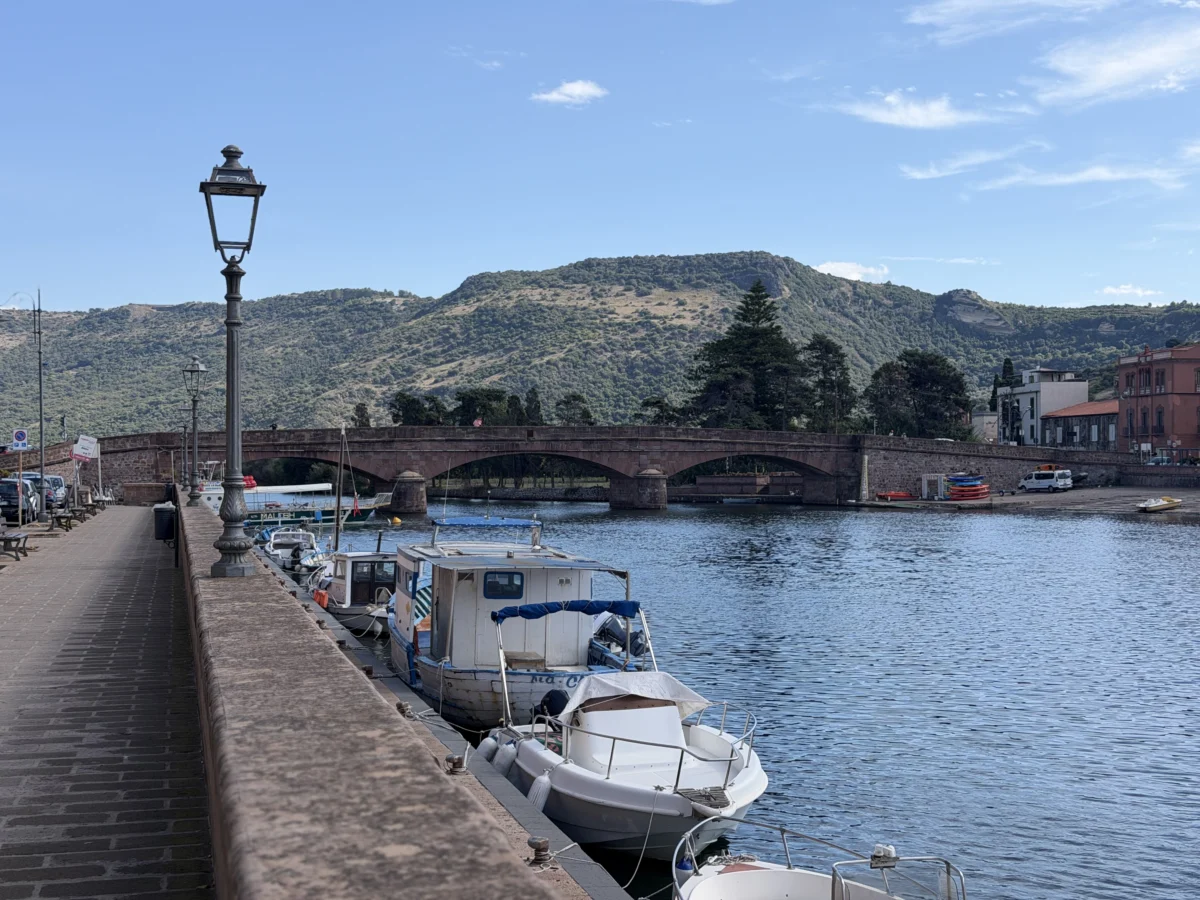
We walked along the river, including the well-known Ponte Vecchio (yep, same name as the famous one in Florence!).
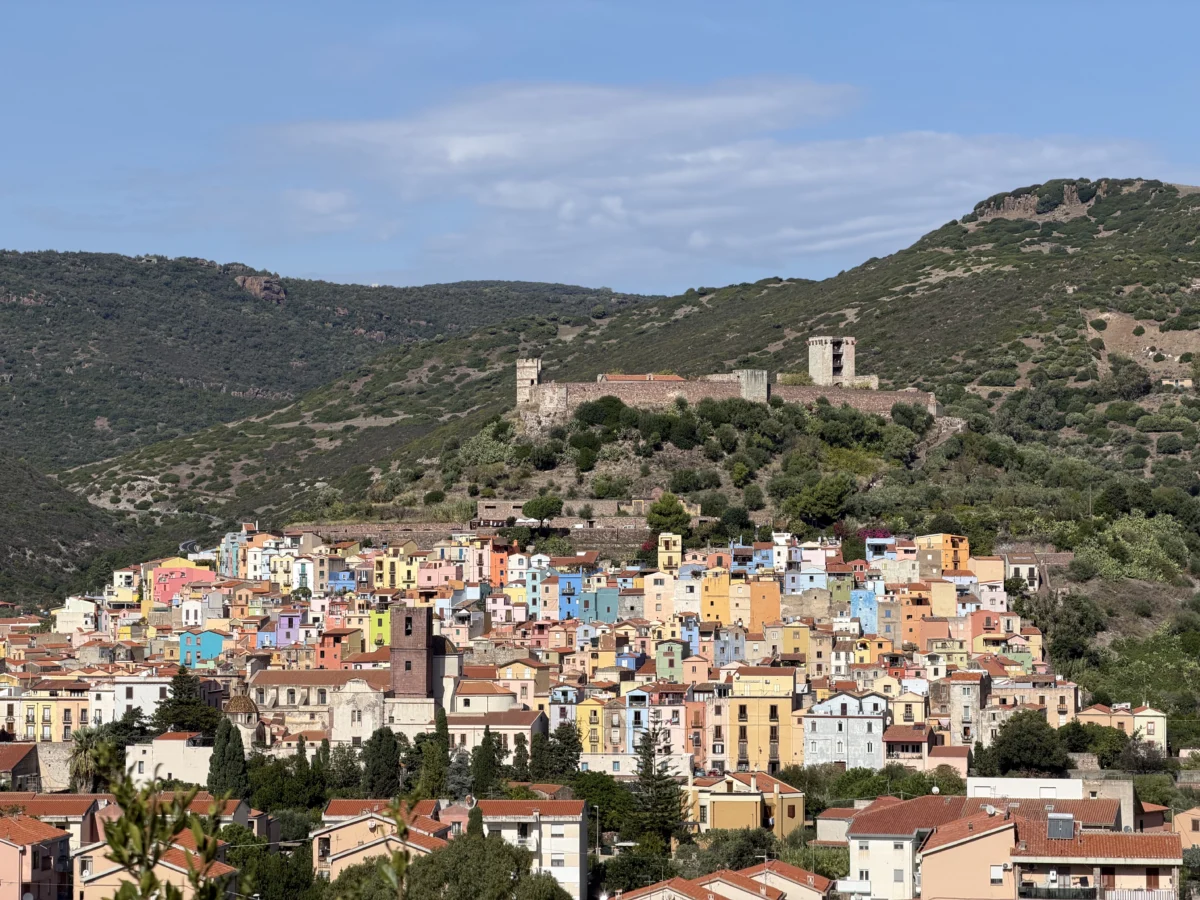
To round out our little tour, we drove back across the river and up the hill facing the town. As expected, from a viewpoint high above the spray of pastel-colored buildings capped by the almost century-old castle Il Castello di Bosa (which we were only able to admire from afar) forms a stunning scene!
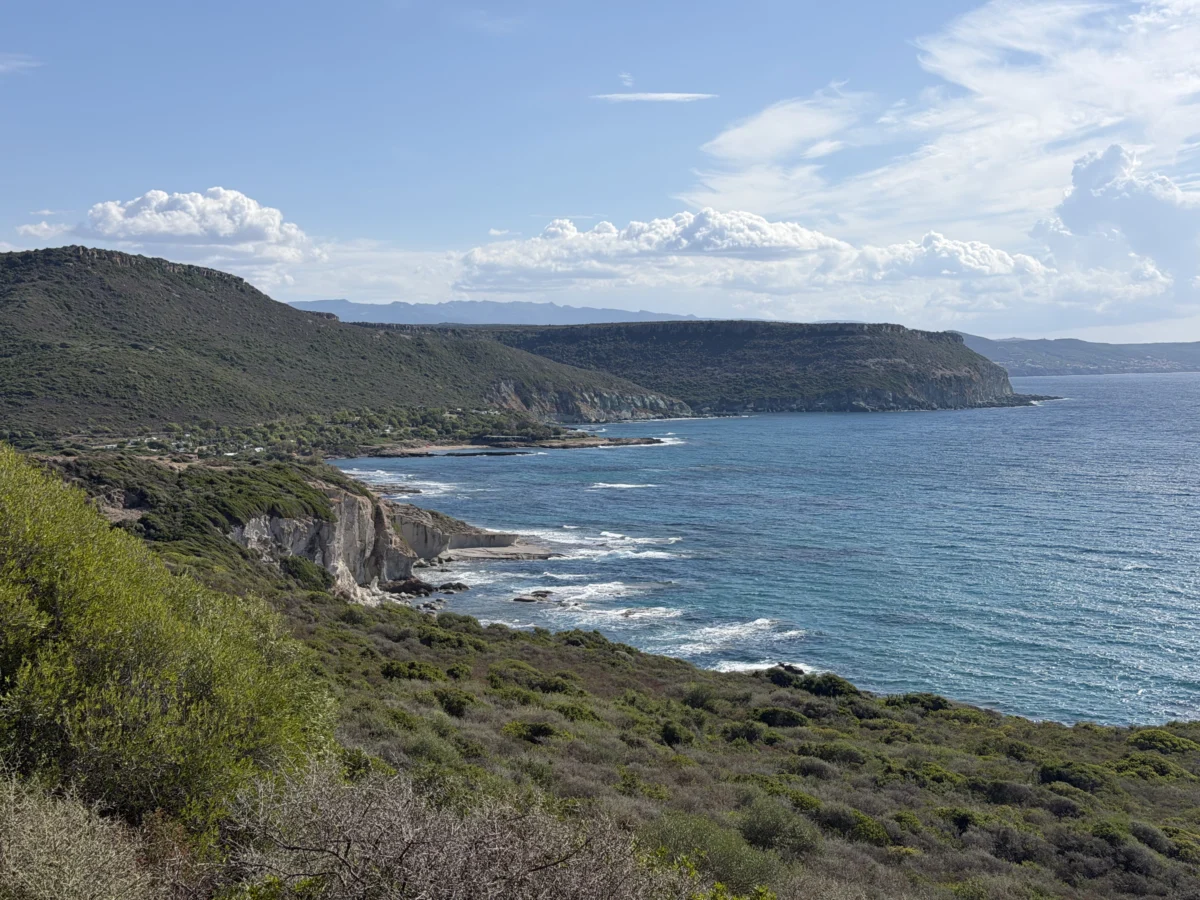
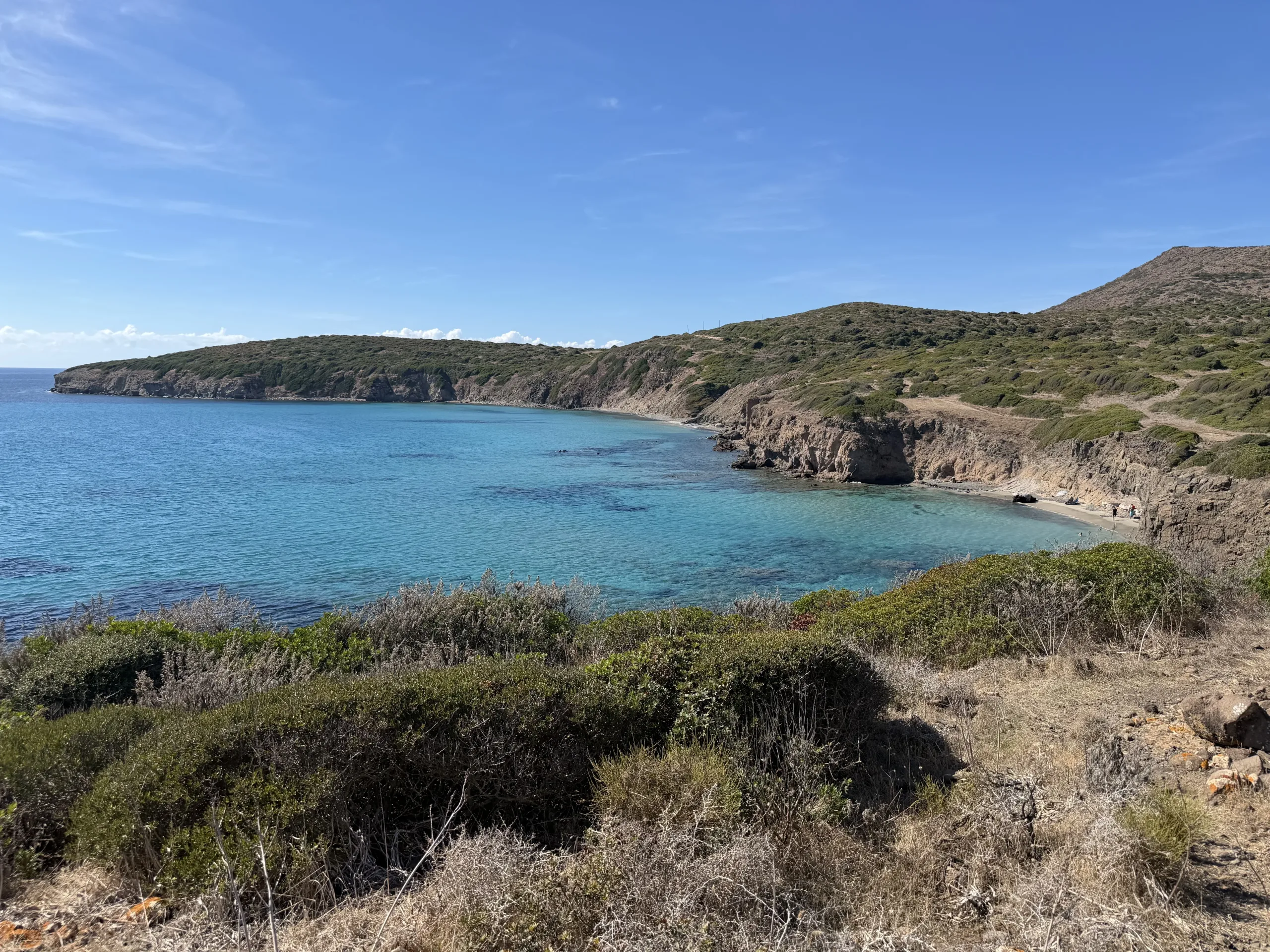
Driving north from Bosa immediately reveals some stunning oceanside rock formations and beaches.
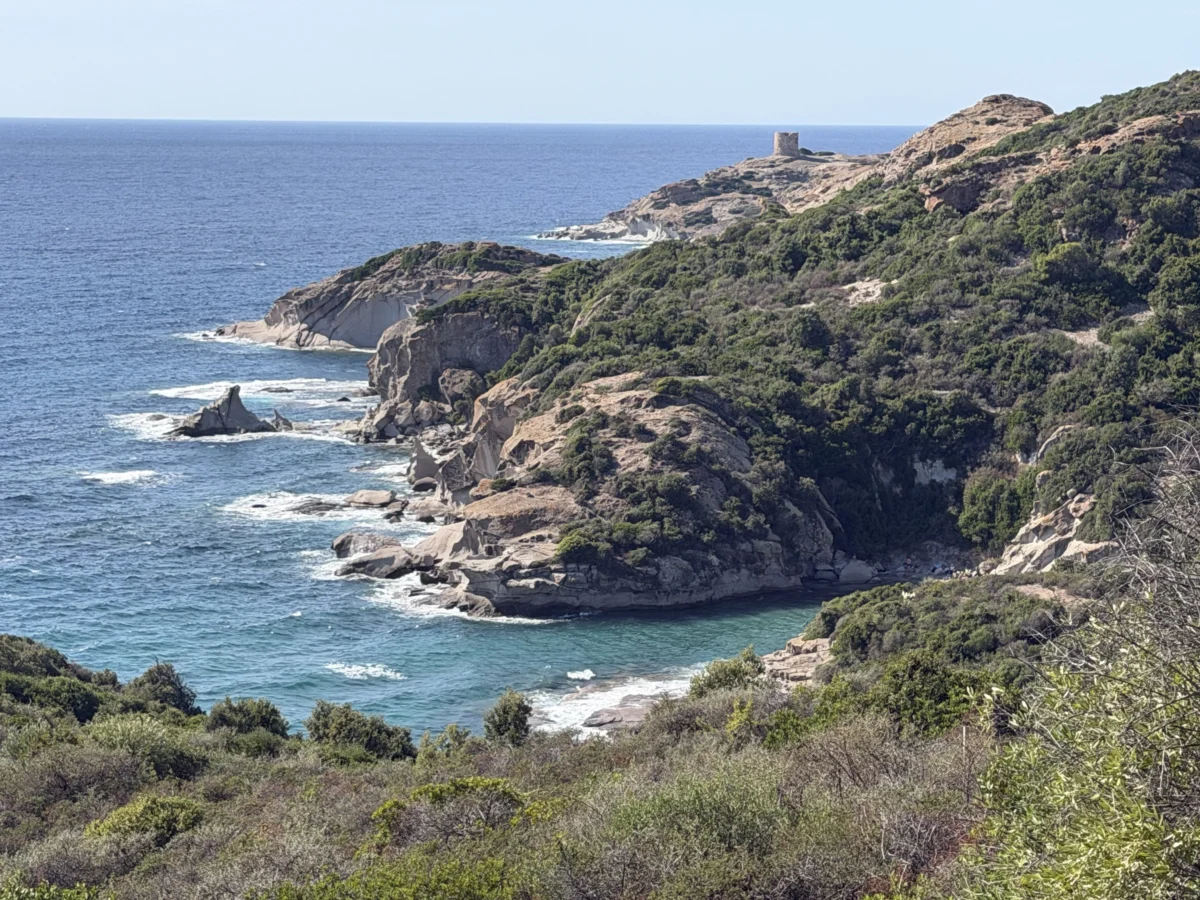
Bosa is definitely high on our “where we’d stay next time” list!
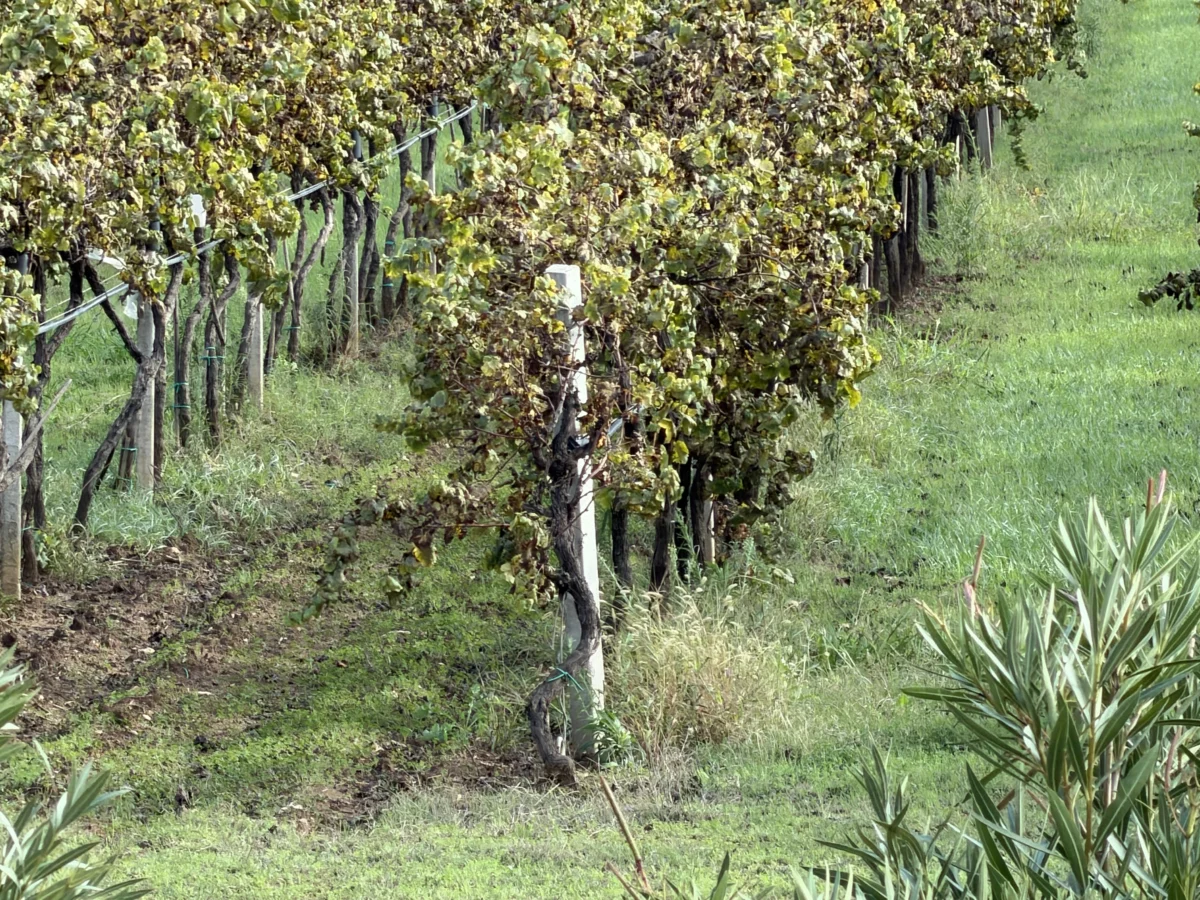
We worked our way to the north side of Alghero and the lovely vineyards and winery that make up Sella & Mosca. It is a 541 hectare (1,337 acres) estate growing and processing numerous types of wine. They also have a sizable hotel, Casa Villamarina, which was our home while in the area.
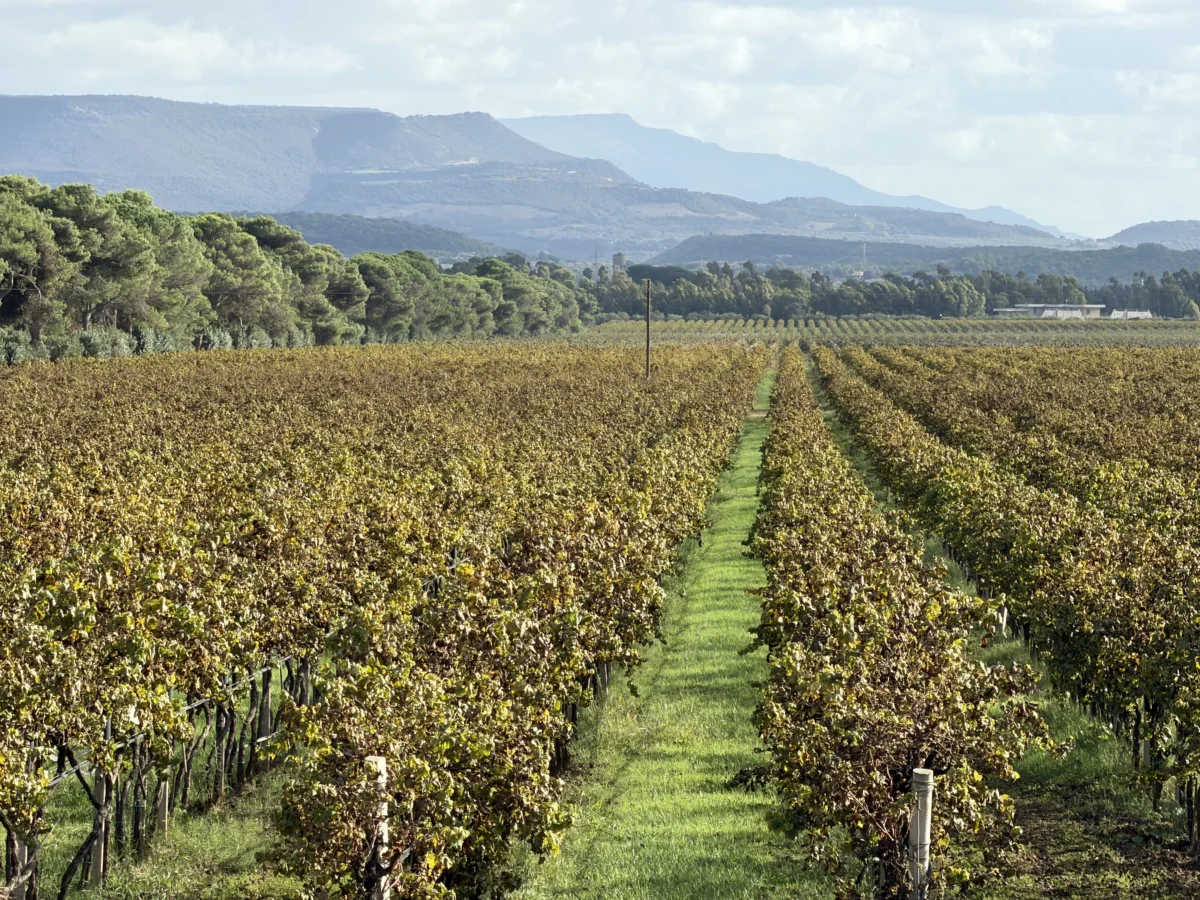
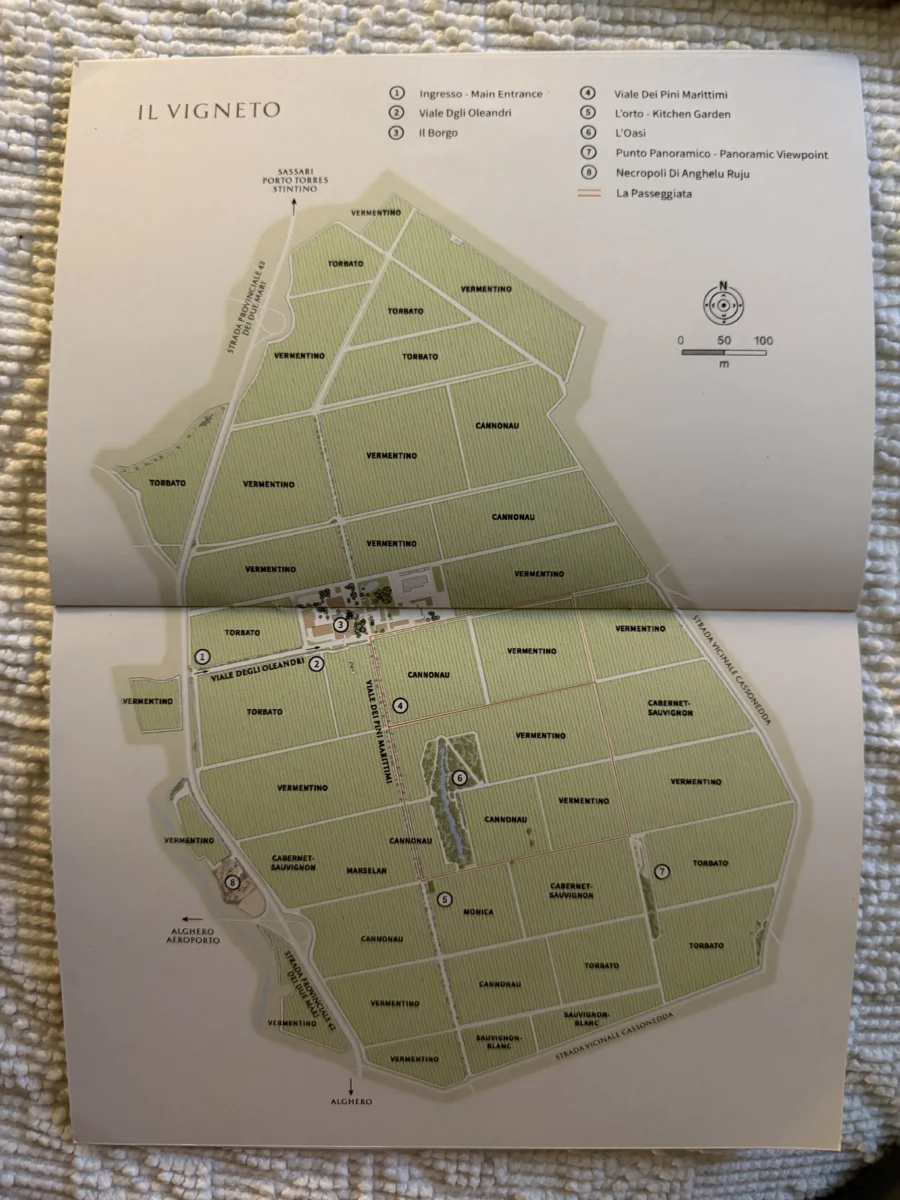
We had dinner at Sella & Mosca once. It was good but not great, and in an area with lots of great food it didn’t take much to send us elsewhere.
Sella & Mosca excels when it comes to wine as you might expect, and are one of the largest winemakers in Europe. We took a tour and Savitri did a tasting.
We spent most of the tour in their cavernous wine cellars. They are very carefully environmentally-controlled, in fact there’s even a tunnel to transfer the wine from building to building while maintaining exact temperatures! They went over how much time each wine spends in barrels of different materials, generally shifting from stainless steel to a period in French oak barrels and back.
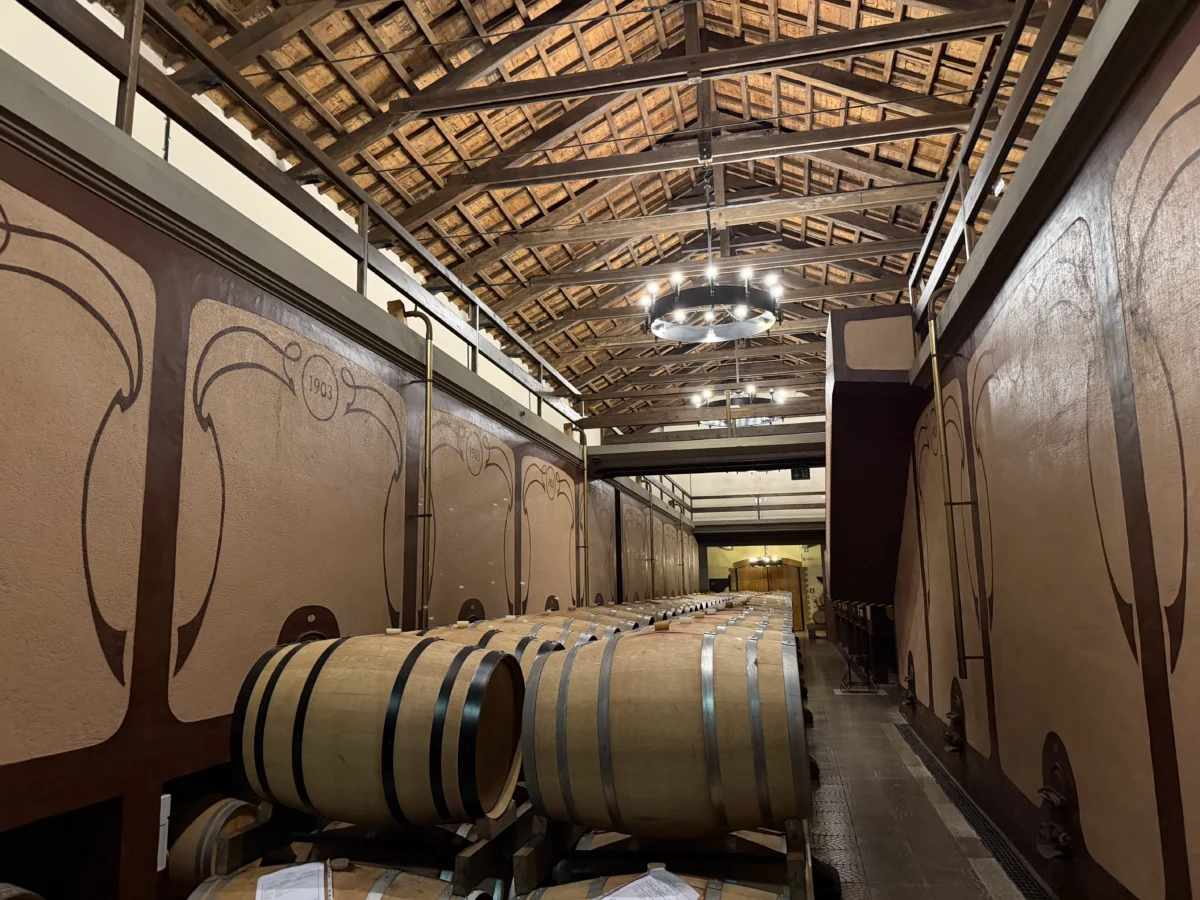
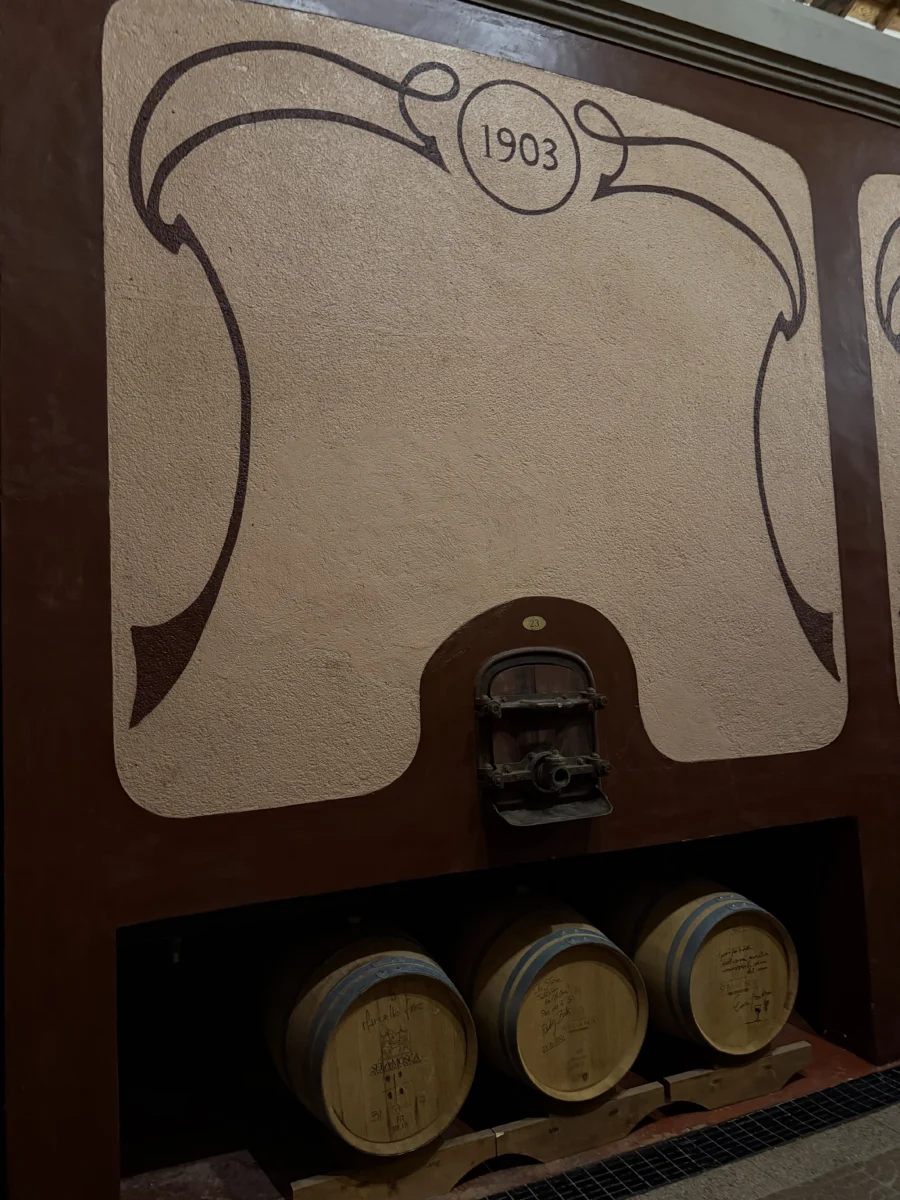
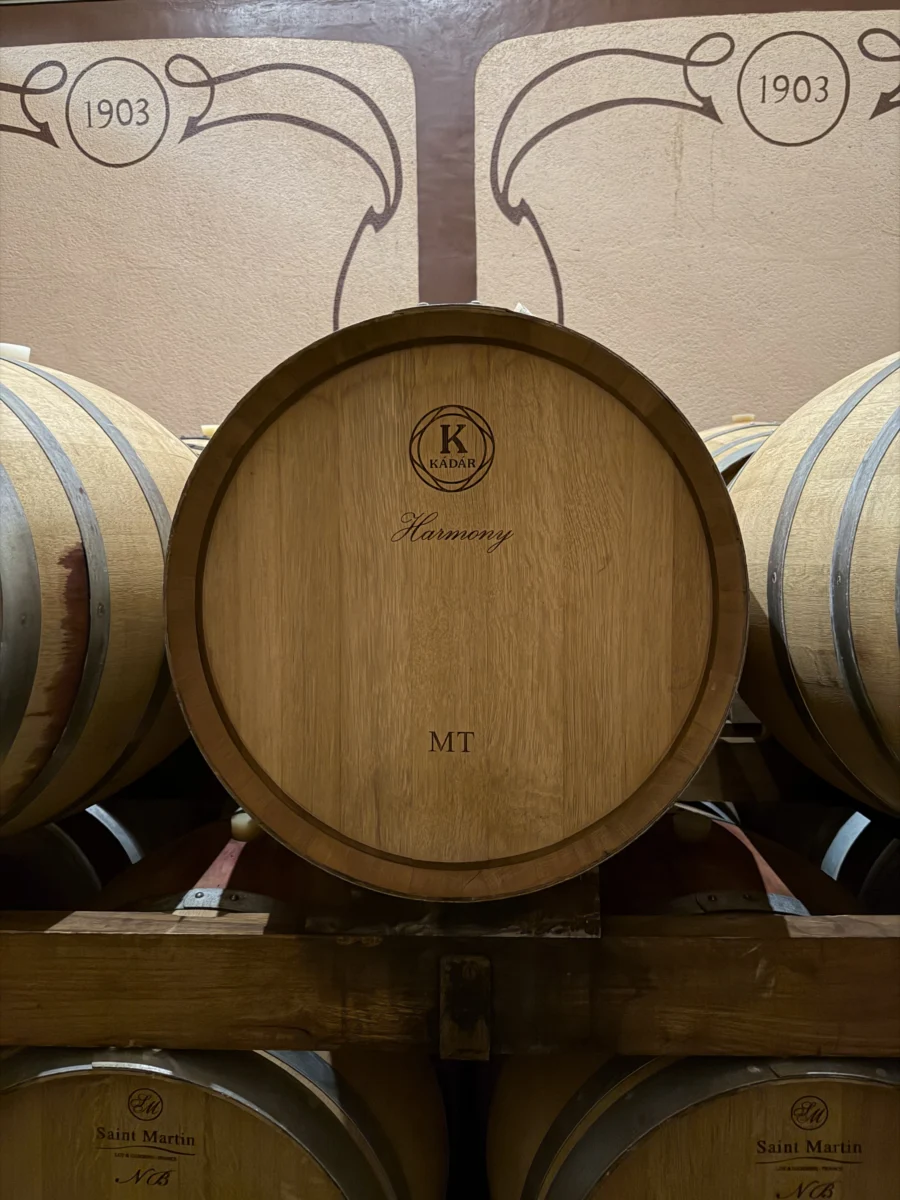
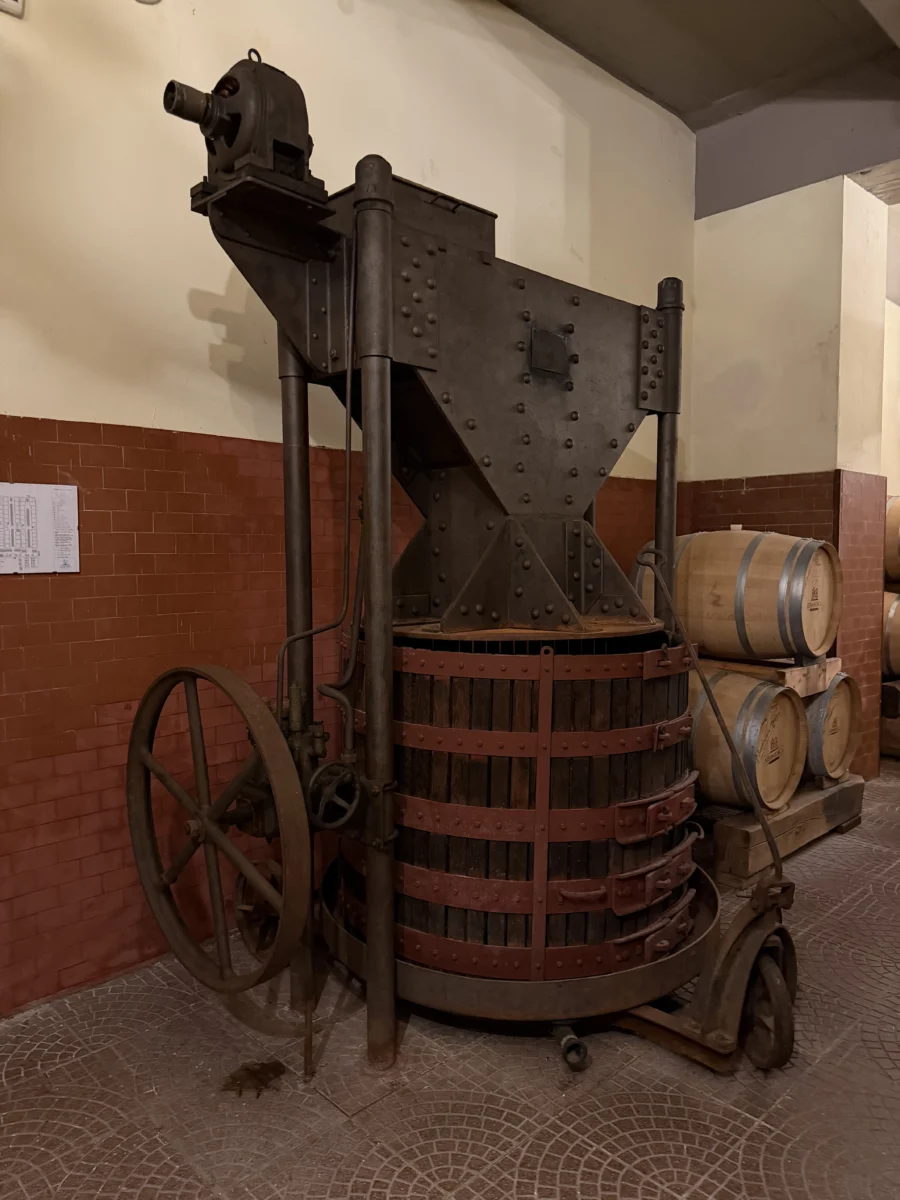
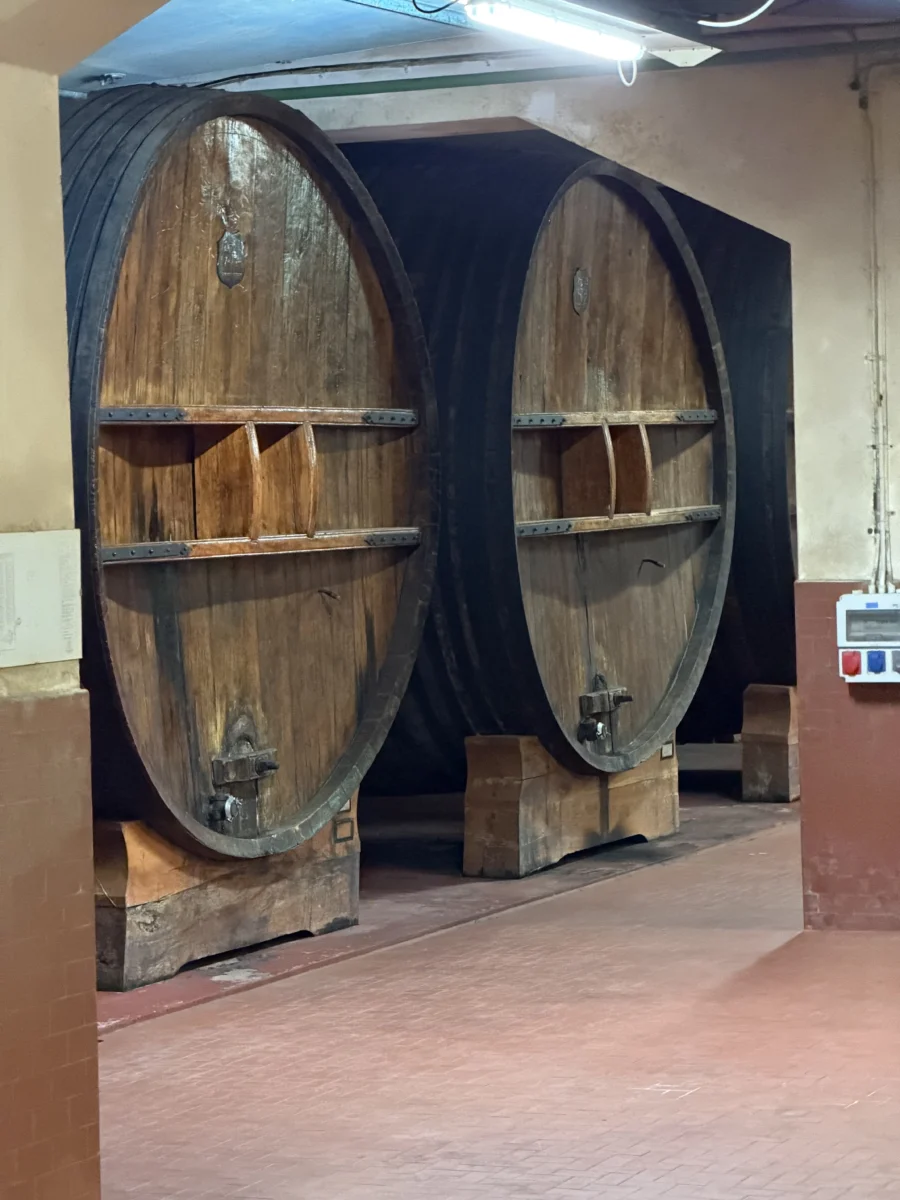
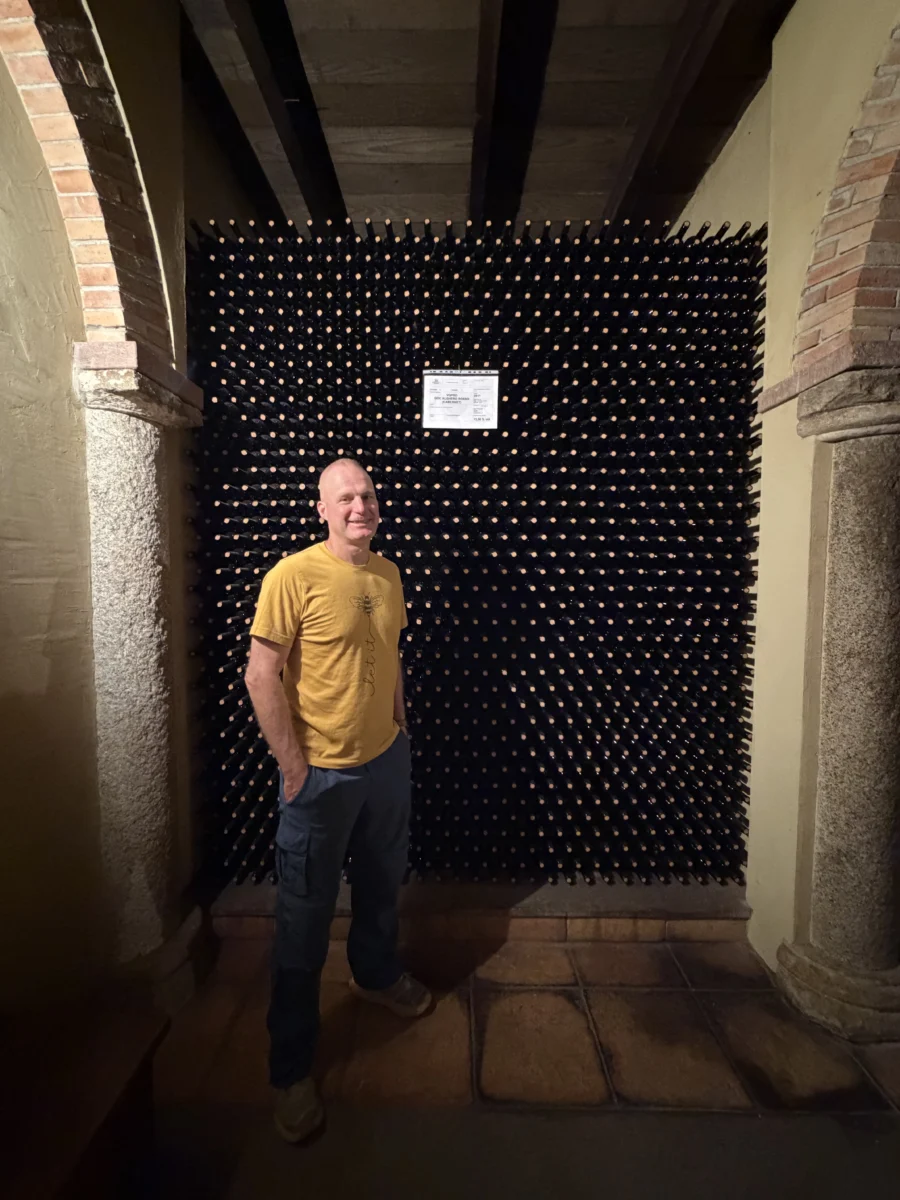
Savitri sampled several types and loved them. Even as a non-drinker I found the whole process fascinating and recommend it. They charged a small fee for me to join and it was very much worth it.
One could easily overlook the small museum at Sella & Mosca. It’s really just the walls and edges of the lounge that forms overflow seating for the dining room. However, DO check it out! It will take 15 minutes and it is essentially pictures and reproductions of many of the artifacts found during the preparation of the giant (650 hectares or 1,606 acres) estate for planting. These are OLD artifacts, pre-dating even the famed nuraghe, from neolithic times (~4,200-3,200 BCE).
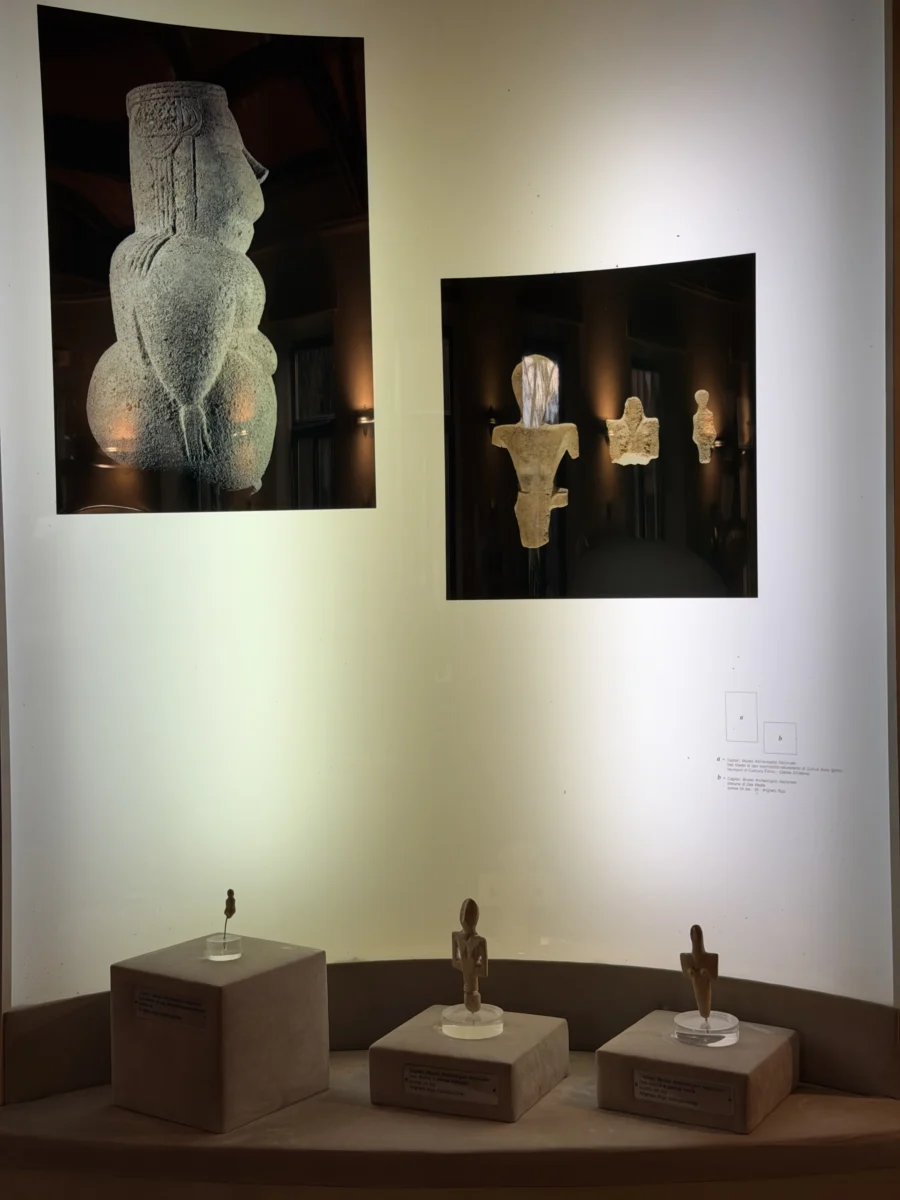
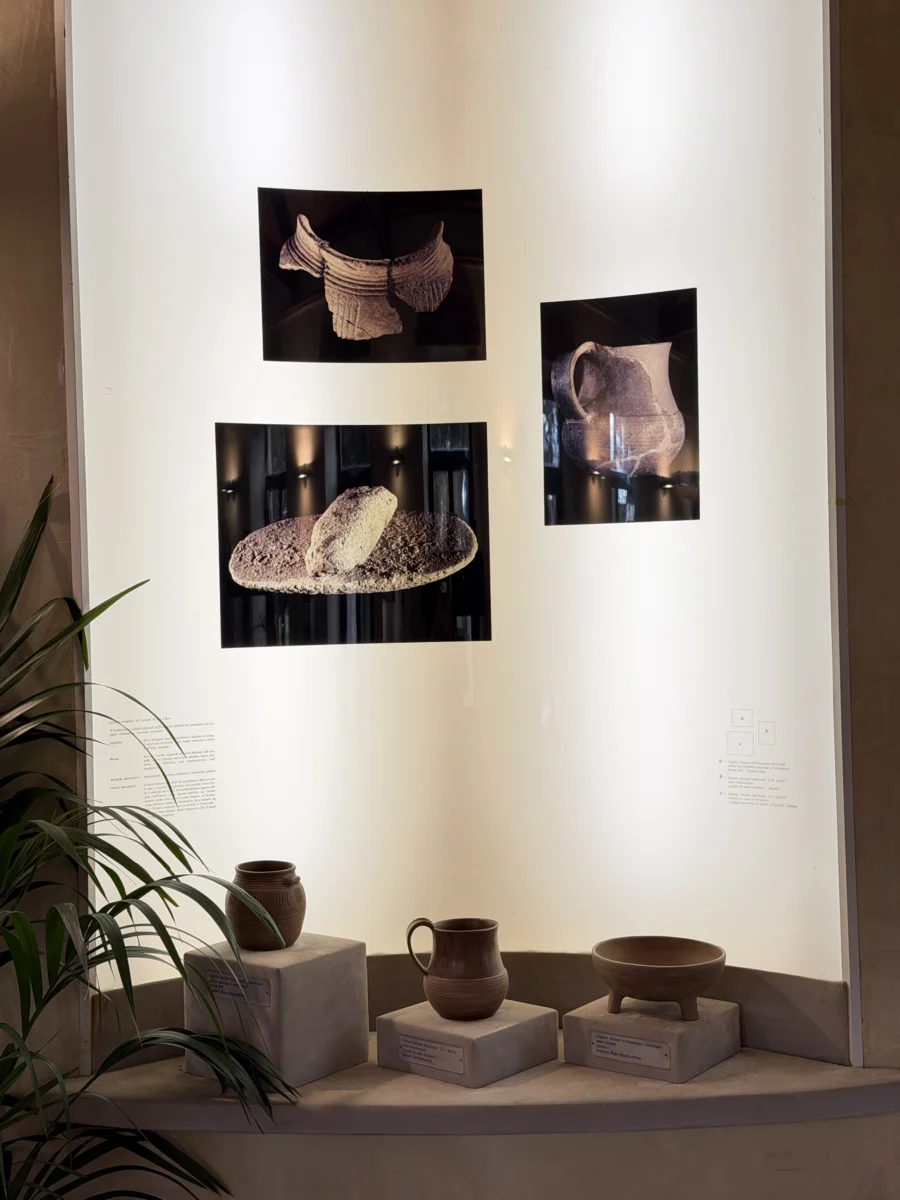
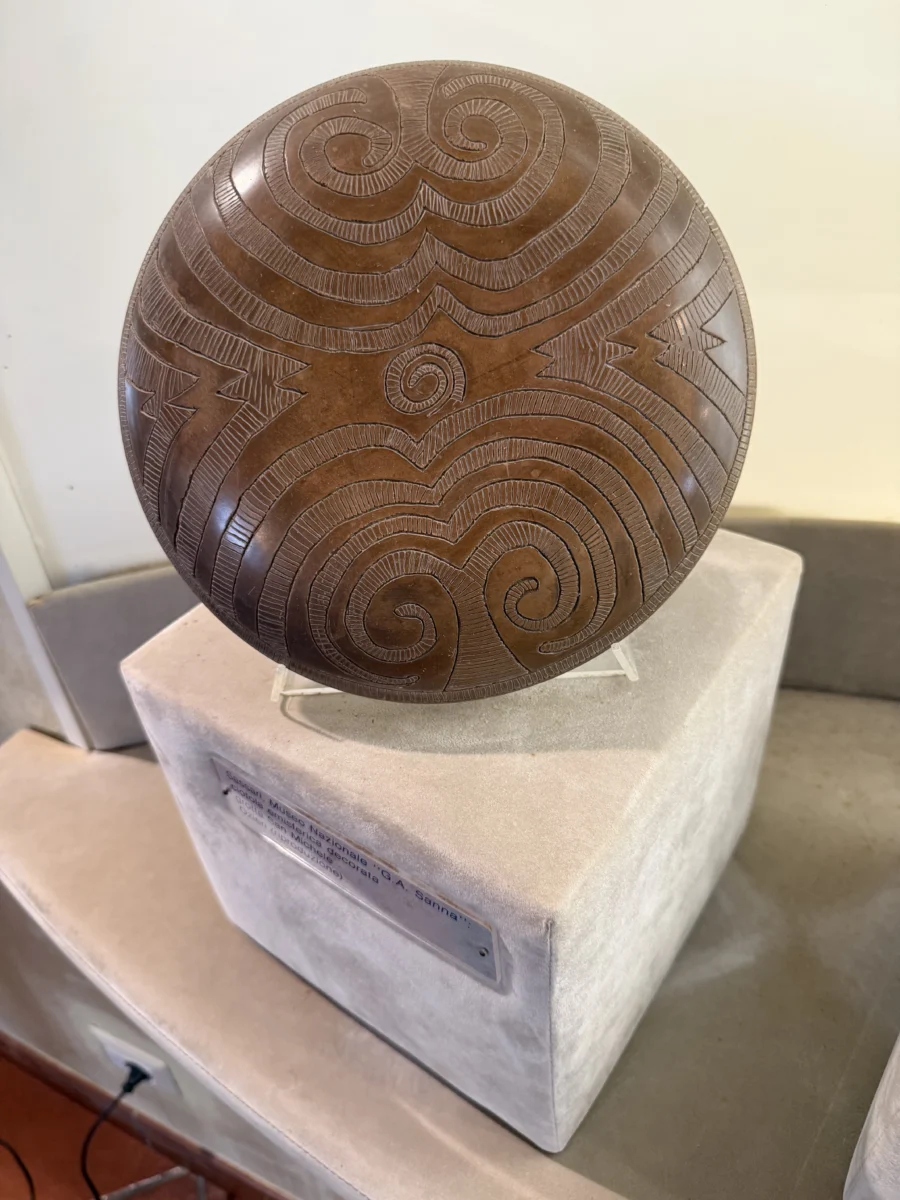
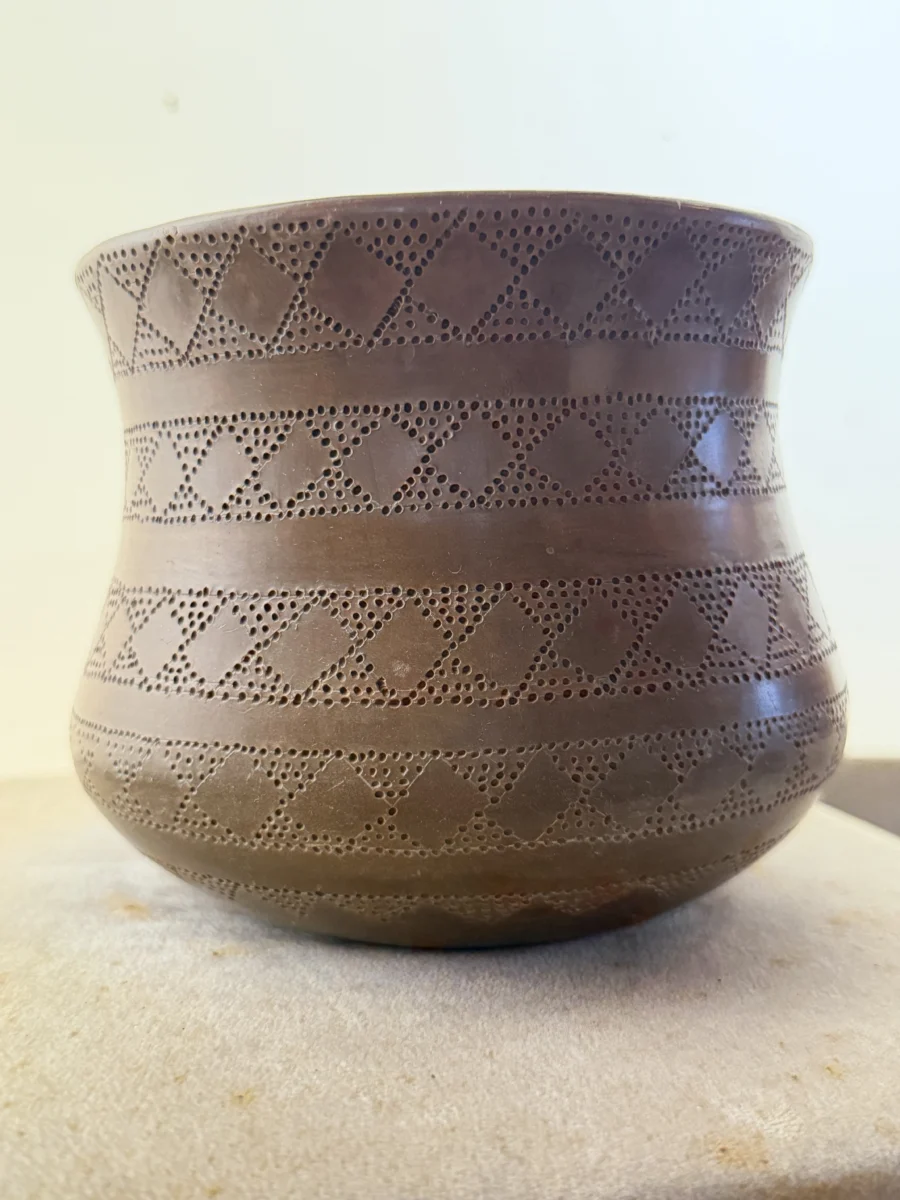
Savitri of course finds inspiration in these for her pottery. It’s amazing how pottery transcends thousands of years and different clays. I also love that designs from 4,000 years ago fit well in many modern homes. Simple and clean.
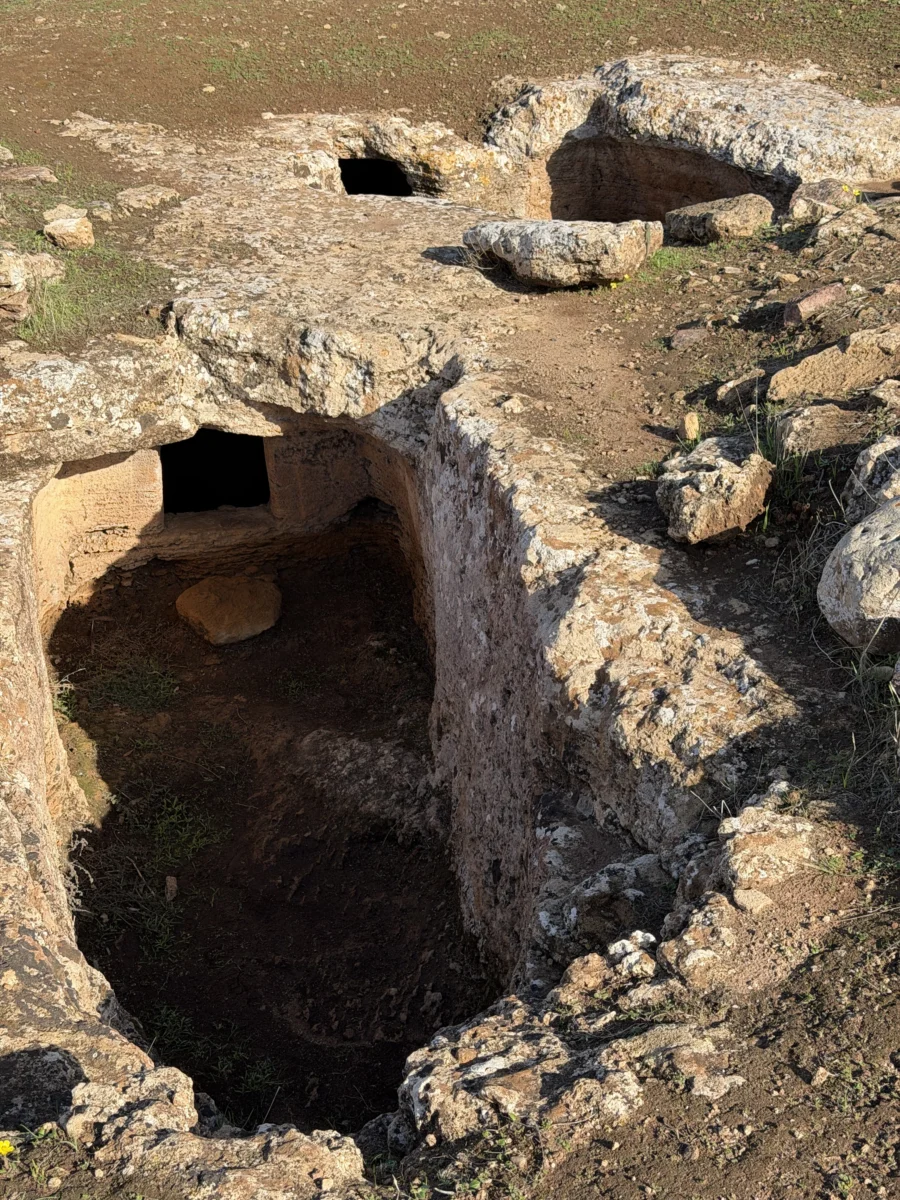
One main source of these objects was the Necropolis of Anghelu Ruju, a now-public site just across the road. Sella & Mosca (the two men who created and developed the winery) bought that land from a local named Angelo Ruju, and when they were turning the soil in 1903 uncovered the necropolis. We visited this site as well.
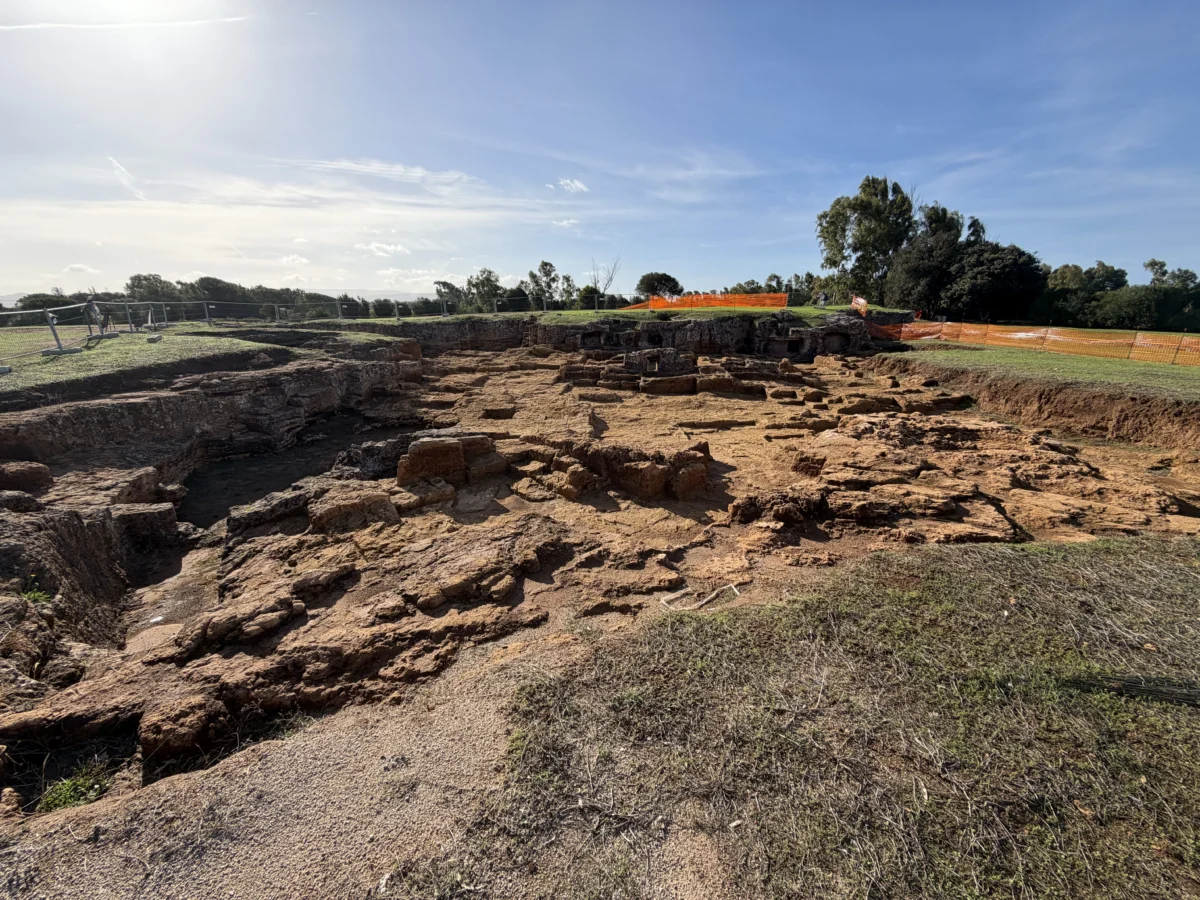
These burial chambers started being used around 4000 BC!
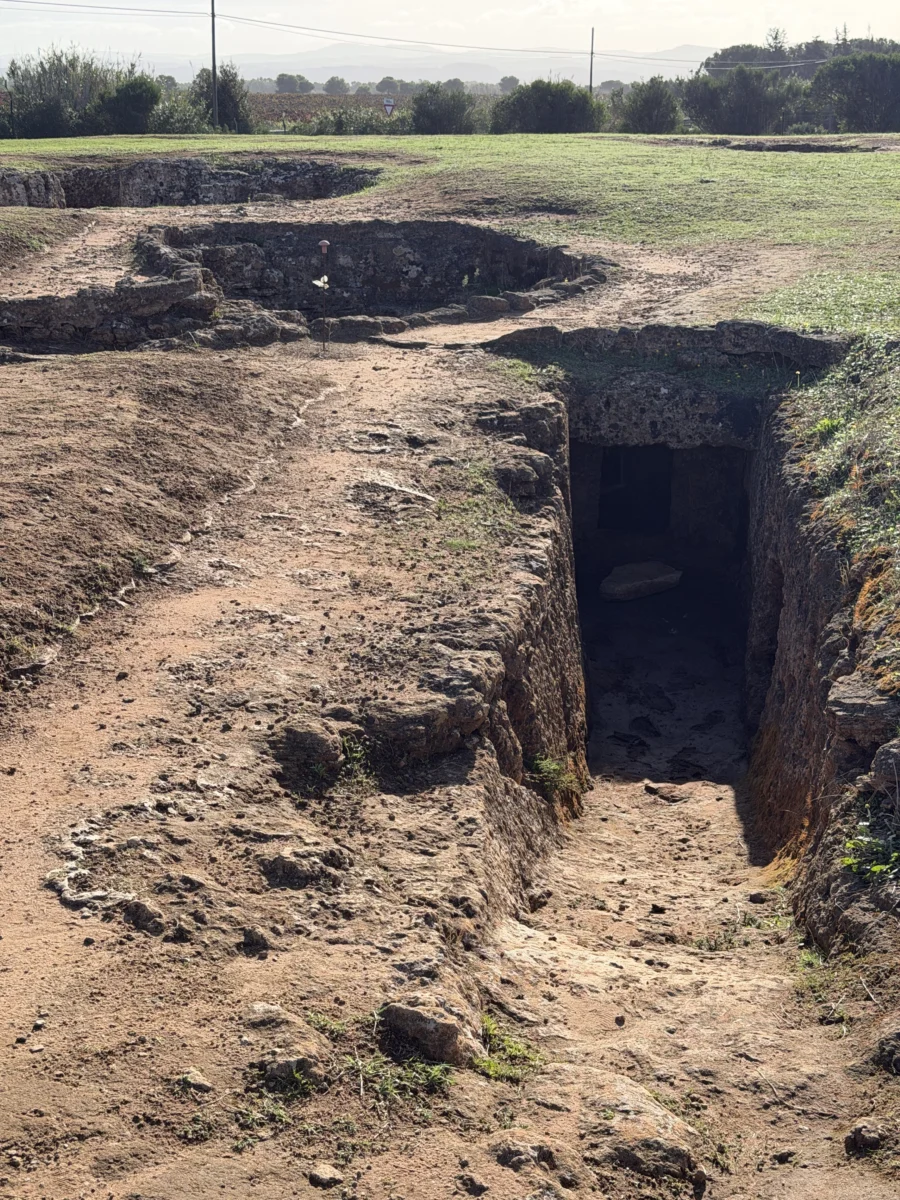
You can buy a combo pass to enter Anghelu Ruju and Nuraghe Palmavera (15 minutes drive southwest) for a discounted rate over individual tickets. You pay extra for the audio guides and we recommend them. If you want to walk through them together, AirPods (and I’m sure other headphones) support SharePlay so you can play on one device and broadcast to multiple devices. We did this so one person could play the guide while the other took pictures.
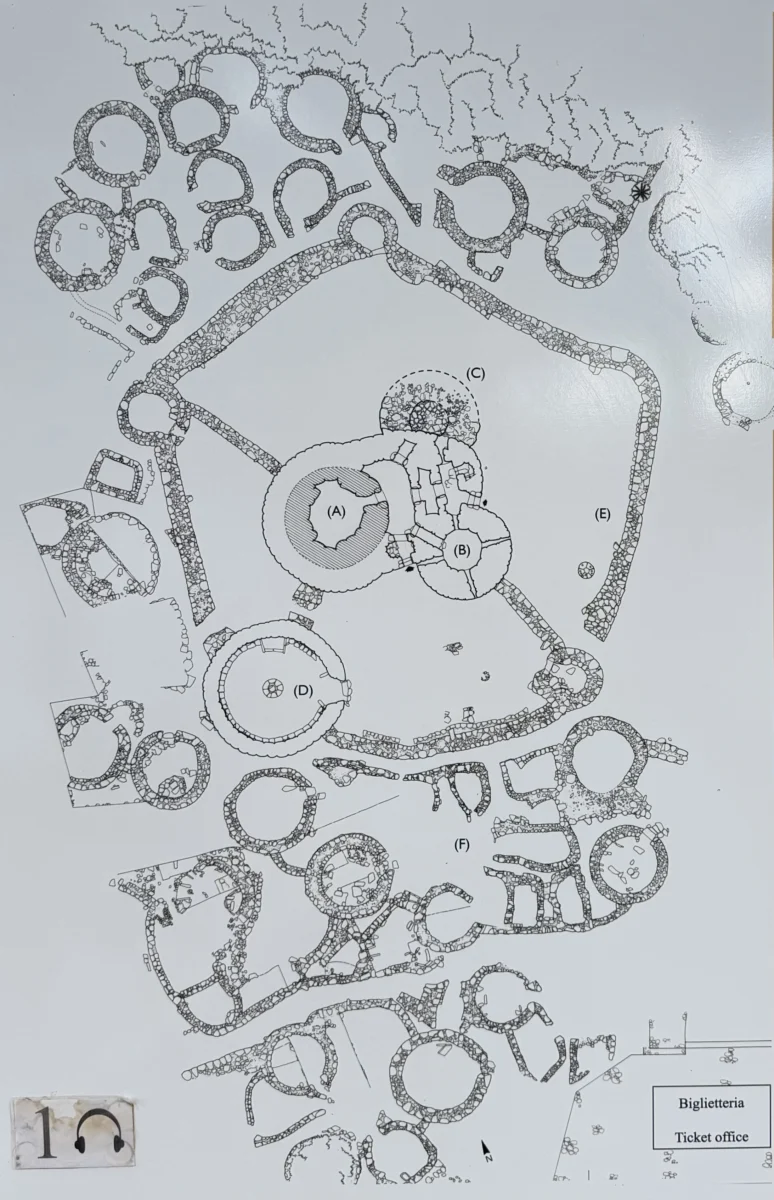
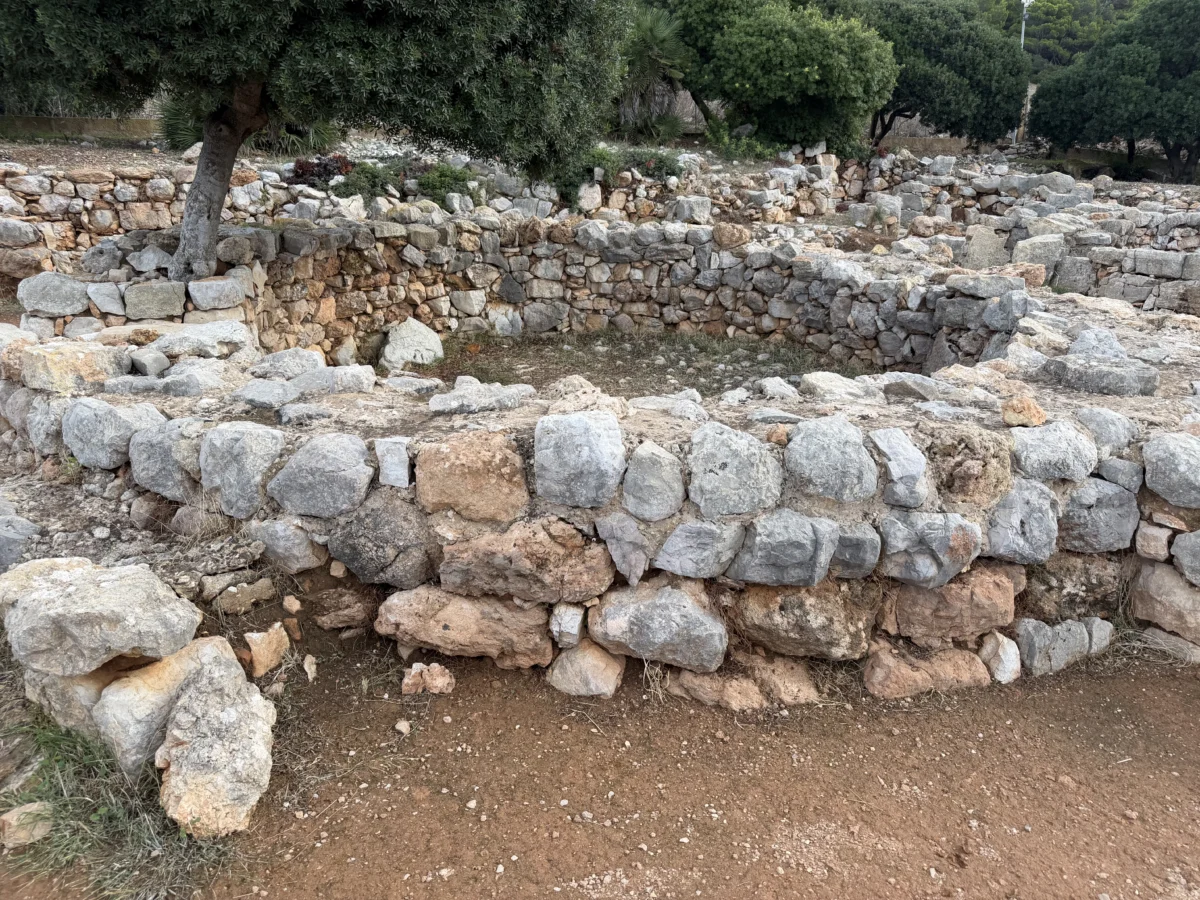
Nuraghe Palmavera is a remarkably intact site, with two central towers and numerous partially walled structures around it.
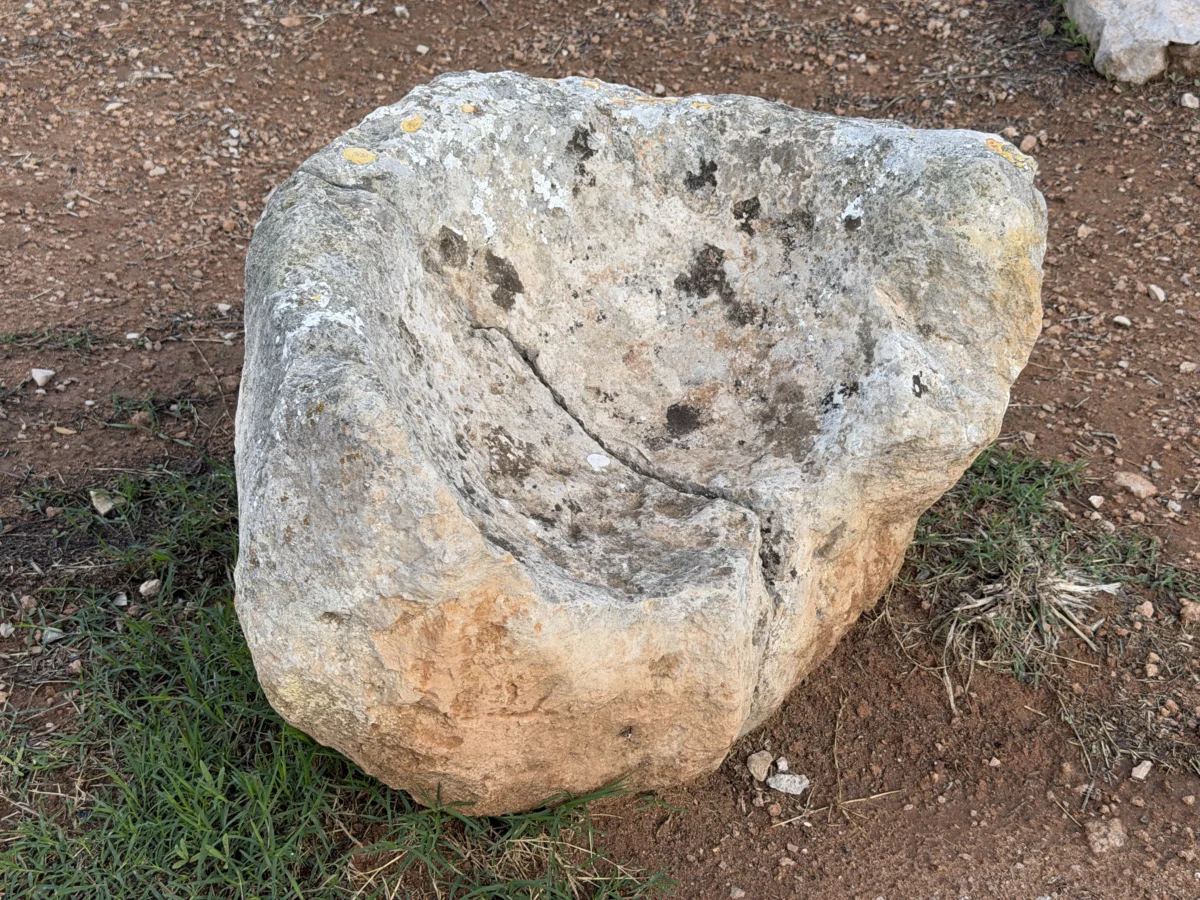
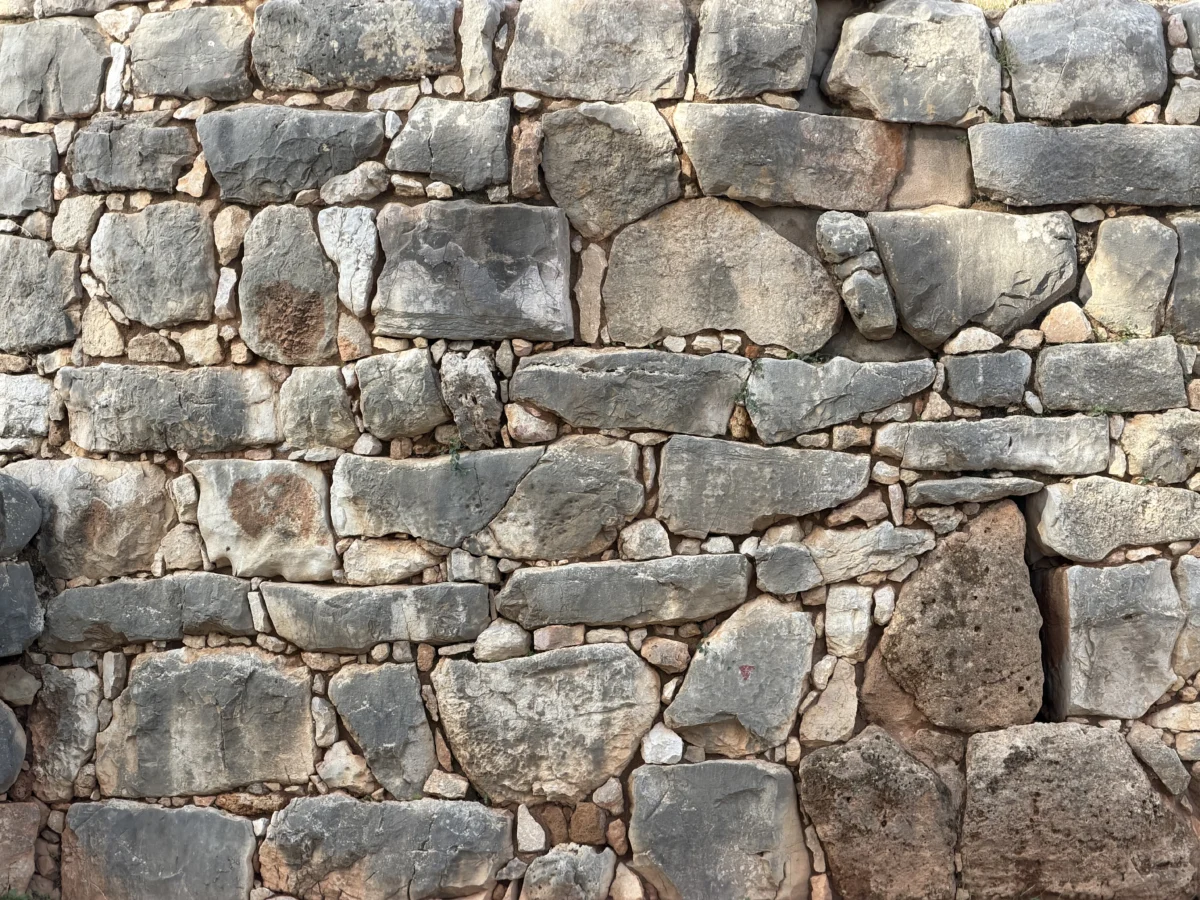
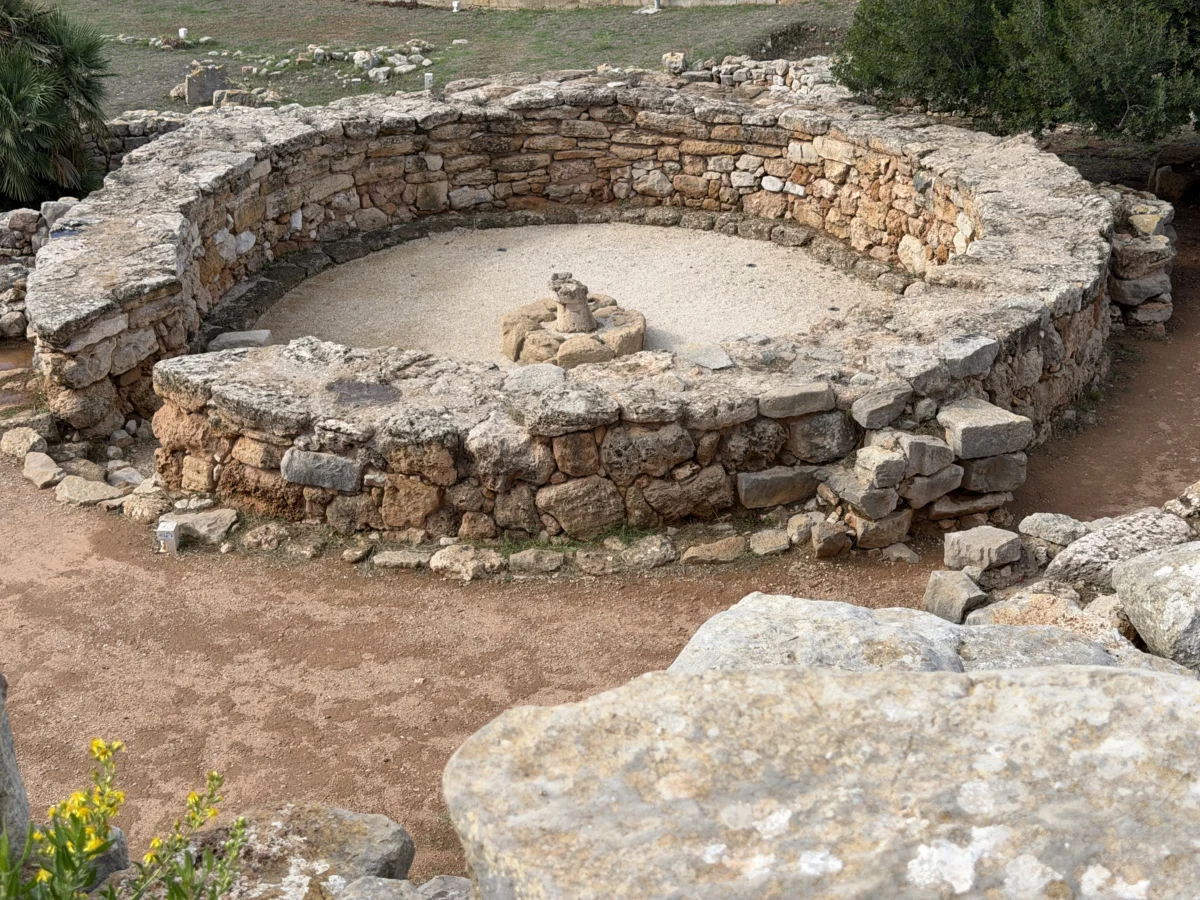
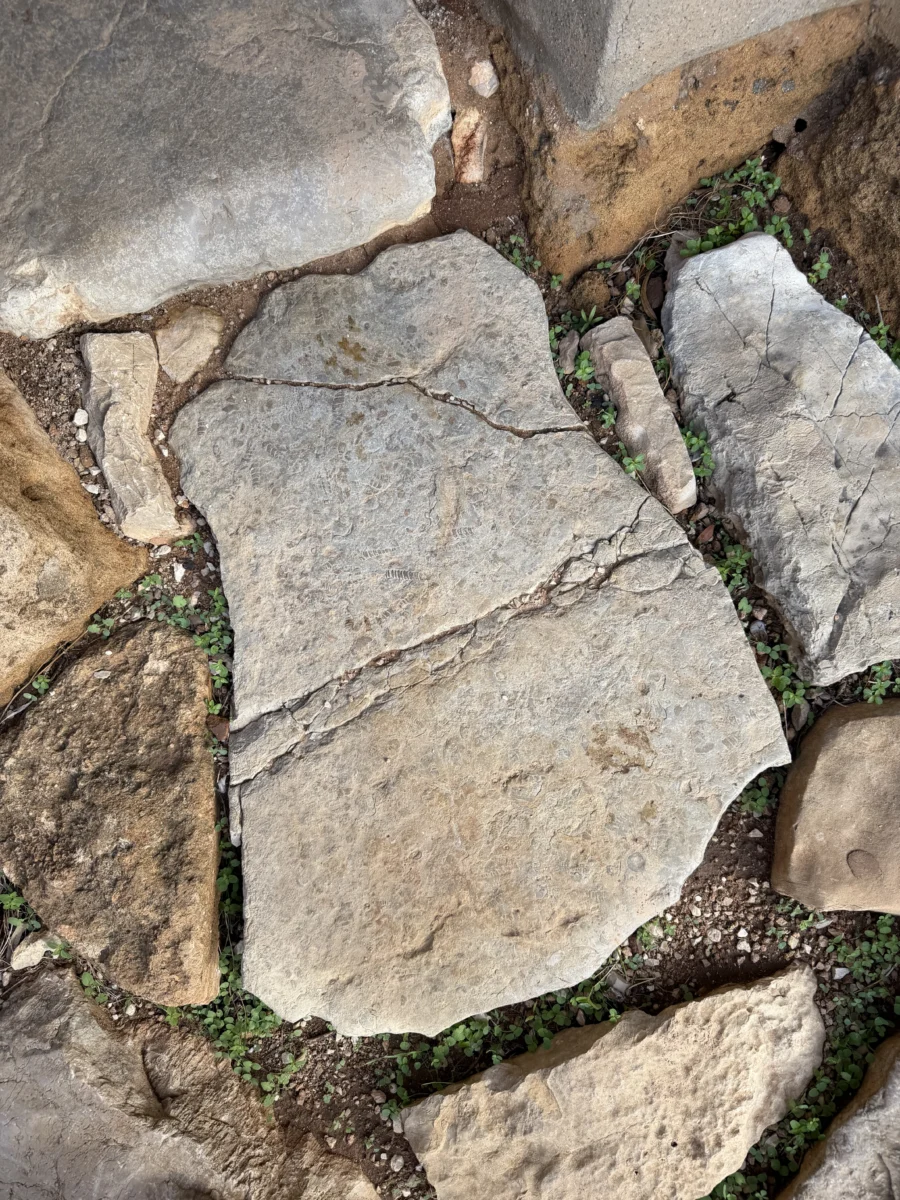
The guide points out that the main tower threshold stone is unique in that it is the only stone at the site filled with ancient fossils.
The star of the show of course is the cluster of towers. There are two largely intact towers now and the remnants of a third that was removed thousands of years ago. You can walk/crouch/squeeze/climb through the two remaining towers and get up onto the top level.
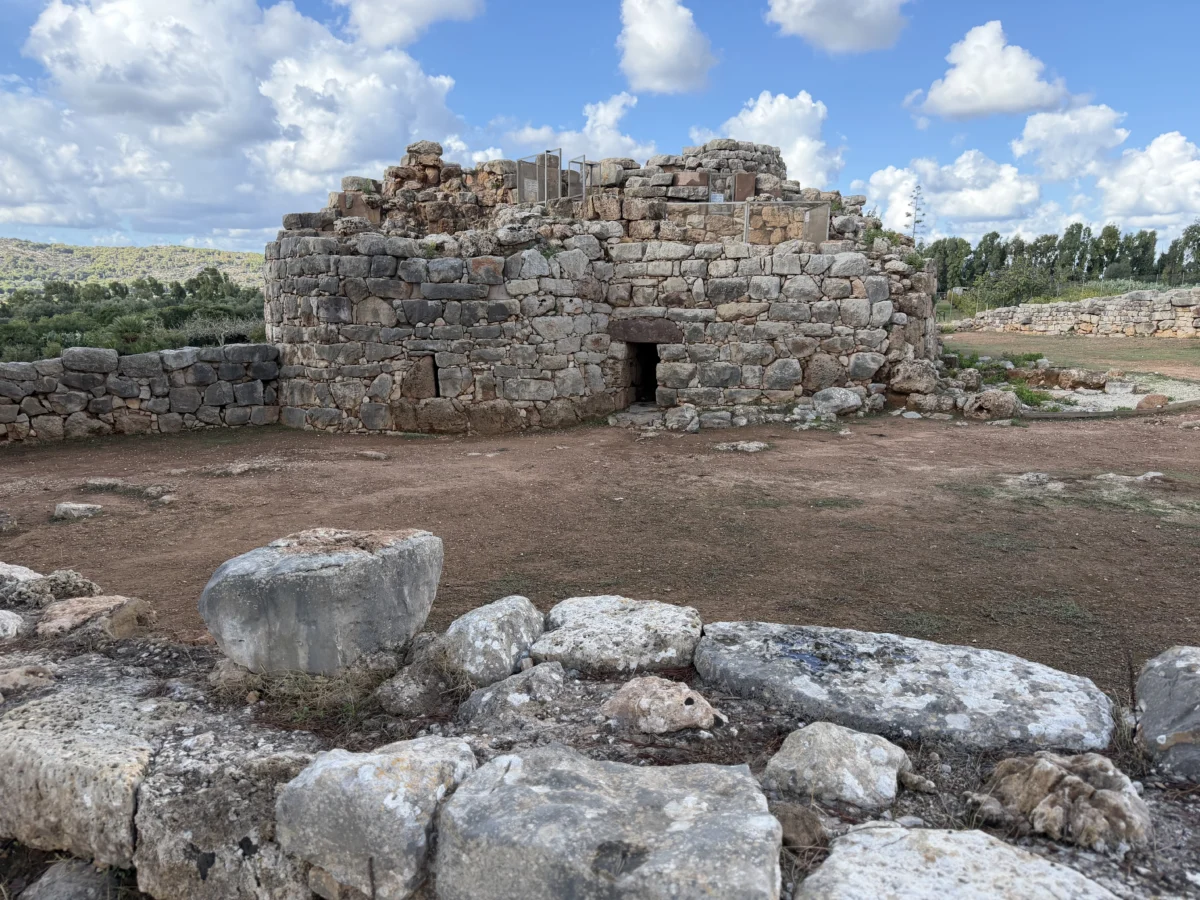
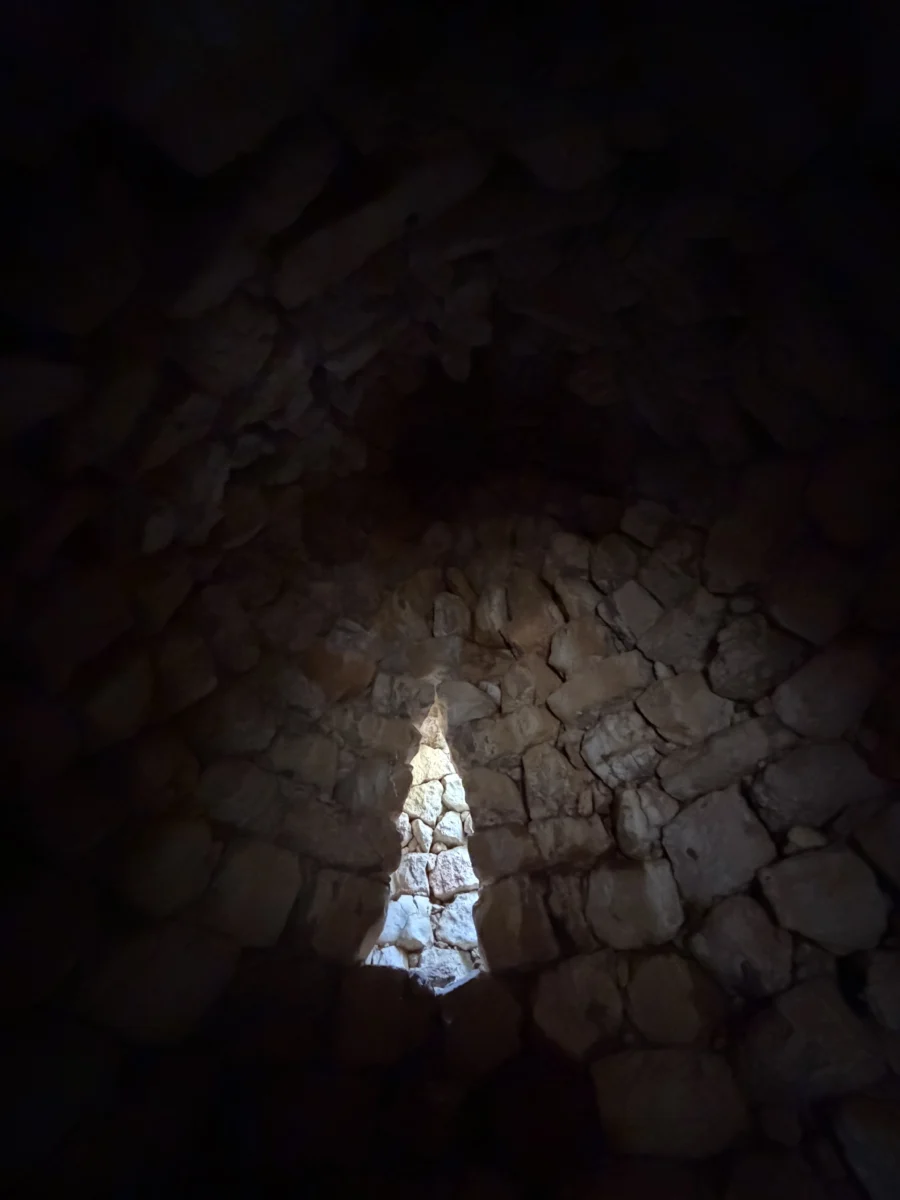
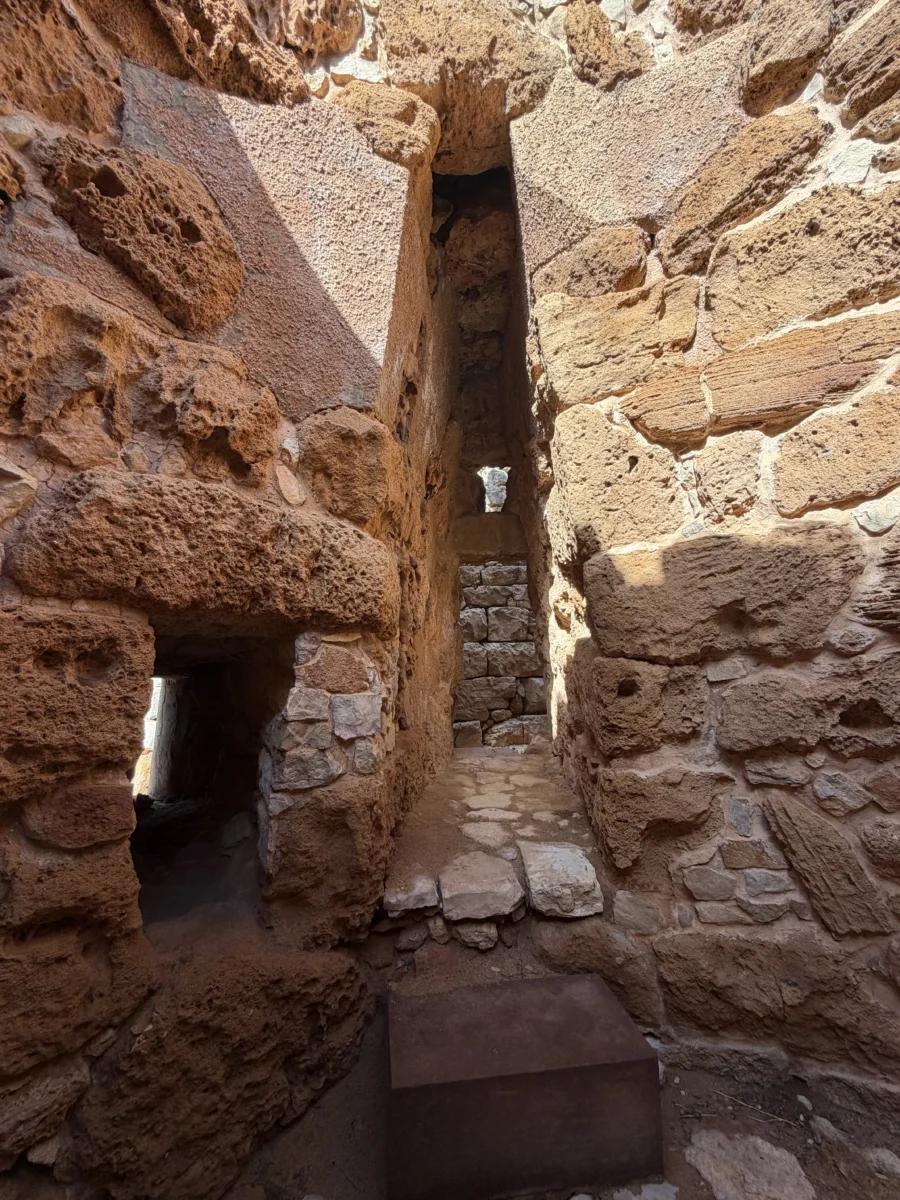
Somehow “simple old stone buildings” doesn’t sound exciting, but when you consider their complexity and their age it is truly fascinating. We were drawn in more than we expected to be.
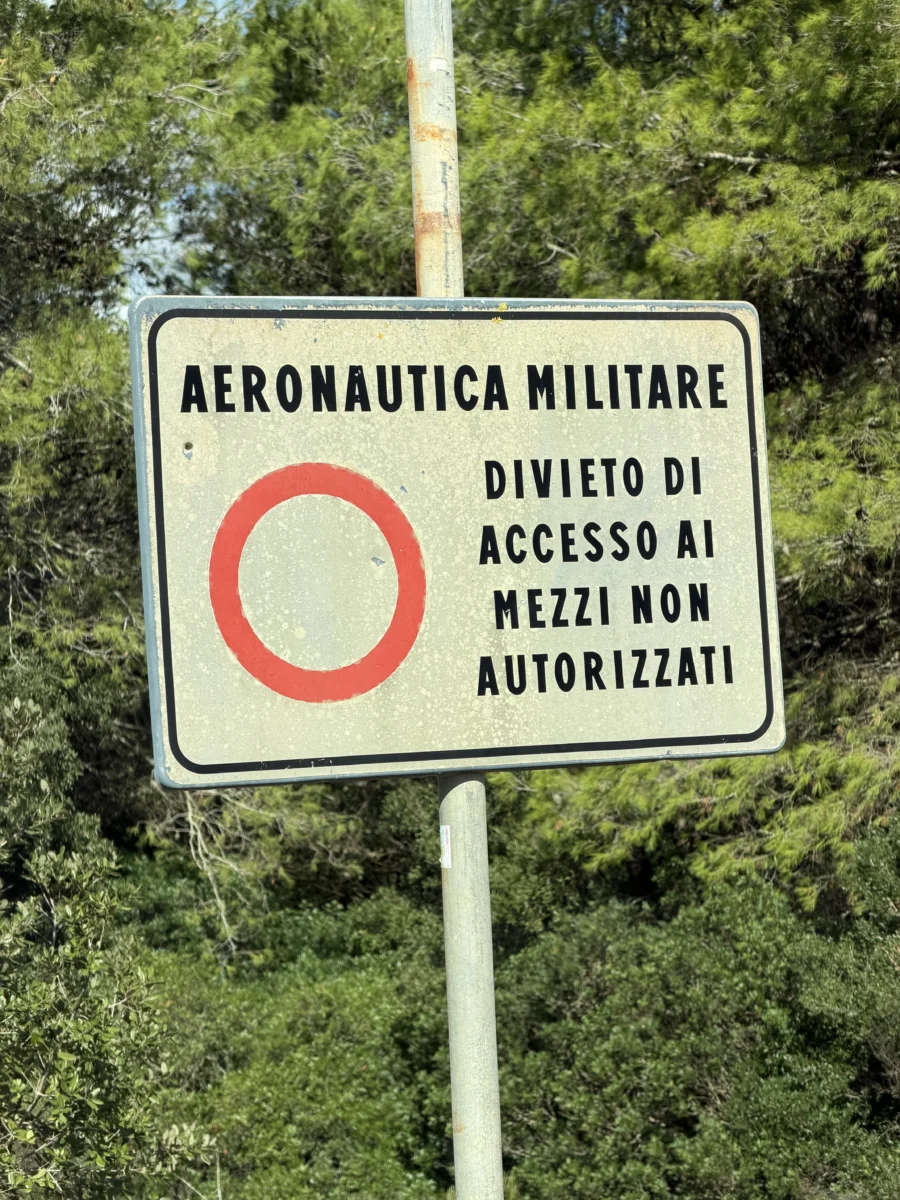
We tried to hike up Mount Doglia nearby Nuraghe Parmavera, but discovered after driving a long narrow road that it is.. strictly restricted to authorized vehicles by the Italian Air Force. Oops.
Also not far from the Sella & Mosca estate we found a restaurant that really blew us away, Sa Mandra. I find myself searching using AI more often because I can add nuance, and for restaurants I often use a prompt something like “What are the best restaurants within 30 minutes of Sella & Mosca, Alghero that emphasize local ingredients and creative dishes? We like good flavors over fancy”. Sa Mandra topped the list, and considering that a few other couples we ran into had been there and loved it too I’d say AI did a good thing 😉.
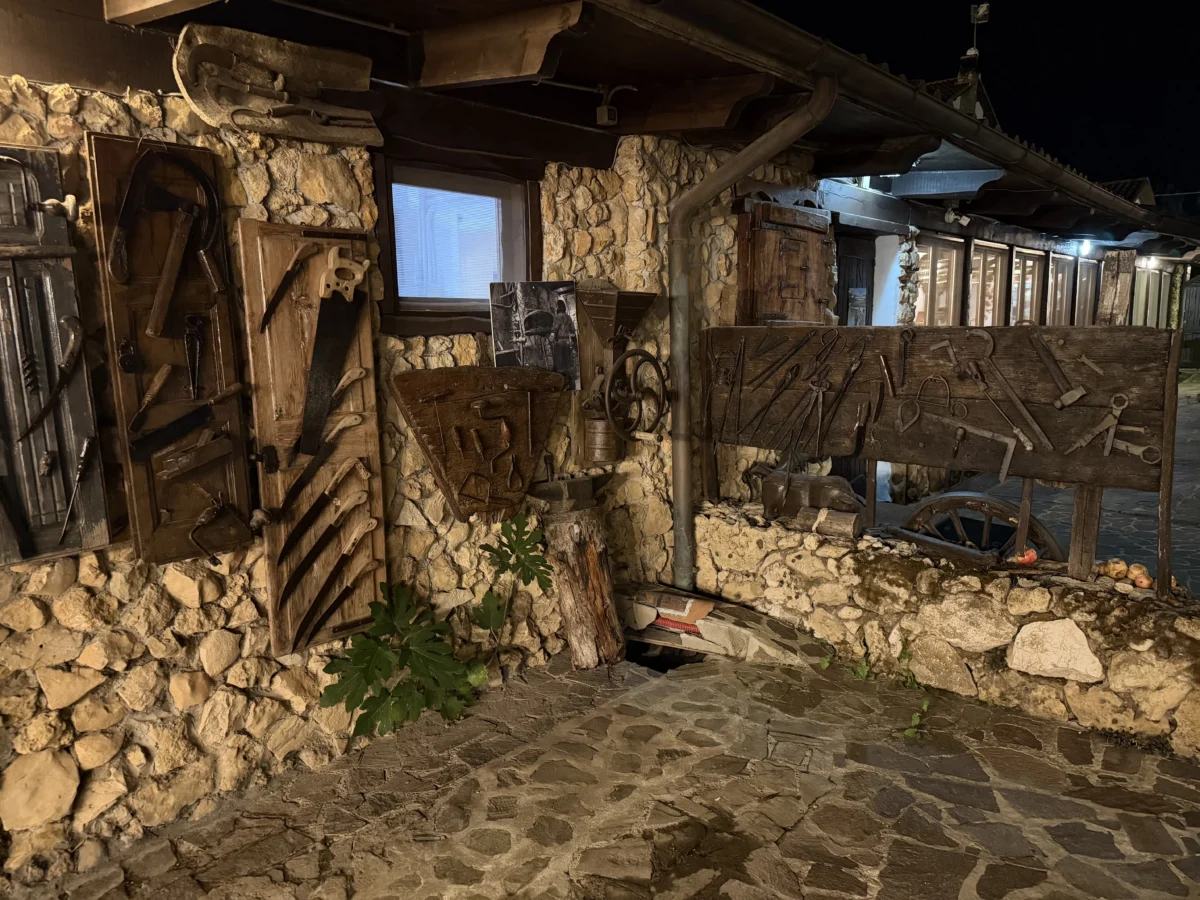
Upon arriving we were a little unsure where to go since there is a sizable cluster of buildings all lit up. We worked our way through taking pictures.
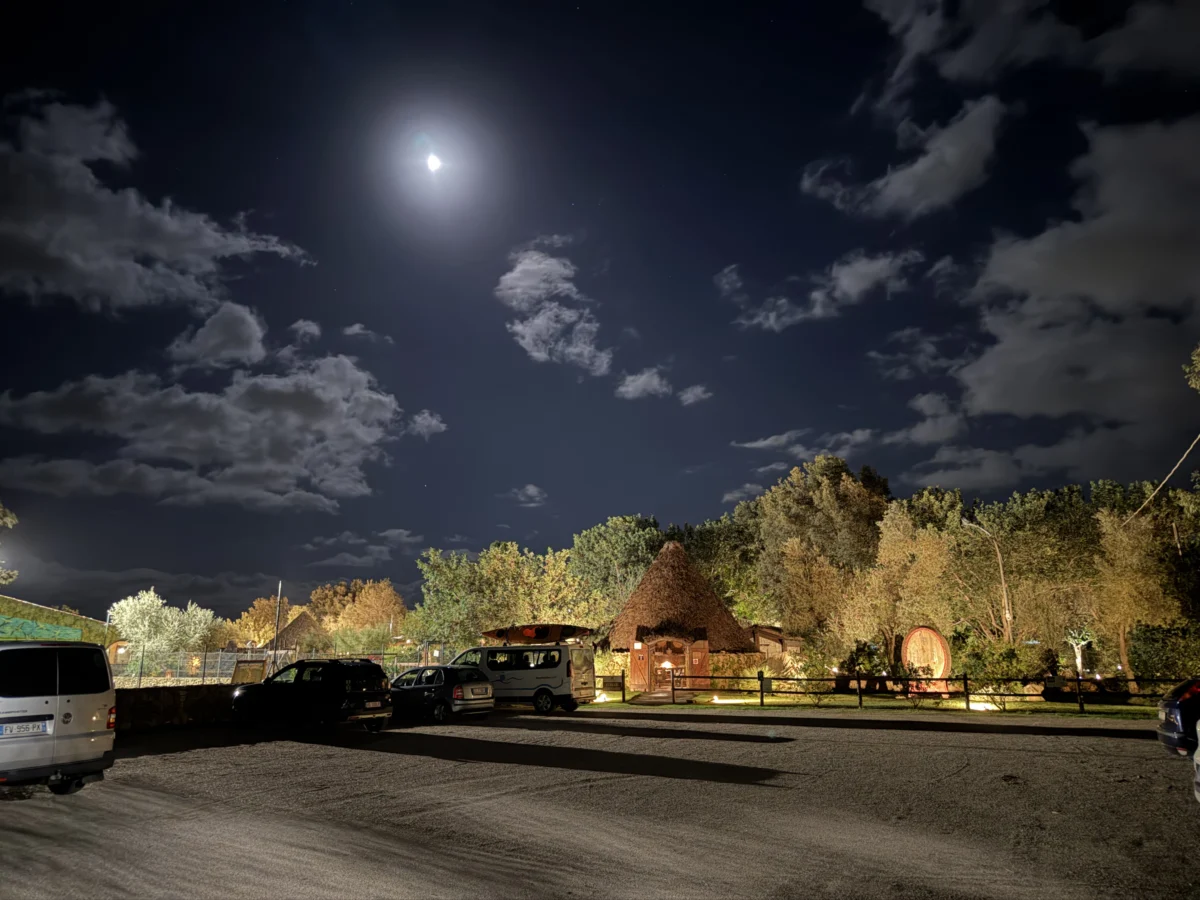
We found a desk and a nice lady welcomed us and brought us to our table, then said that the chef was out back roasting suckling pigs so we could wander around for a while and watch him if we wanted. It was immediately a more interesting and engaging venue than the average restaurant!
It’s like living in an old-timey museum or something? Super clean and well-presented (ok so not really old-timey!), but respectful and not overtly trying to sell us something.
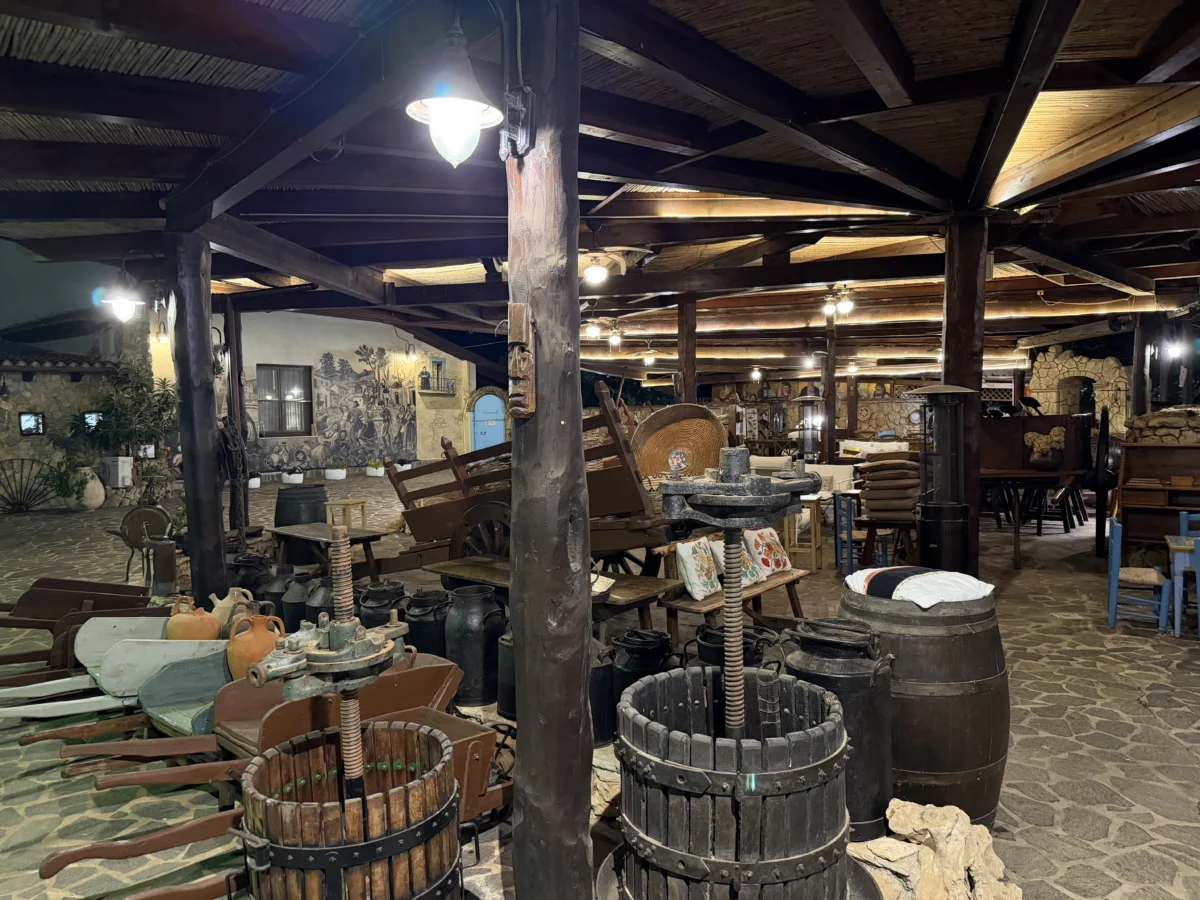
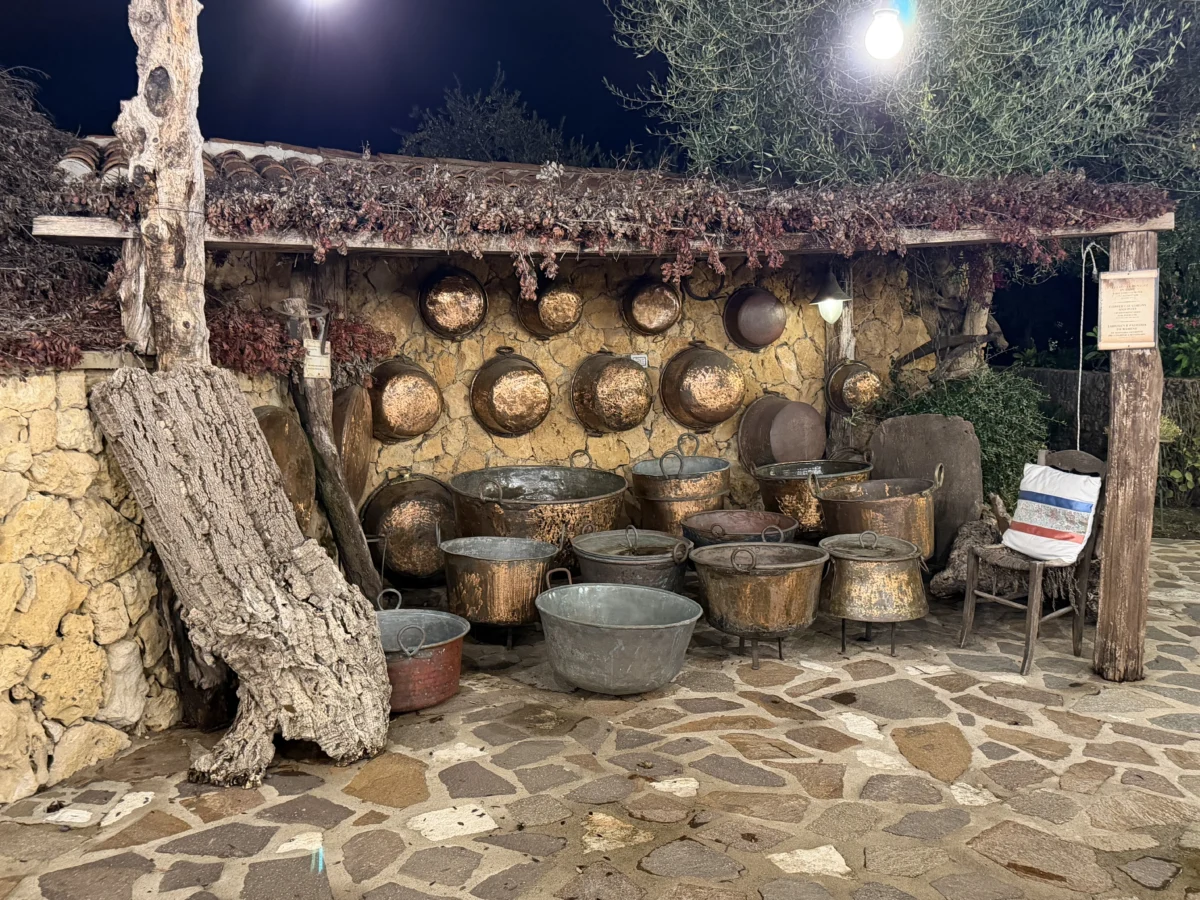
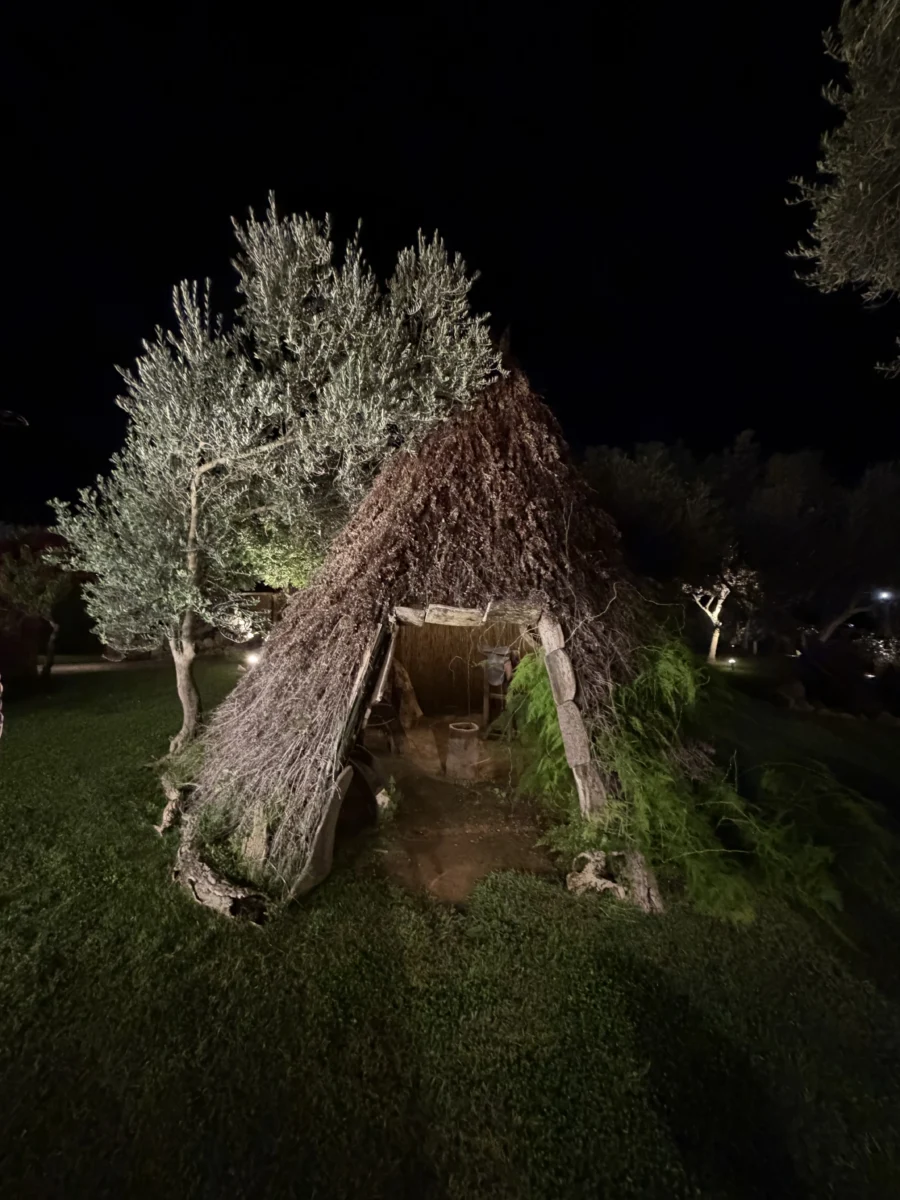
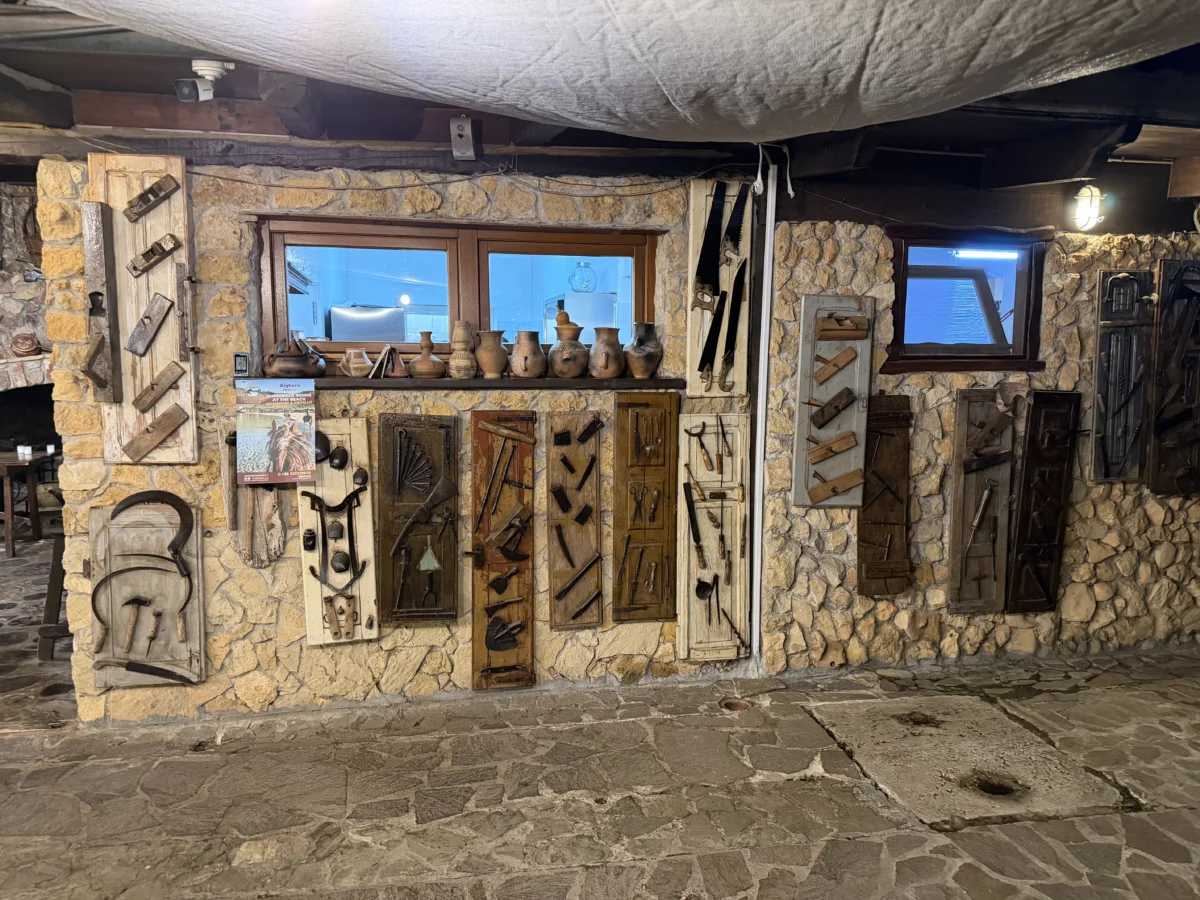
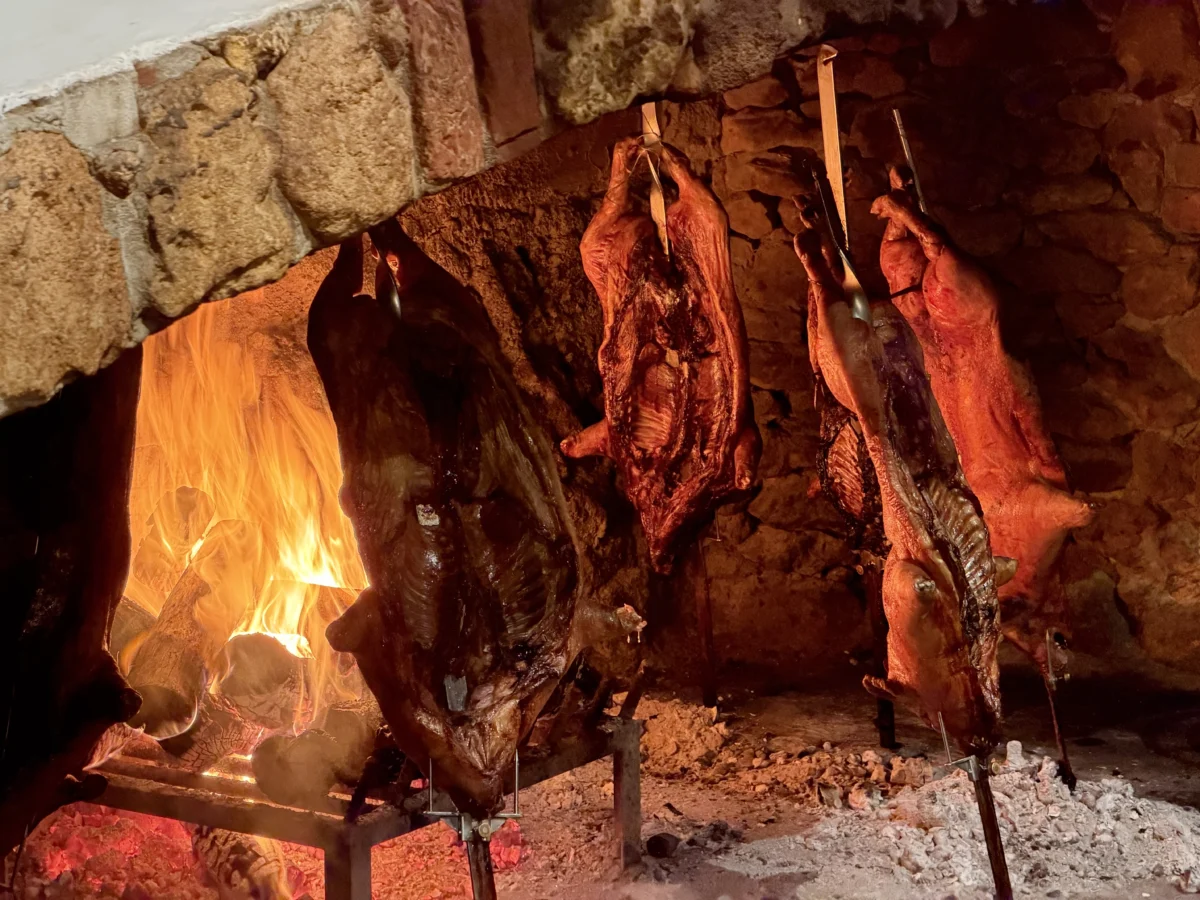
As promised, we found the suckling pigs roasting over an open fire.
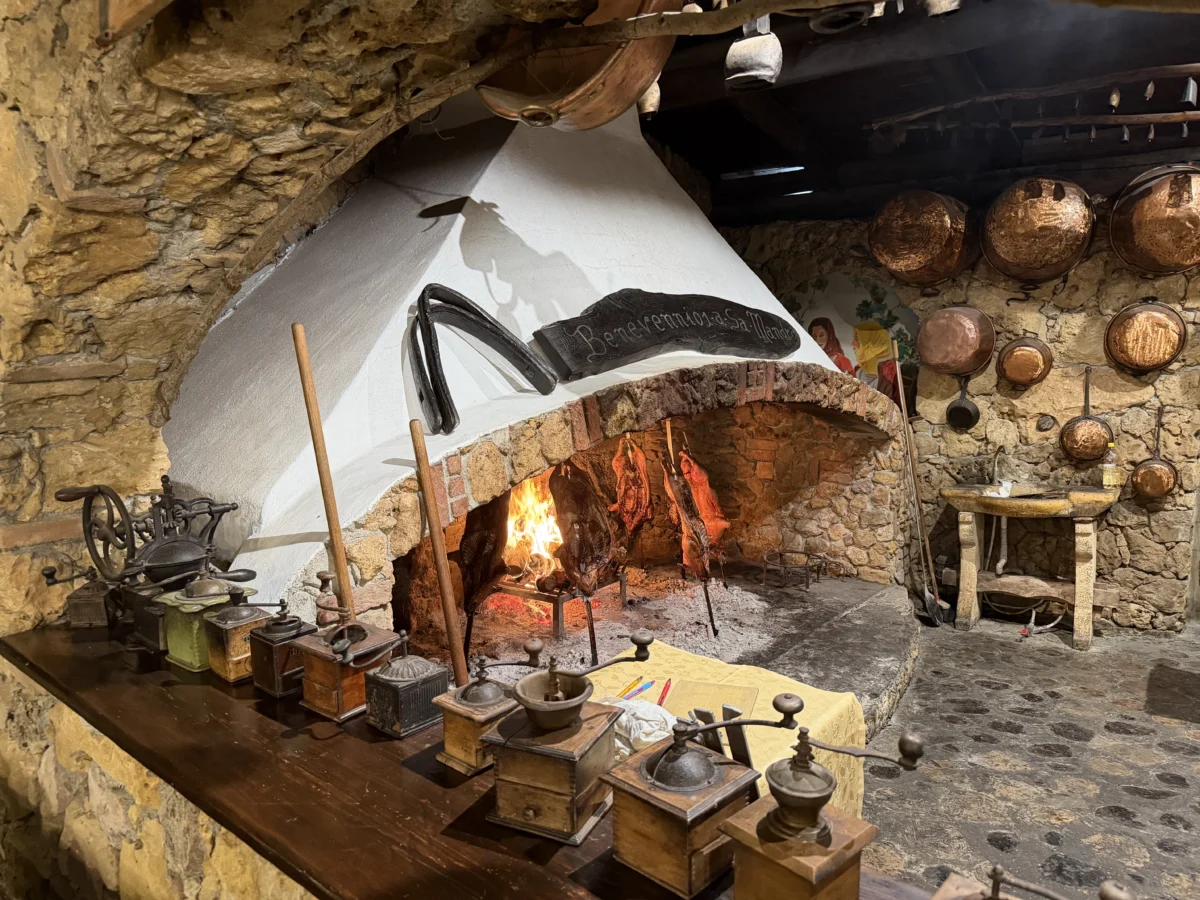
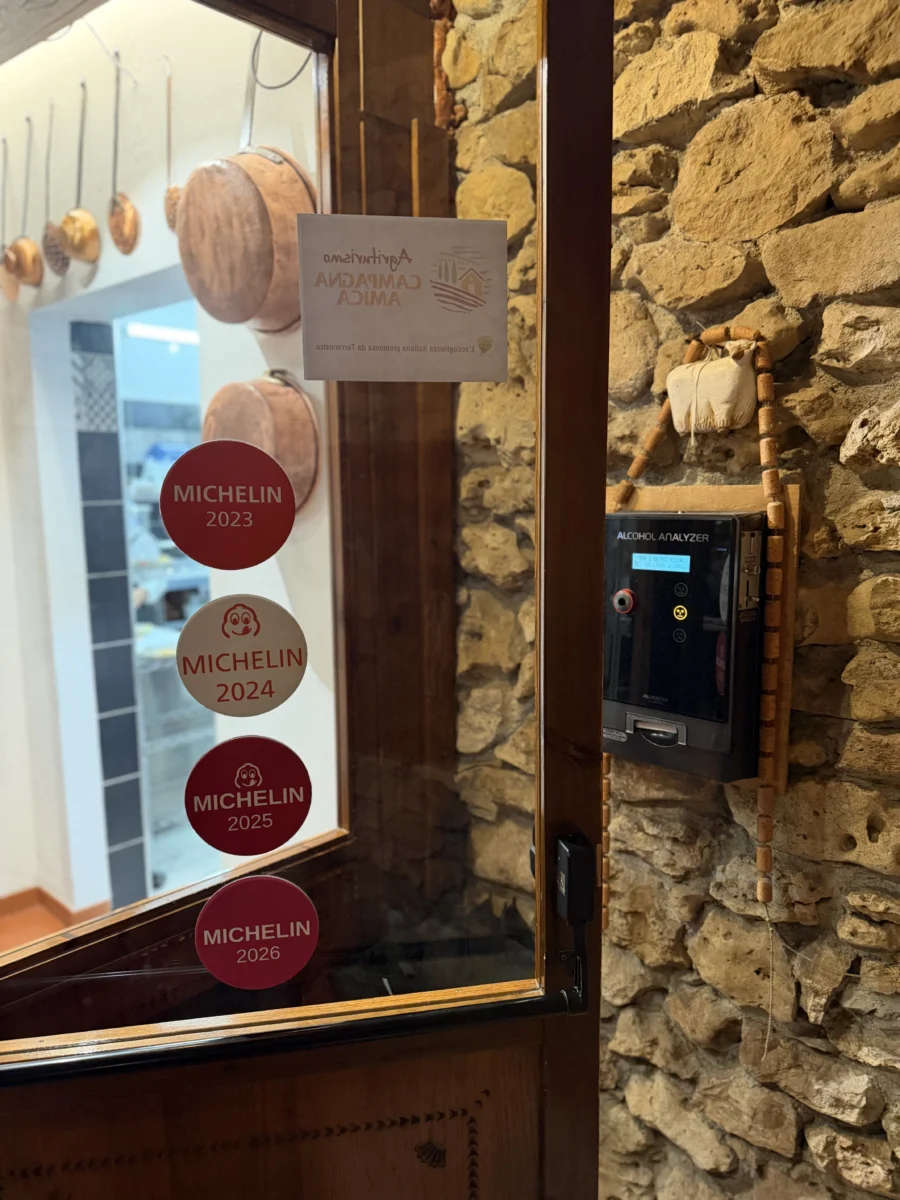
We returned to our table, excited at the possibilities given the obvious commitment to authenticity. The wait staff (there were several all working together) emphasized that everything we’d eat was made on the premises, down to the smallest condiments. After the initial info session they introduced the menu, which was delightfully simple- there are a ton of different dishes and you get them all. No choices unless you have a specific issue. We read through and.. didn’t have any concerns! It was right after this that we noticed this at the entrance. I guess they have been noticed by others as well..
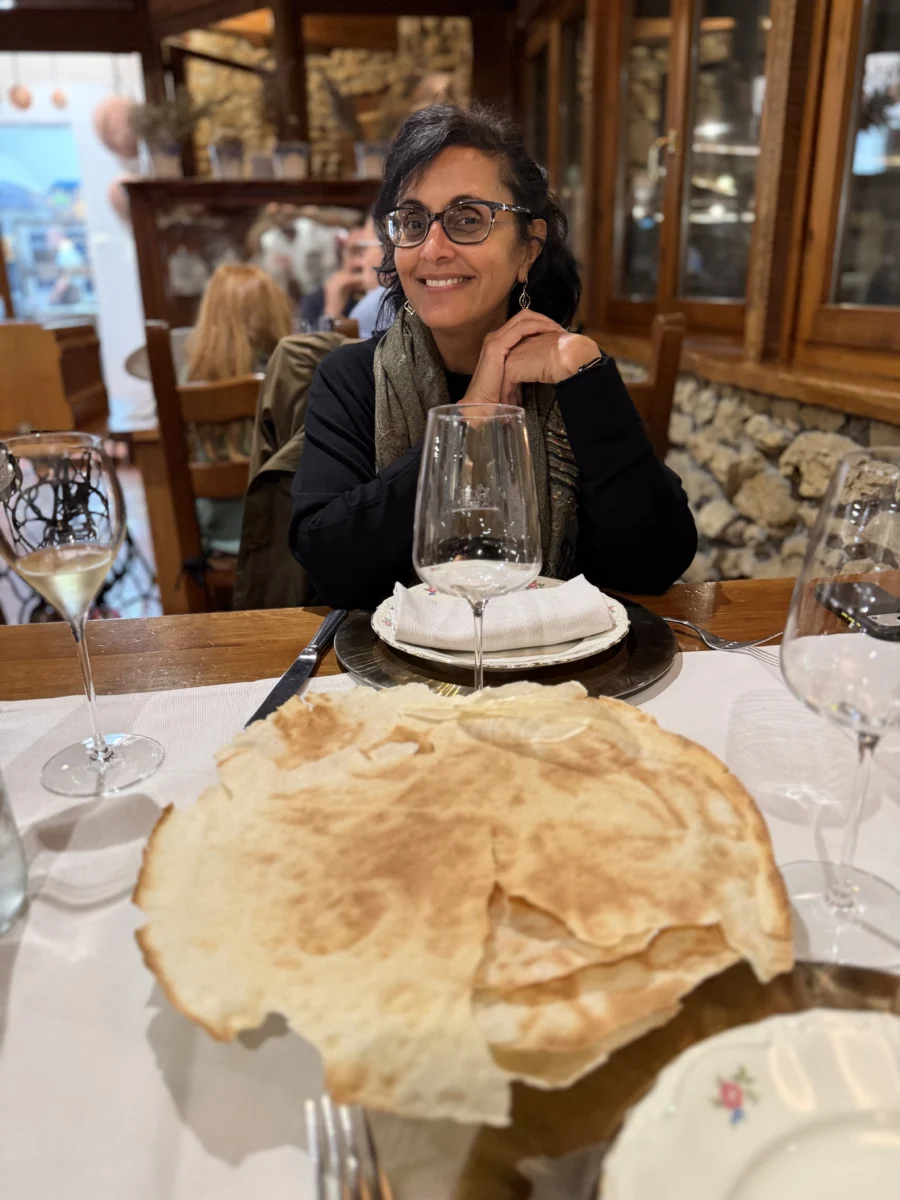
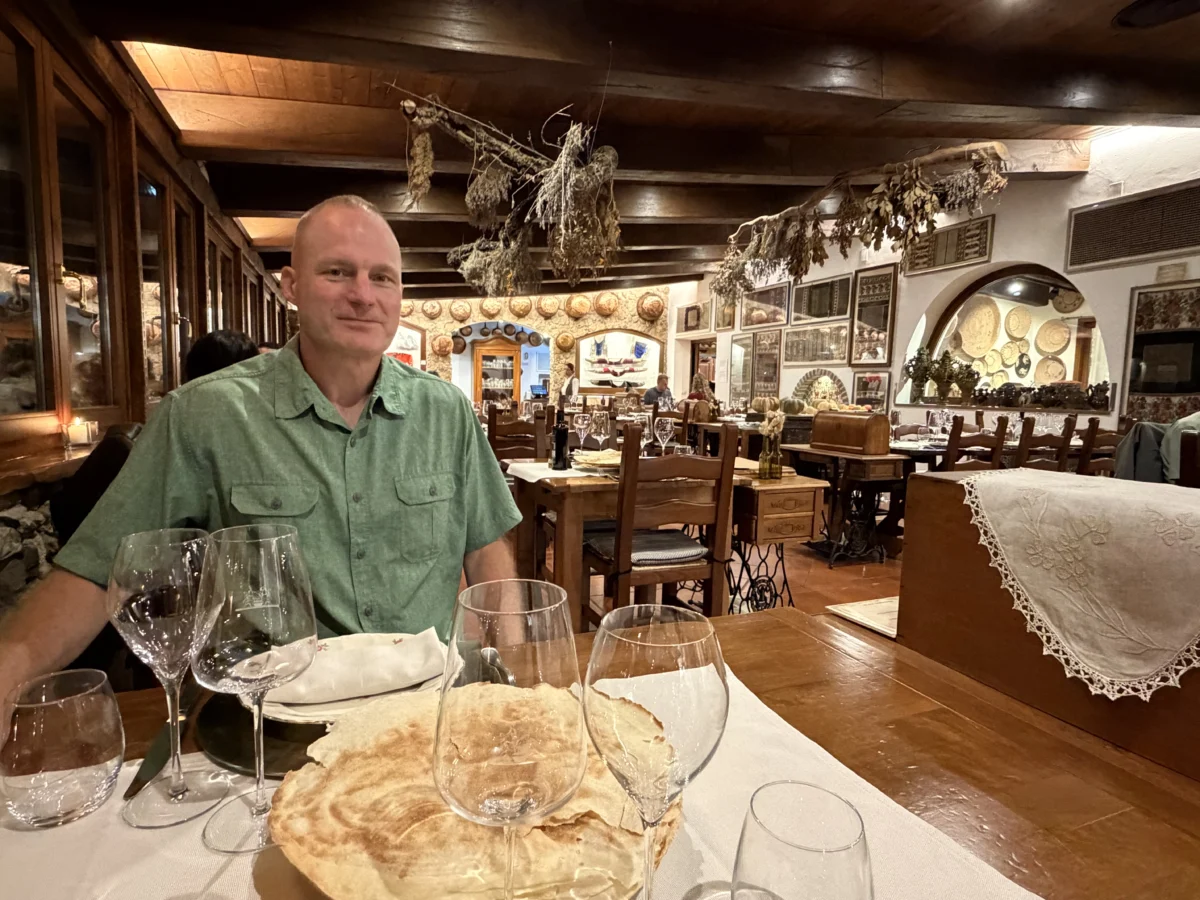
The food started coming out fast, presumably since they know that pretty much everybody in the room (and it turns out, in separate parties across several buildings) was eating the same set menu. The variety was impressive, and especially so when you consider that they made each and every bit of it.
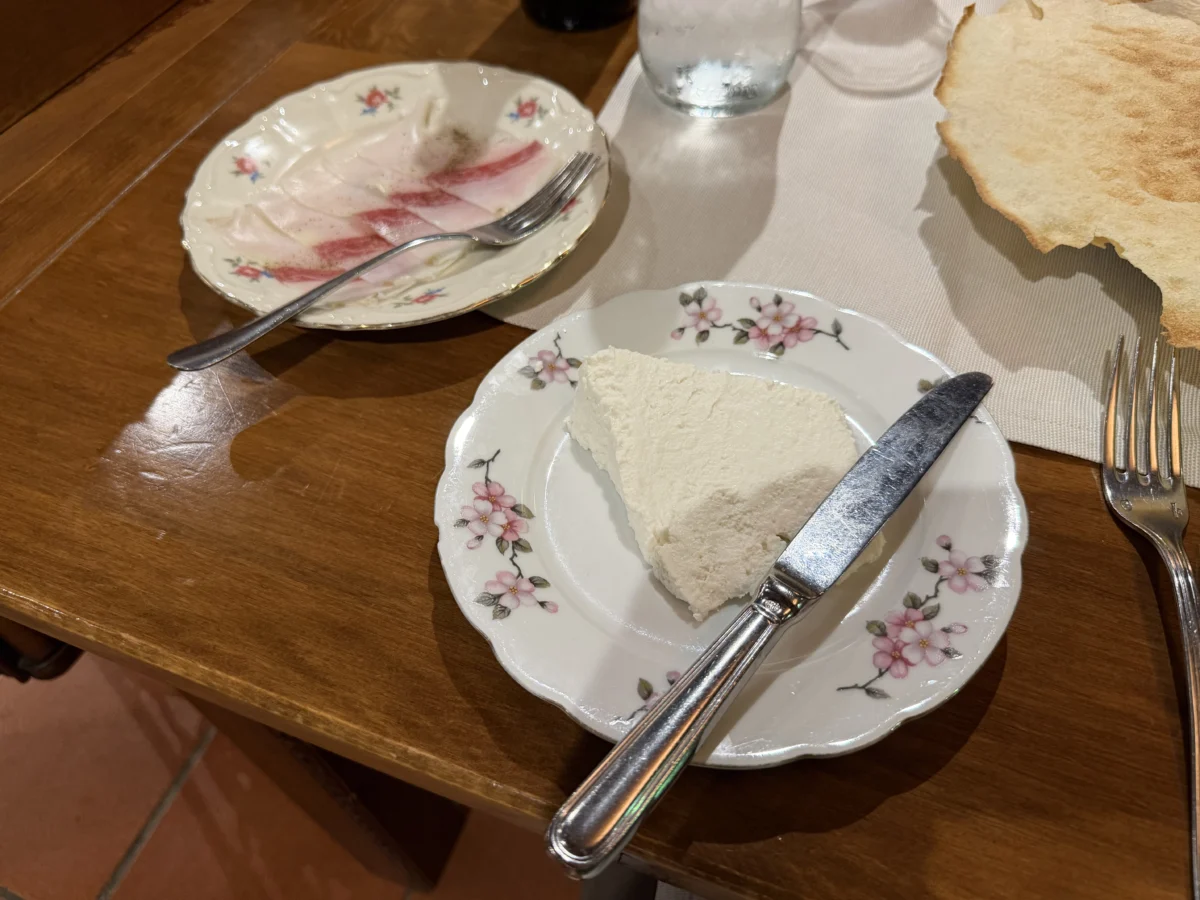
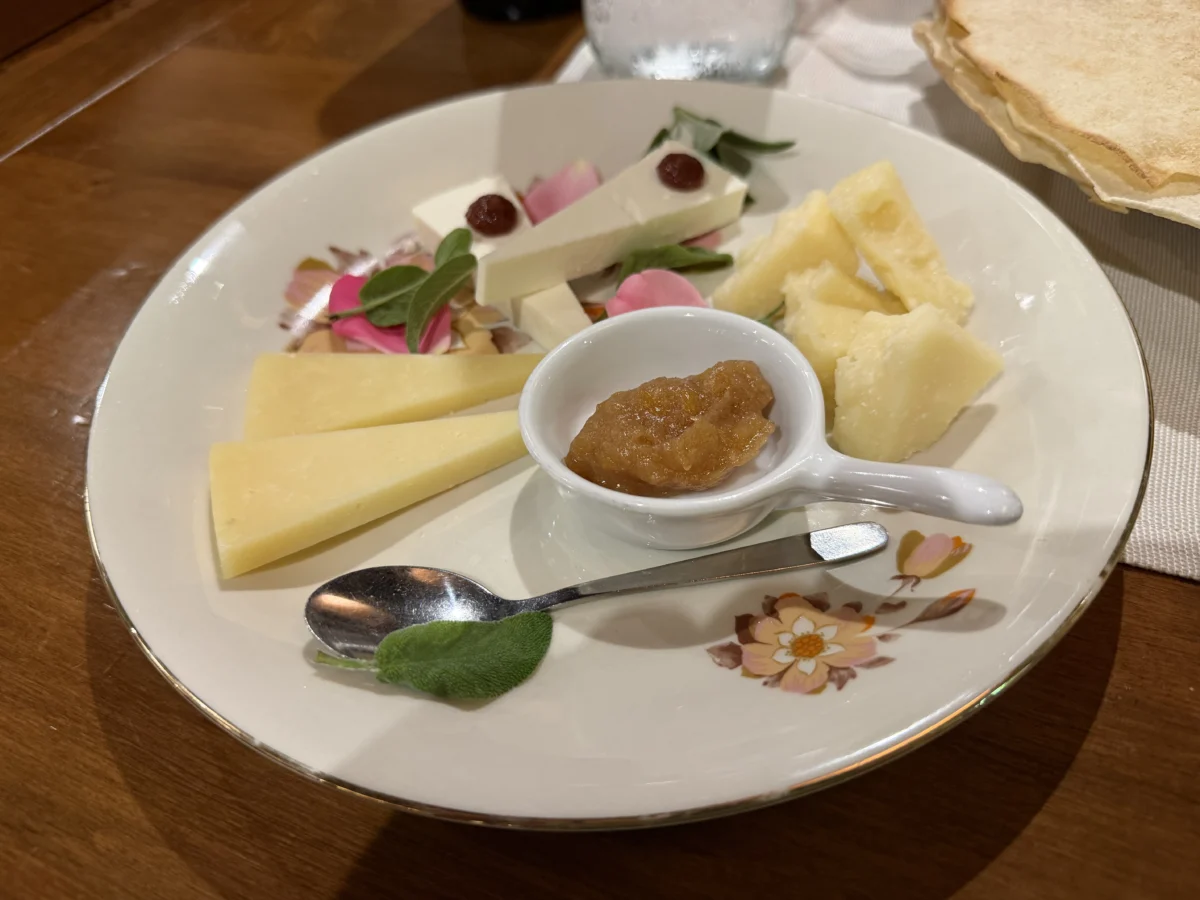
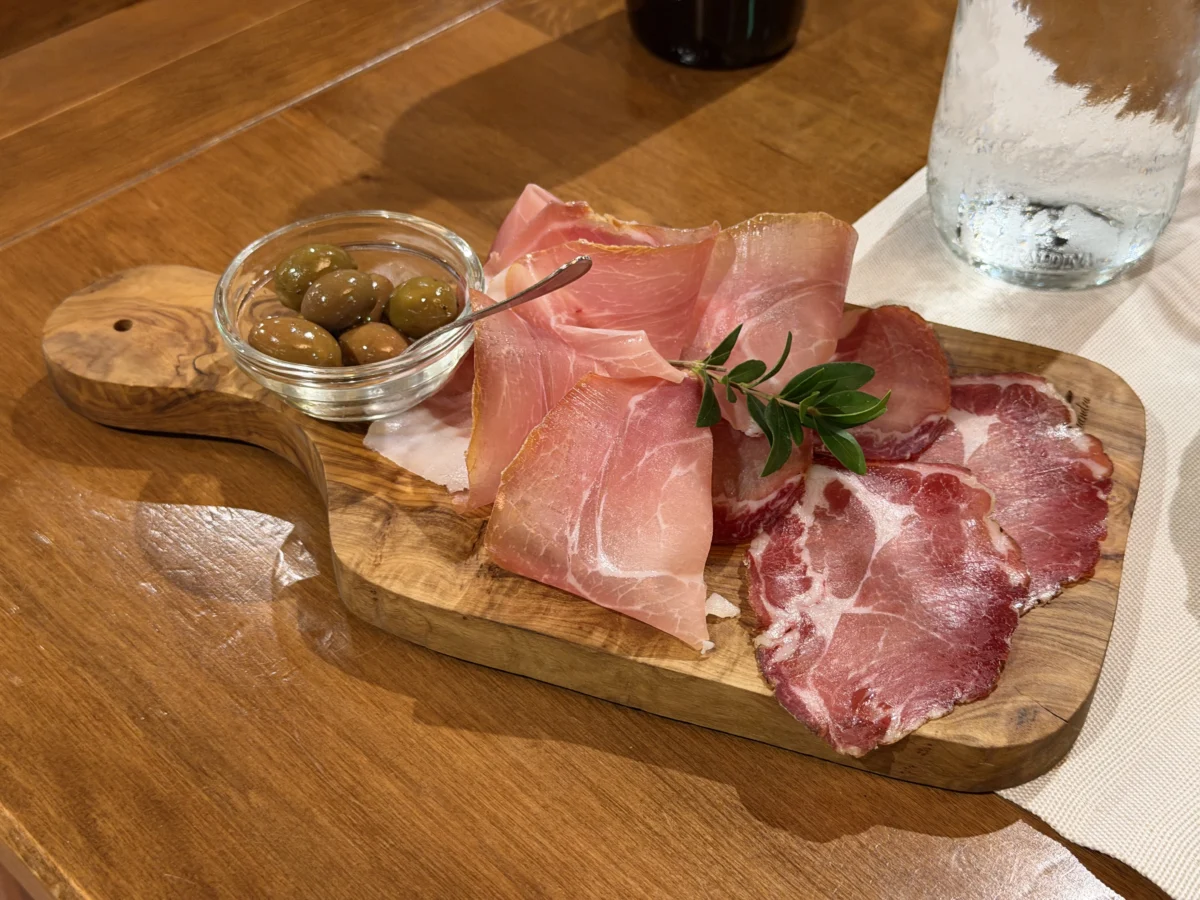
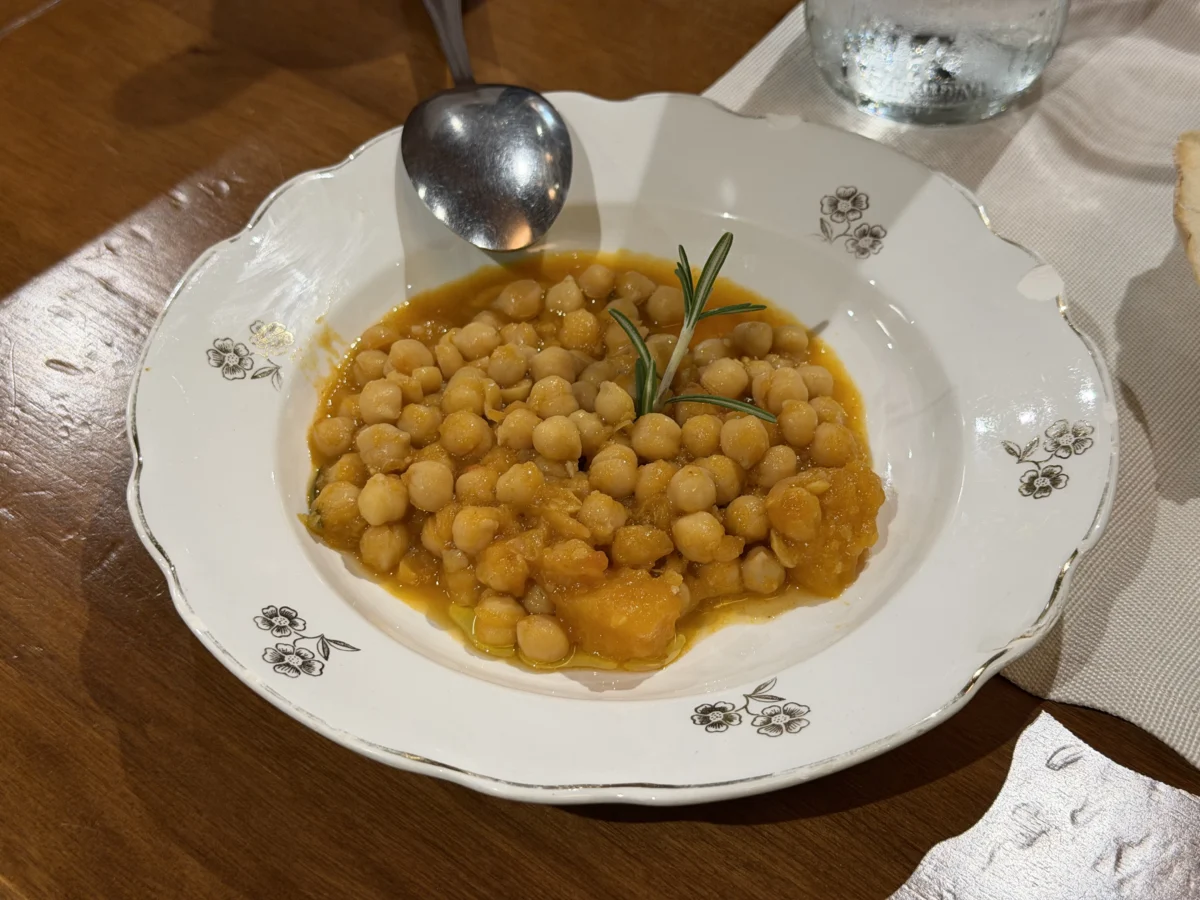
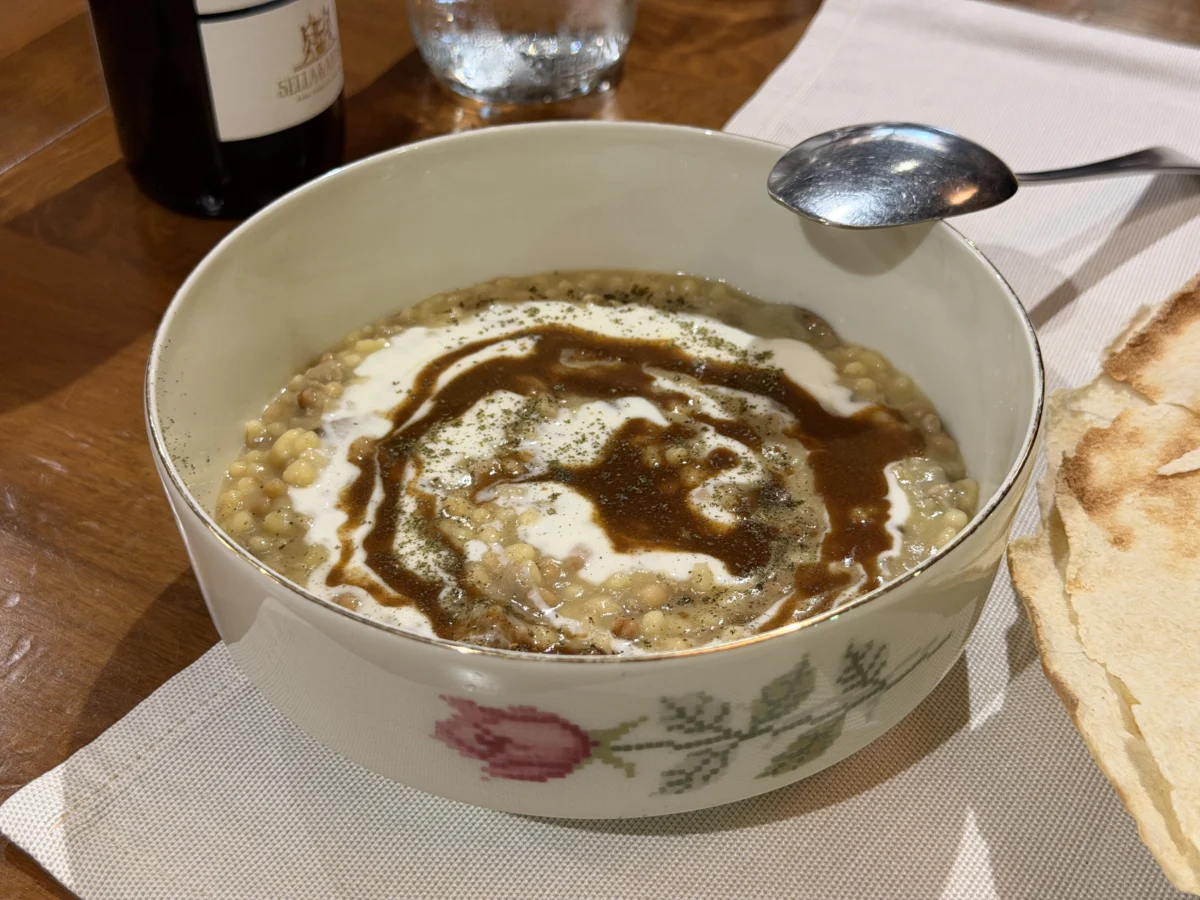
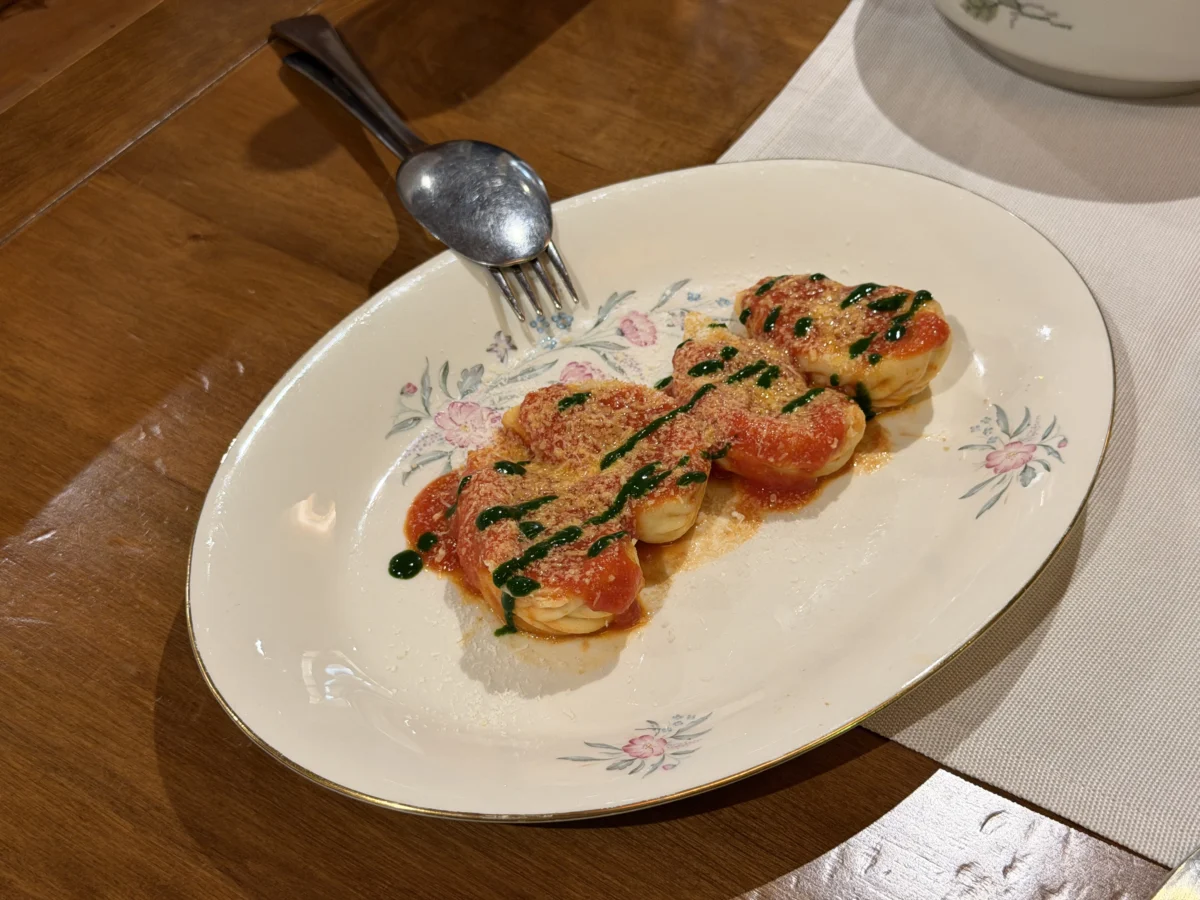
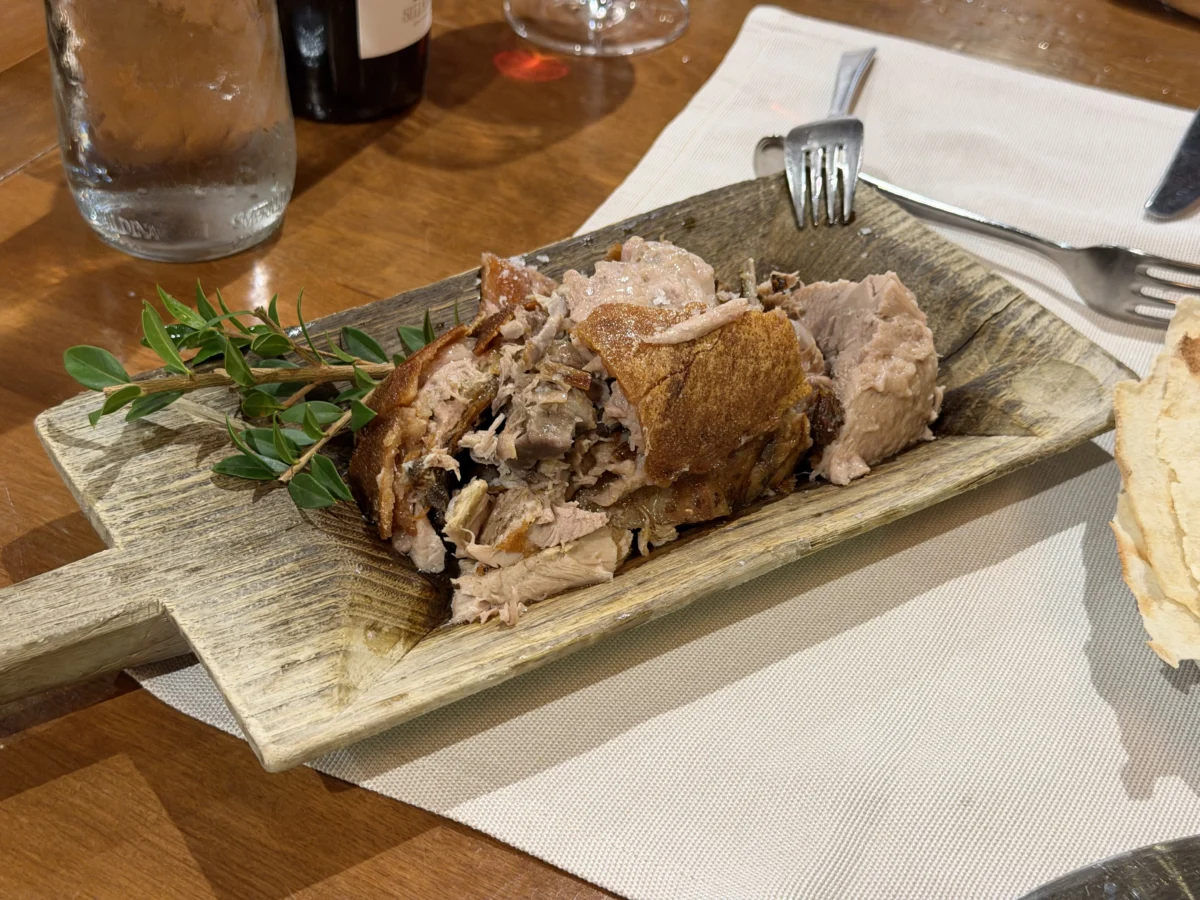
The suckling pig was exceptional. The meat was moist and tasty and the skin was like a crispy sheet of bacon. I’m getting emotional just remembering it…
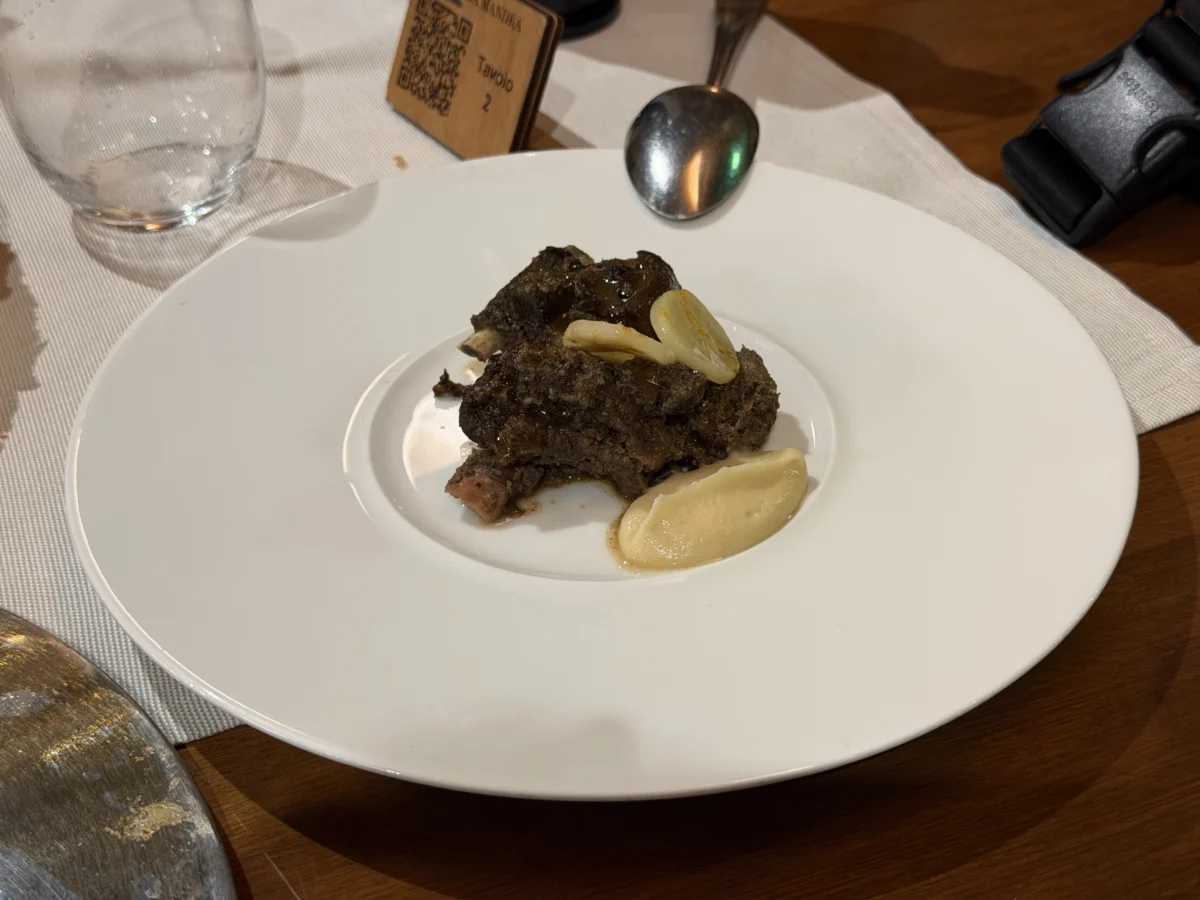
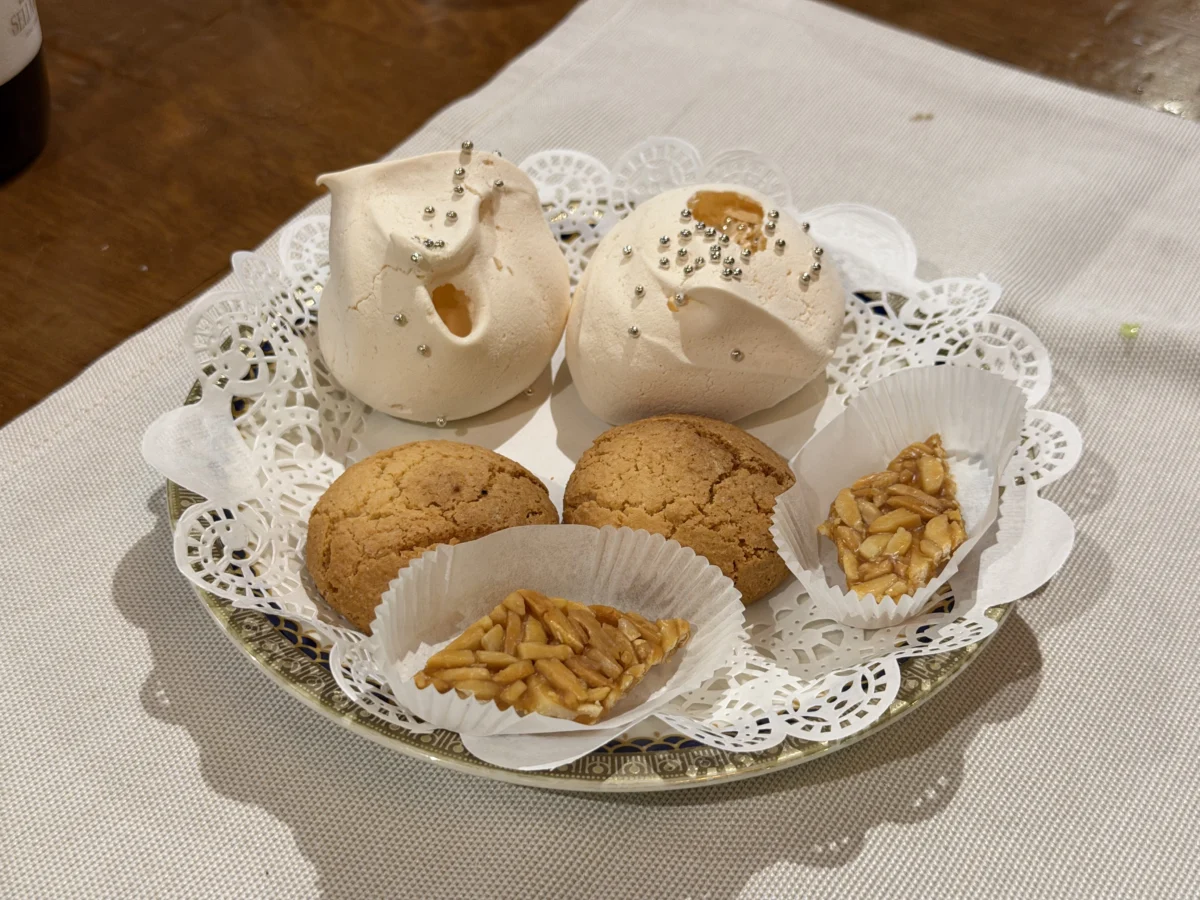
It’s hard to track everything and I also want to point out how considerate they are with allergens so here’s the menu! We found this attention to allergens across Sardinia. Although we are not allergic or sensitive to anything, their transparency and insights were appreciated.
After every course they asked if we wanted any more of anything, whether or not we had finished the portions they’d given us. I felt bad that I couldn’t cram any more in..
As you enter more suburban Alghero from the north where Sella & Mosca is, you pass Accademia Olearia, the leading producer of certified Sardinia DOP (Protected Designation of Origin) olive oil. We signed up for a tour and tasting!
Before diving into the olive oil experience, I have to comment on finding this place. We navigated to the address listed in the confirmation email (and website) easily and their name was on the building so we knew we were in the right place.. but were we?
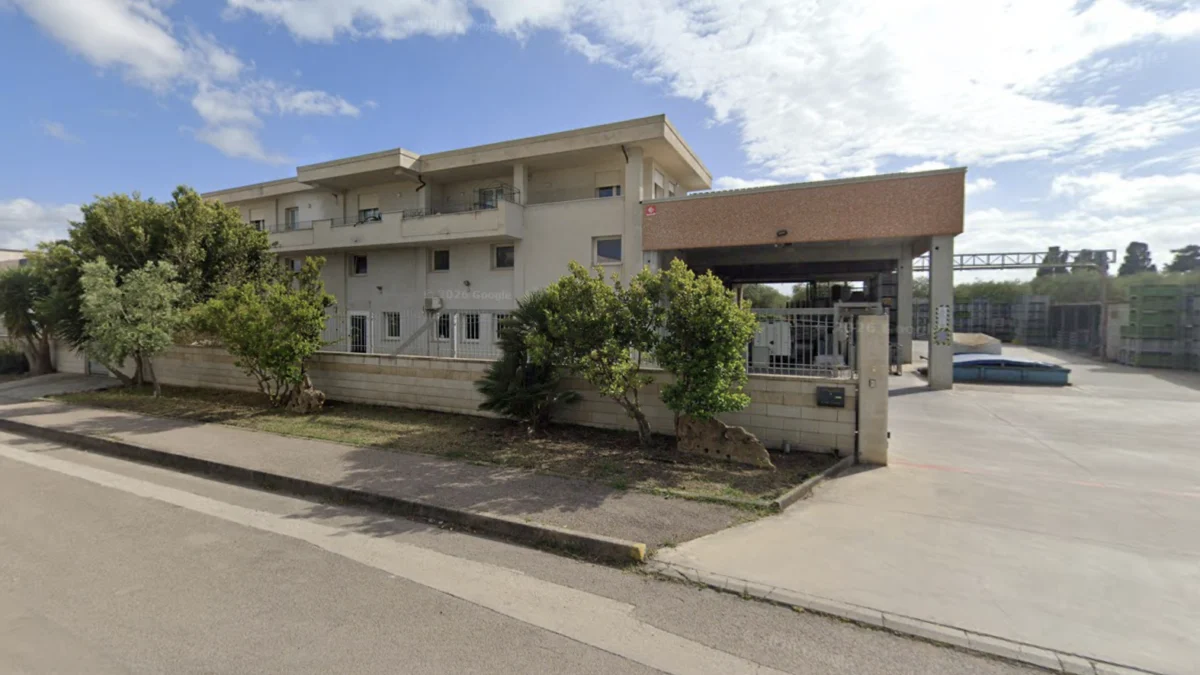
The olive oil tasting confirmation email said we were confirmed for a wine tasting at the winery.. and Accademia Olearia actually does make some wine somewhere, so that was concerning. There were no signs of tastings, not even an obvious parking lot for customers. We approached some of the workers and none of them spoke English but one nice gentleman seemed to understand our plight (guessing we weren’t the first lost souls!) and walked us to a door on the side. Inside a lady who also didn’t speak English (in general this makes sense in Sardinia, but this was a tasting for English-speakers) brought us in and helped look for somebody else. Finally she found Erica, our guide and host. Erica brought us upstairs through a small retail shelving area and into what I’d describe as a.. functional conference room for a small business. Very very different vibe than the wine tasting crowd! But.. real and consistent with their story. Oh and Erica was very nice and knowledgeable! We really appreciated her patience and guidance.
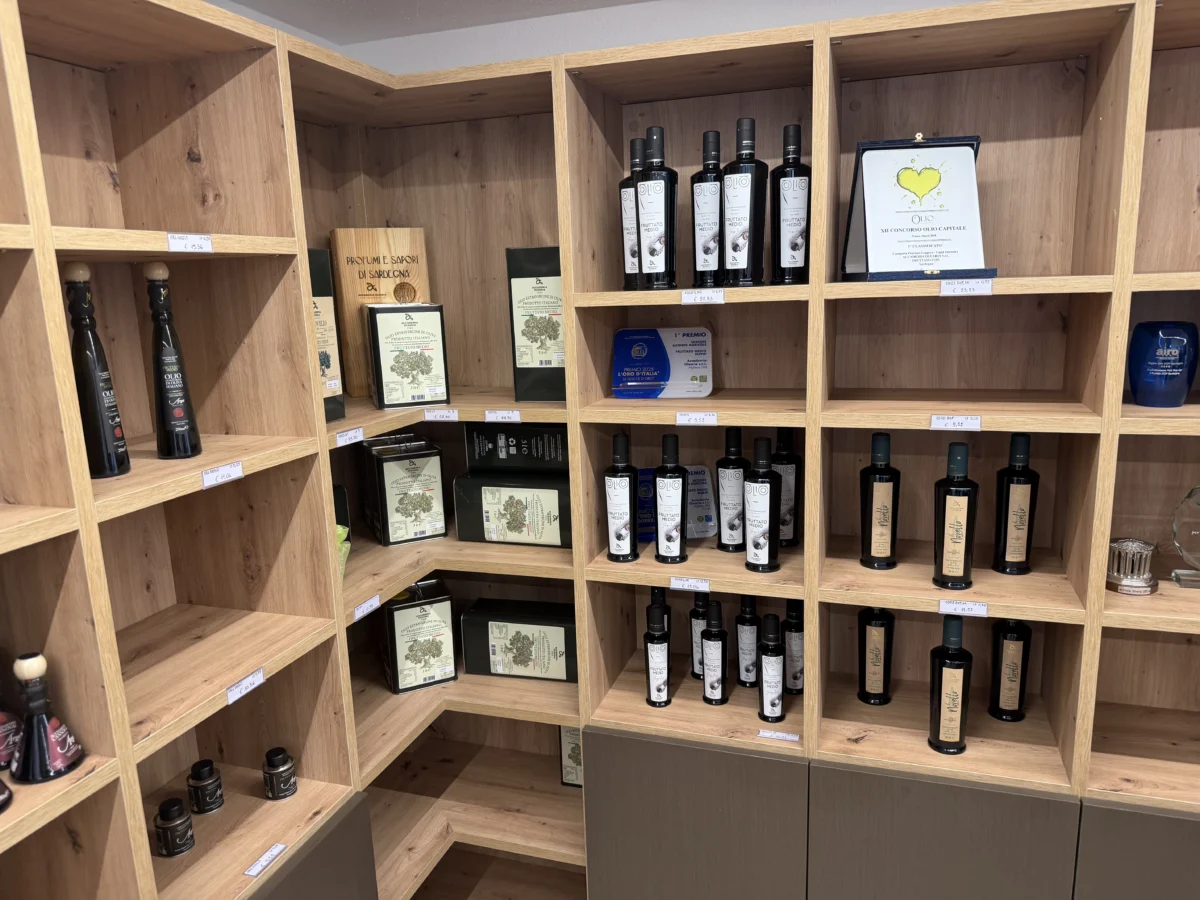
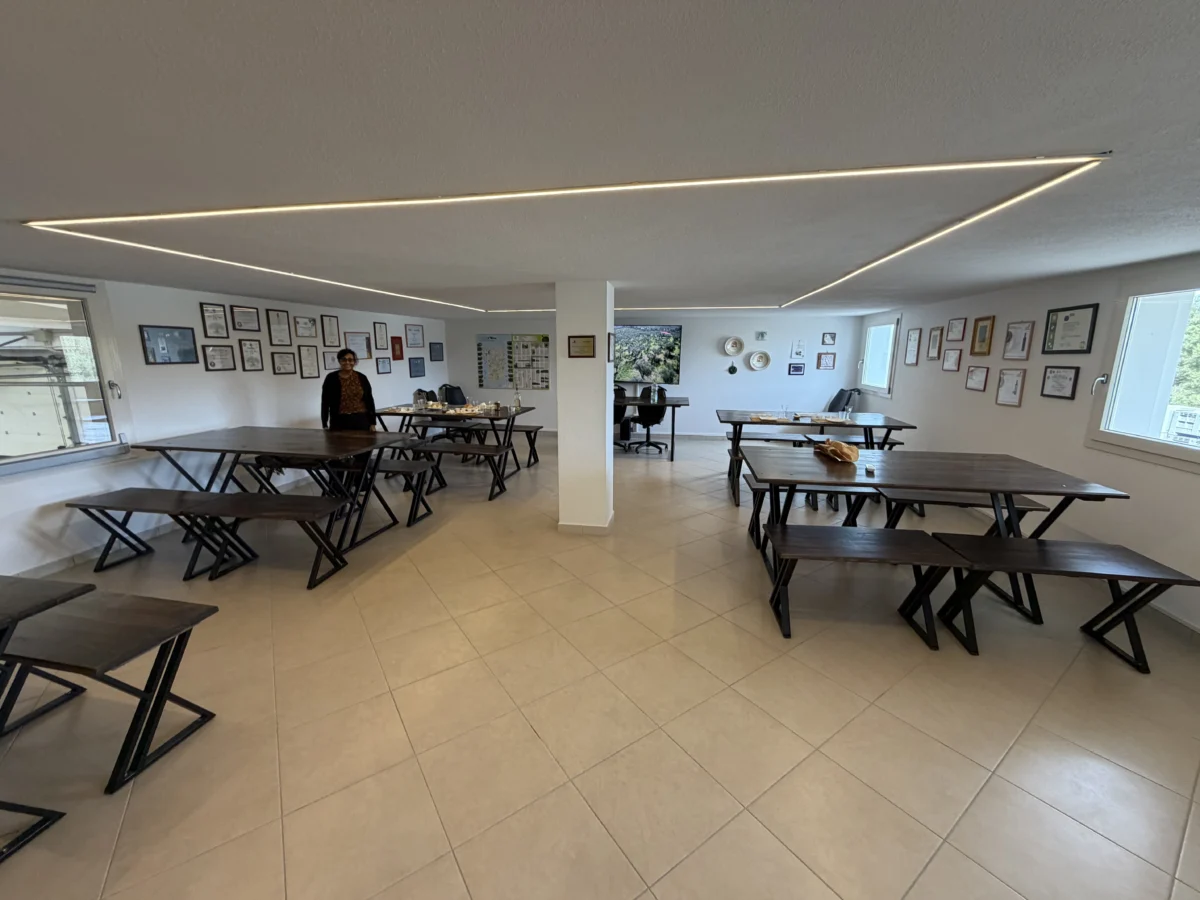
Erica walked us and a nice couple from Vancouver through the history of the company. She went over the process of growing olive trees, picking the olives, and pressing them into oil. Some highlights that really stood out:
- The olives are always processed within 24 hours of picking to ensure top quality.
- The company only has EIGHT employees!! They have automated almost everything and focus their human efforts on quality control and carefully processing especially sensitive trees. The owner was on the work floor with ear protection and safety glasses checking things as we watched.
- They actually process local private olive tree owners’ olives for a fee.
- All olive pits are dried and burned to provide energy to the production facility!
Production was actually down during most of the class, but it was up at the end so we got to see the machinery whirring away through a viewing window.
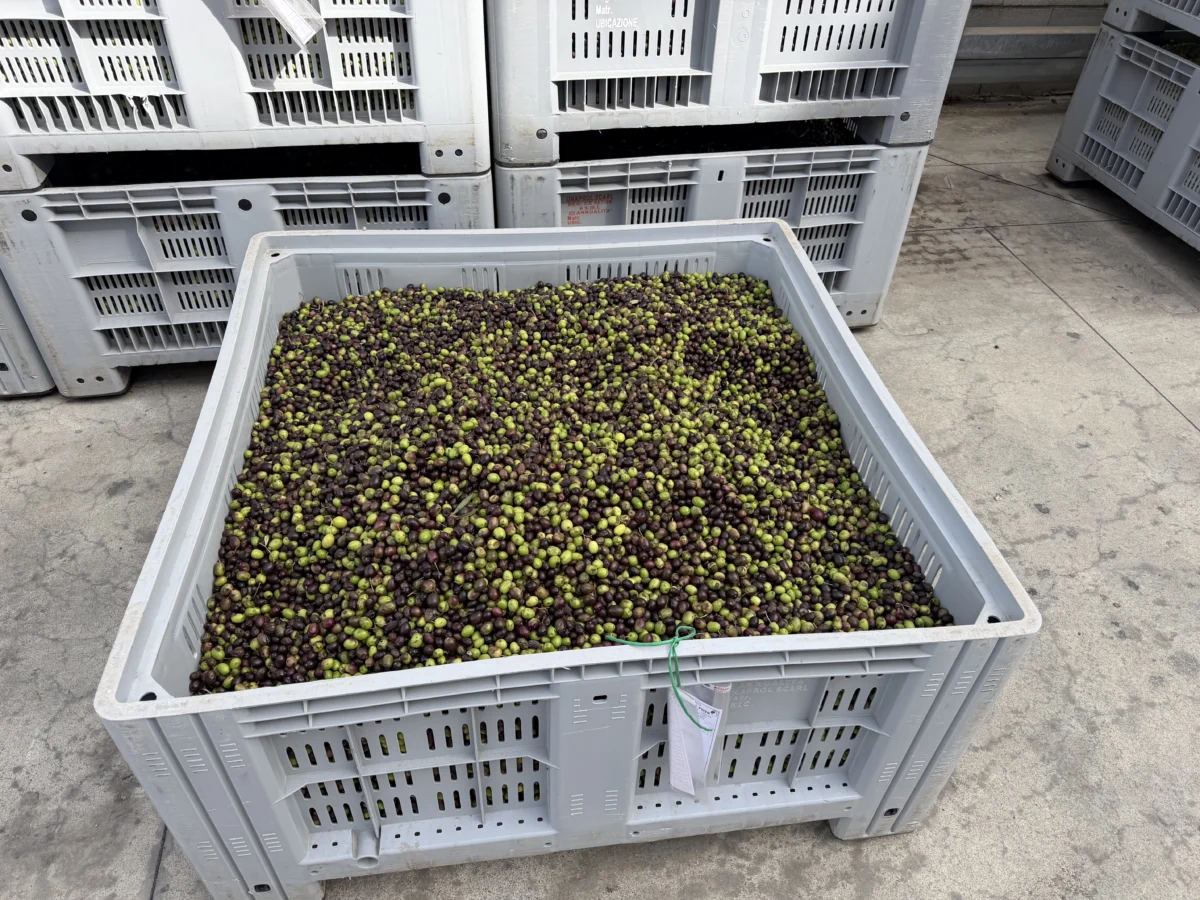
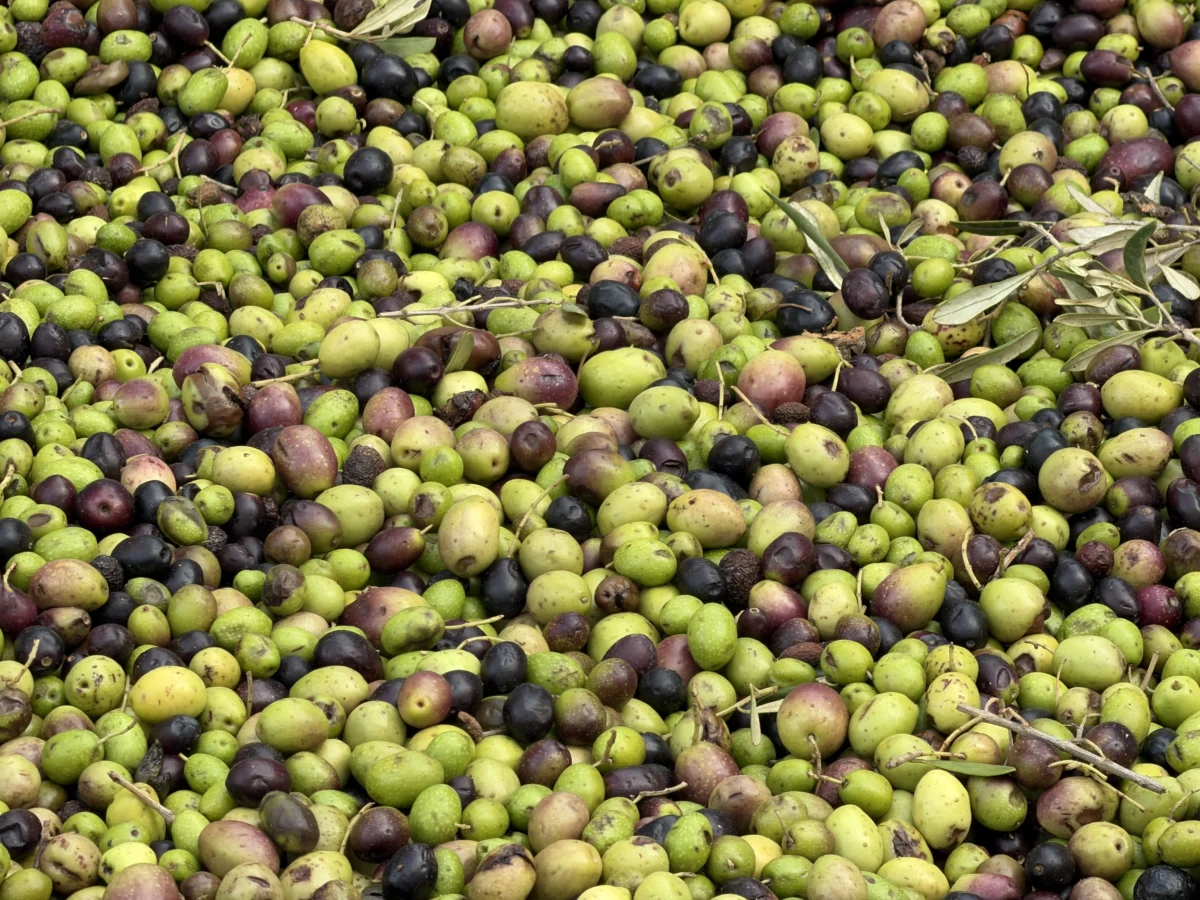
We tasted several types of olive oil, pure Bosana olives (their signature and strongest young green olives) and some blends. Somehow despite a lifetime of having olive oil in numerous forms I was still really struck by how spicy the oil is! We tried retronasal breathing, which increases the flavor and tanginess even further. I can’t believe we neglected to take a picture of the tasting cups but.. I can tell you they were just little plastic cups of oil samples!
We also tried their olives and balsamic vinegar, both of which are outstanding. Afterward of course we have seen their products all over Sardinia, and understand that they are available around the world. As mentioned before, they actually produce a limited amount of white wine as well.
We highly recommend this experience!
Along the Alghero beachfront boulevard, Via Lido, is a cute little sushi restaurant called Coral Sushi. As with any culture, even when you love the food it’s nice to break things up and have totally different cuisines. Sushi is also our go-to light food after lots of heavier things like meat and cheese. In Sardinia it’s also really fun to try sushi since it can benefit from the excellent local seafood. Coral Sushi has a modern but cozy vibe and delivers on all points.
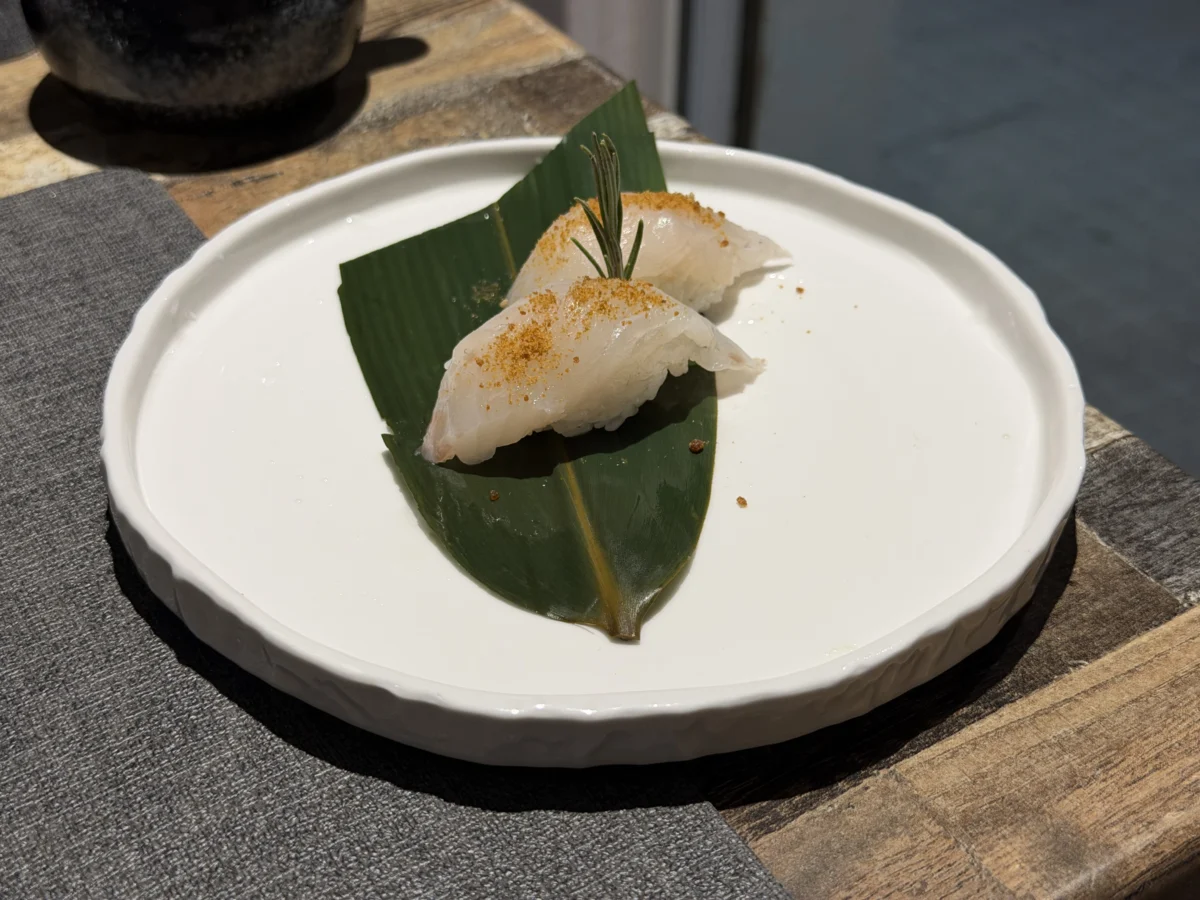
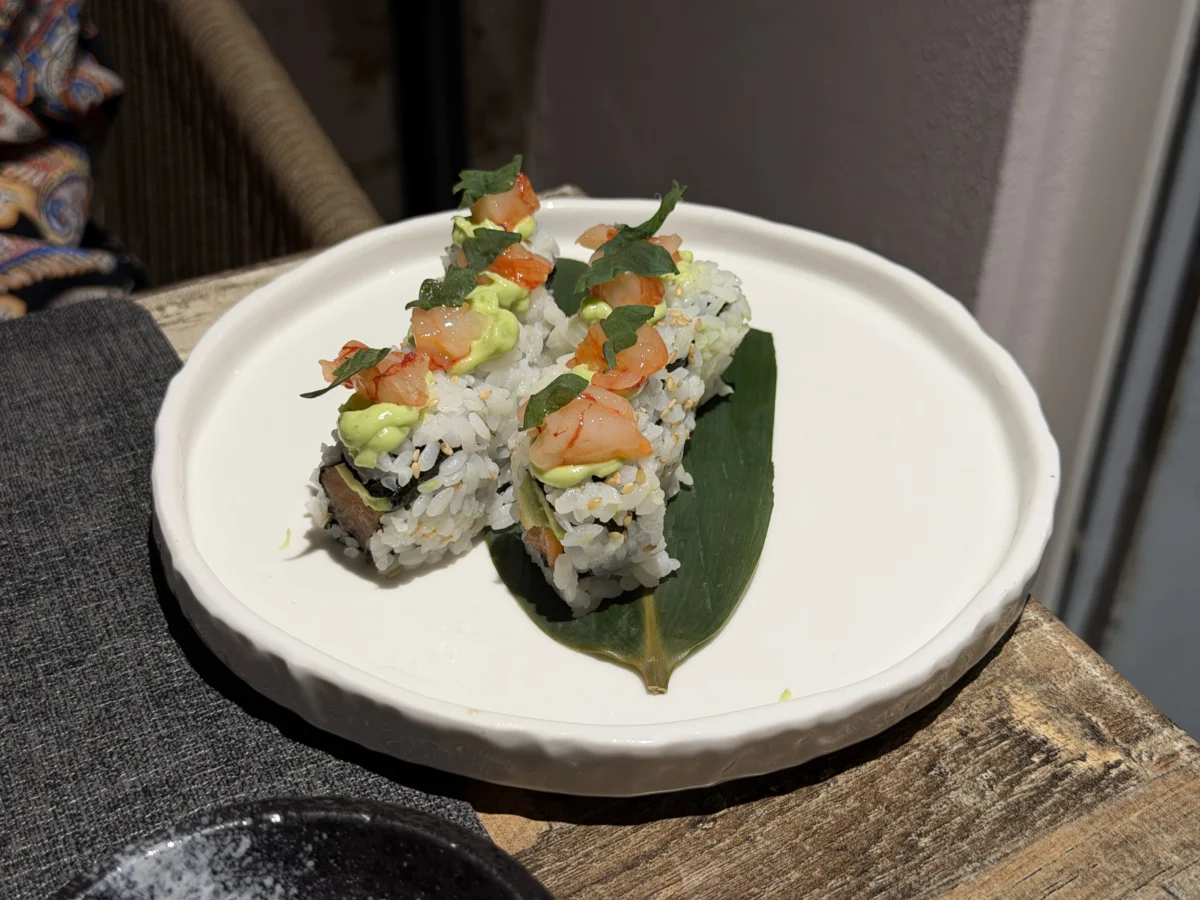
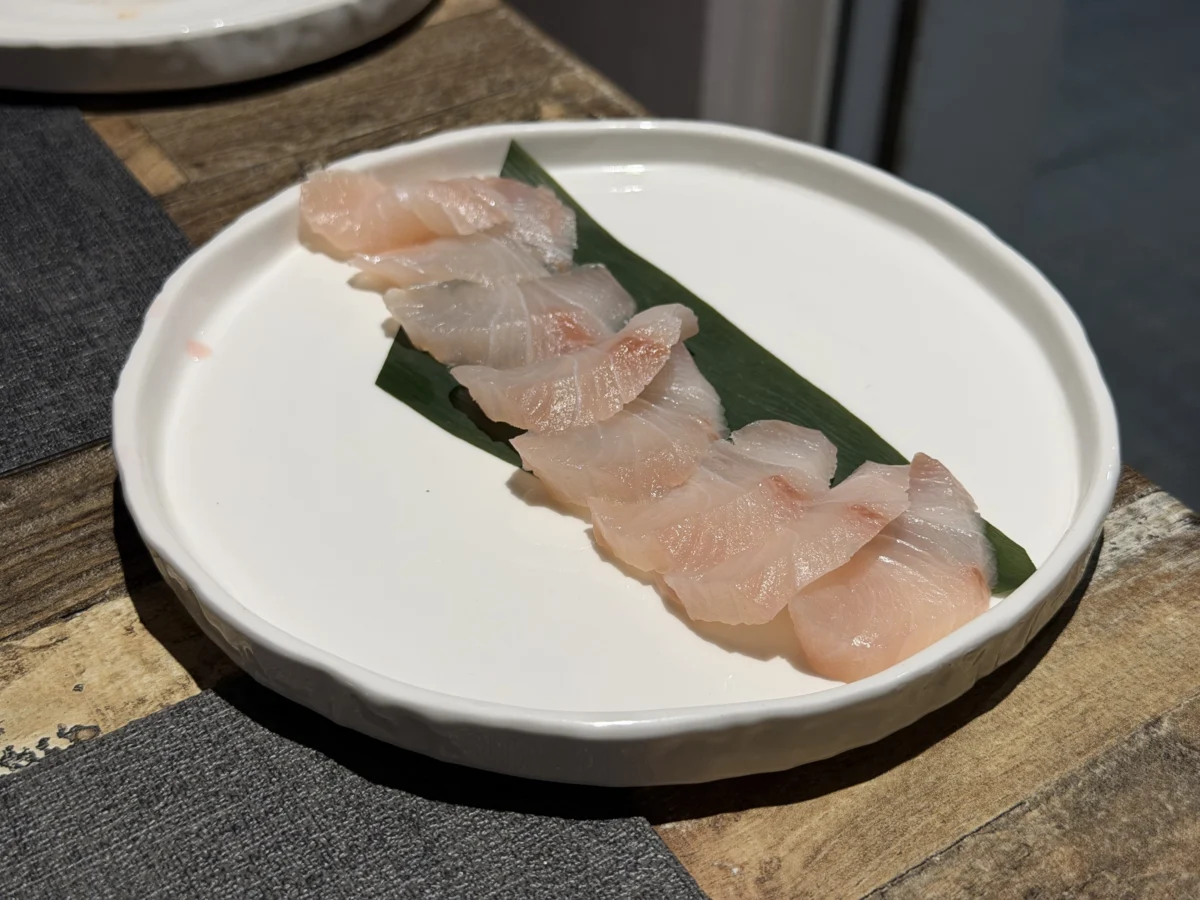
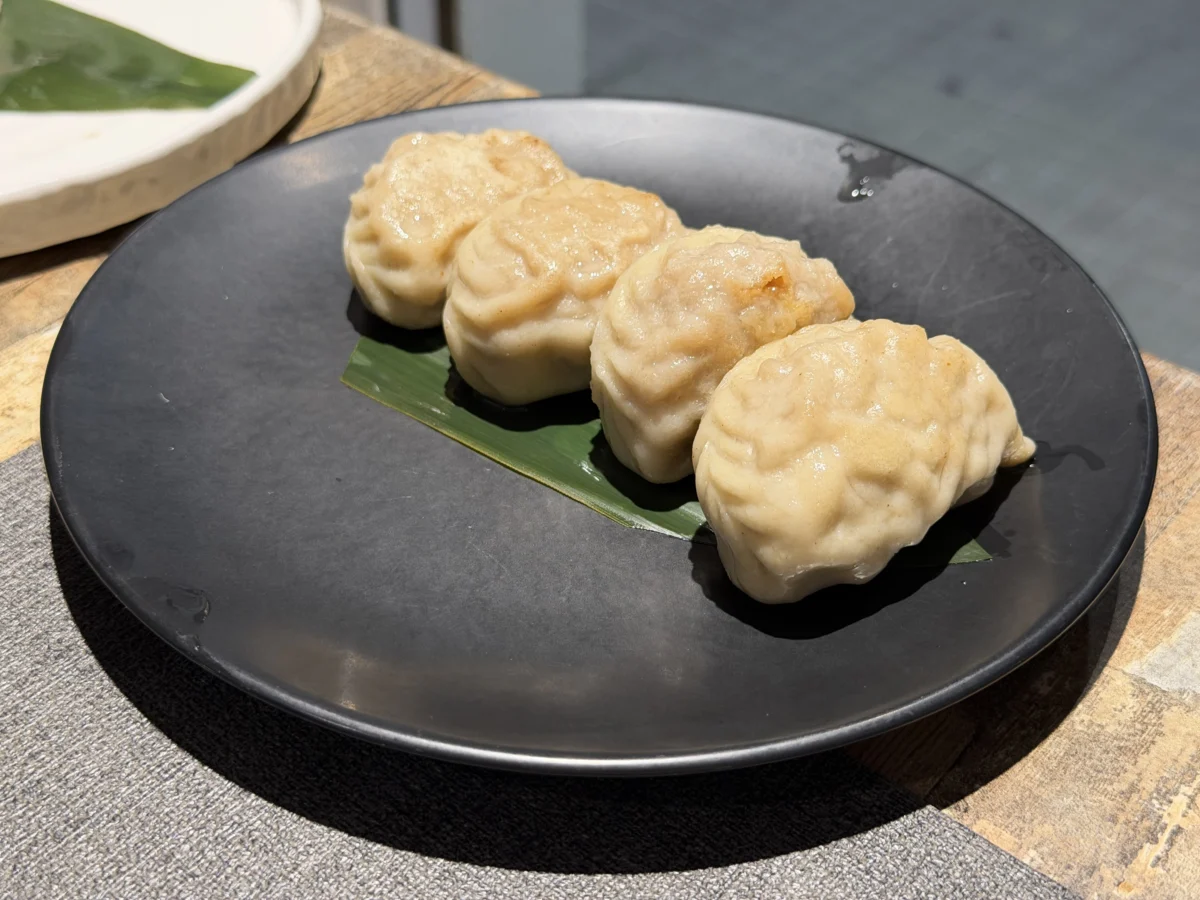
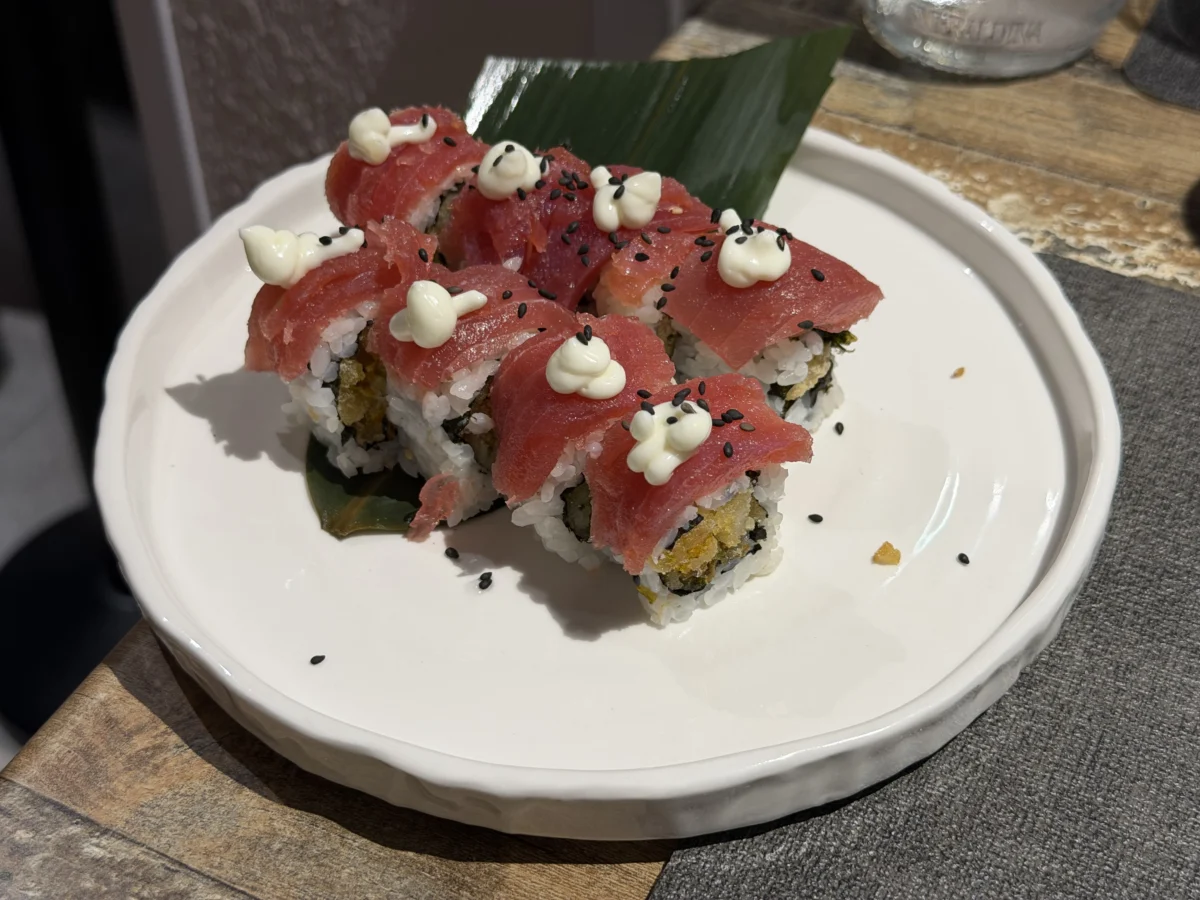
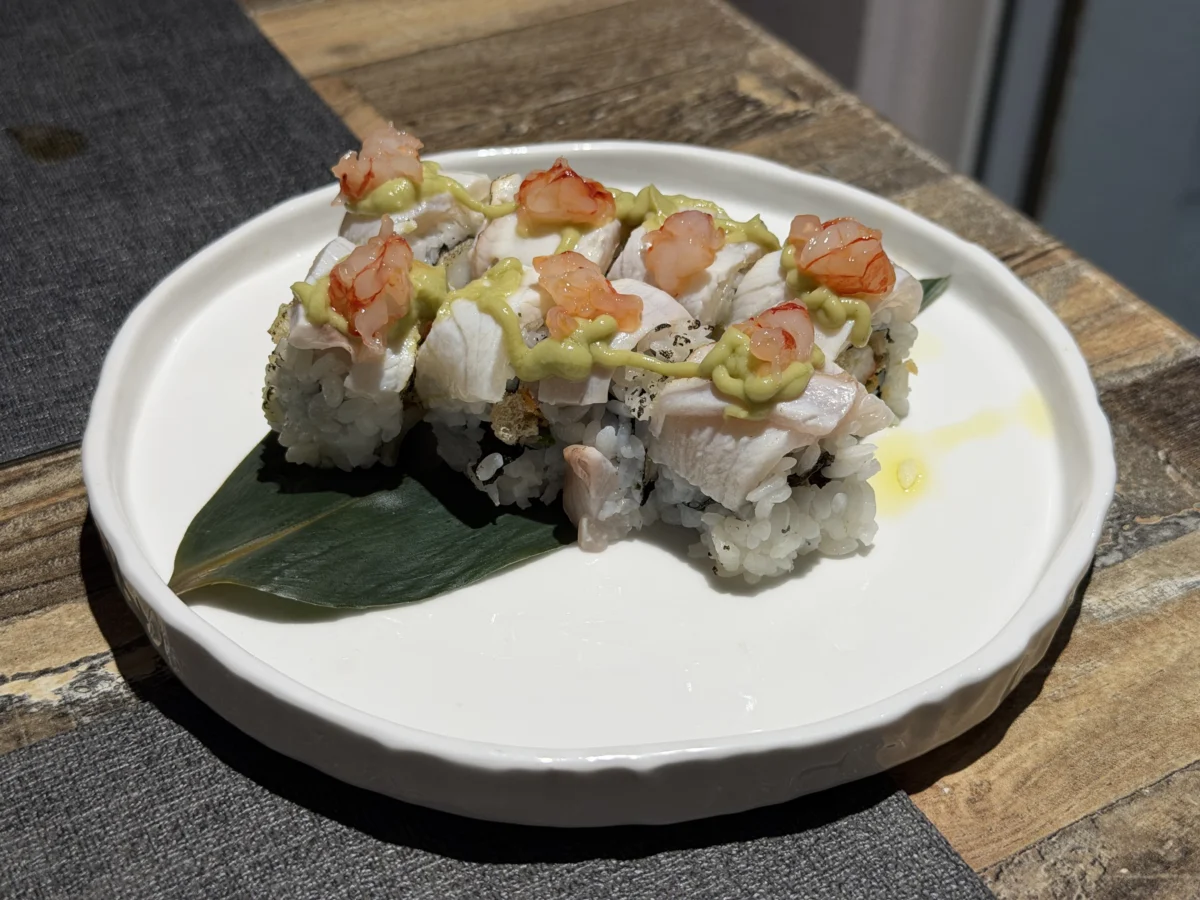
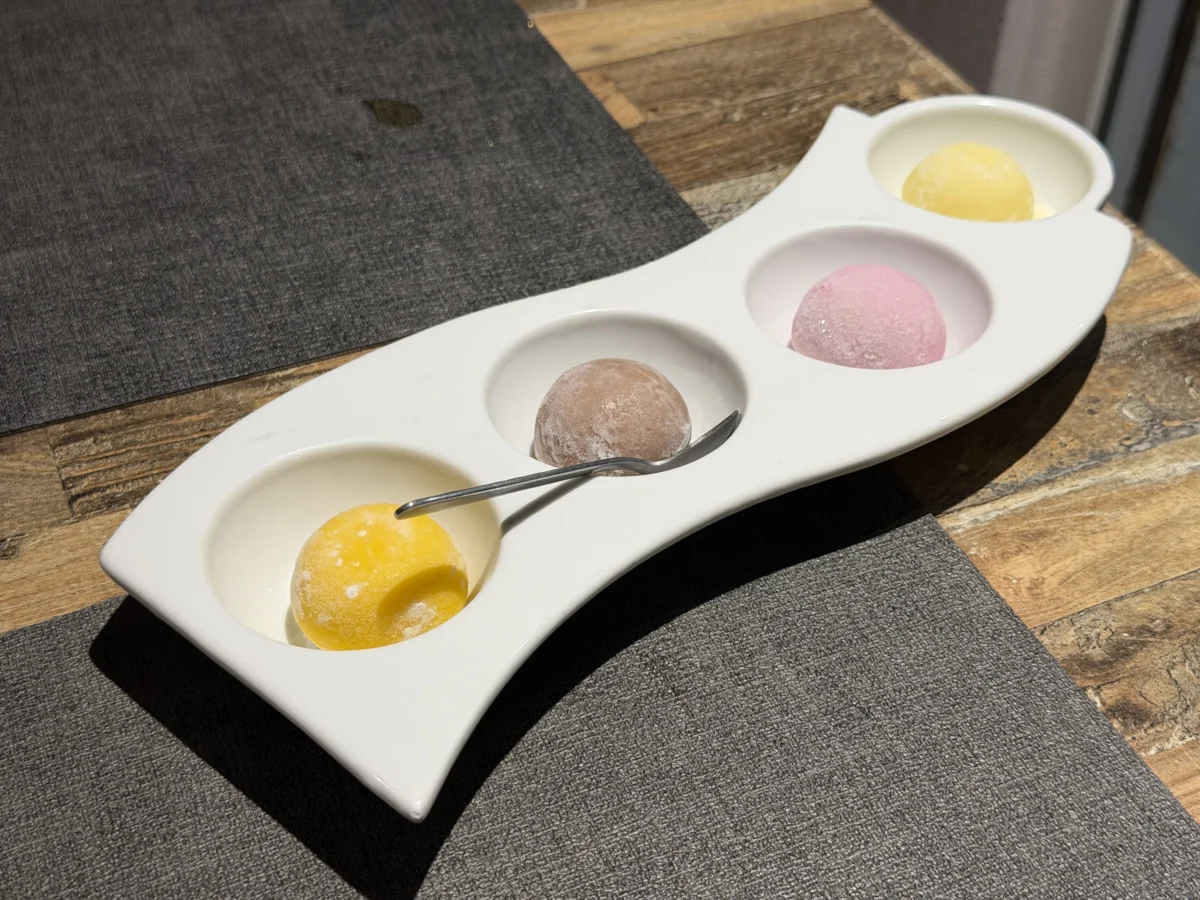
This was just what we needed, and has lots of street parking nearby. There’s even a gelato shop right around the corner although we didn’t (gasp!) get a chance to try it.
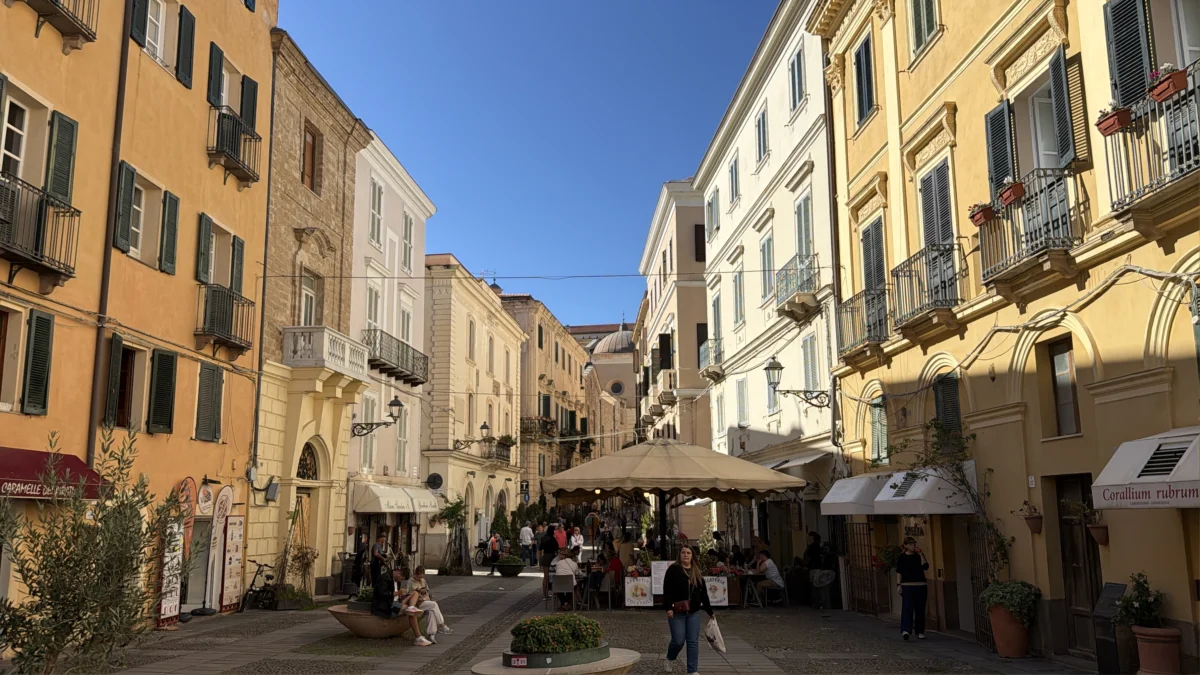
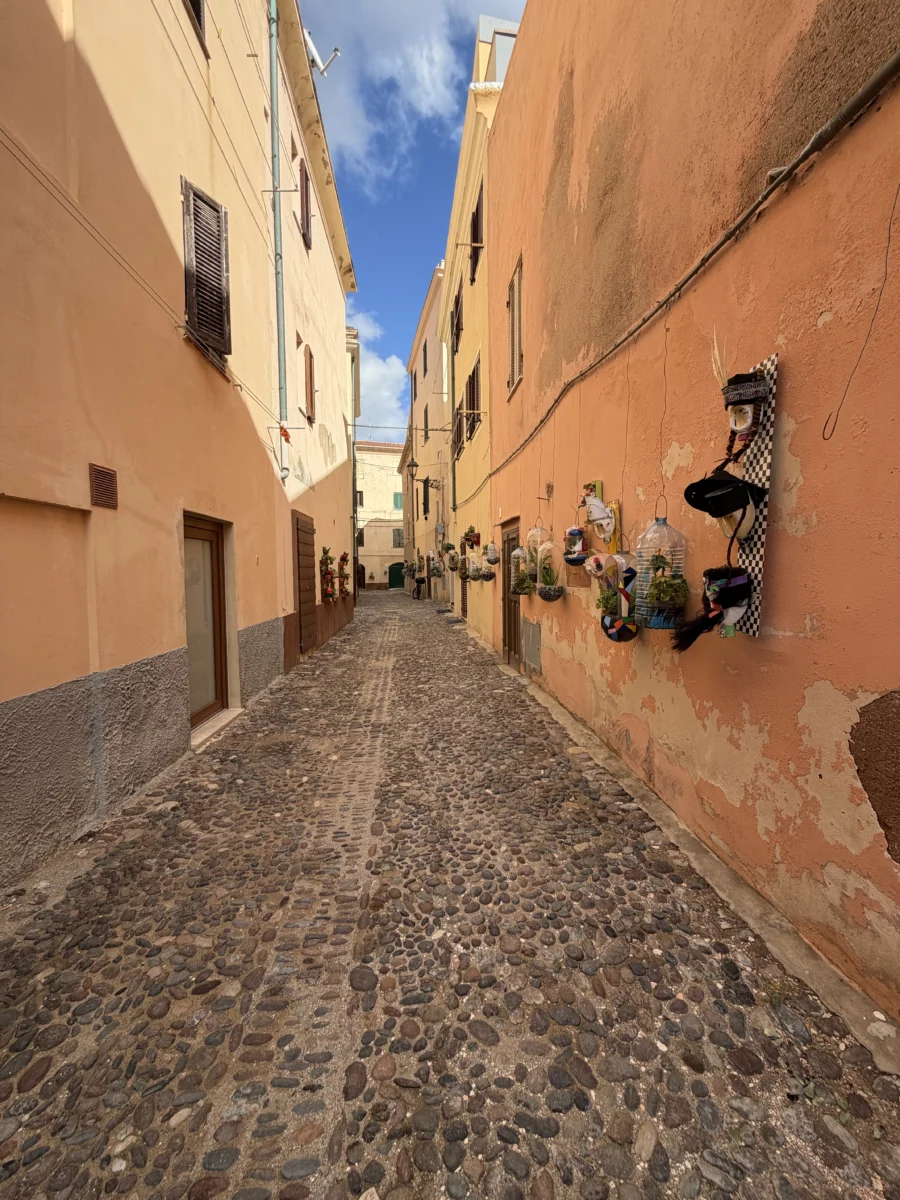
Alghero! Ok this time I mean the urban part. It gets confusing with so many names reused between islands, regions, and towns/cities/villages. Alghero is a beautiful walled city (see now there again by today’s definitions it’s a town but “walled town” sounds weird I think because it used to be that any town worthy of being walled was a city!) on a peninsula. The walls are almost entirely intact, clearly segregating buildings inside from out. As soon as you enter, everything gets packed a lot tighter, vehicles become uncommon, and a maze of heart-warming cobblestone alleys & pathways entice you. We dodged the first vendors and walked a substantial portion of the city.
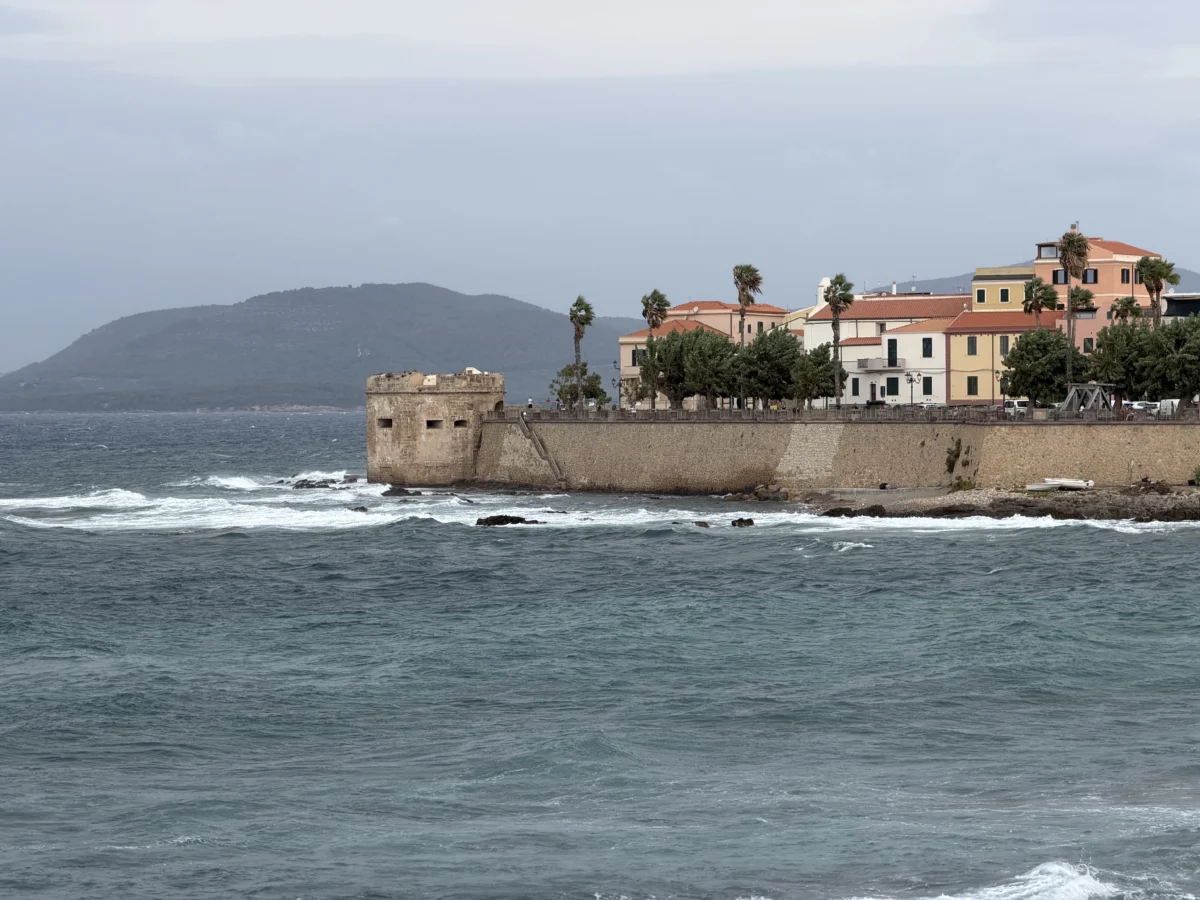
The shoreline just east of the city walls was quiet and pretty as well.
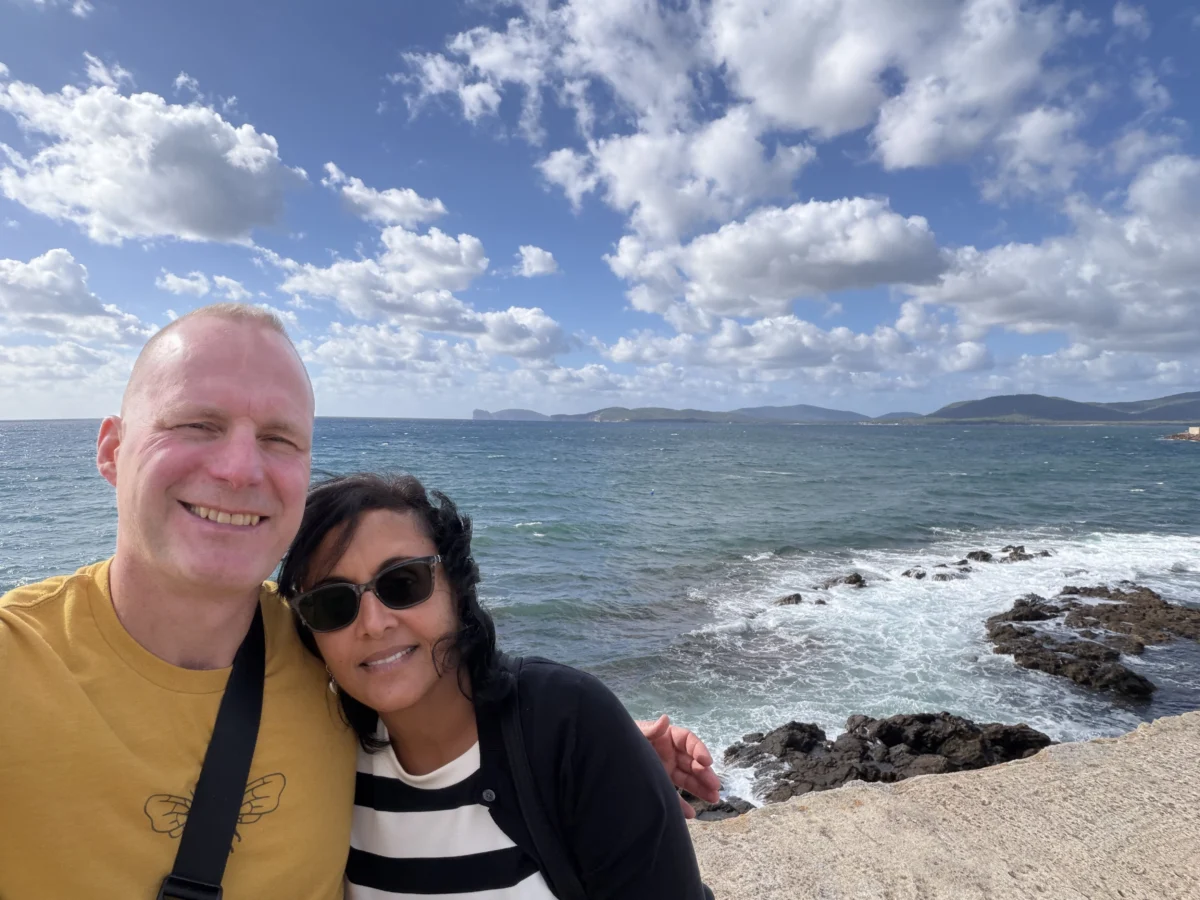
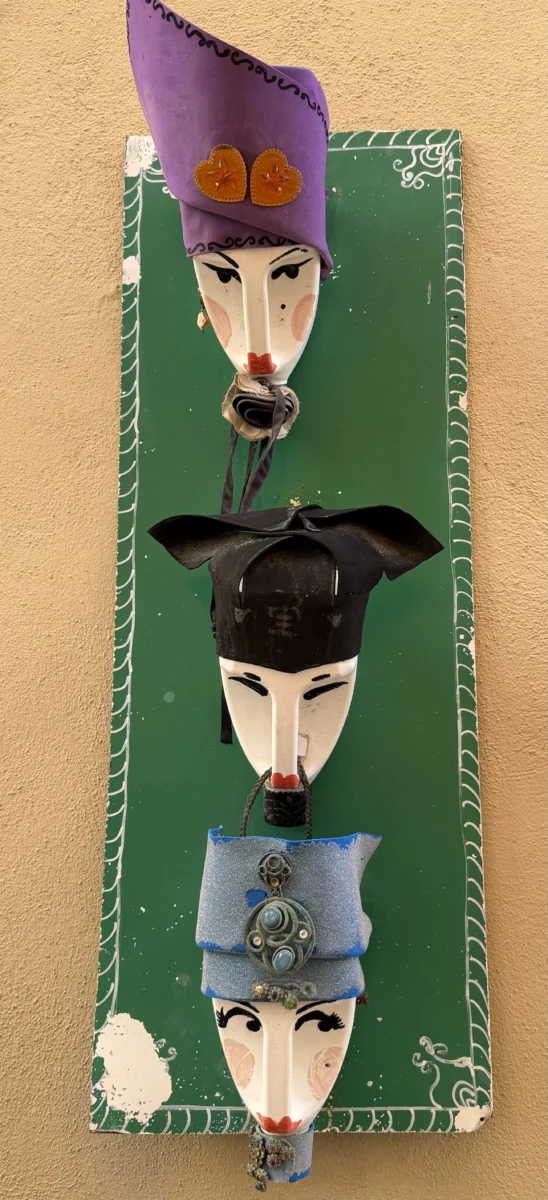
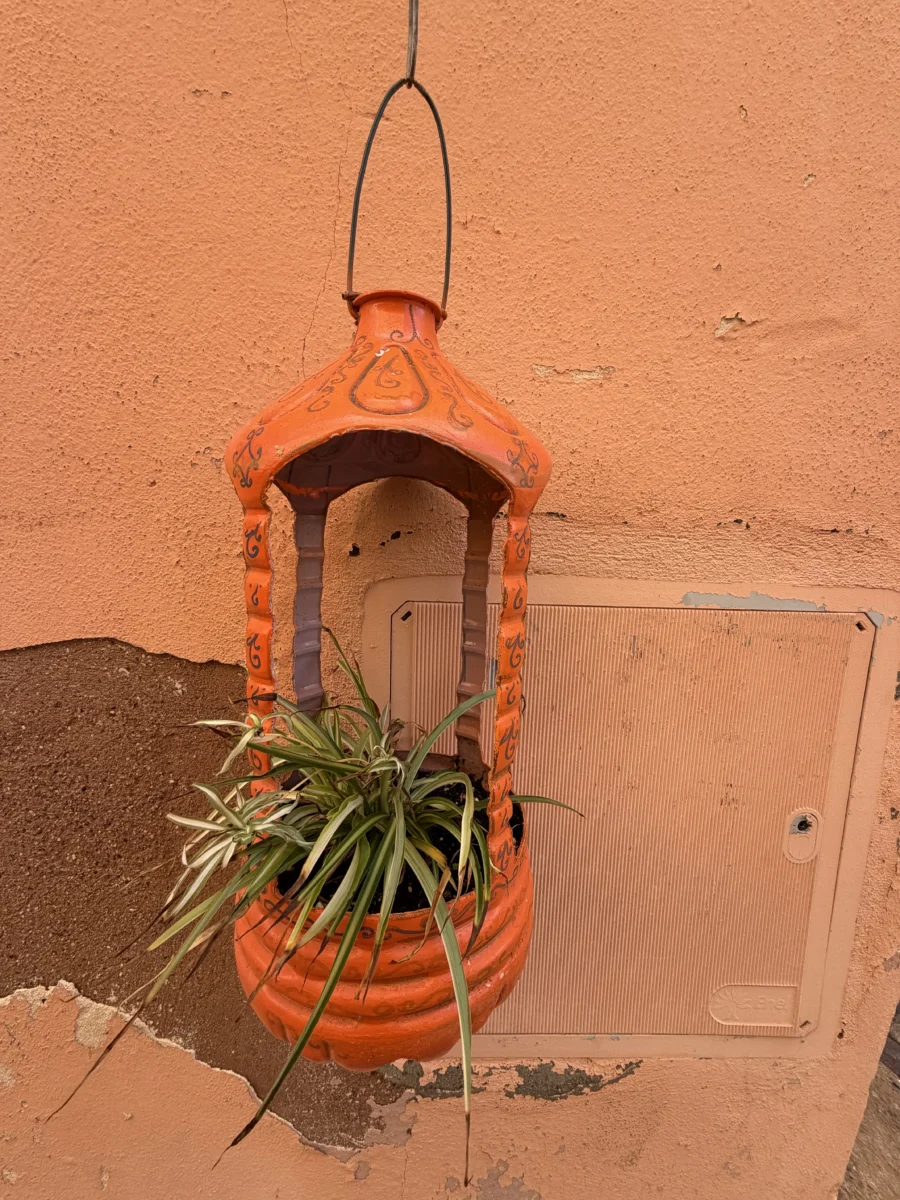
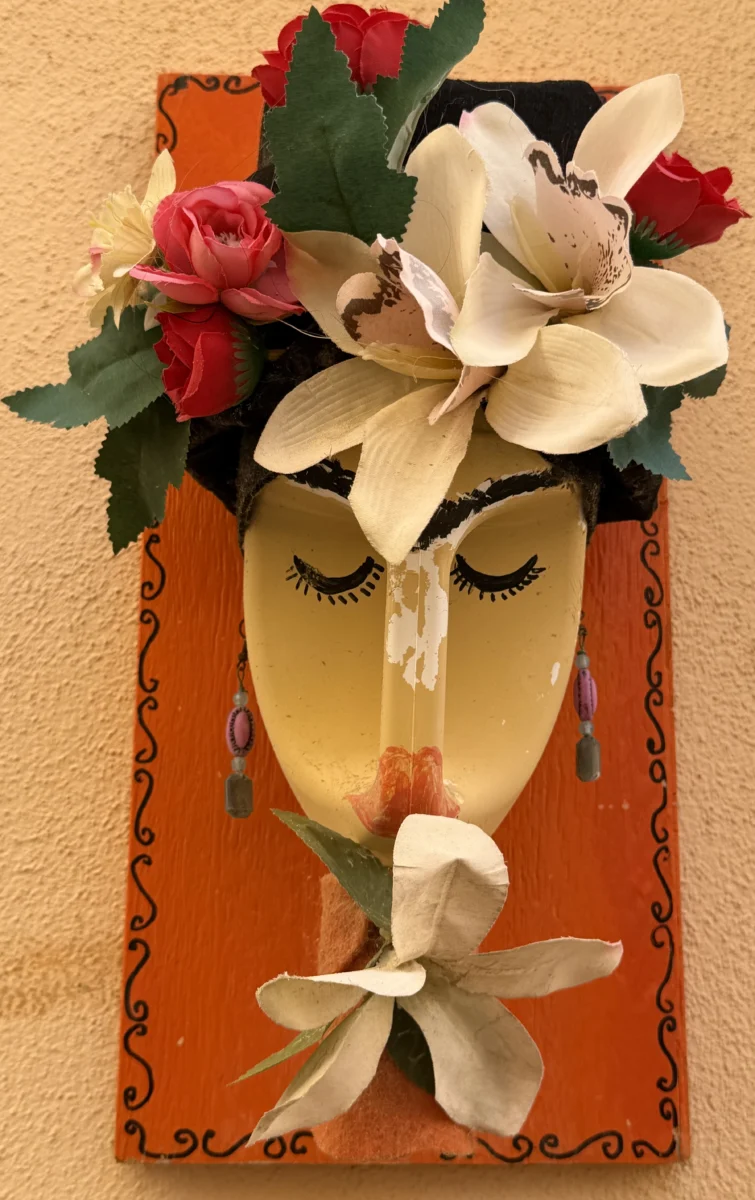
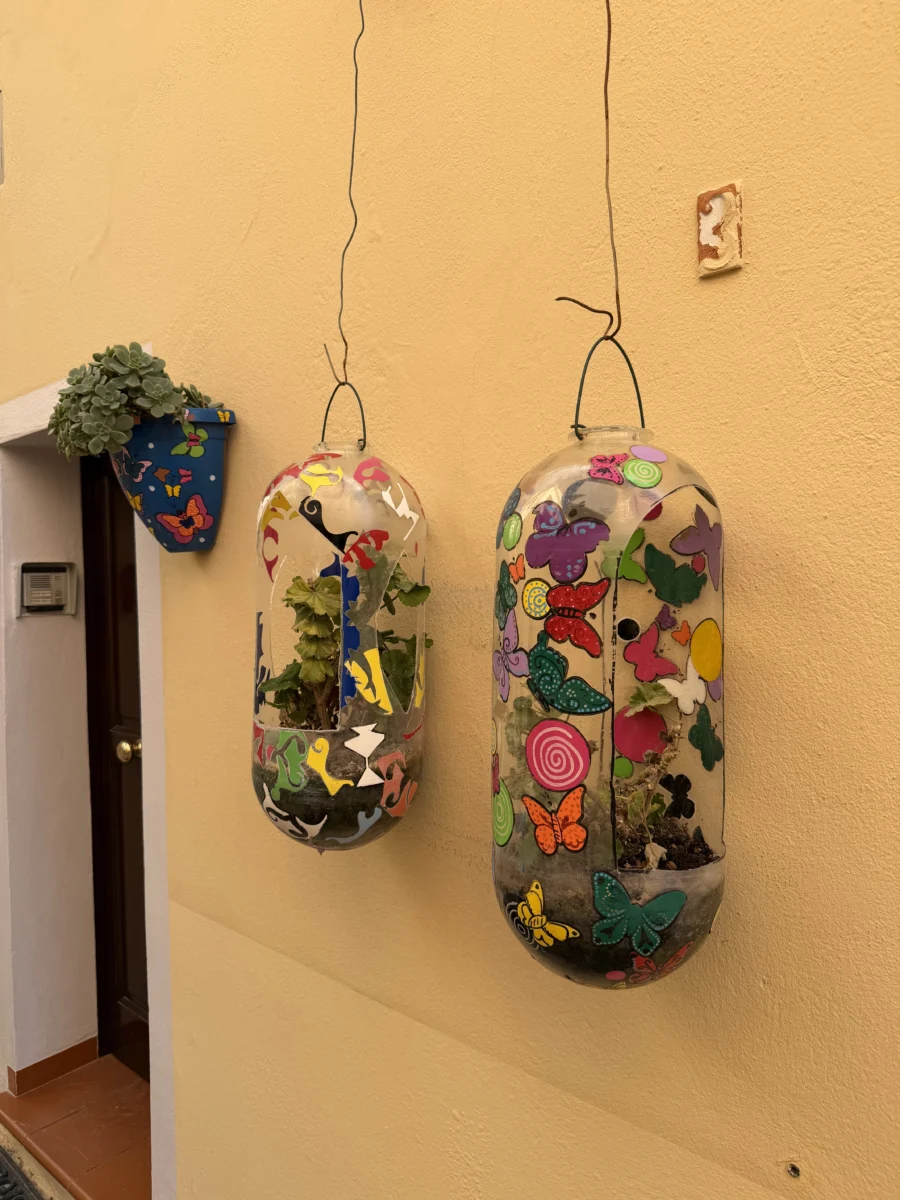
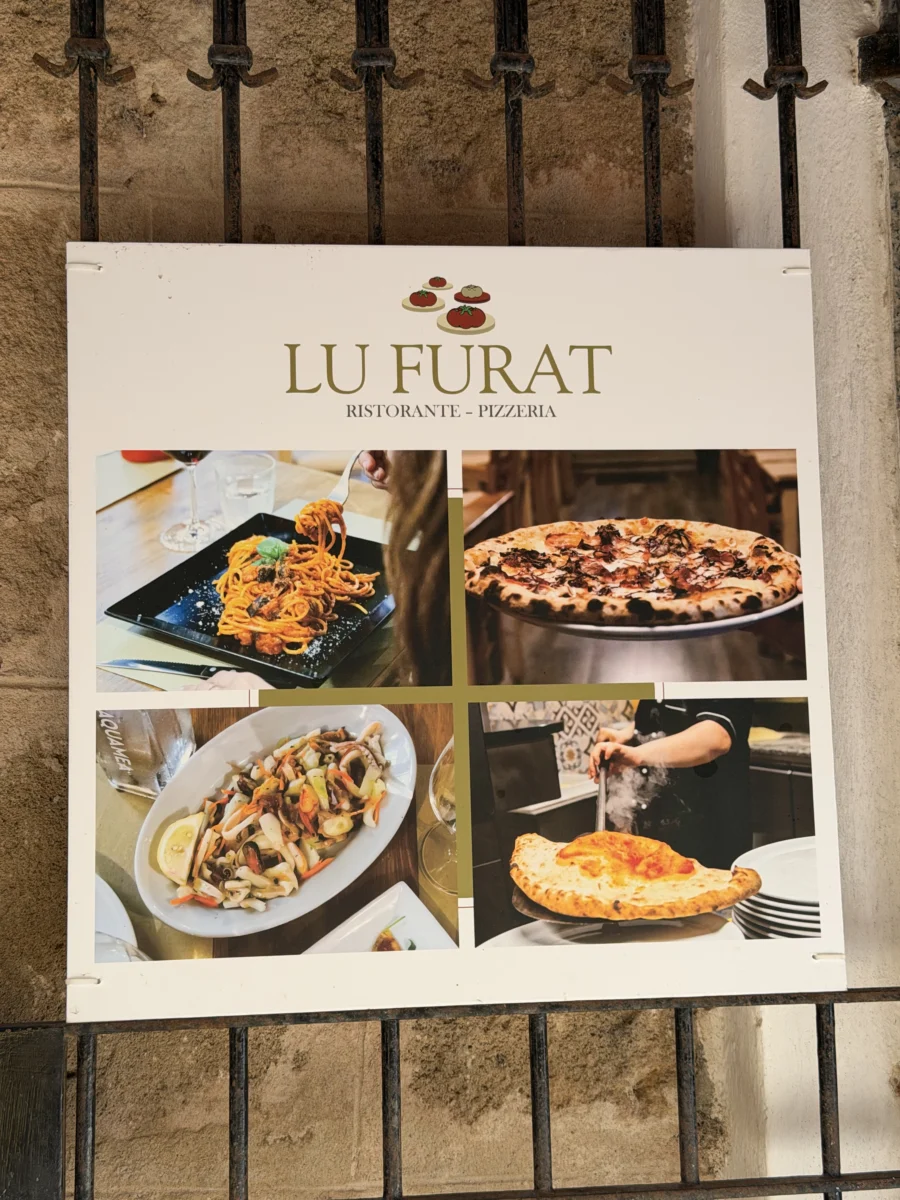
We had lunch at a large but tucked-away restaurant, Lu Furat.
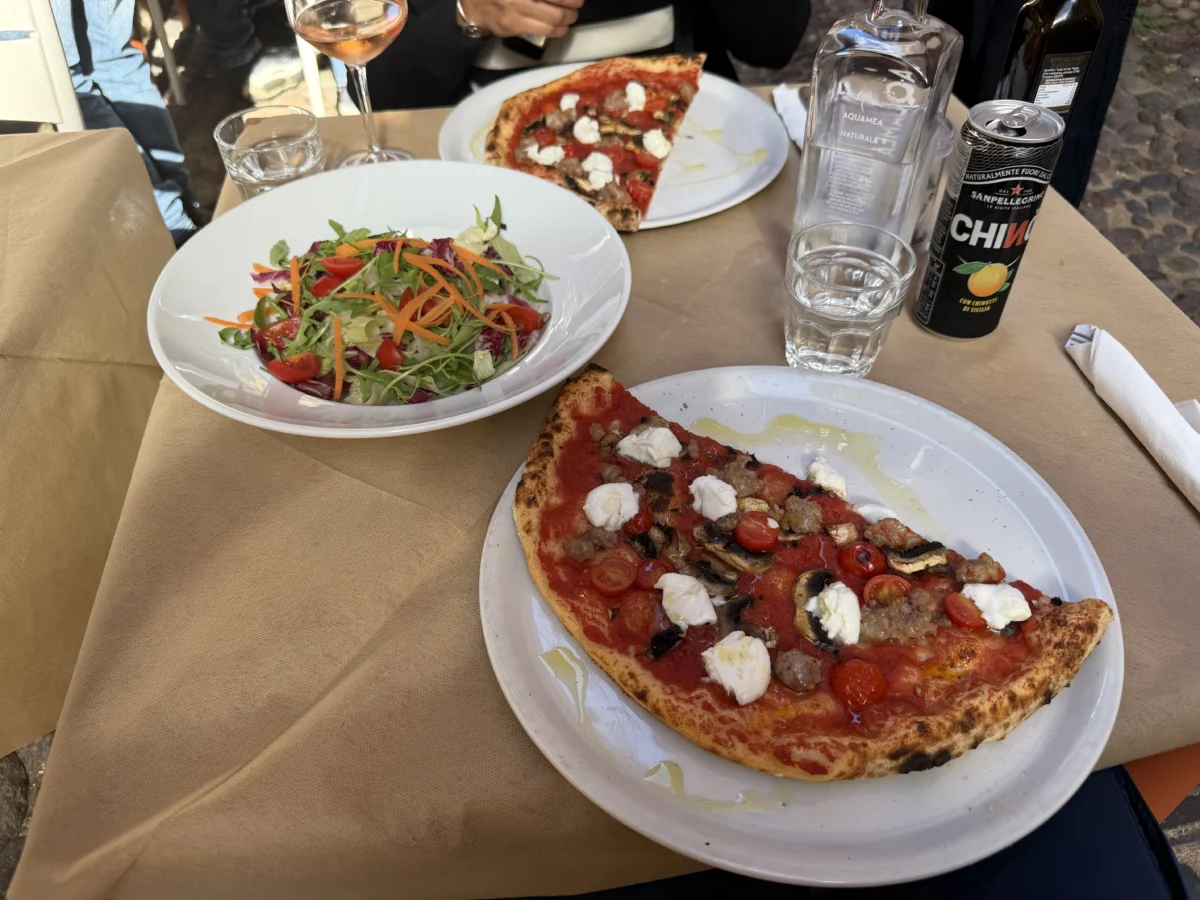
We did a lot of people-watching while enjoying our classic pizza and a salad.
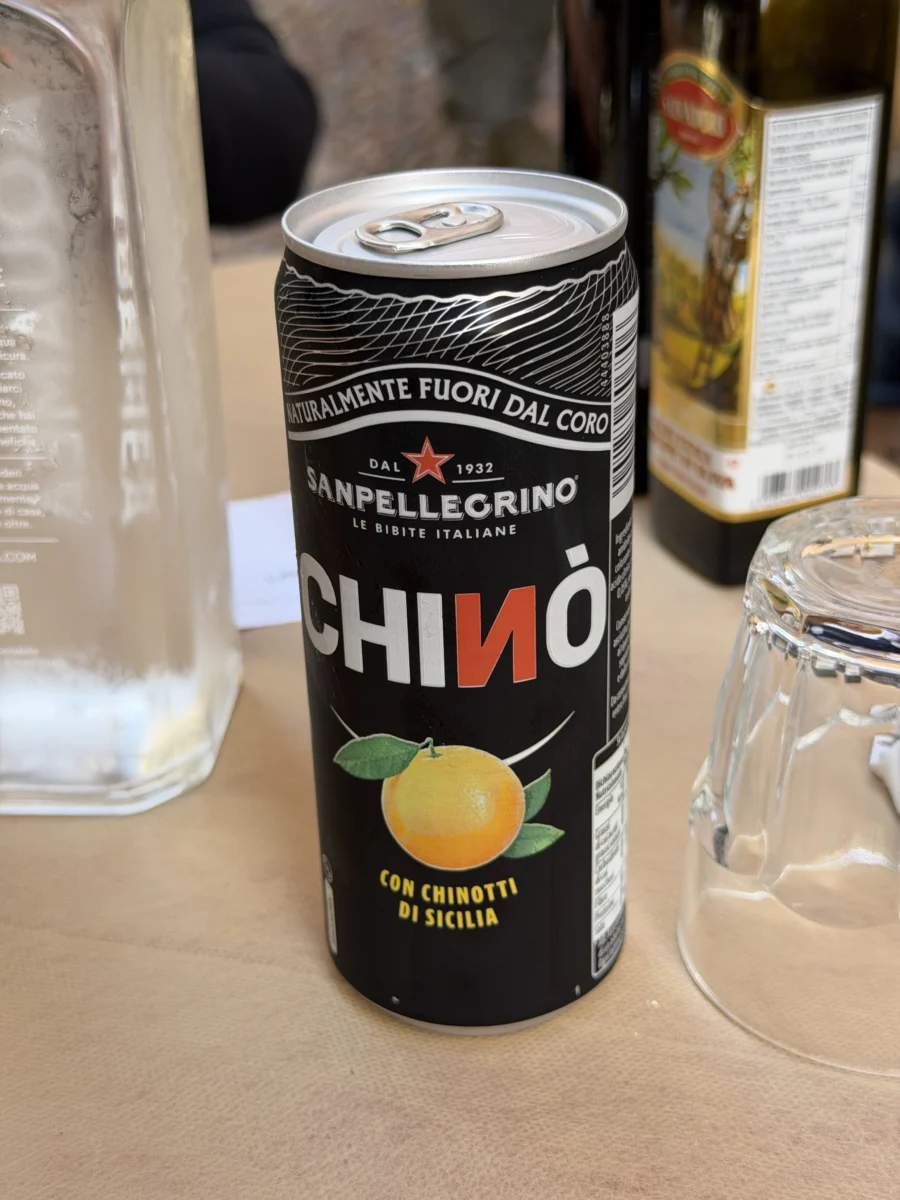
We tried some Chino, a soda very popular across Italy. Its flavor comes from chinotto oranges with hints of 20 herbs. It sounds good, certainly worth a try.. but not to my liking. Too bitter.
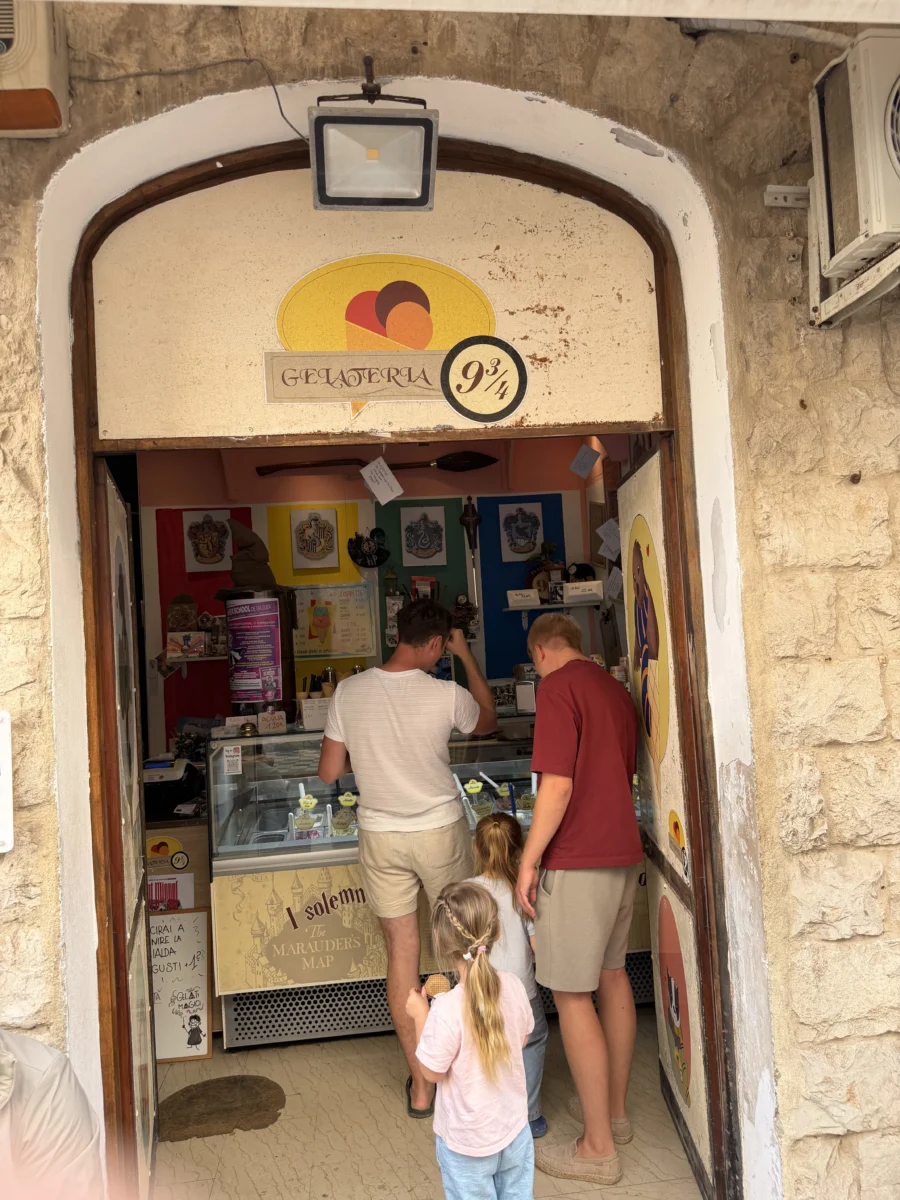
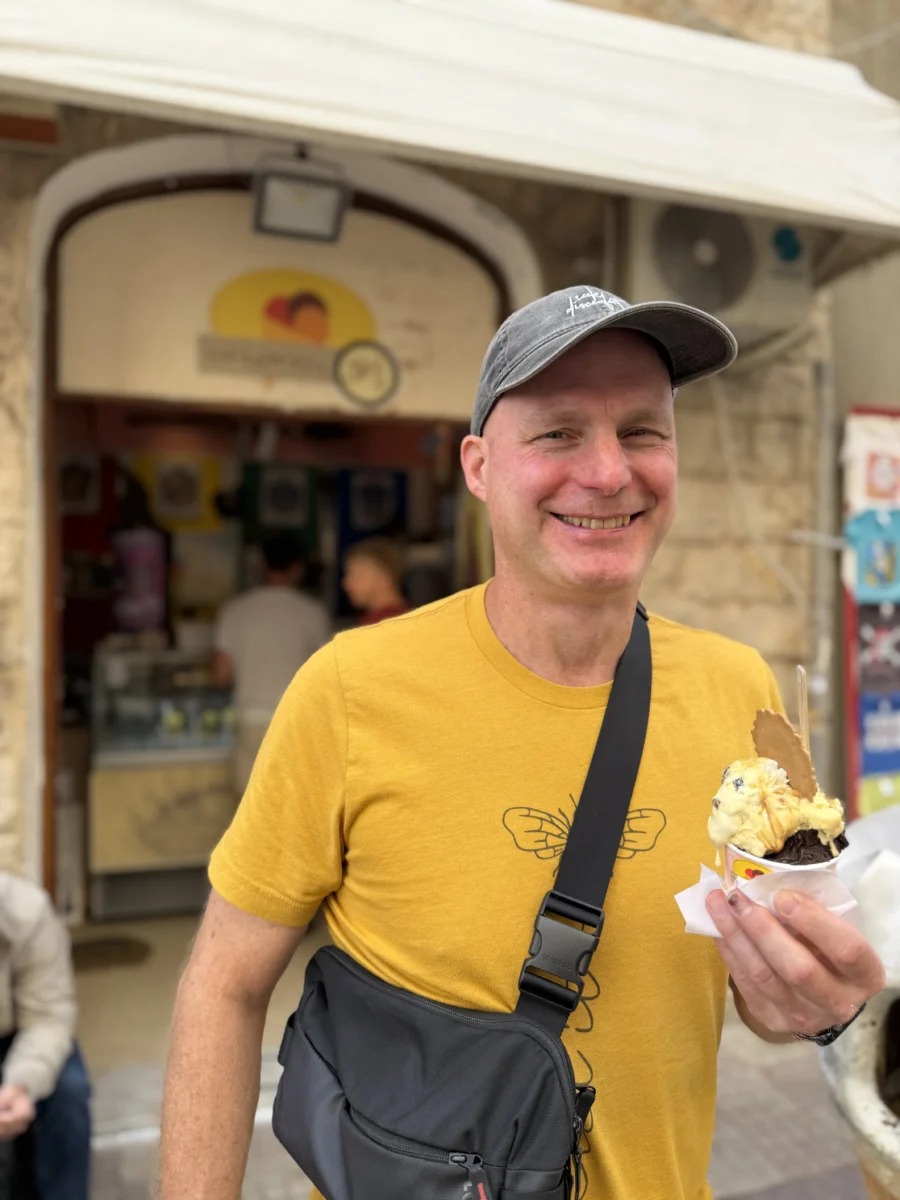
We couldn’t resist getting gelato at a well-known tiny spot called Gelateria 9¾. Yes it is Harry Potter-themed. I was going to say that it was a bit overrated and silly.. but the gelato was great and the kids (including this one) seemed to love it so I won’t say that 🤐.
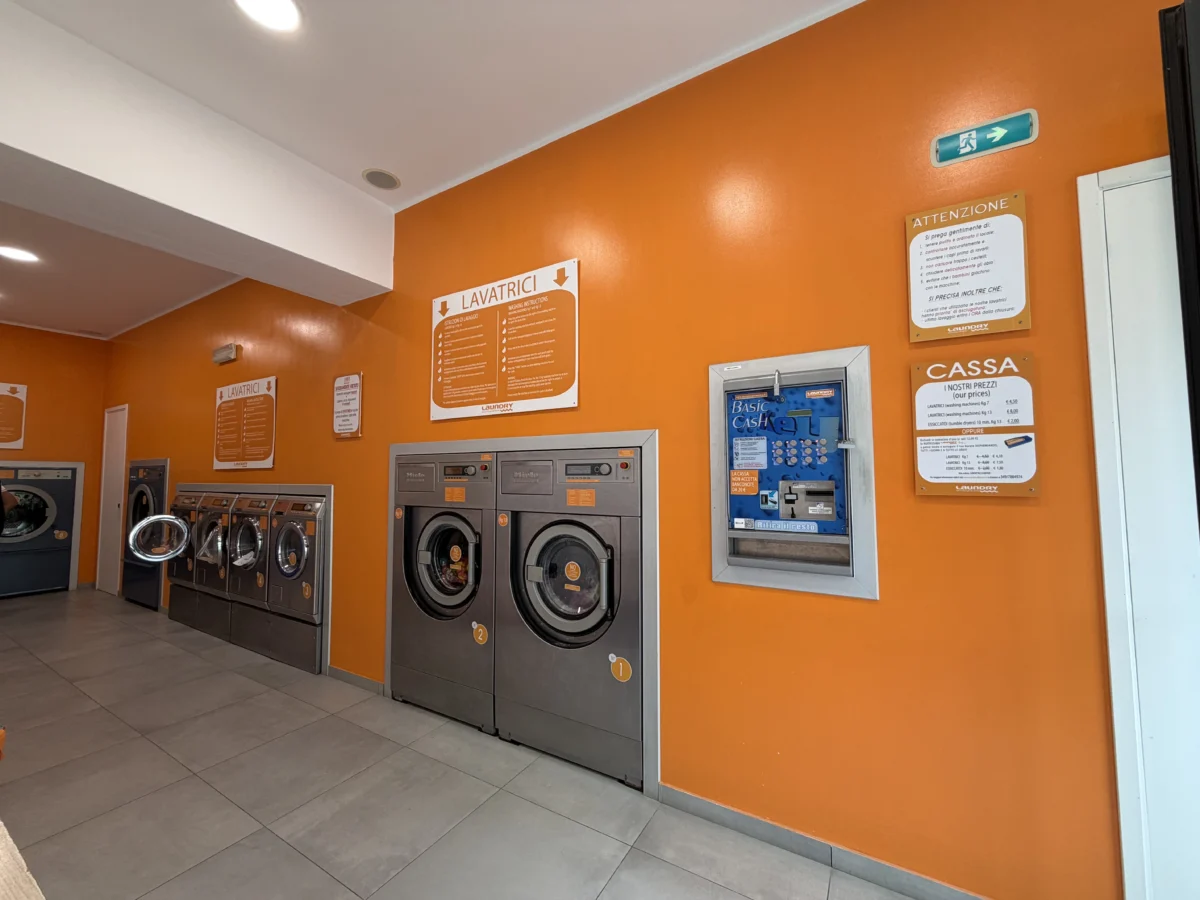
Just outside the city walls we spent 90 minute for so doing laundry. We generally pack for ~10 days and between washing things in sinks and showers and hang-drying all over the room/yard can stretch it further when needed. We prefer, however, to find a local laundromat, which Alghero offers. Nothing fancy but left us feeling refreshed!
A few blocks away we had dinner at a very popular little spot called La Piccola Cucina. That translates to The Little Kitchen, which yeah I guess it is compared to many, but that is not the dominant vibe! The seating area is limited for sure so reserve in advance, but the menu is huge and the food variety is massive. The staff all seems fashionable and fun (appearance-based judging is ok if it’s positive right?).
The menu sort of challenges you to test your limits. Fried brain was on one of the first pages. We umm.. opted for a less exotic meal but I love what they are doing!
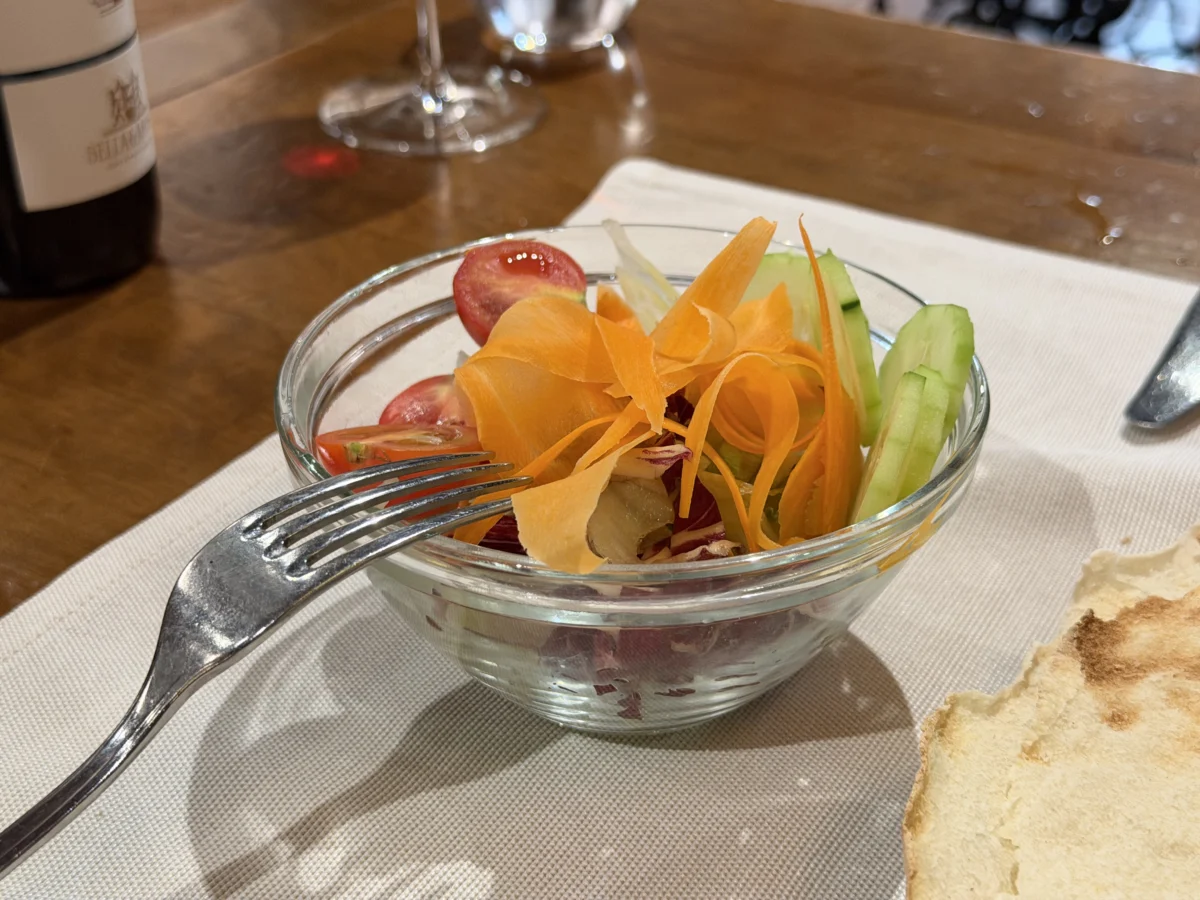
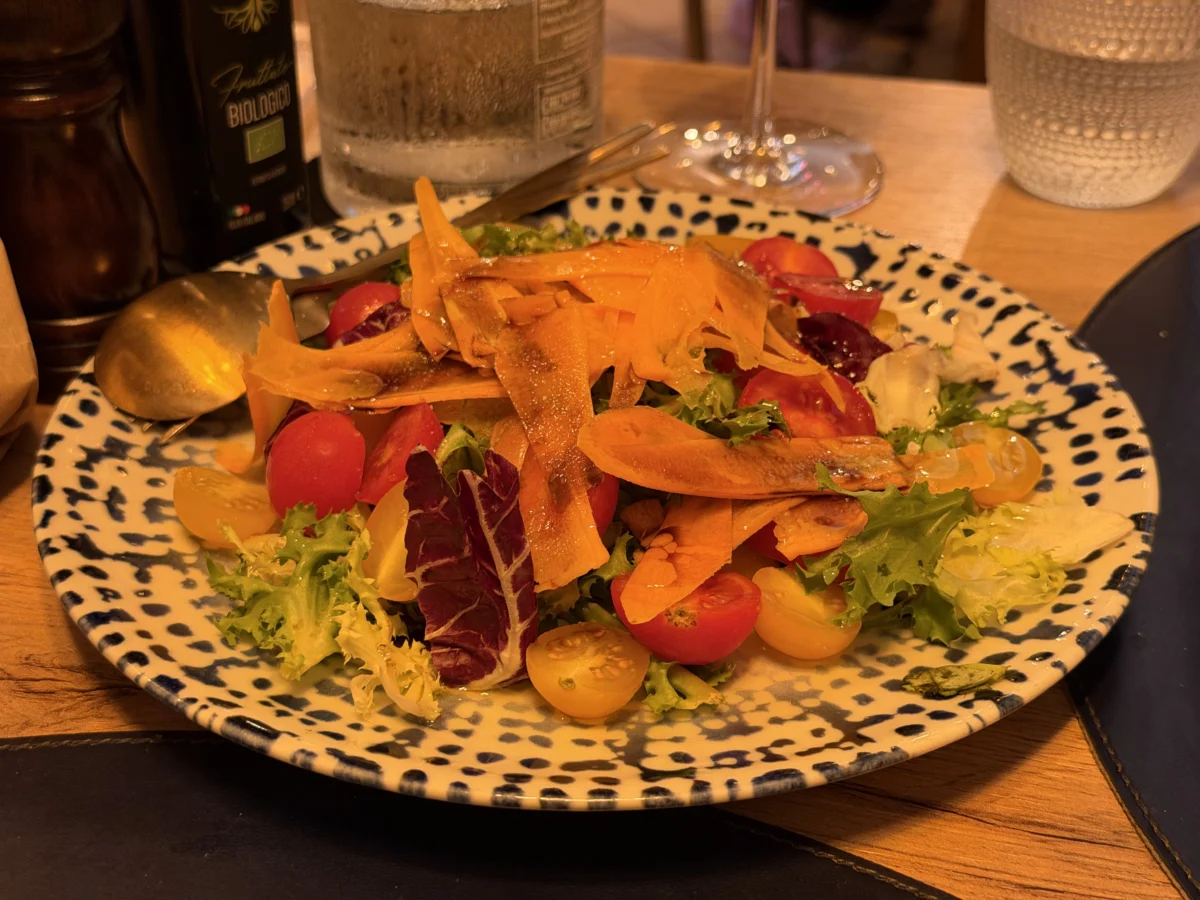
The freshness, variety, and quality of the basic mista salad is always a good indicator of what to expect from a restaurant. La Piccola Cucina crushed it on all fronts with a salad that was crisp, colorful, and flavorful. Yeah we jazzed it up with balsamic, olive oil, and salt & pepper, but it received them well!
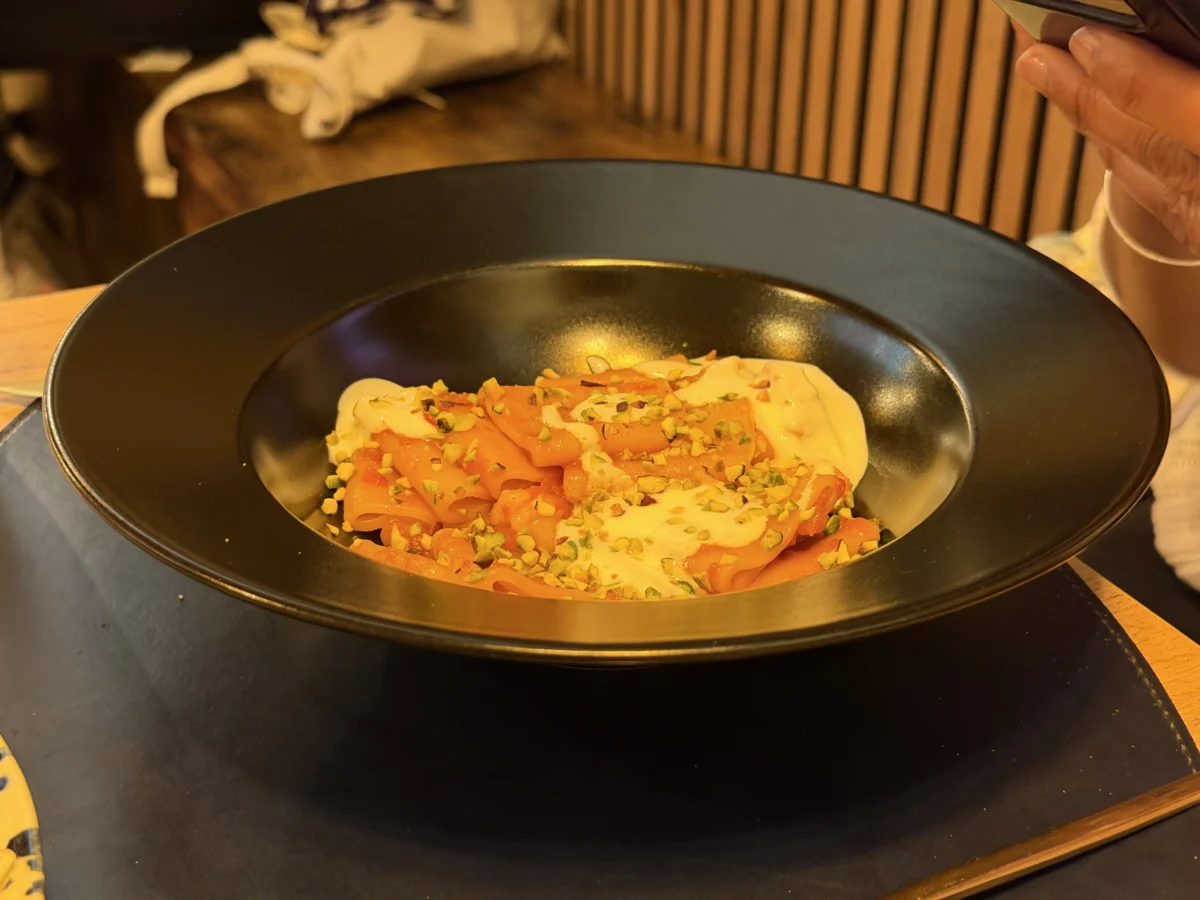
We both got pasta dishes, and in the land of pasta they still managed to make them stand out. The flavors, textures, and creative ingredients made us smile the whole while.
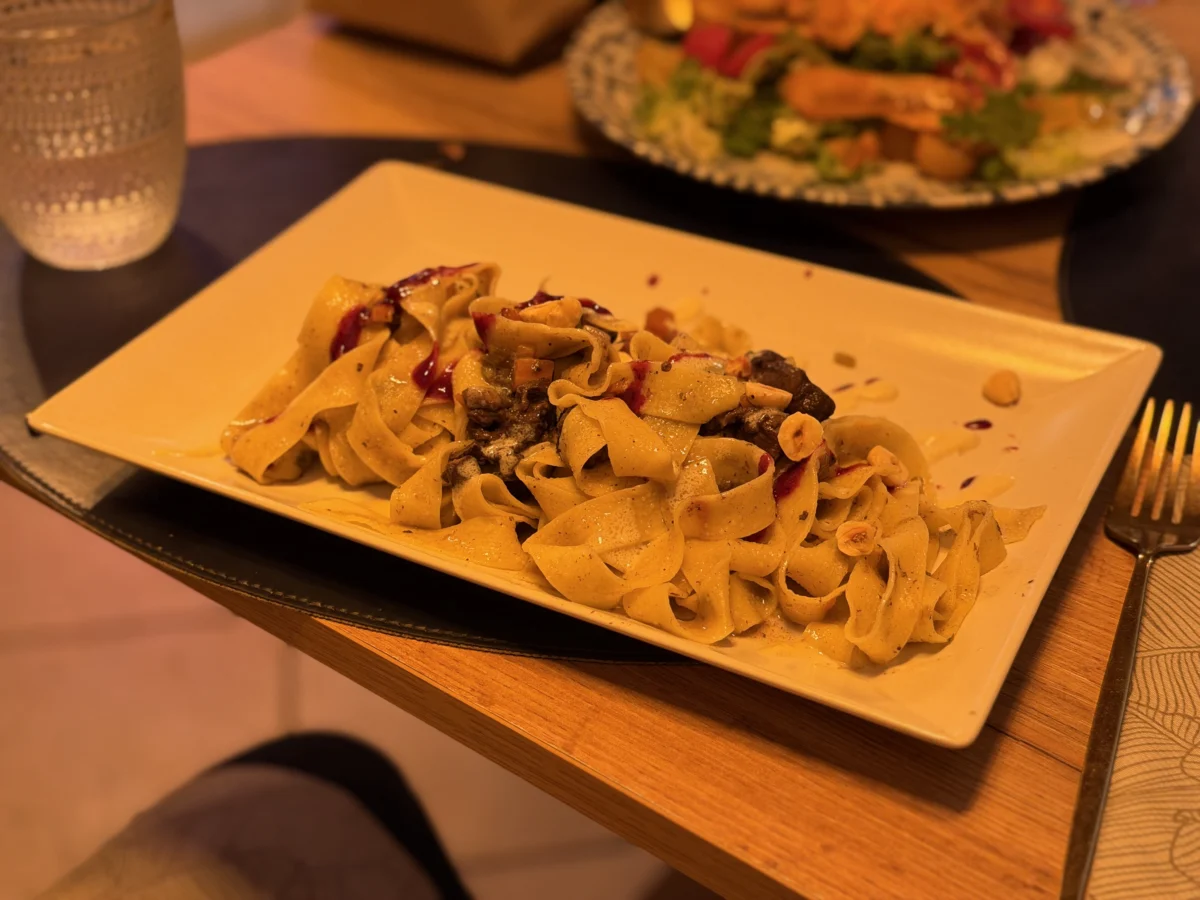
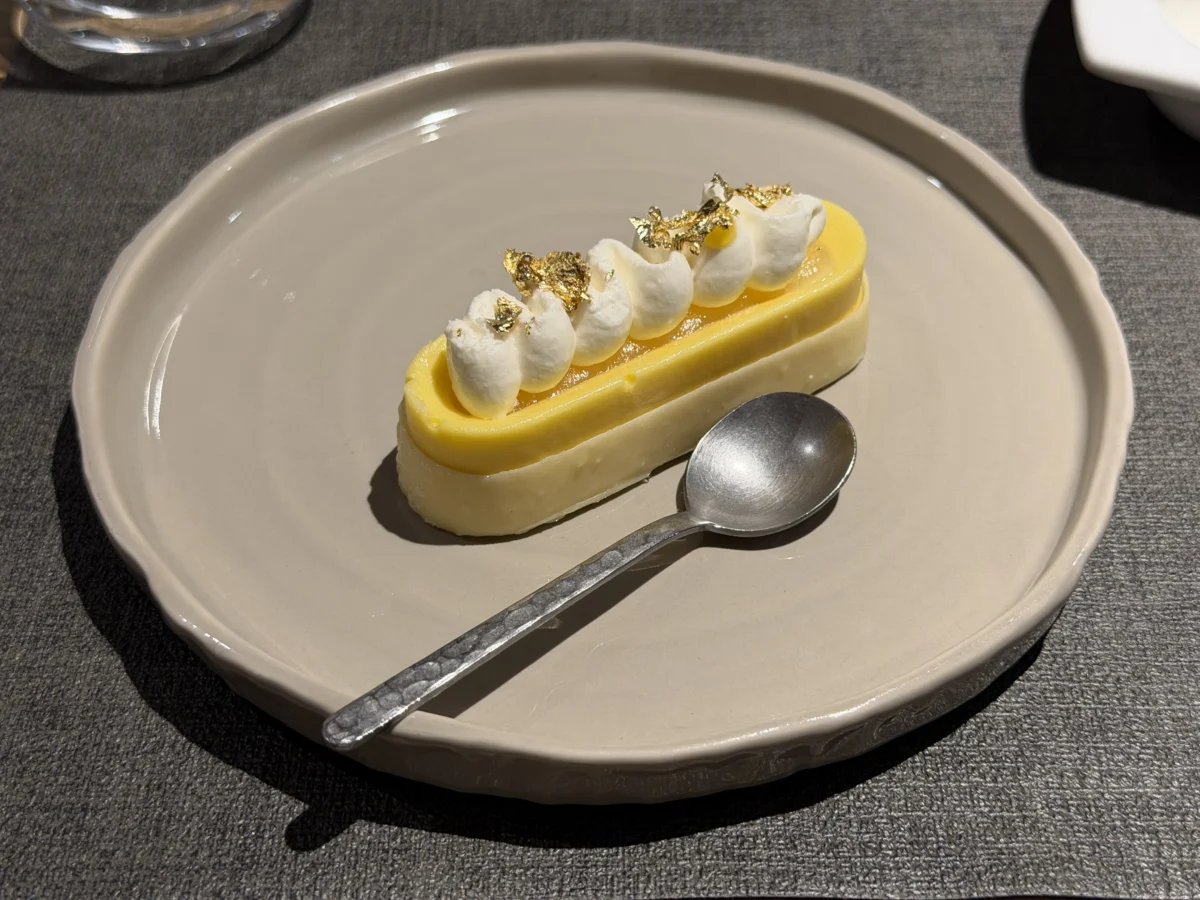
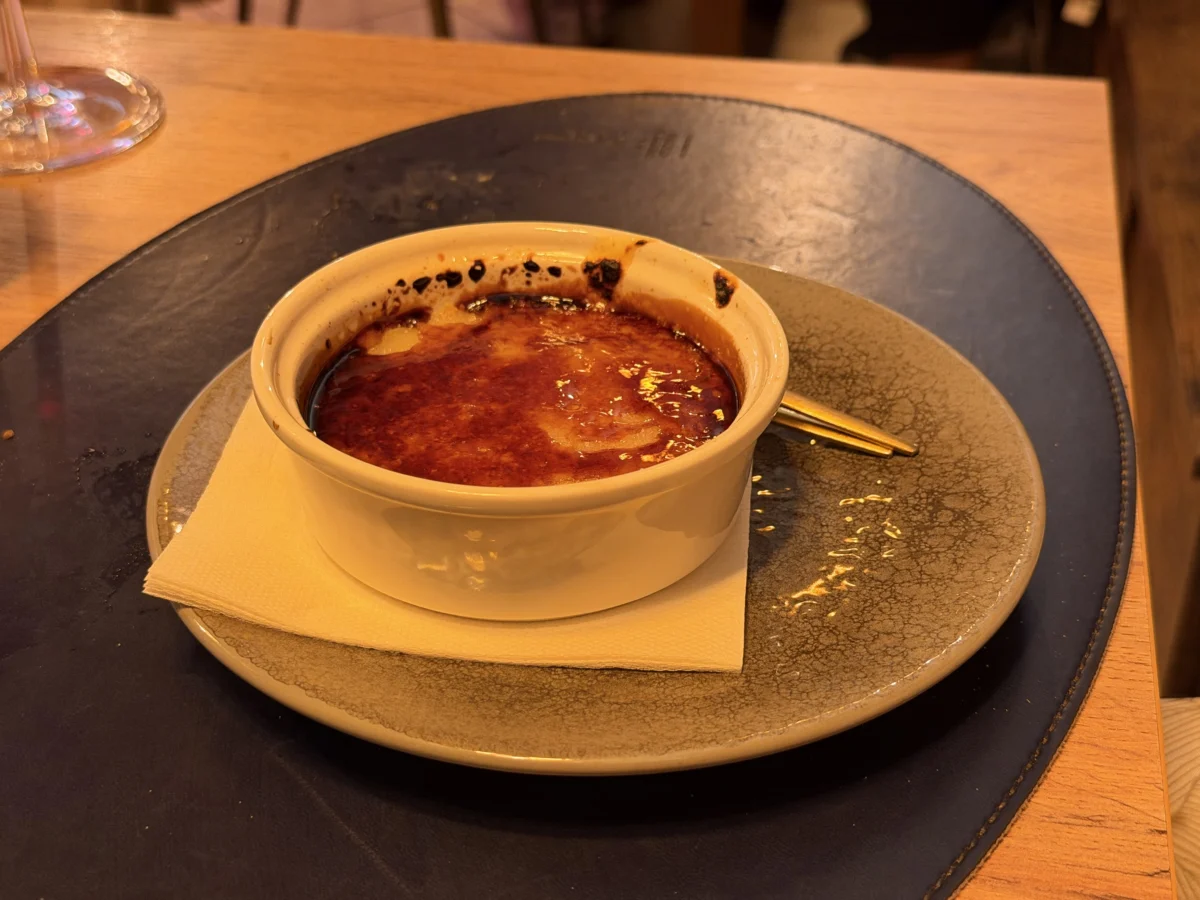
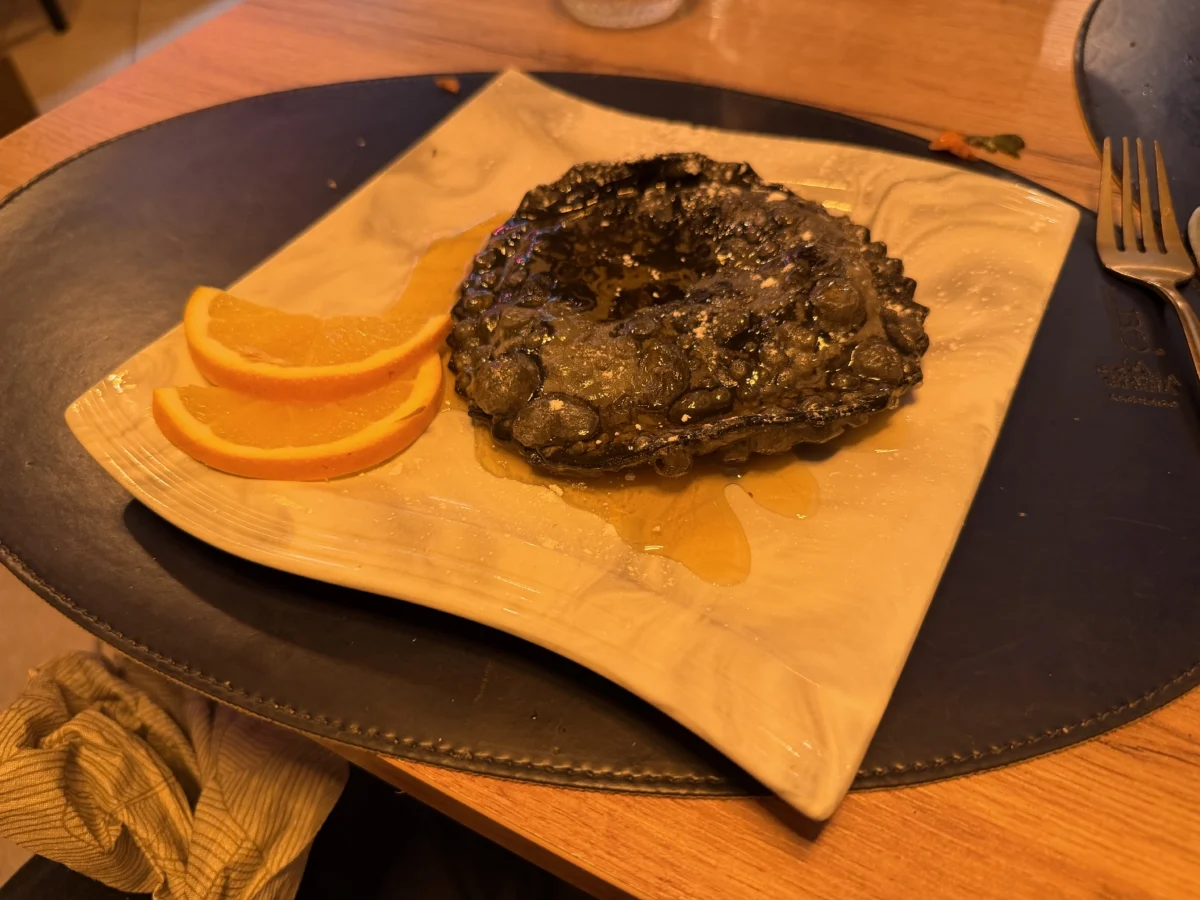
When the food is good, the dessert gets even more exciting. We know we’re enjoying ourselves when going and getting gelato afterward isn’t voiced as an option. Once again they reimagined things we were familiar with and made them pop. The crème Catalan had such a glassy torched surface that we could break off pieces and suck on them like candy. The seada (seada/sebada/sevada is Sardinia’s signature dessert- a fried semolina pocket filled with pecorino cheese, lemon peel, and olive oil) had a hint of grill flavor (from the charcoal, usually they don’t have that) and a real injection of orange, which combined with the fried dough and cheese flavors elevated it even higher.
We would love to go back and explore this menu further!
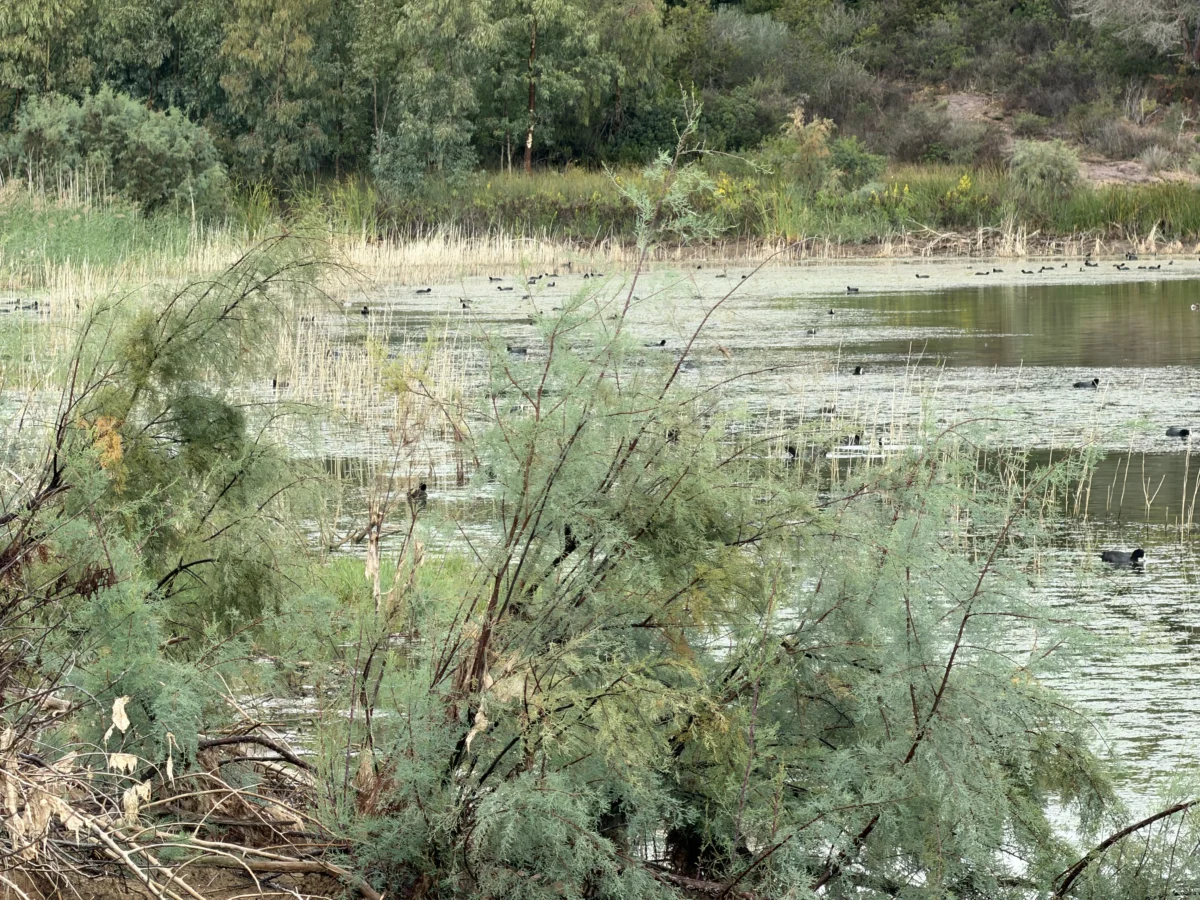
We spent a day driving along the west coast. On the way we drove to Lake Baratz. It is apparently the only natural freshwater lake in Sardinia. Hard to believe but who am I to say differently! We walked 15 minutes on a walking and horseback-riding trail down to the lake itself. It is not a place to swim, and doesn’t even really have a solid shoreline. It’s mostly reeds and mud. This is not a criticism! It’s really pretty and quiet. There are all sorts of birds on and around the water. We saw at least ducks and a couple giant white egrets.
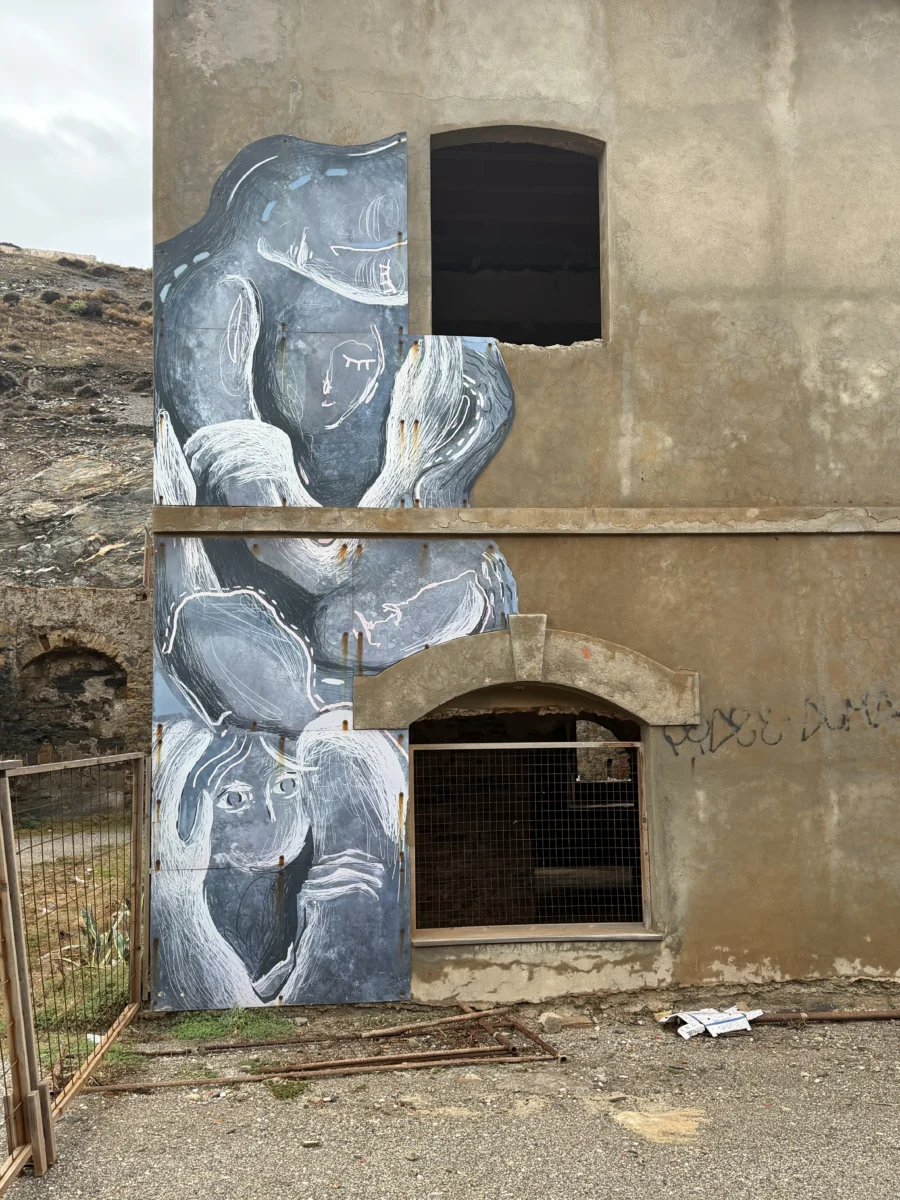
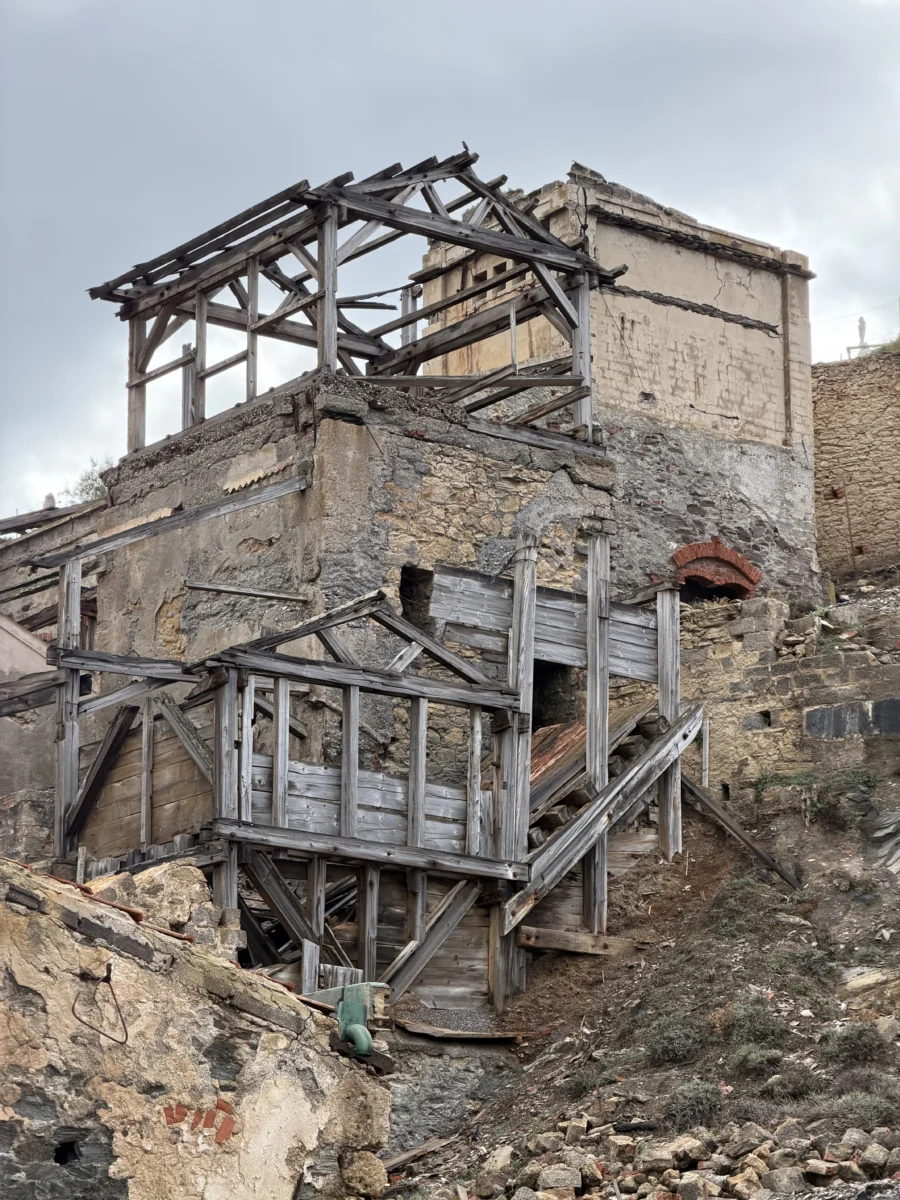
We drove the winding road down to Argentiera. We’d seen many references to it as a tourist attraction, but the sights were always described as ~”old ghost mining town”, which seemed like it could be really cool or.. really depressing. Turns out mostly the former we think. This old mining town has turned artsy!
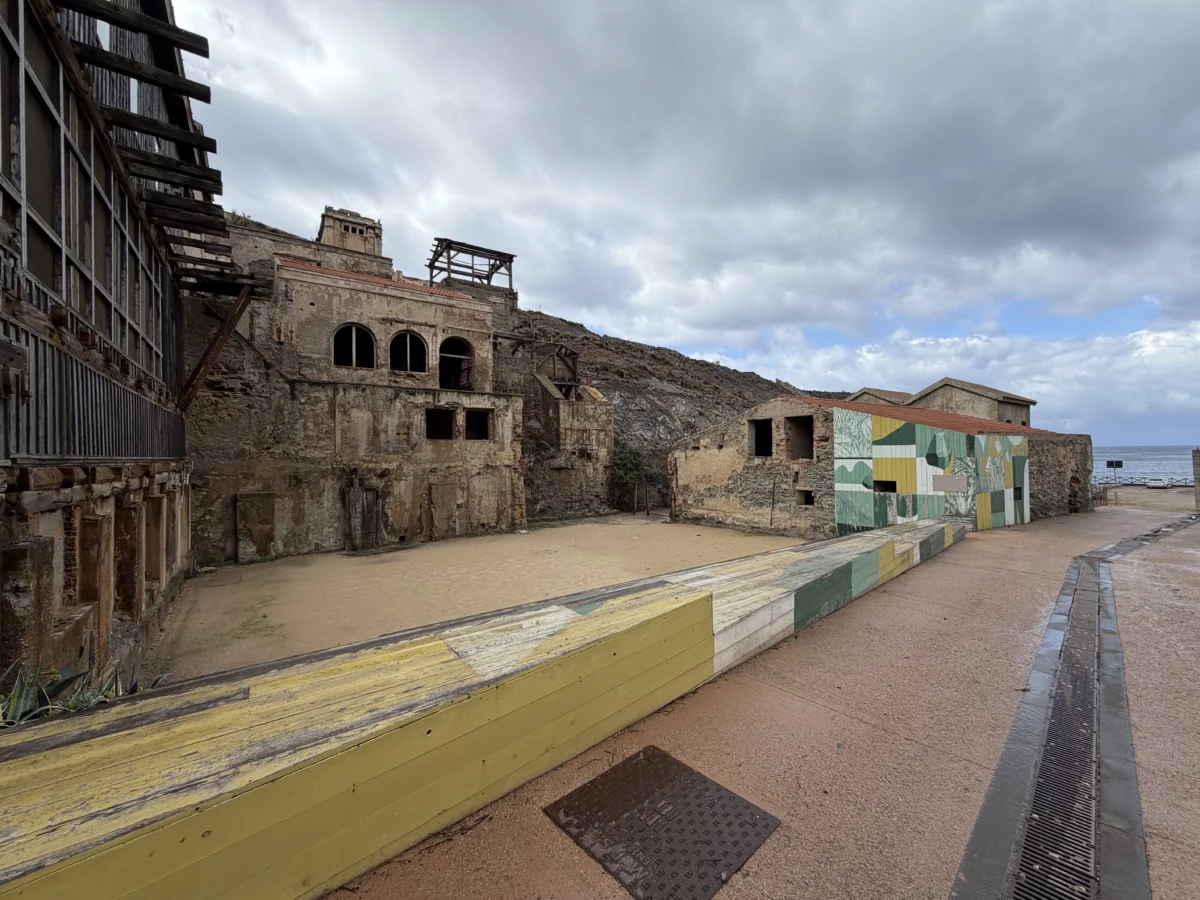
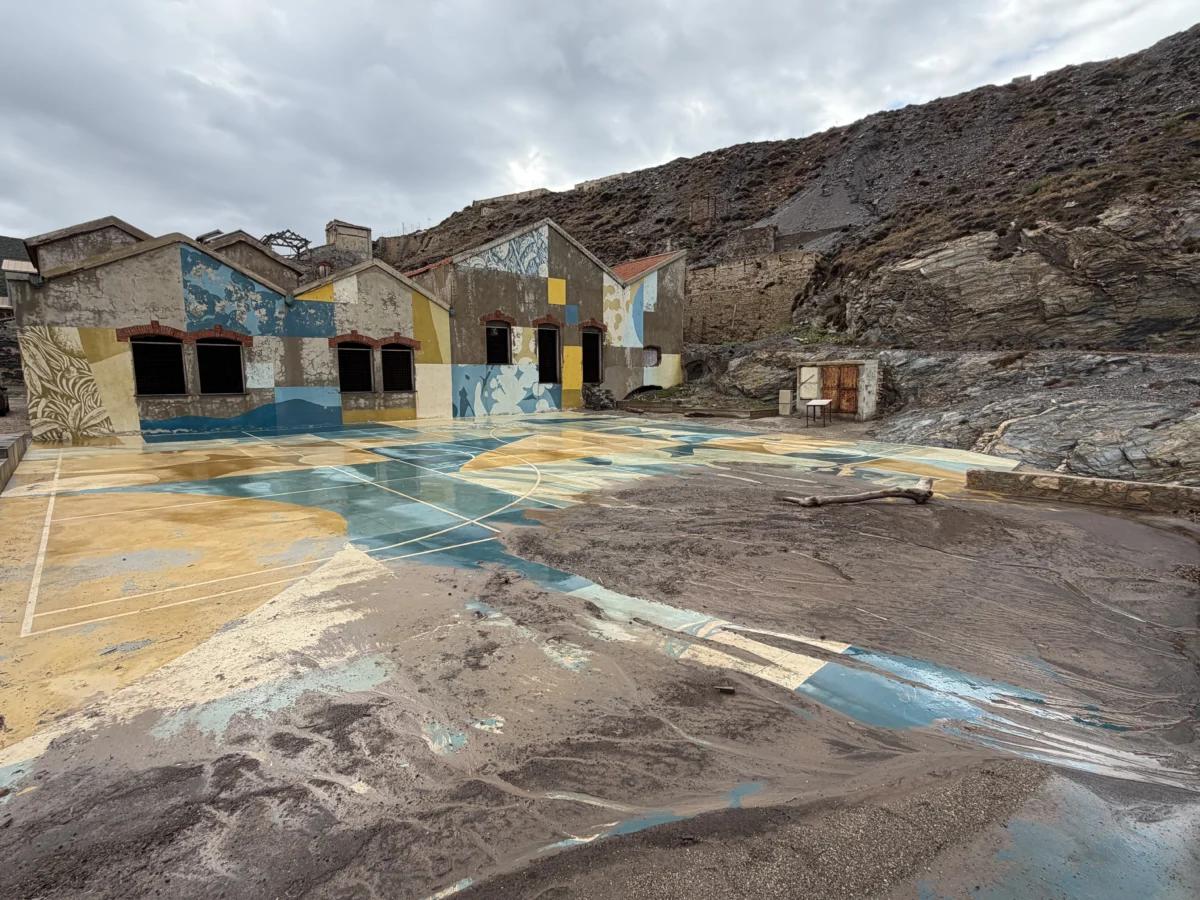
The tricky thing is getting a sense of what Argentiera is like throughout the year based on one overcast afternoon in mid-October. It was decidedly off-season when we went but it does apparently pick up somewhat during the summer. Would love to know if there are events, music?! Regardless, it seems well worth the quick stop by if in the area just to see something a little different and support the locals.
We never made it to Capo Caccia and Neptune’s Grotto. Capo Caccia is the huge cliff visible from all over the coastal Alghero area, and Neptune’s Grotto is a large cave network underneath it. Unfortunately the entrance to the cave is one meter above the surface of the ocean and the entire week we were in the area the ocean was rough so it was closed. It’s a shame to miss but gives us a definite goal for next trip to the region!
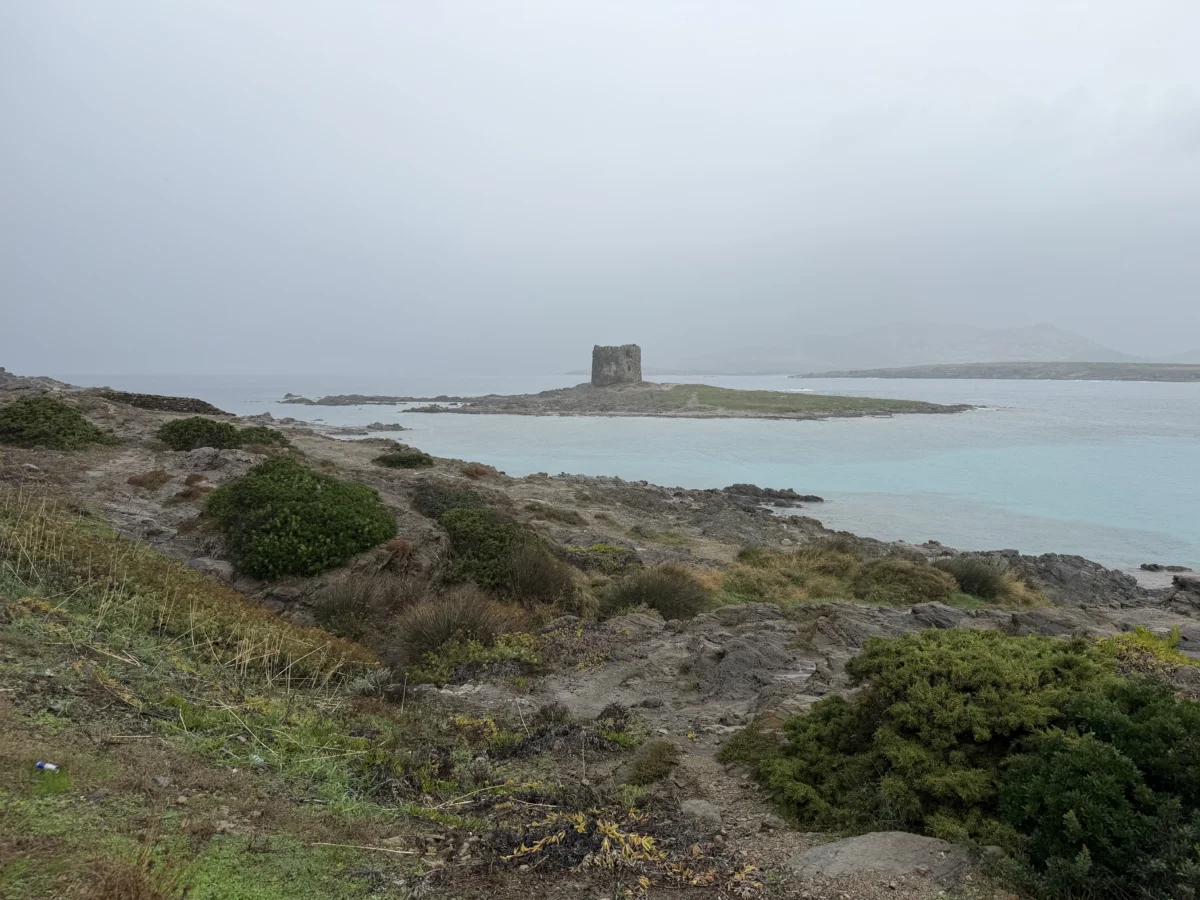
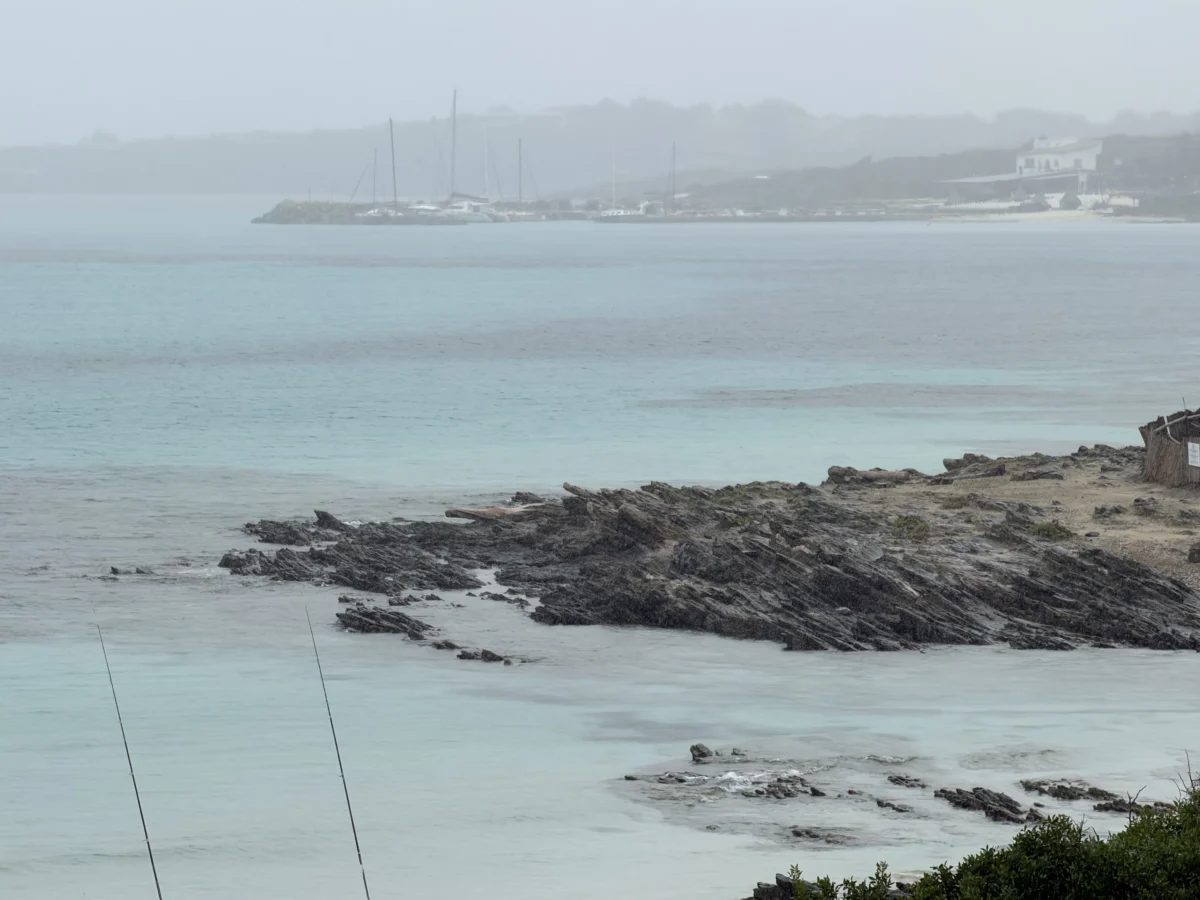
One of the most popular beaches in the Mediterranean is at the northwestern tip of Sardinia, Spiaggia della Spelosa. We managed to drive there and were admiring the turquoise blue water but.. a sudden downpour nixed our plans of swimming and taking good pictures. We saw enough though.. this beach is special. Even through the rain you could see the mint celeste hues glowing through. Oh and the people swimming did not get out for the rain. This is also very much on our next-trip list!
To the northeast of Alghero is Sassari. Well.. sort of. Sassari is also the name of the “Metropolitan City of Sassari” region and Alghero is a city within it. Alghero is the 5th largest city in Sardinia while Sassari (the city) is actually the 2nd biggest (Cagliari being the first). We tried to get parking one evening but it was surprisingly packed and hectic so we bailed. We’d like to explore the historic downtown at some point.
We did go just outside downtown Sassari once, to get dinner at Loludà. Loludà is the top-rated restaurant in the region on most apps and you can tell why. The owner, Dario, is charismatic and deeply knowledgable, and glides from table to table making sure everything is just right. It’s an elegant setting with a definite casual style at the same time. And the food..
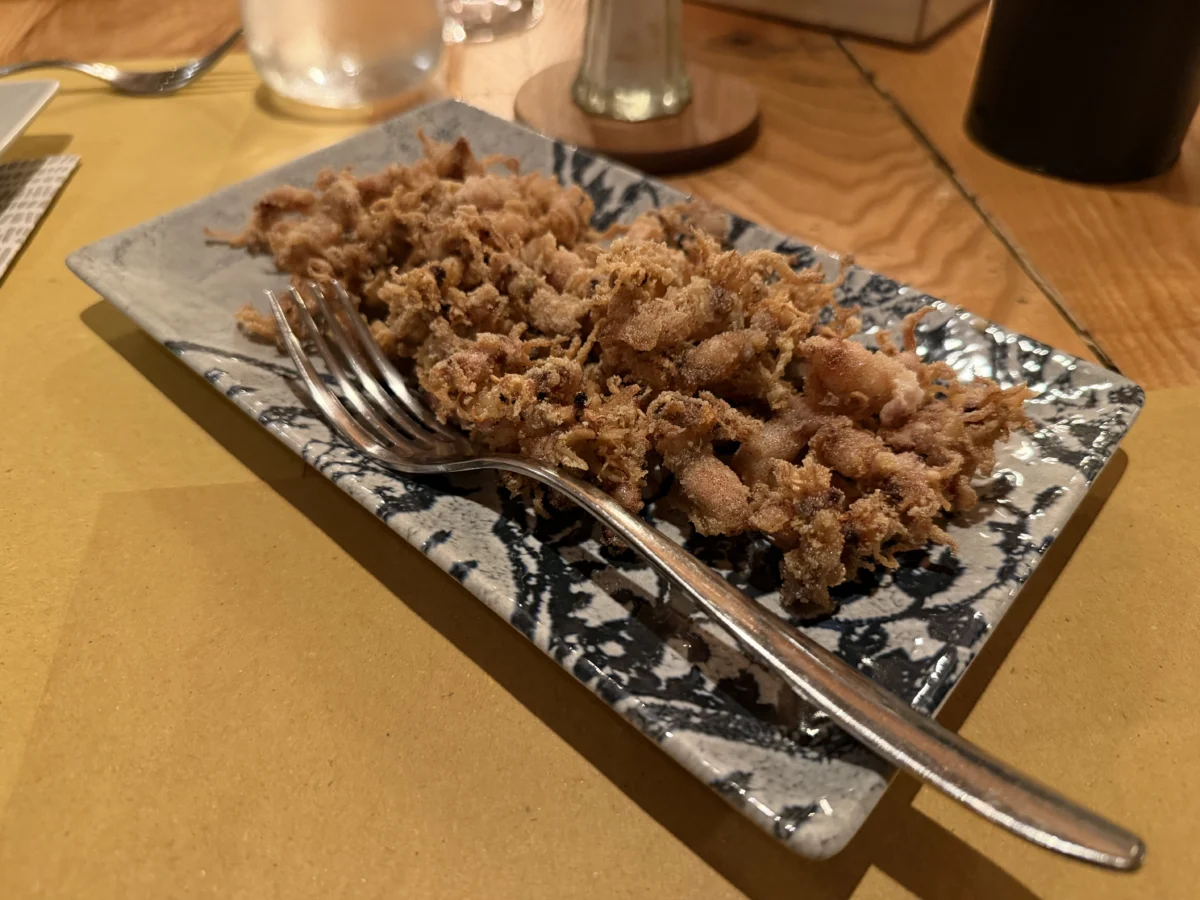
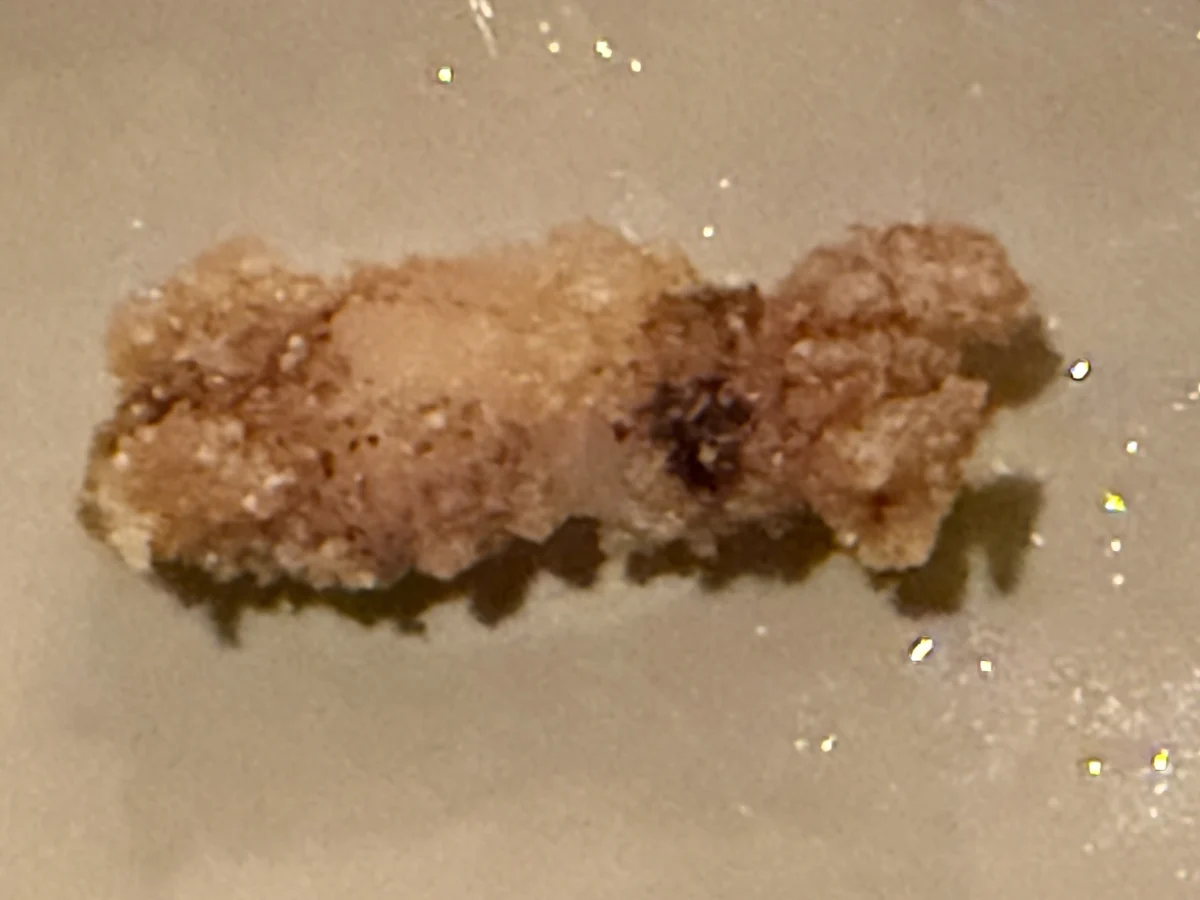
Always have to try new things! Turns out there are multiple types of squid, and these appetizer-sized ones are very different from the big ones we normally eat. The whole creature was tiny and super well-seasoned so this big serving went quickly.. although the eyes were very.. visible so Savitri called it quits part way through after a strong start.
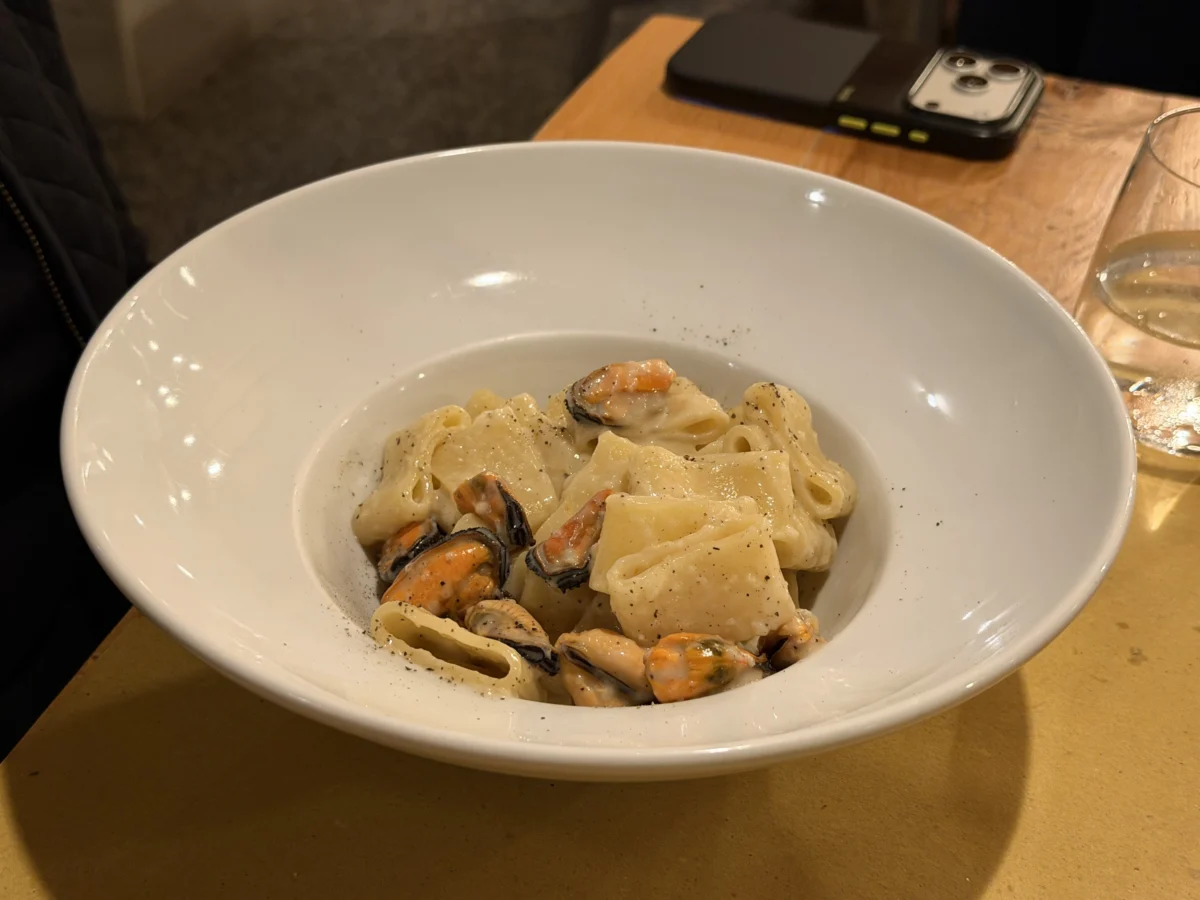
Cacio e Pepe is a super simple dish, but by no means easy. This was done very well with the added twist that it included mussels. Delicious.
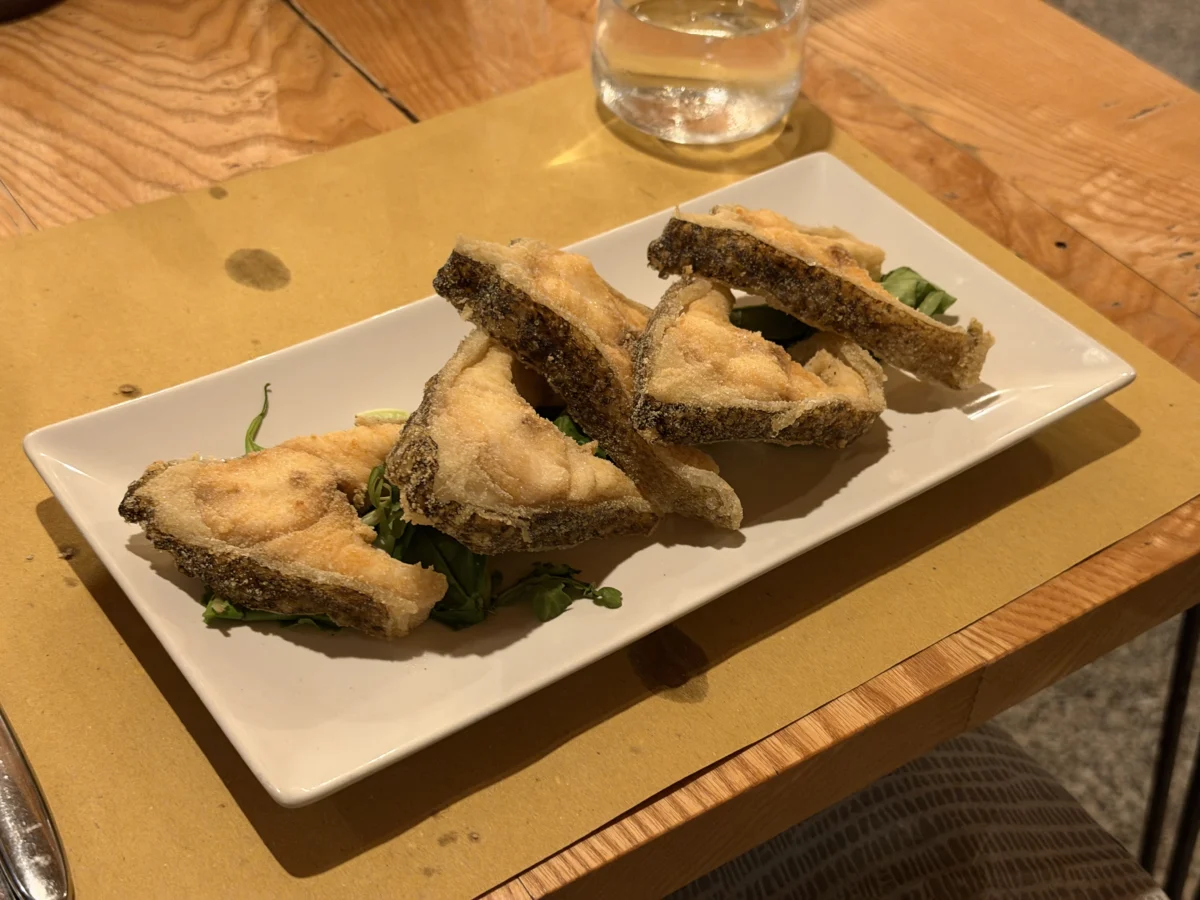
Did I mention trying new things? While I’ve had a lot of eel over the years, it has mostly been in roasted and sweet dishes, almost entirely Japanese. This moray eel was not that. In fact it tasted and felt a lot like Tilapia, but again with excellent seasoning. The downside, and I did look it up ahead of time to know it was a risk, was the bones. Each slice had a central spine piece as expected, but radiating outward from that were 5-10 tiny bones per slice. Ideally these would all be removed but I get it. So I did the chewing style where you crush every mouthful repeatedly against the palate to test for bones. It’s probably good to slow down my eating a bit, but it’s still annoying.
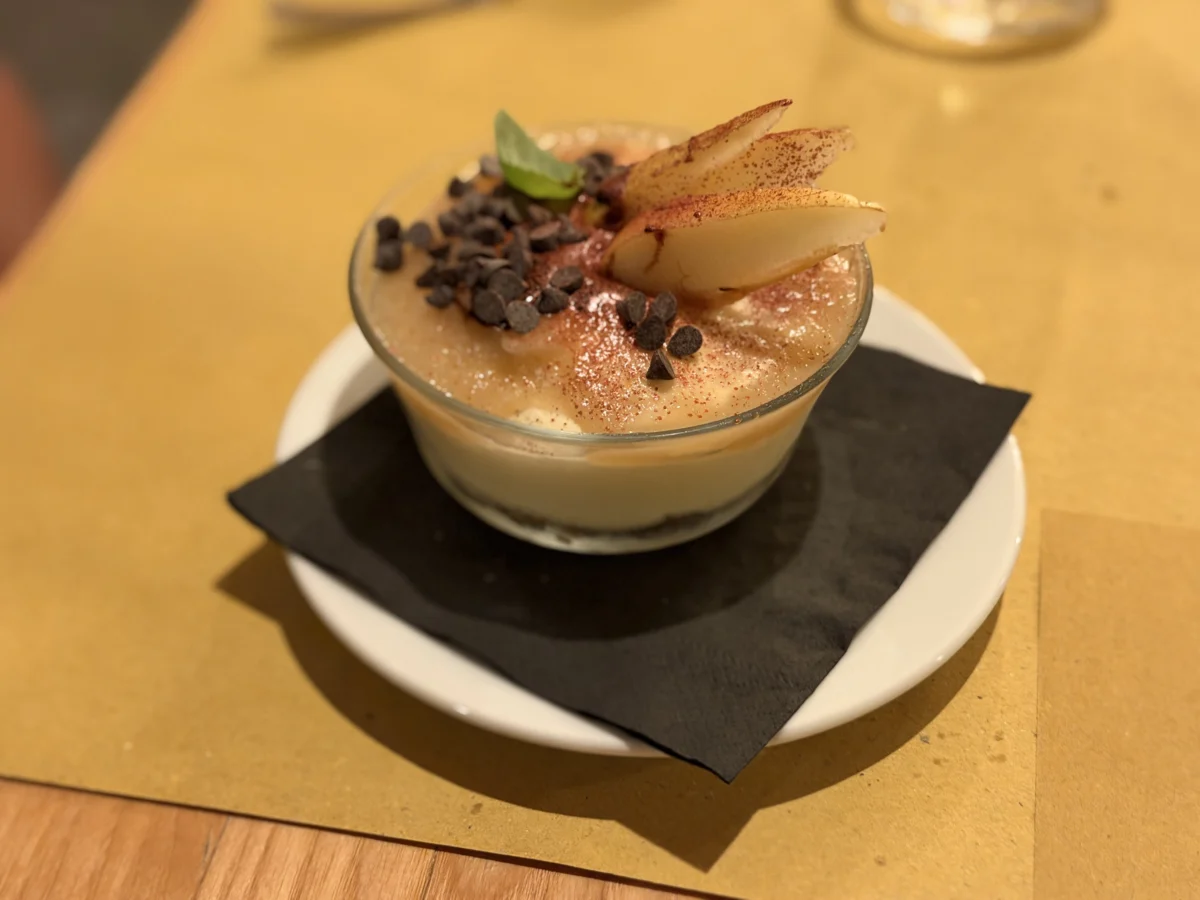
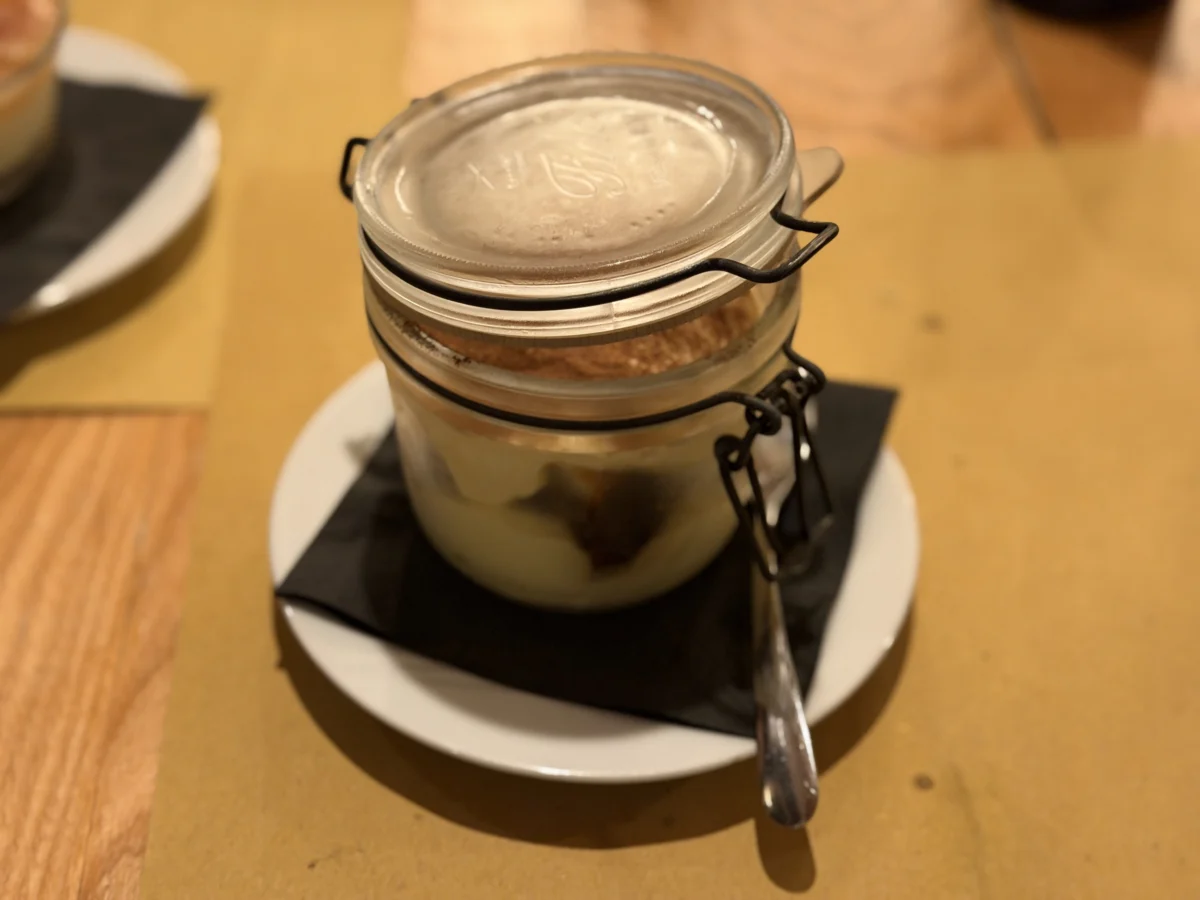
Any dessert emphasizing pear or chocolate is intriguing to us, so featuring both made it a must-try. Yum. Tiramisu is a classic and another great measure of an Italian chef. This was some of the best we’ve ever had so kudos!
Dario brings a passion to his food and his business that is undeniable. We spoke with him at length before, during, and after the meal and really like what he’s doing. We look forward to eating here again and perhaps trying his next venture..
Monte d’Accoddi is just northwest of Sassari and is a Neolithic and Copper Age archaeological site. It is often referred to as a pyramid due to its multi-tier construction, though certainly not in the way or on the scale of Central American or North African pyramids. However, Monte d’Accoddi was built over 1,500 years earlier than the first Egyptian pyramids and 3,000 earlier than the first Central American pyramids. It was also only excavated starting in the 1950s.
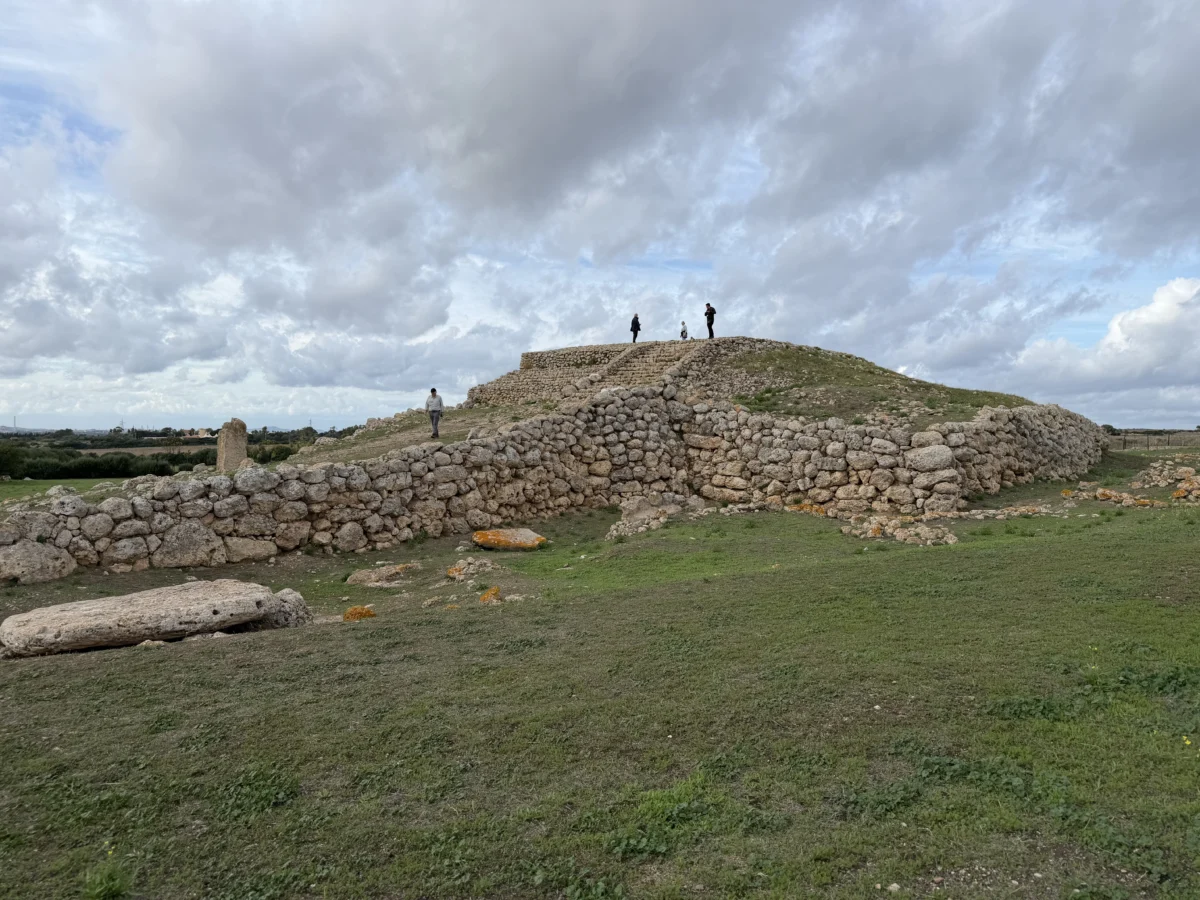
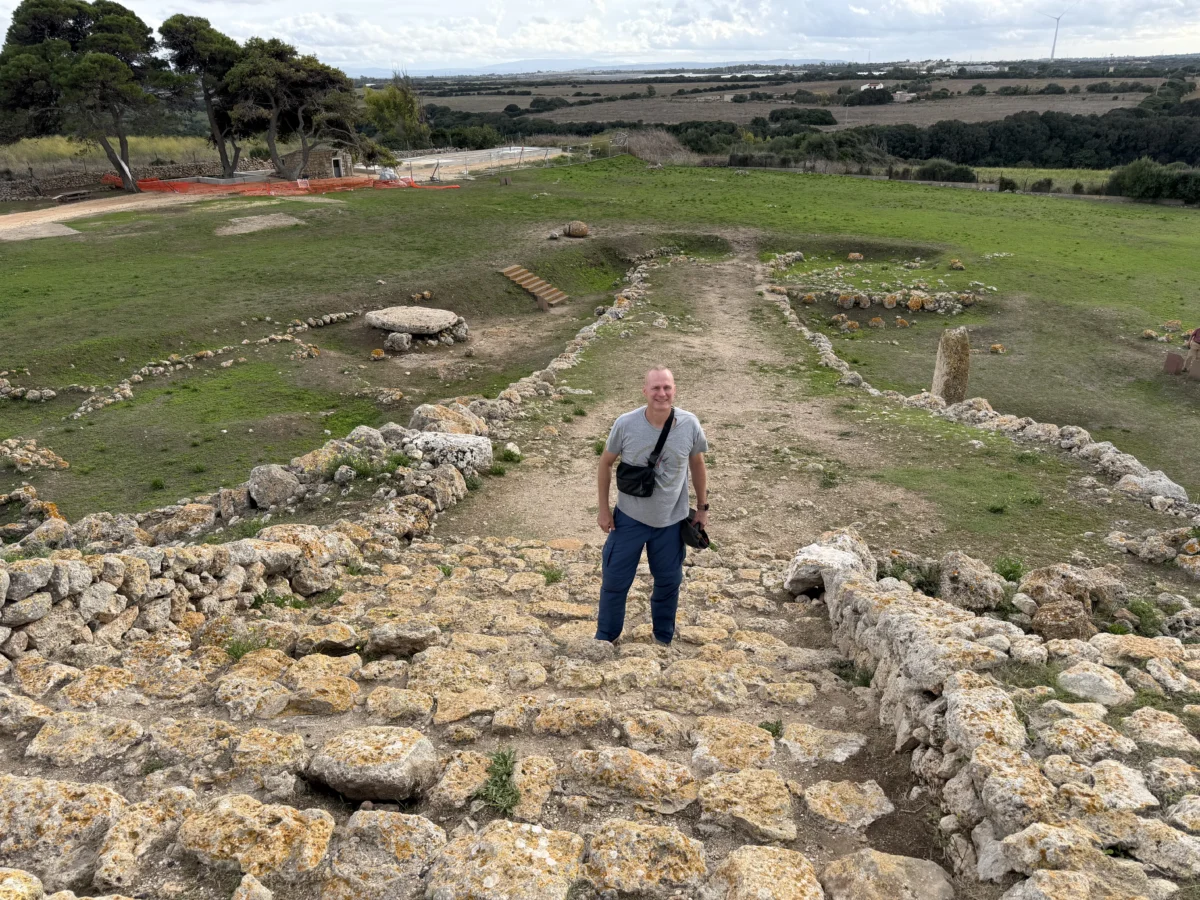
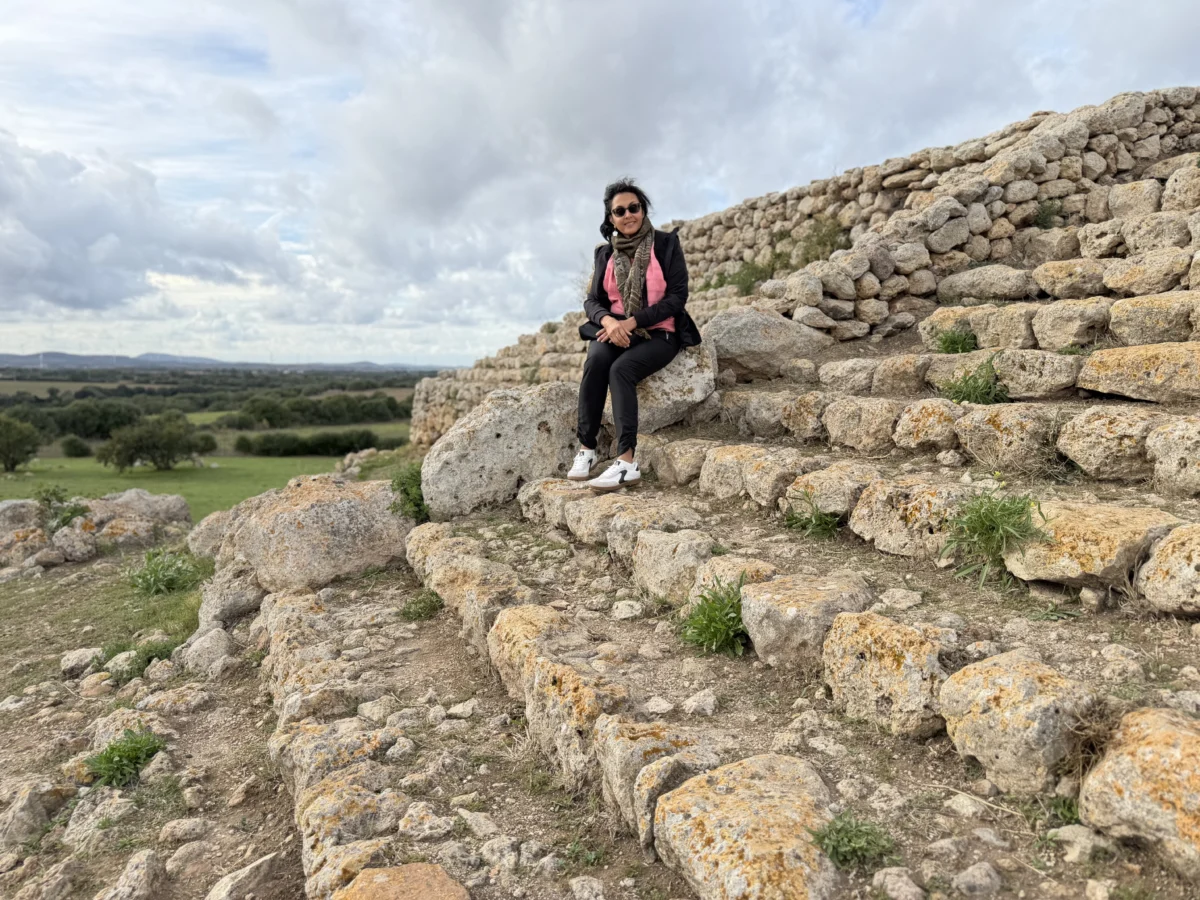
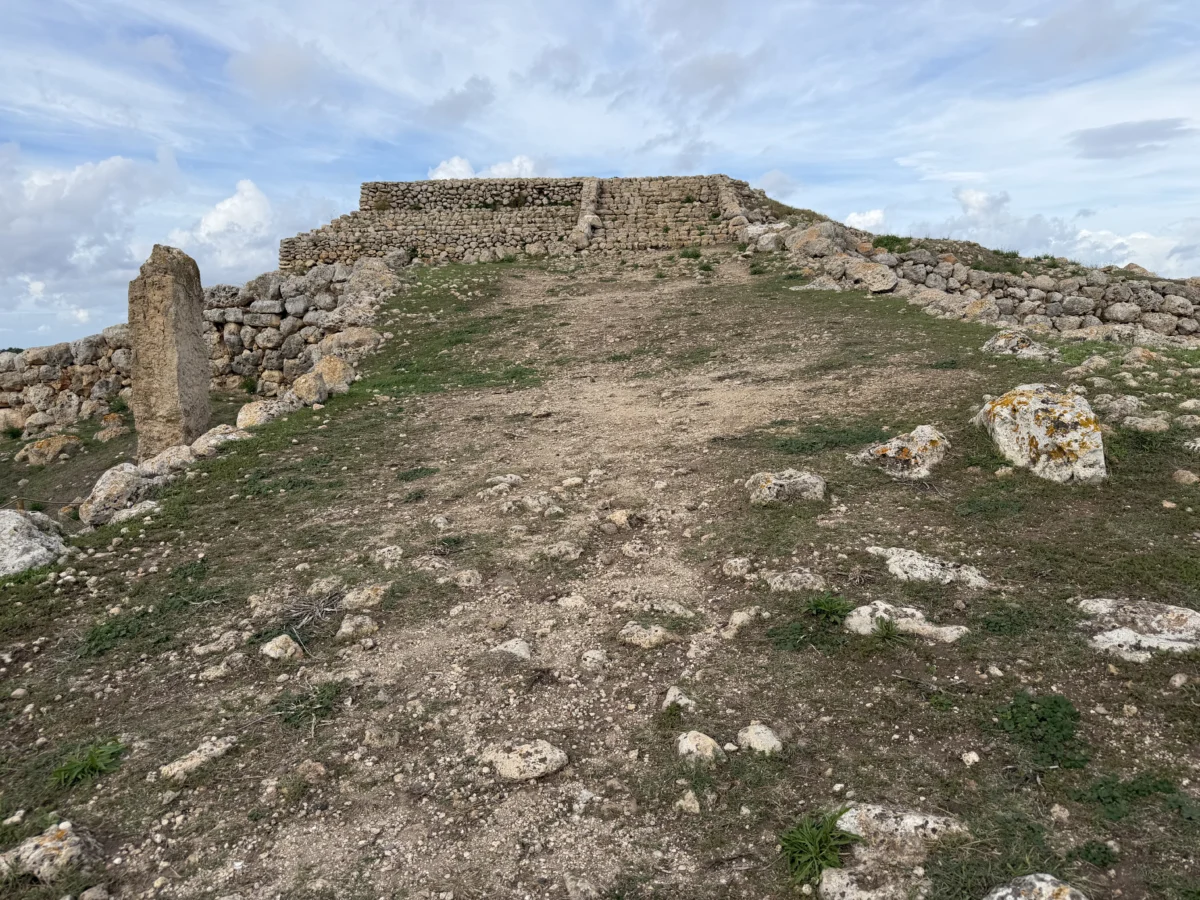
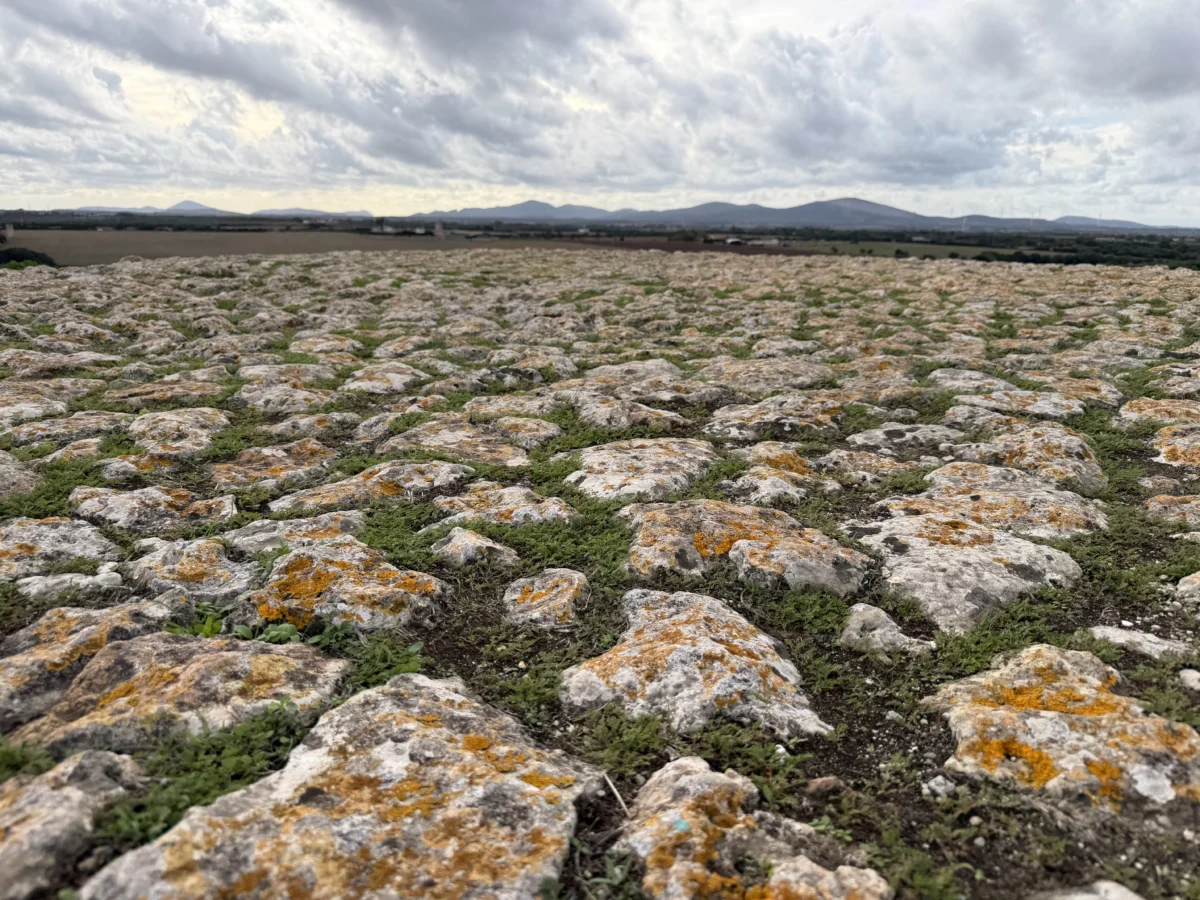
The history associated with this place is very interesting and I’m especially curious to learn more about the red temple, which is still being excavated and is inaccessible by the public. I think what really resonated with me about this particular site is that it survived thousands of years lying under a small hill in a field. Dozens of generations of people lived in and farmed the area with this big mysterious mound beneath their feet. What is under the next mound?
We stopped in Porto Torres for a quick lunch. It’s immediately apparent that it’s a town of two personalities. We drove in from the west and it was all industrial, wires, warehouses, storage tanks and such. Not pretty, but necessary. Then a few minutes later you turn onto a sleepy Main Street with restaurants and shops. It has old stone pedestrian areas and a large marina. The marina is also split- the west side has a few huge ships and the east side has over one hundred small boats.
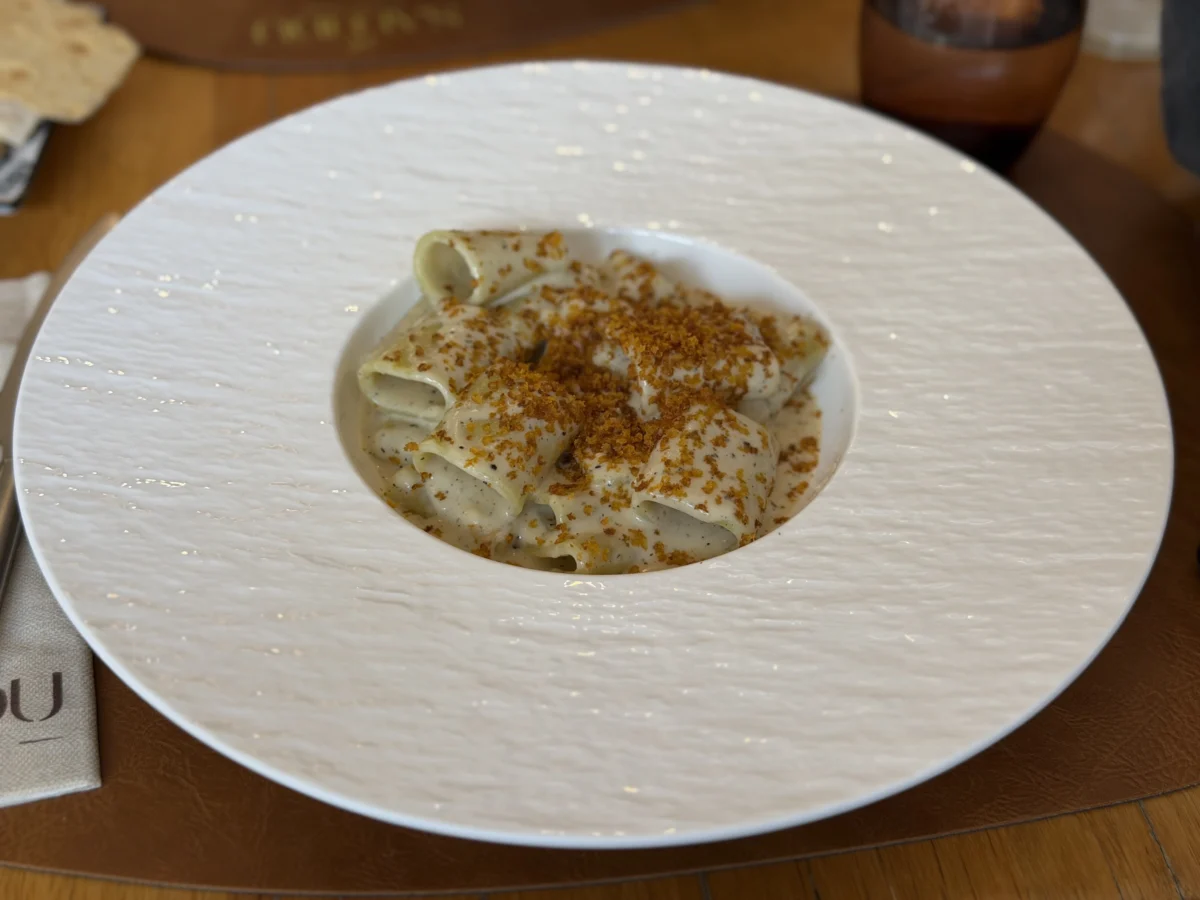
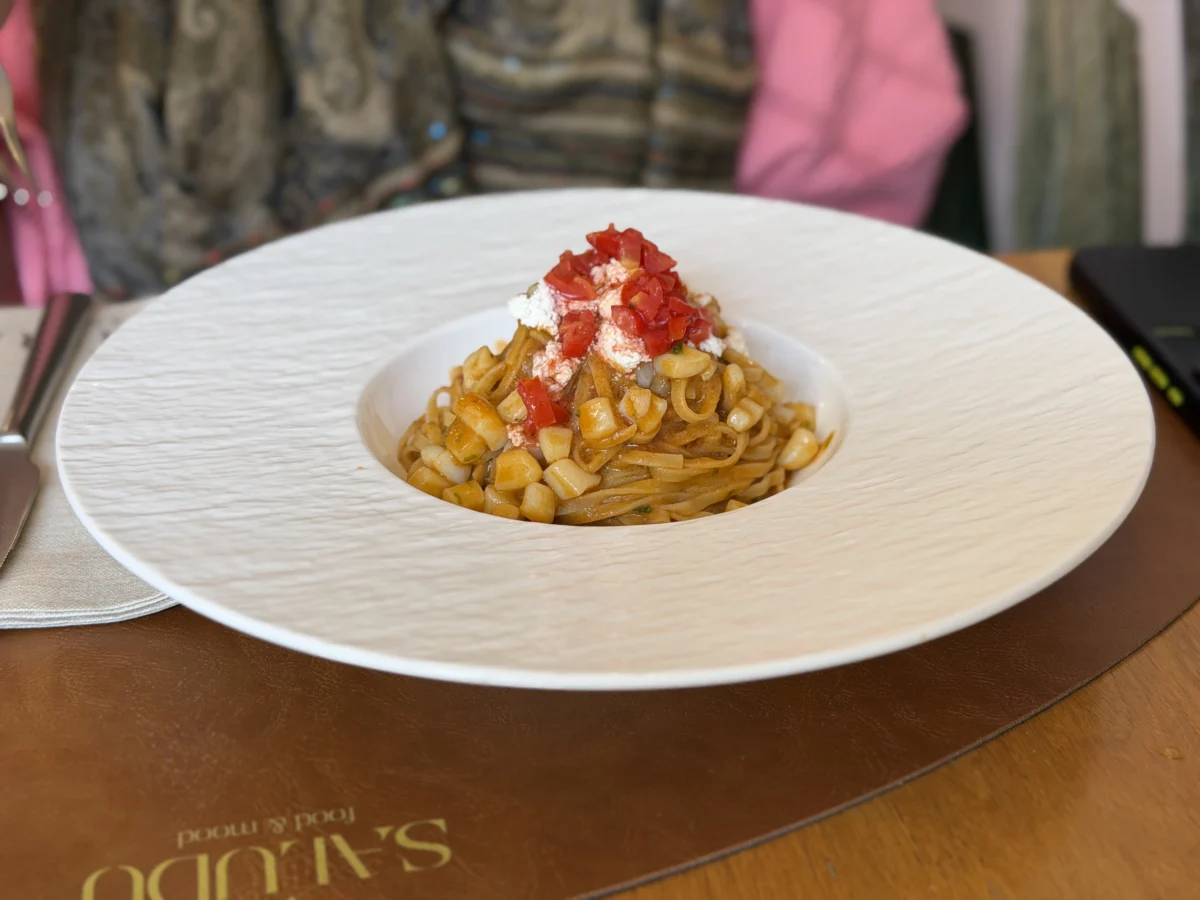
We had lunch at Saludu food & mood, a cute little cafe and shop that was one of the few open. The waitress was super nice and the menu small but enticing. The Cacio e Pepe was very good and flavorful. The Tagliolini was good and well-made but should have had more lemon and.. punch.
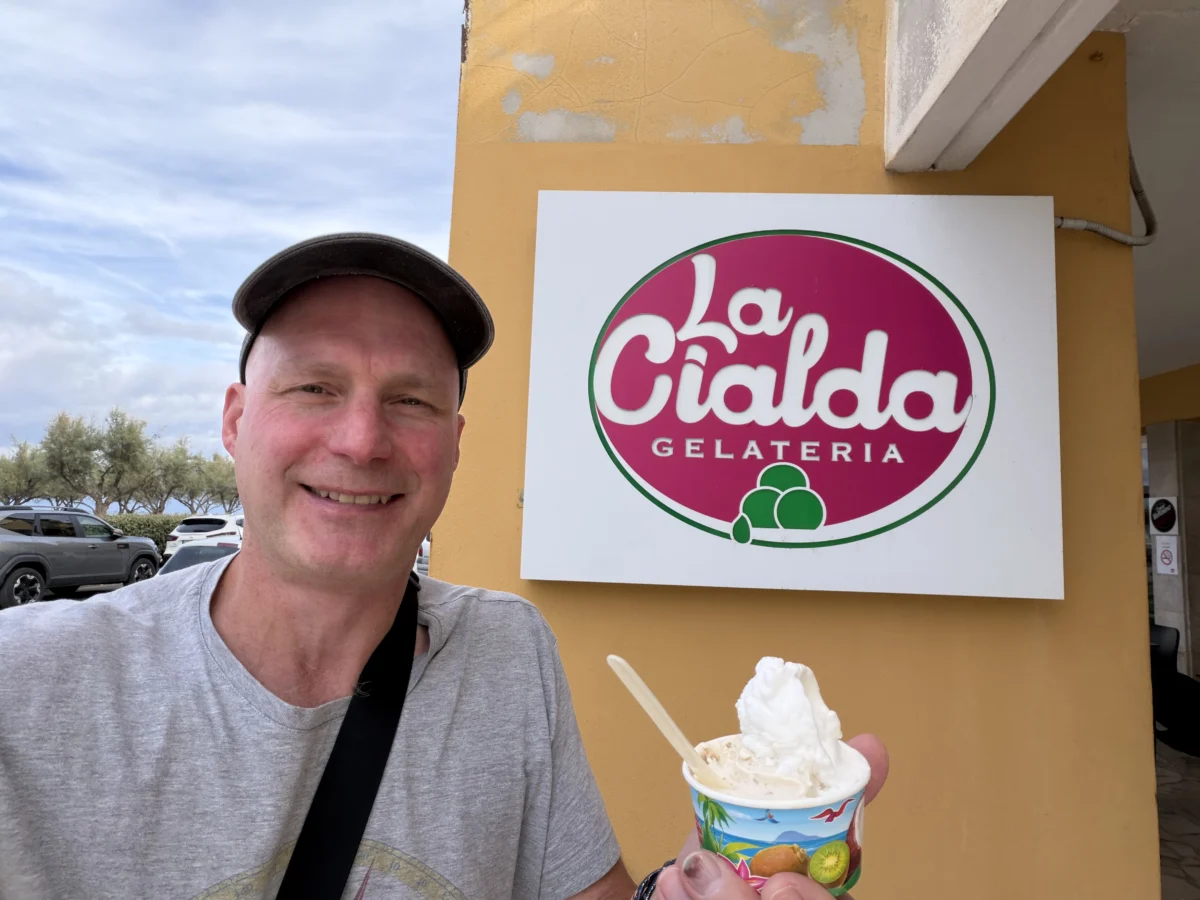
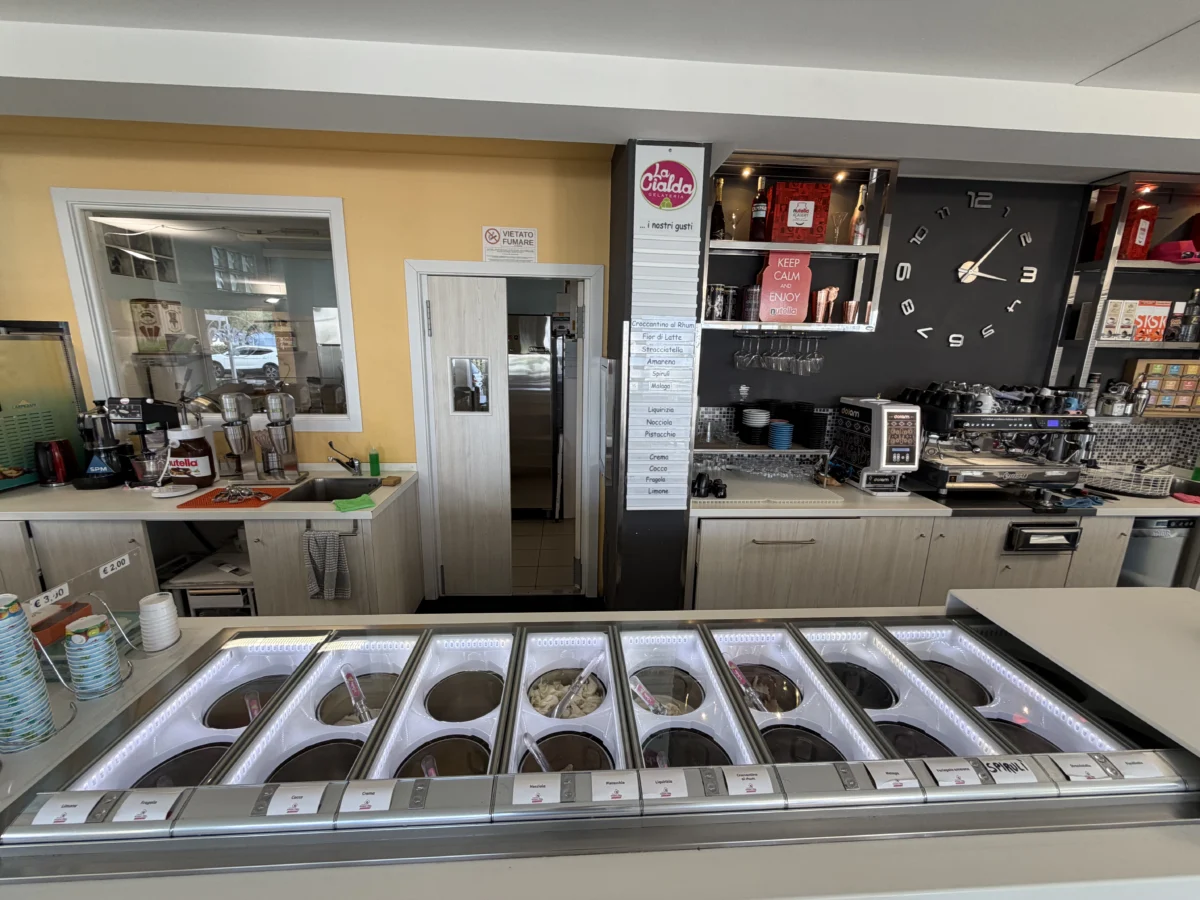
For dessert we went around the corner to La Cialda. We arrived as they opened and the lady was very sweet and helpful. We have decided to focus (except for times of desperation..) on gelaterias that prepare all of the gelato in-house. Just like elsewhere in the world, it seems that nearly all towns of any size have authentic artisanal gelaterias and then showy places that resell. Both can satisfy a craving, but we want that additional connection to the source. La Cialda does it all and it shows.
I got the malaga (rum raisin) and the limone, both excellent. Savitri got the Croccantino al rhum, which is essentially rum with toasted hazelnuts. It was outstanding as well.
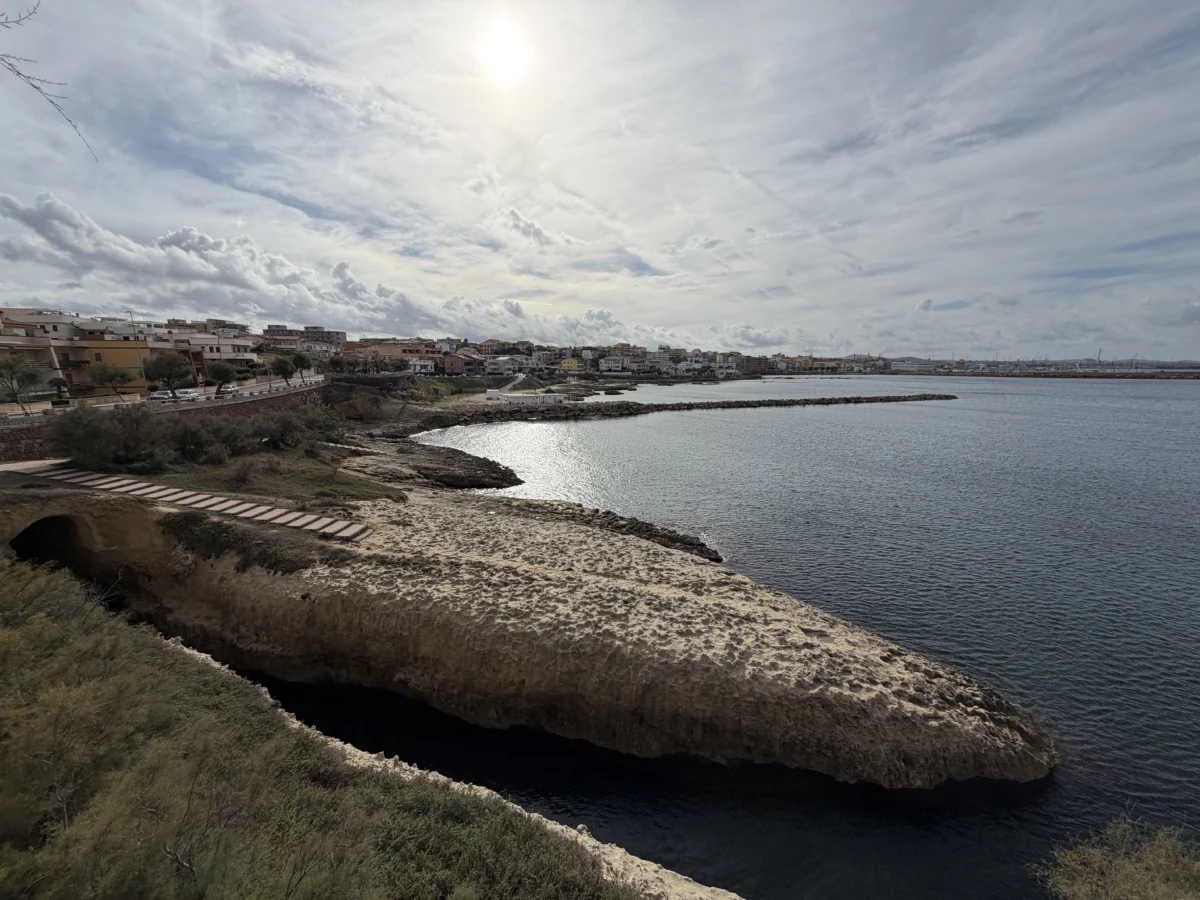
We went a little further along the coast to the east and found a small park. In OpenStreetMap I saw “Grotta del Inferno” as a location nearby and figured that was either really cool or.. horrifying. One minute later I confirmed that it was both! The limestone has eroded irregularly and formed deep.. and DARK inlets and sea caves along the shore. Well up under the park and roads. Looking at online pictures, some of these can be beautiful and swimmable in the right conditions, but they were not appealing on this cool windy day! Glad I didn’t lean out any farther for this 360 shot..
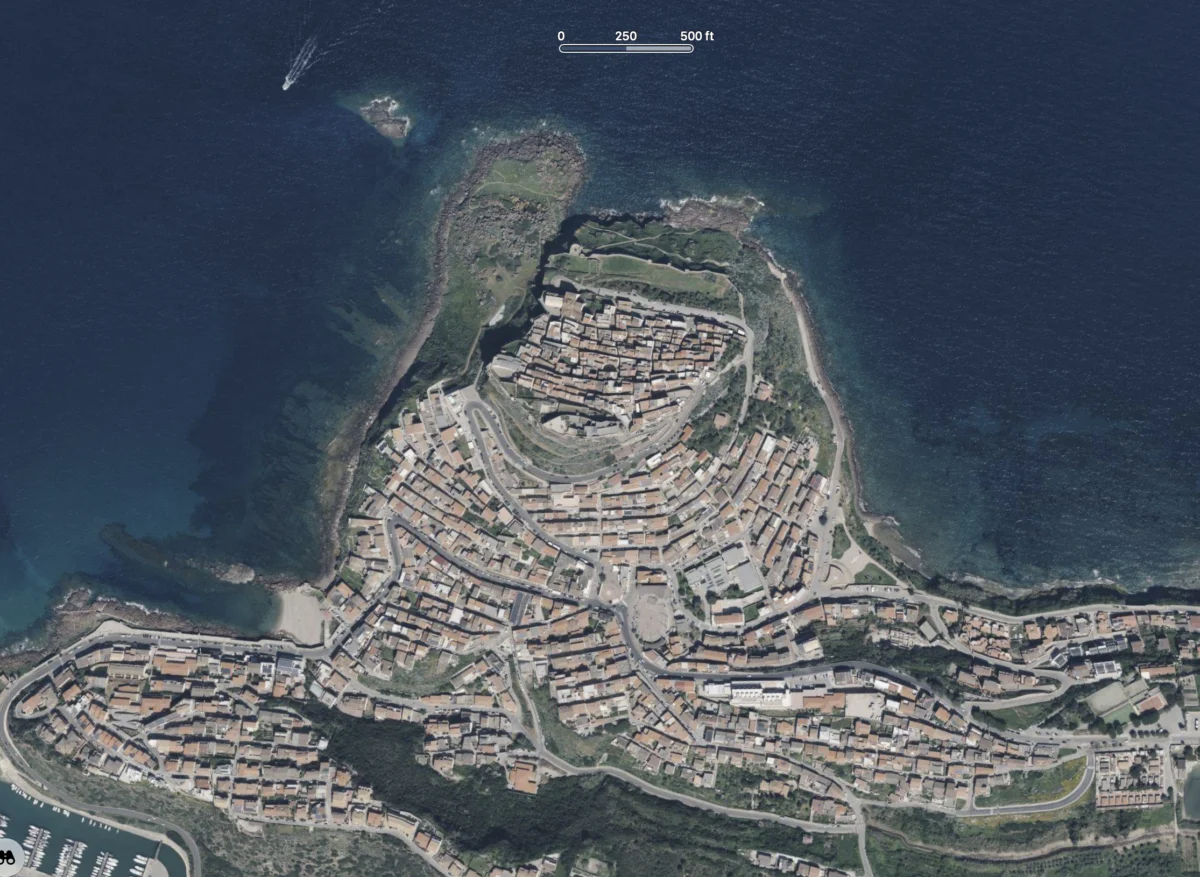
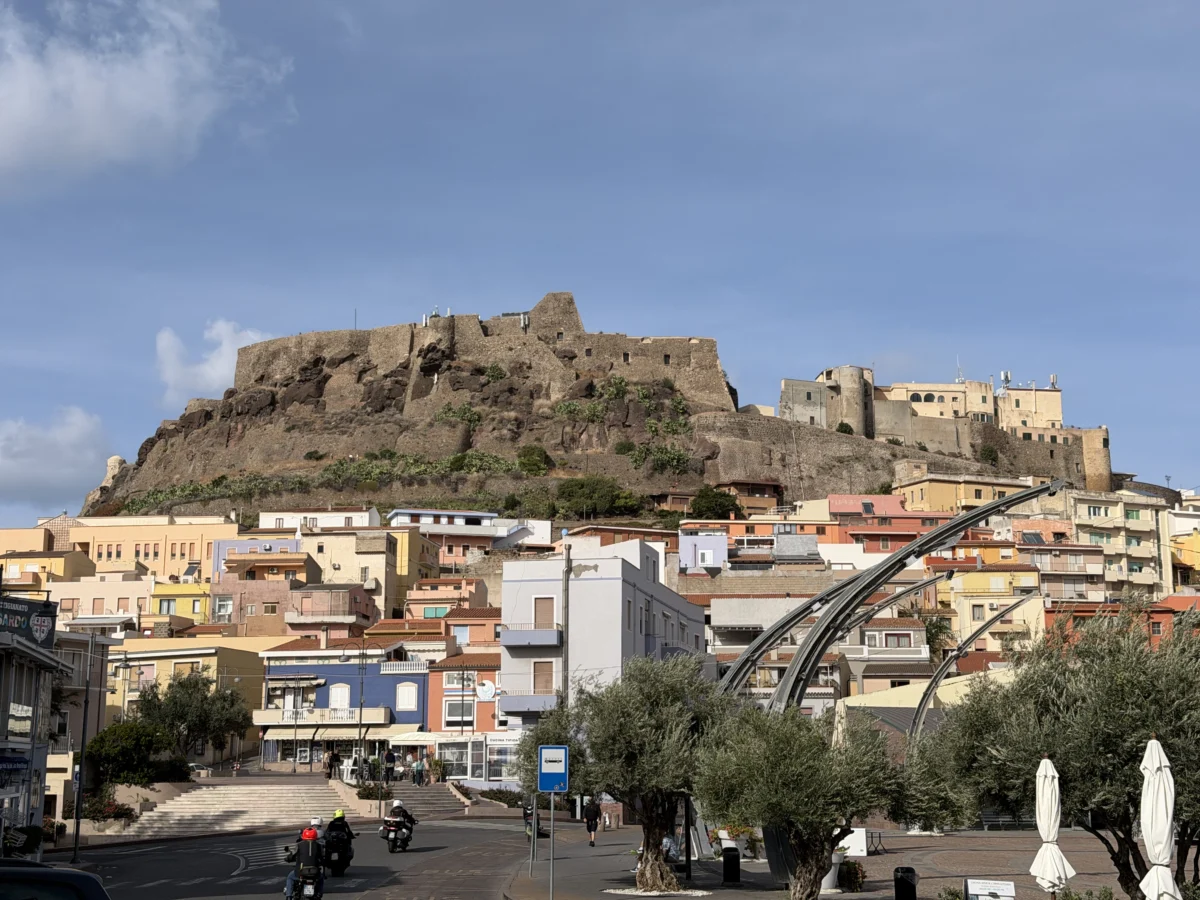
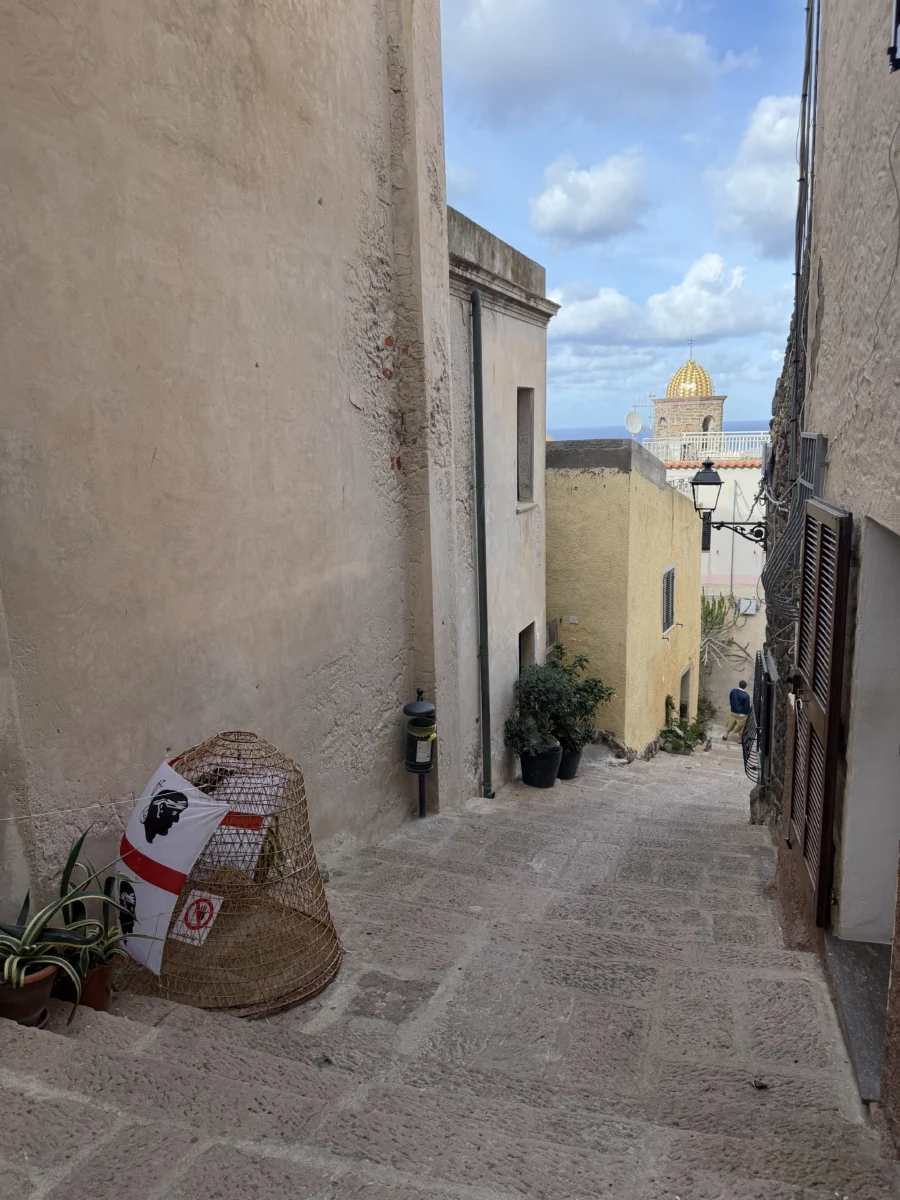
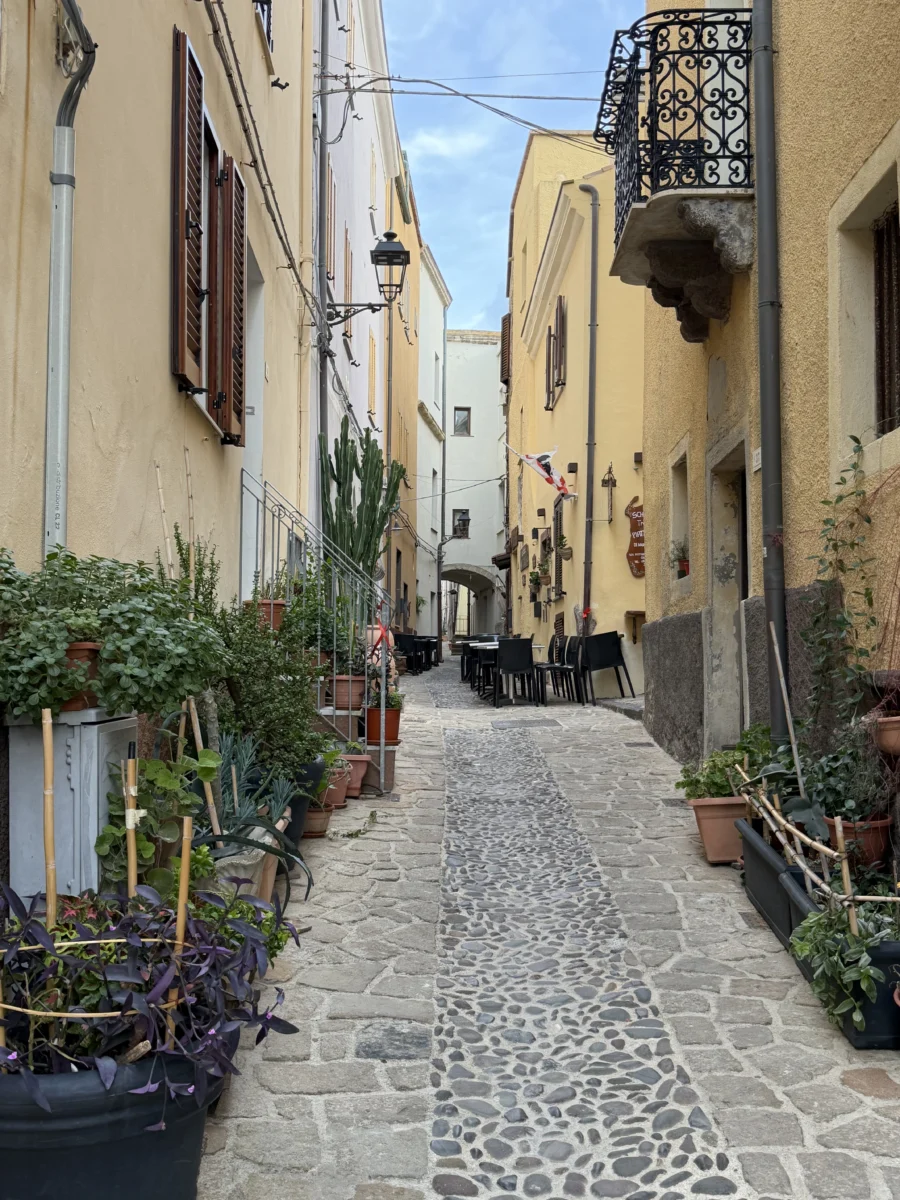
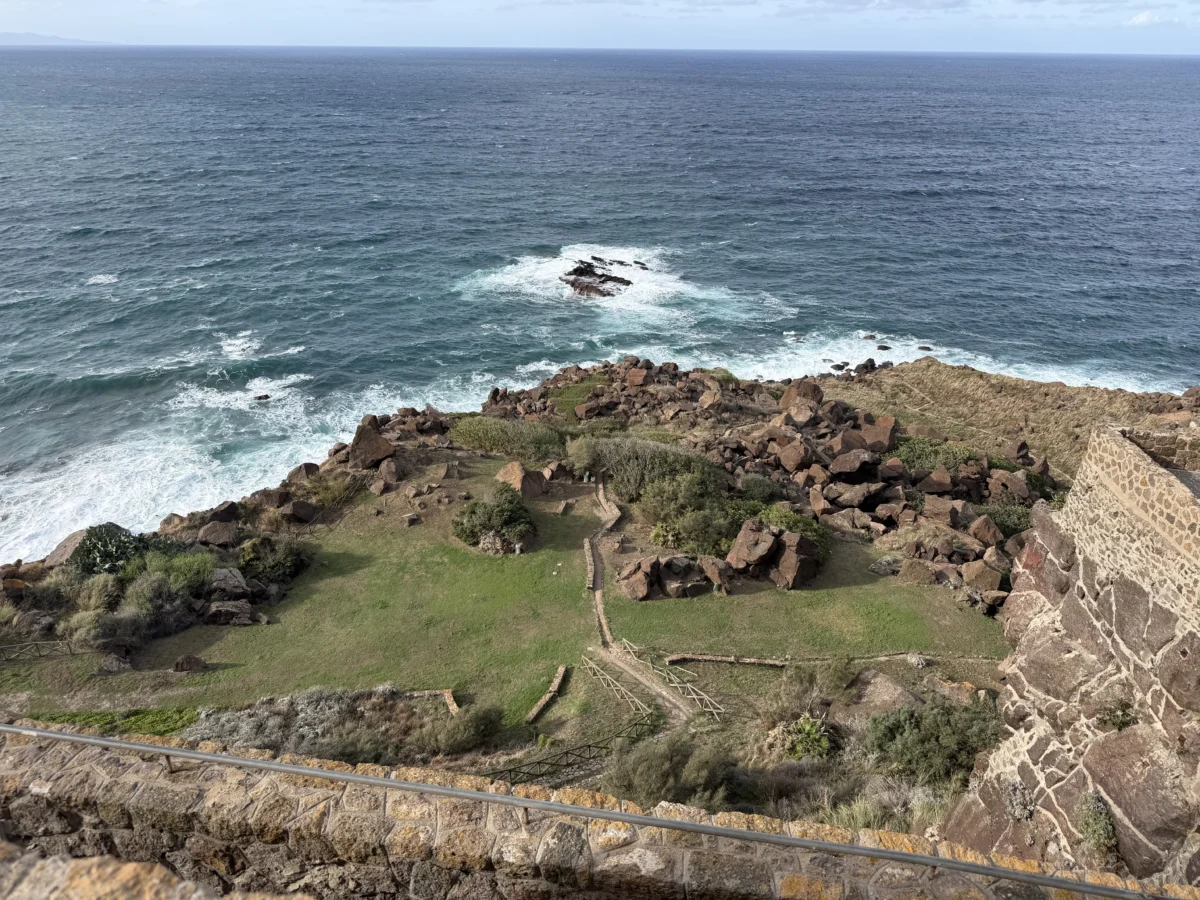
The northeastern-most place we visited while in the general Alghero/Sassari region was Castelsardo. It is a picturesque town built on a rocky promontory over the ocean. It is also a city in two distinct parts- the old city inside the walls at the top and the modern city sprawling down the hill and along the coast outside the walls. The former was built in the 12th and 13th centuries, while the latter has been built in the last two centuries. You can also see the large green park area at the base of the city walls, along the coastline. It’s all incredibly beautiful and quite steep!
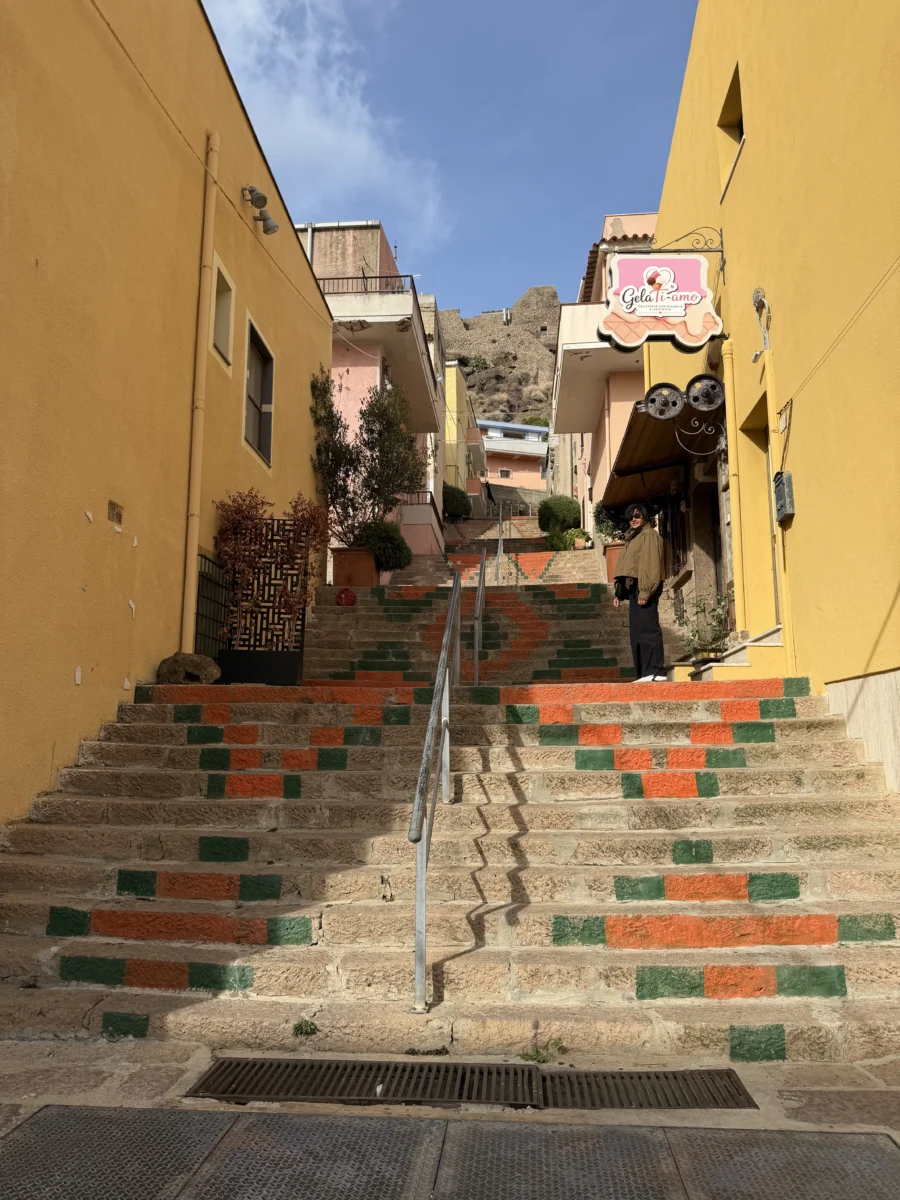
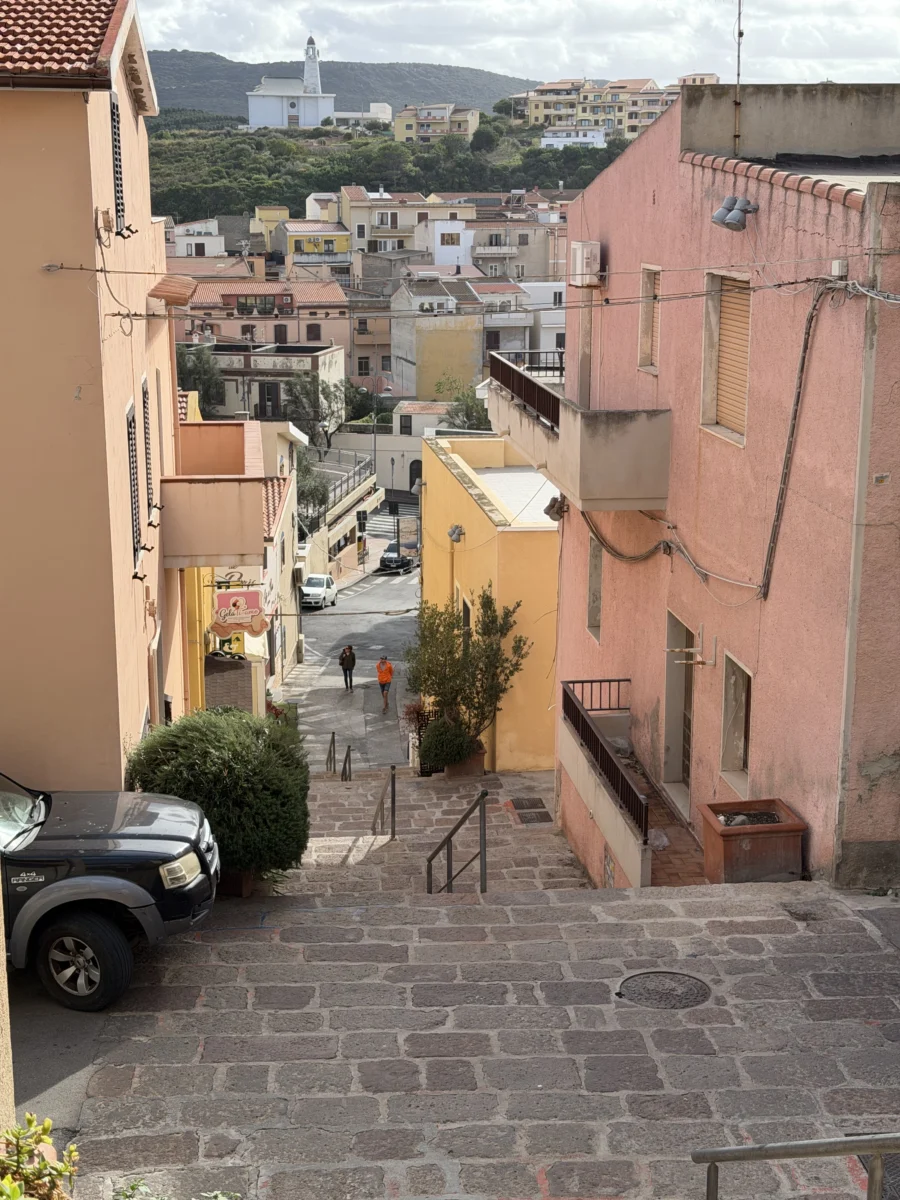
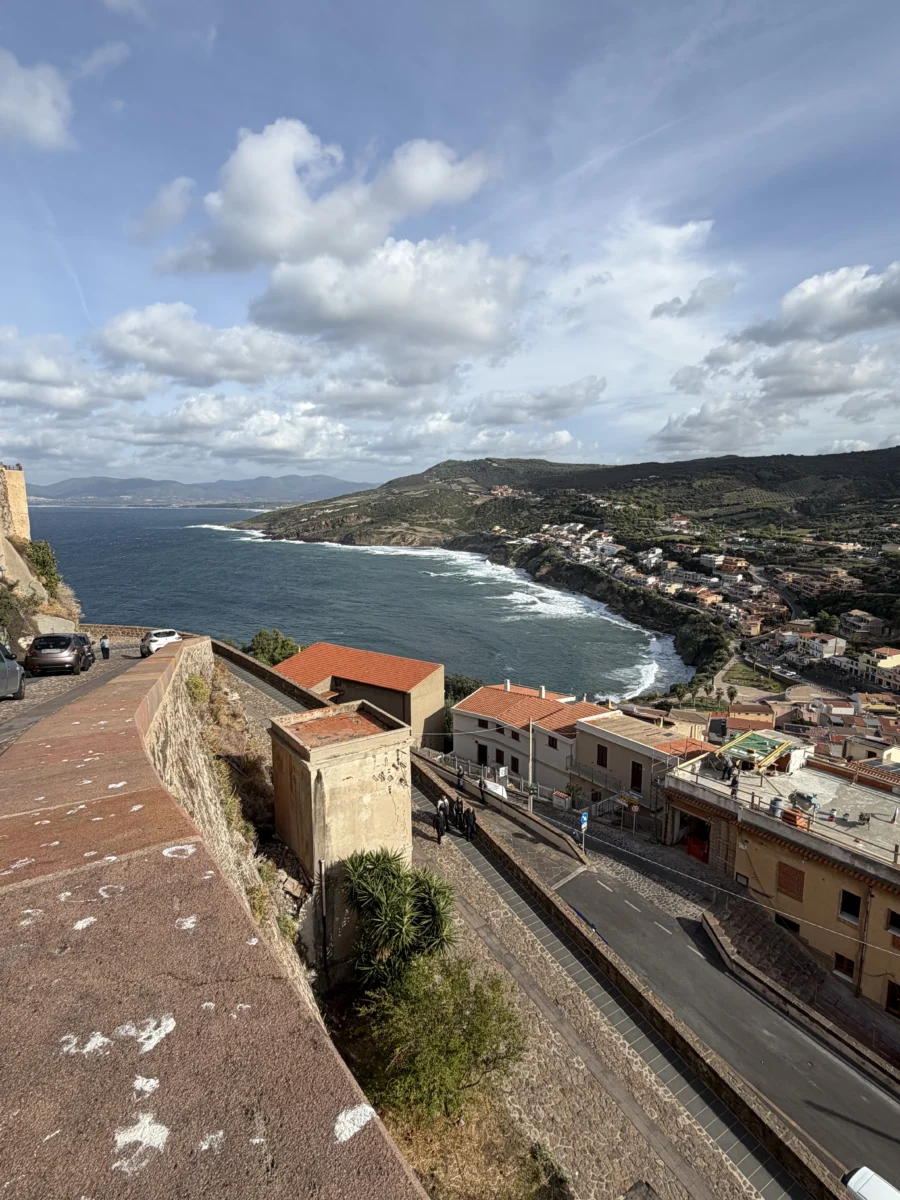
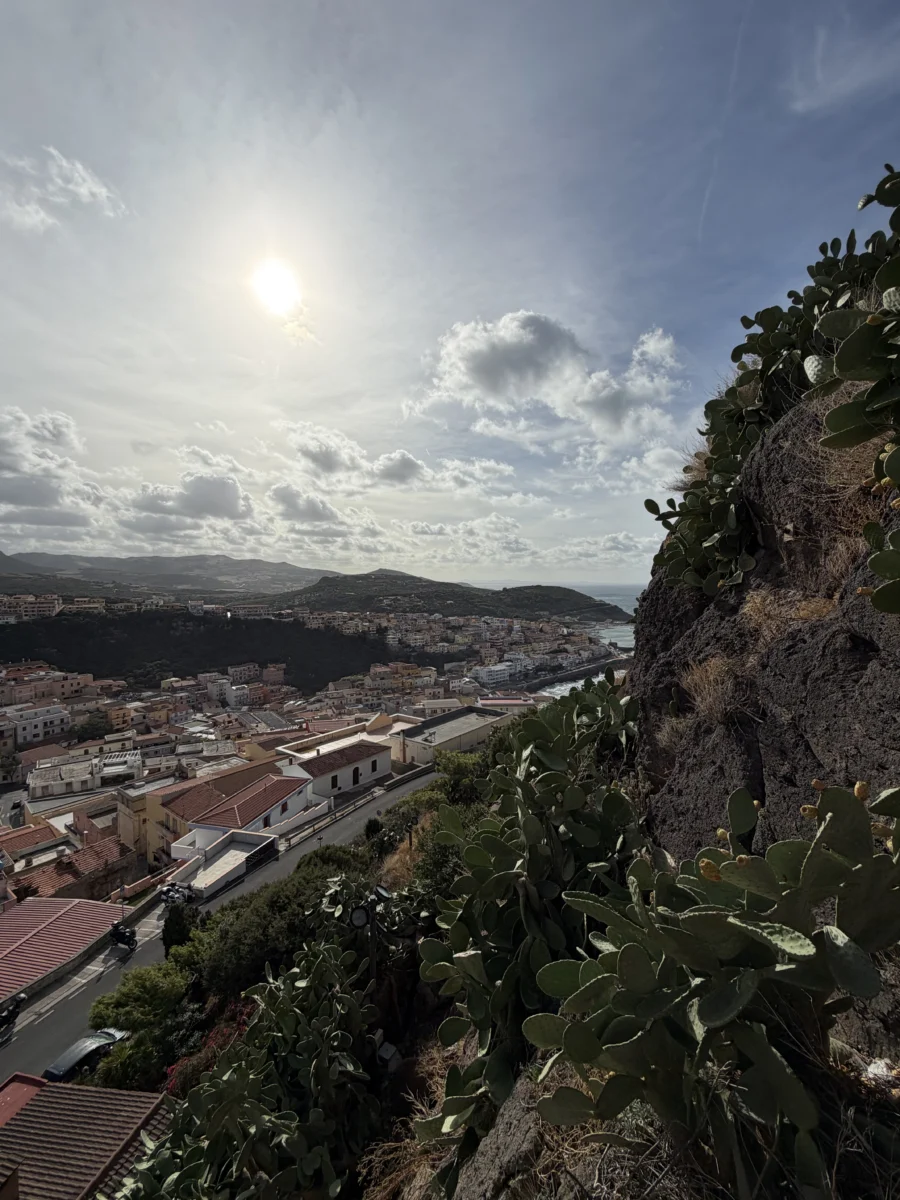
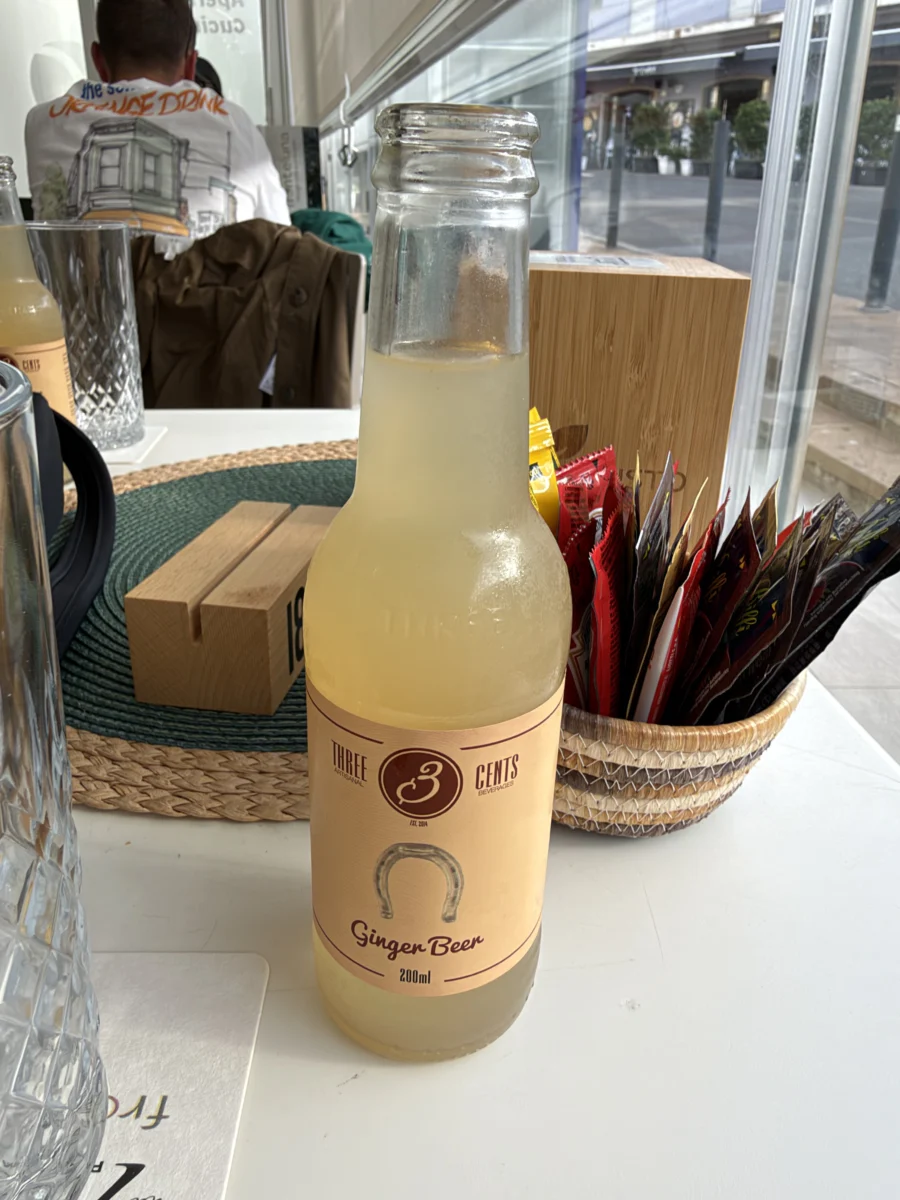
We had a chicken sandwich & fries for lunch at Fronteluna Lounge Bar. Nothing special. We did try the Three Cents ginger beer with it and it was quite spicy and nice!
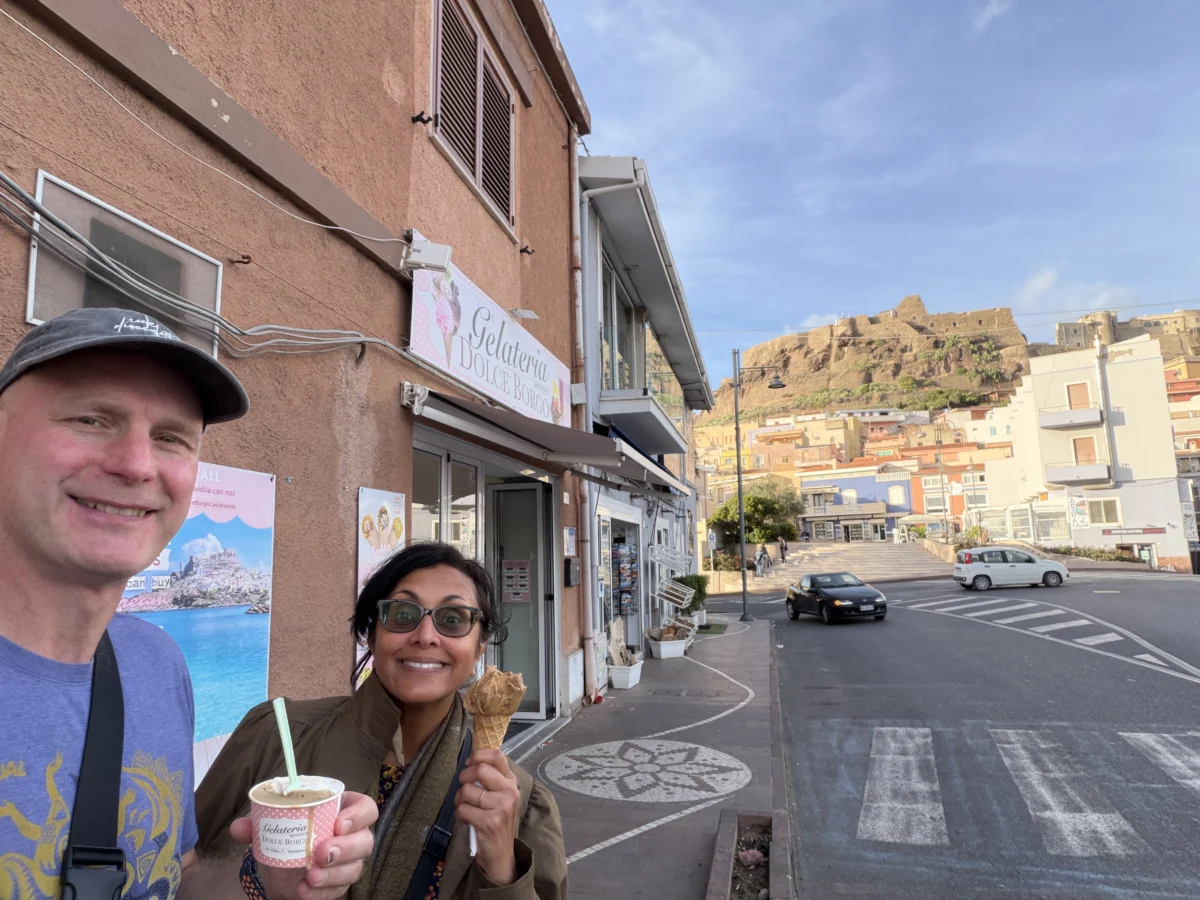
The one gelateria that was open, Dolce Borgo, was also top-rated, made in-house, and had excellent service. Gotta love that! High quality and recommended.
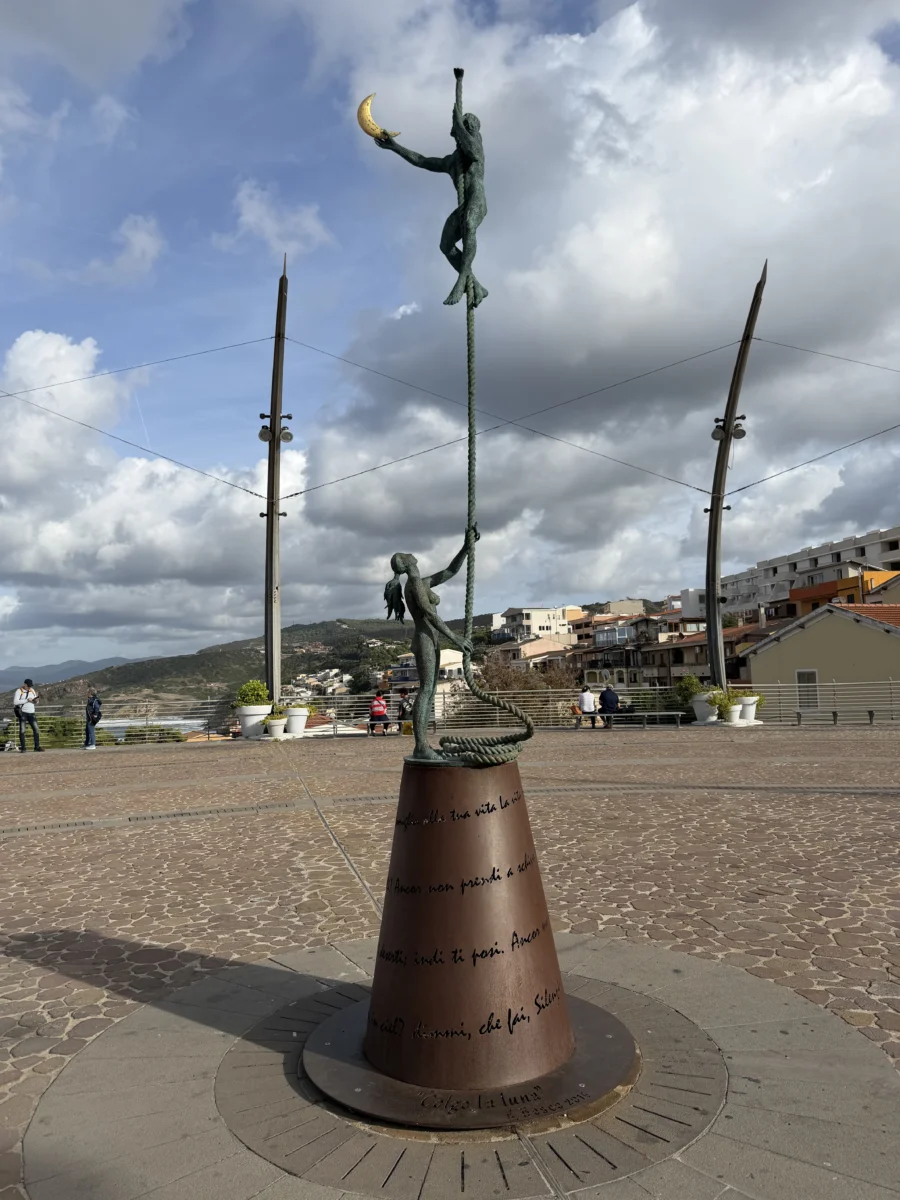
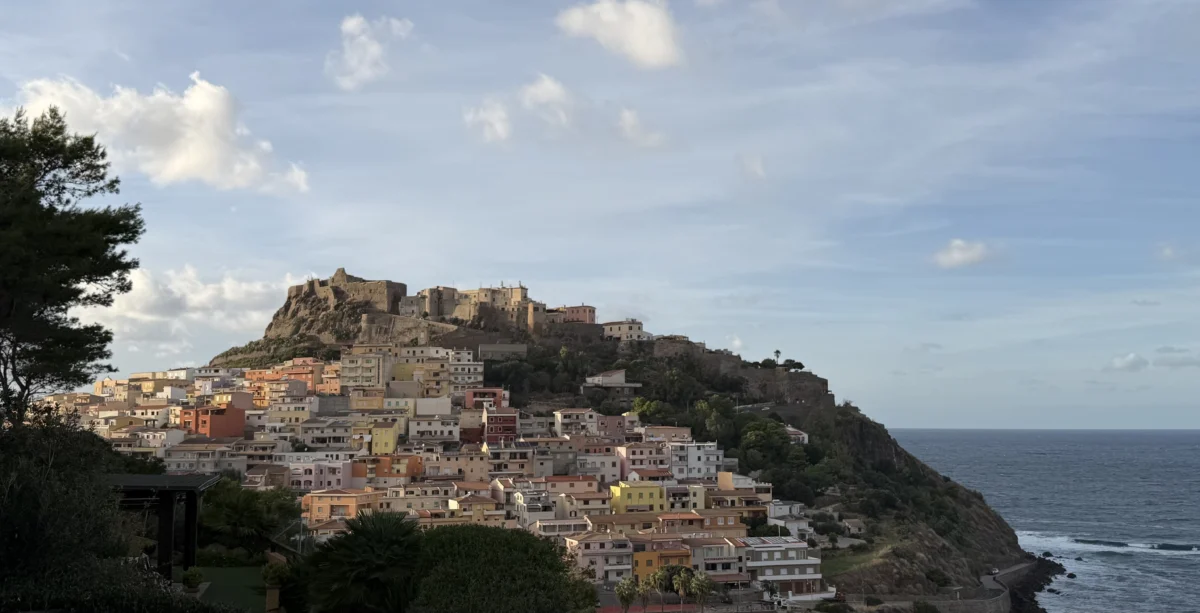
We drove along the coast just a little farther to get a good view back at Castelsardo and were rewarded with this sight. Castelsardo is typically ranked right up there with Bosa when it comes to being photogenic and I think I can see why.
The northwestern corner of Sardinia has a lot going on and felt like a good balance of traveler-friendly and keeping to its roots. We could definitely see ourselves visiting again.
Leave a Reply