Mongan was both a special destination and a launching point for us exploring the west central area of Bali. We saw a lot but barely touched the surface of this diverse area with all its little nooks and crannies. This is in part due to the fact that we were limited to car services and the lack of highways meant long meandering drives to go anywhere. That said.. with Ibu Mita’s help and guidance we got to see many facets of life in central Bali.
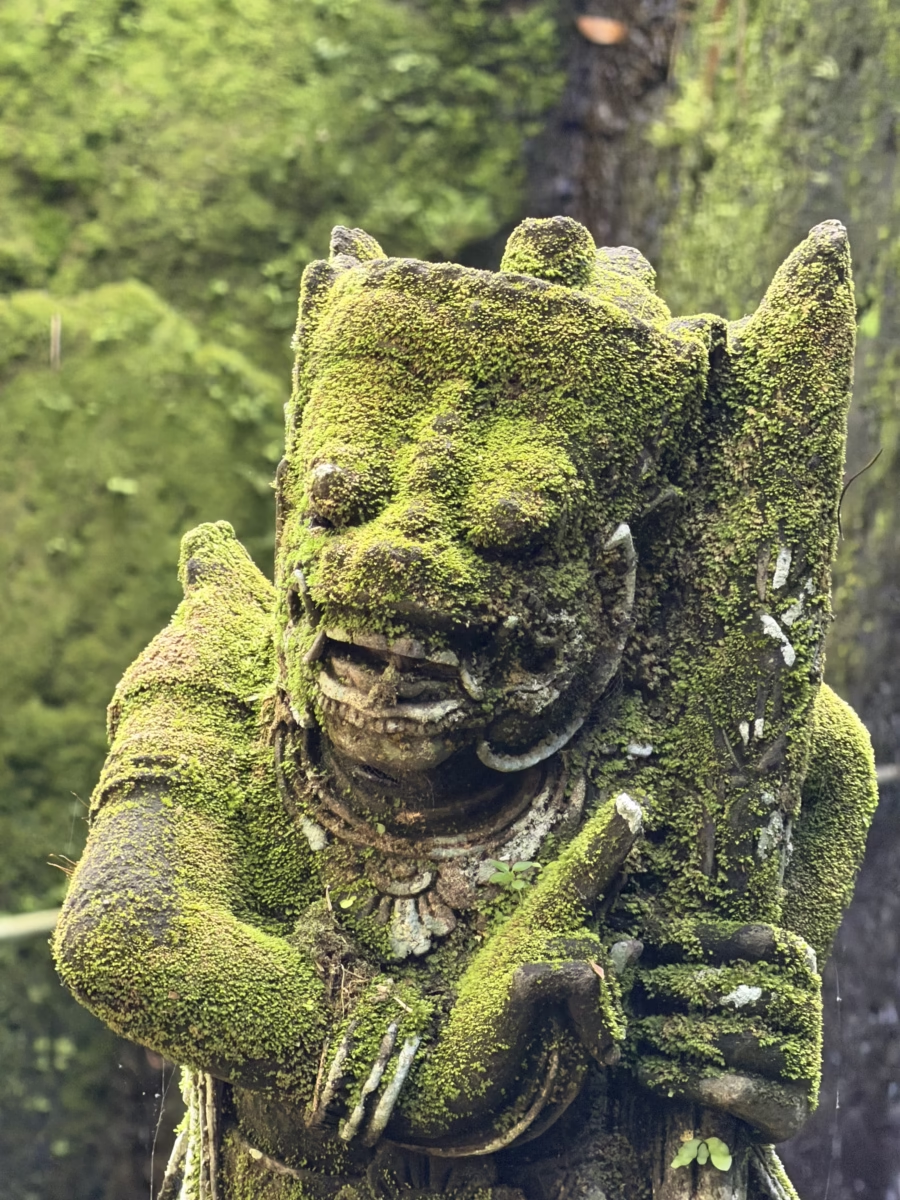
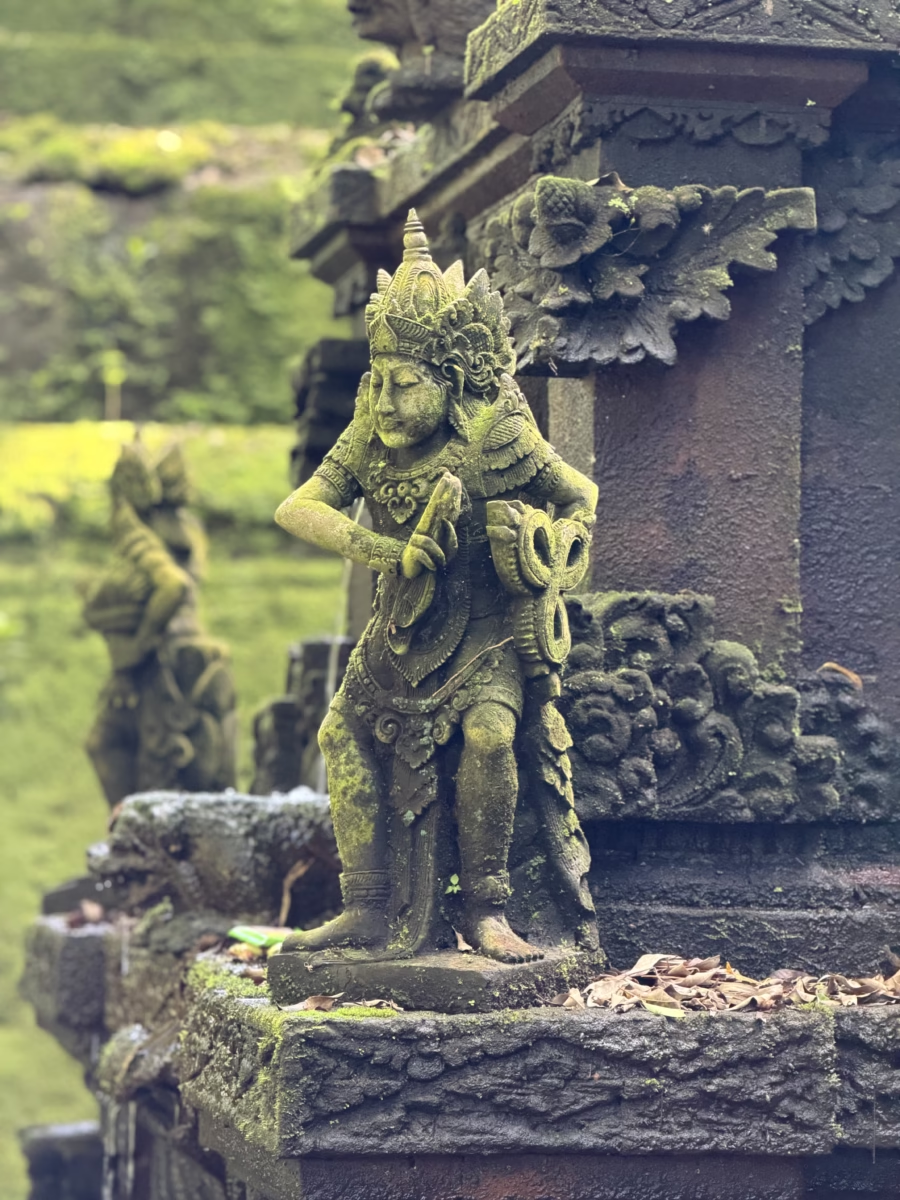
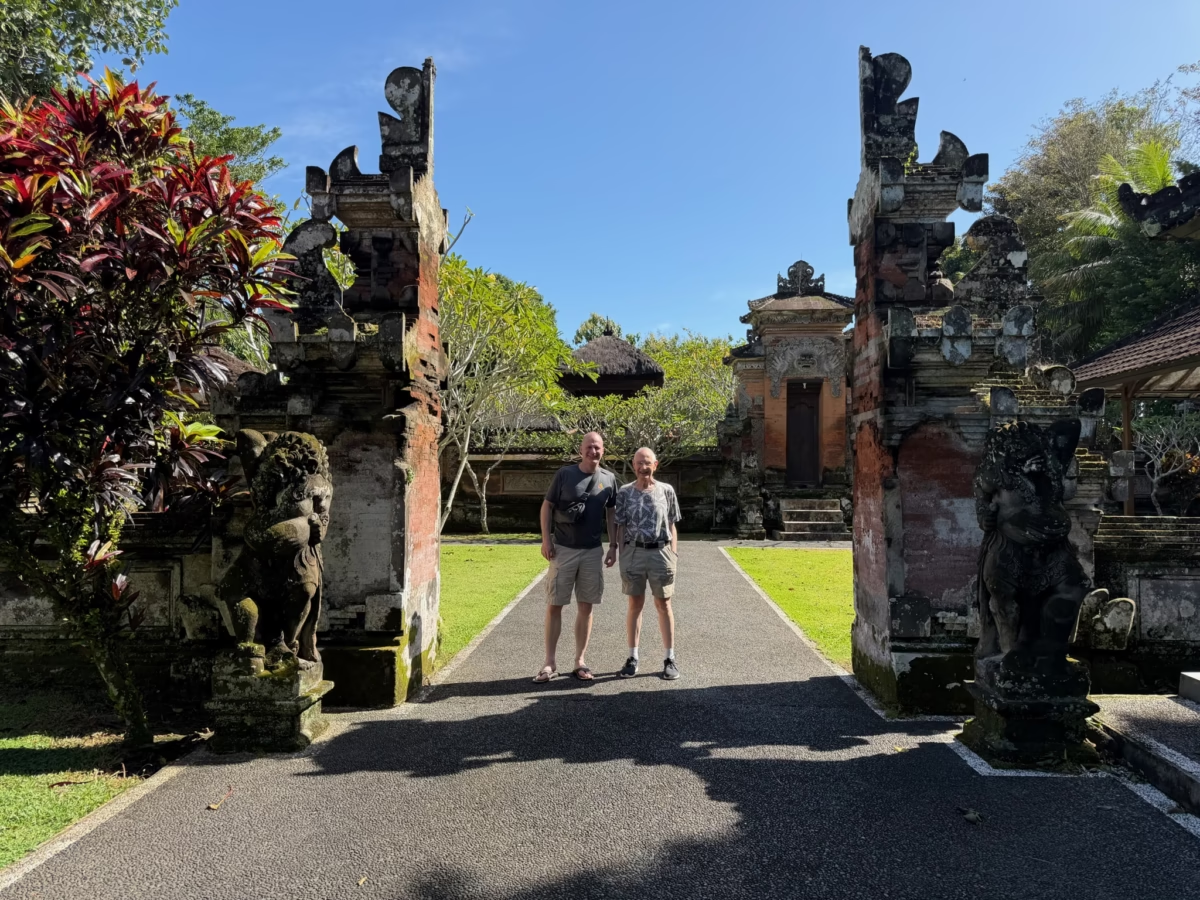
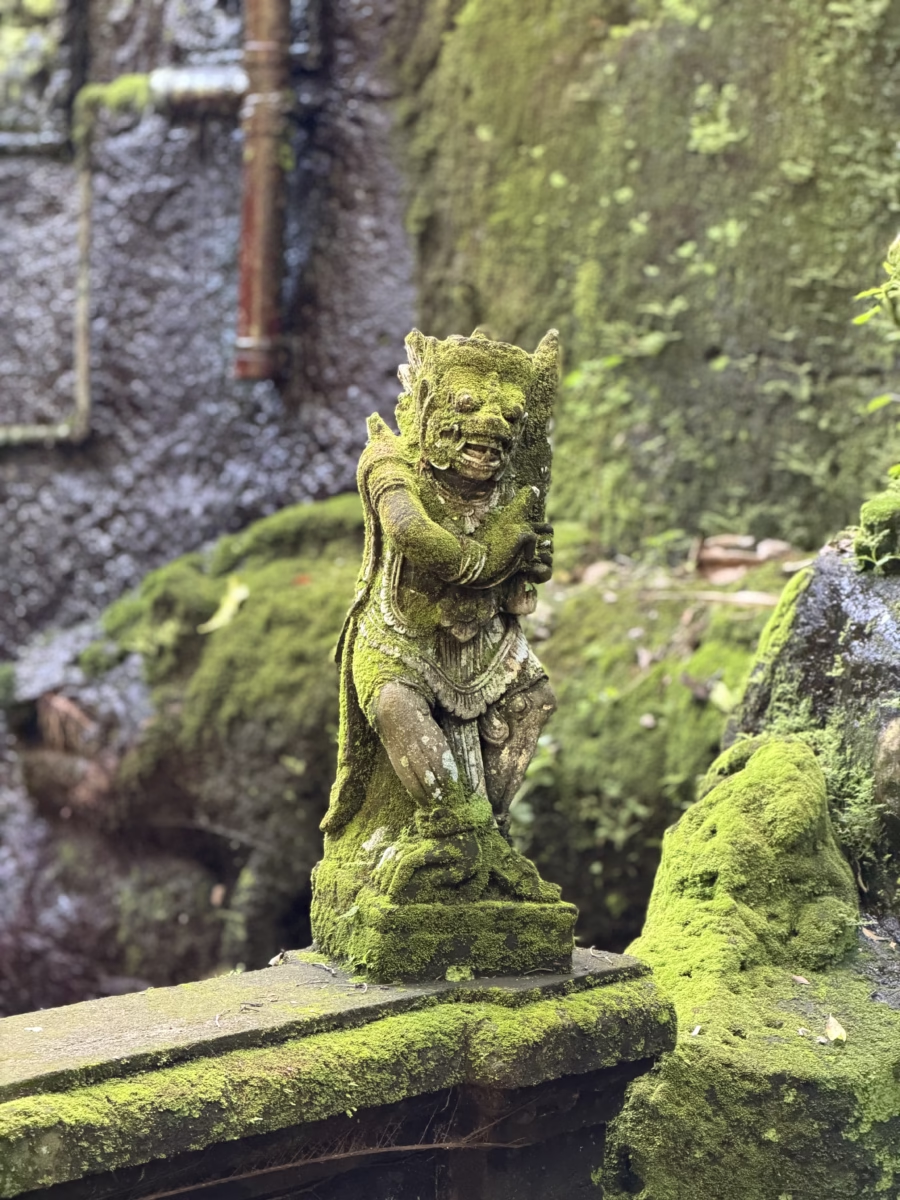
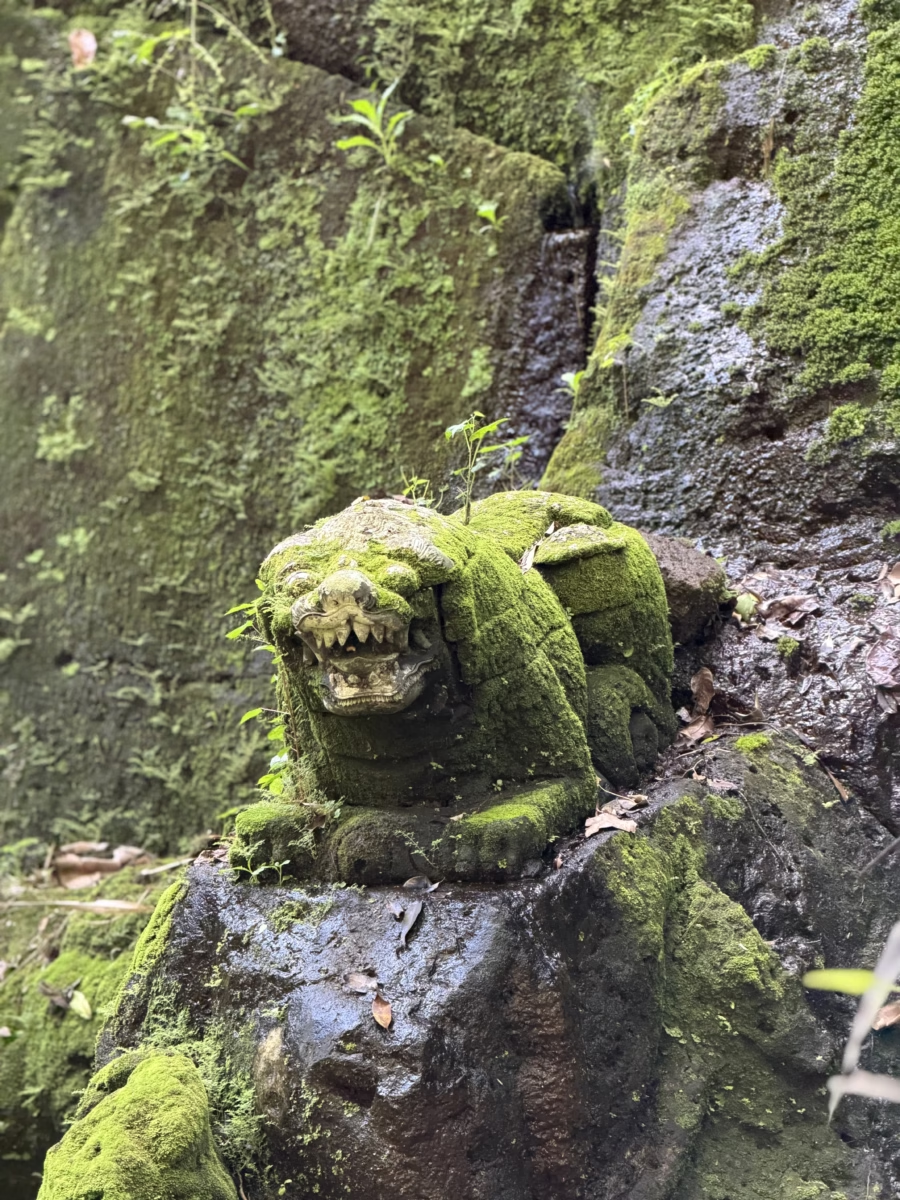
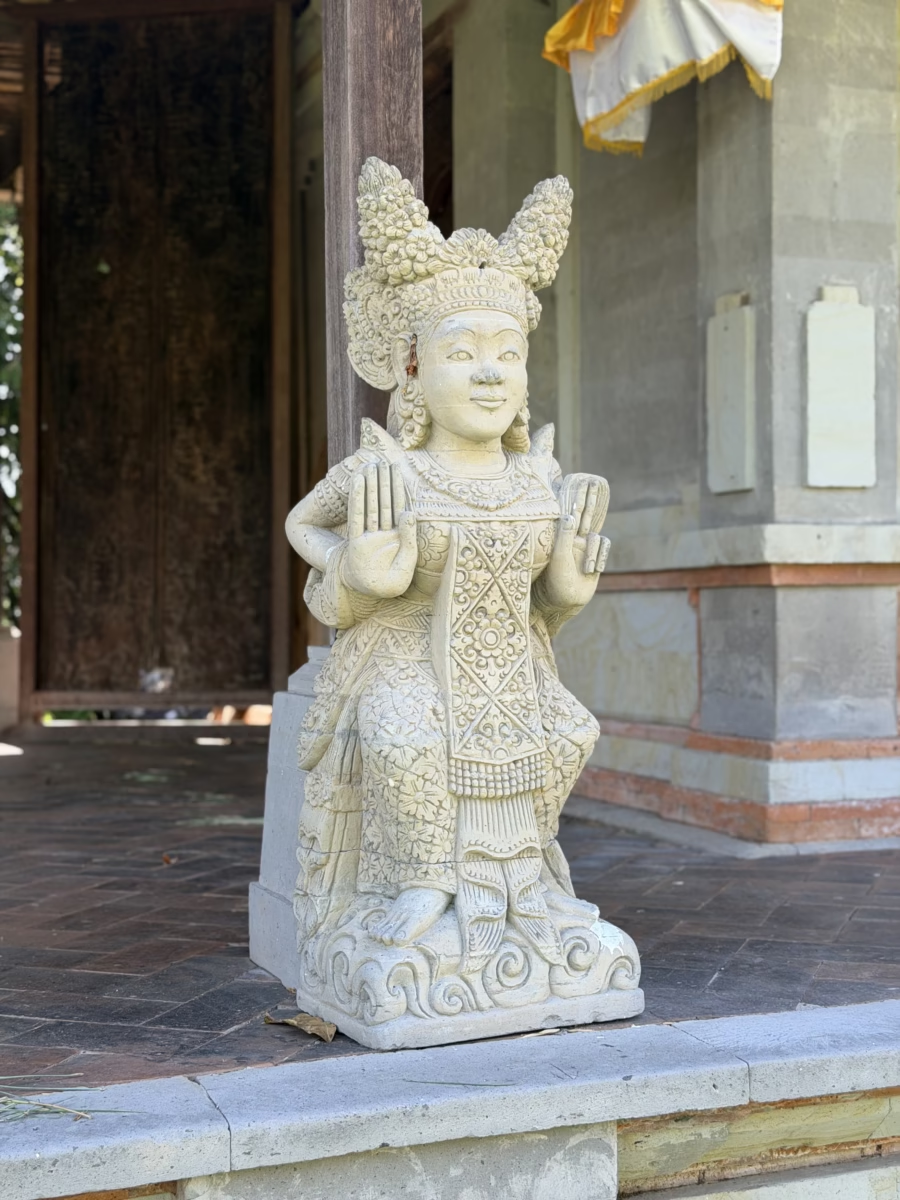
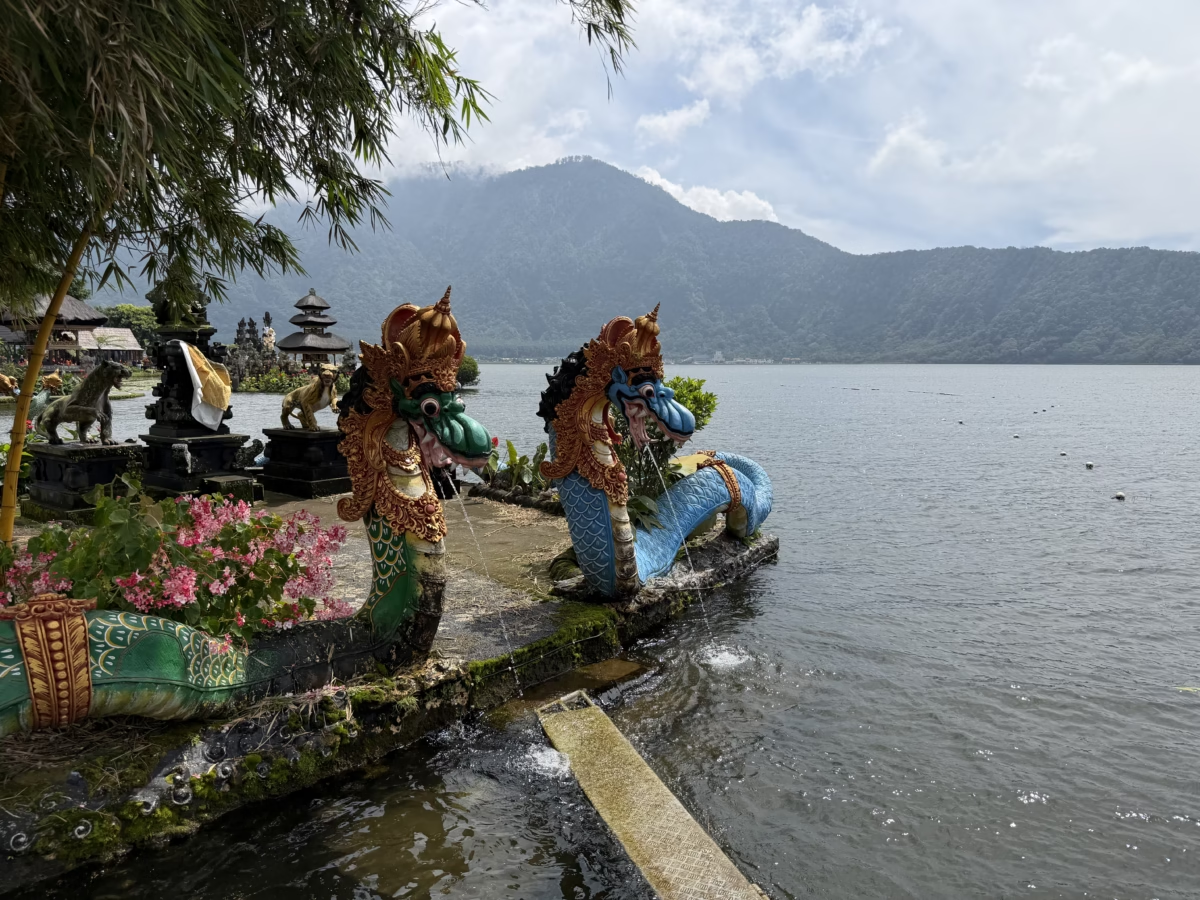
We stopped at the Pura Luhur Dalem Purwa Kubontingguh Hindu Temple about a third of the way from Tabanan (the biggest city in this region) to Mongan. Bali is the only majority Hindu island in Indonesia, although there are pockets on other islands. Just the statues around the entrance fountains were enthralling.
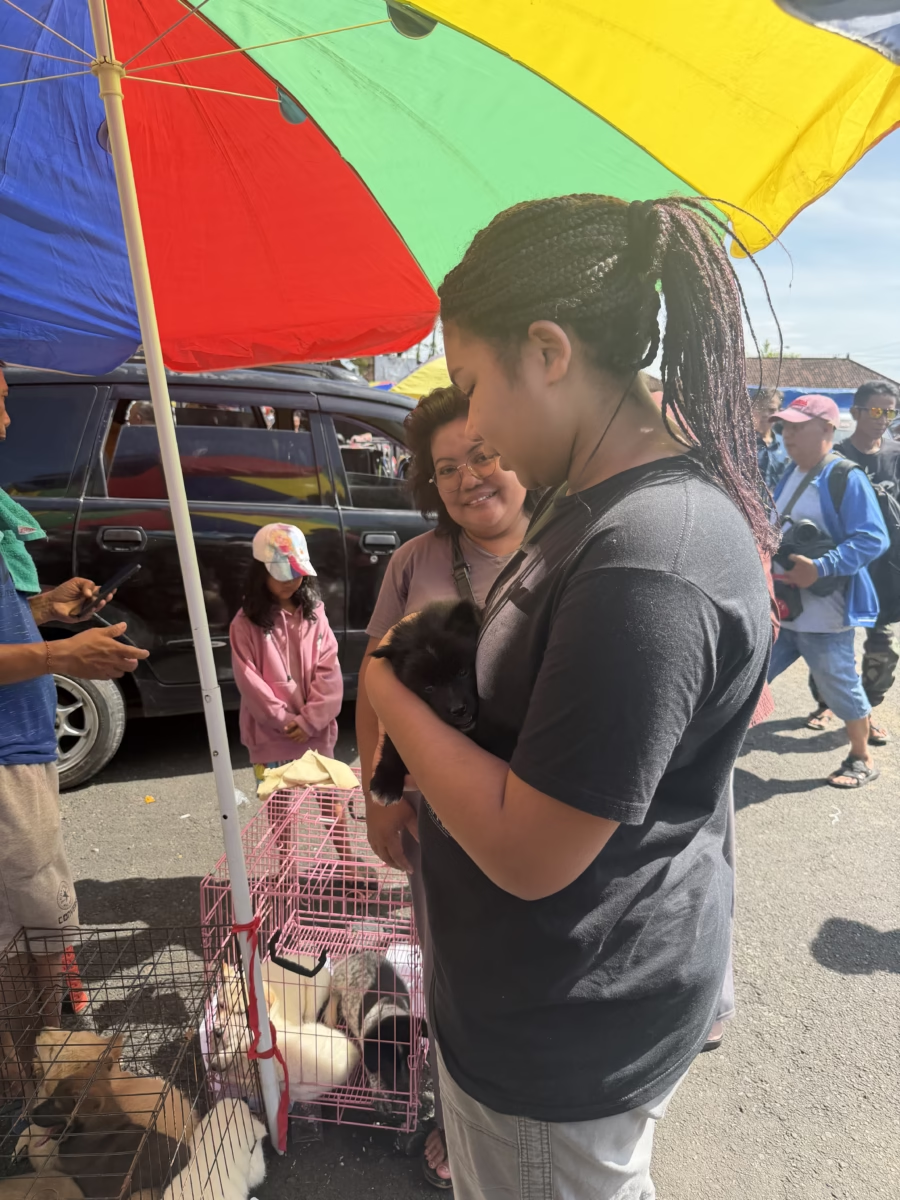
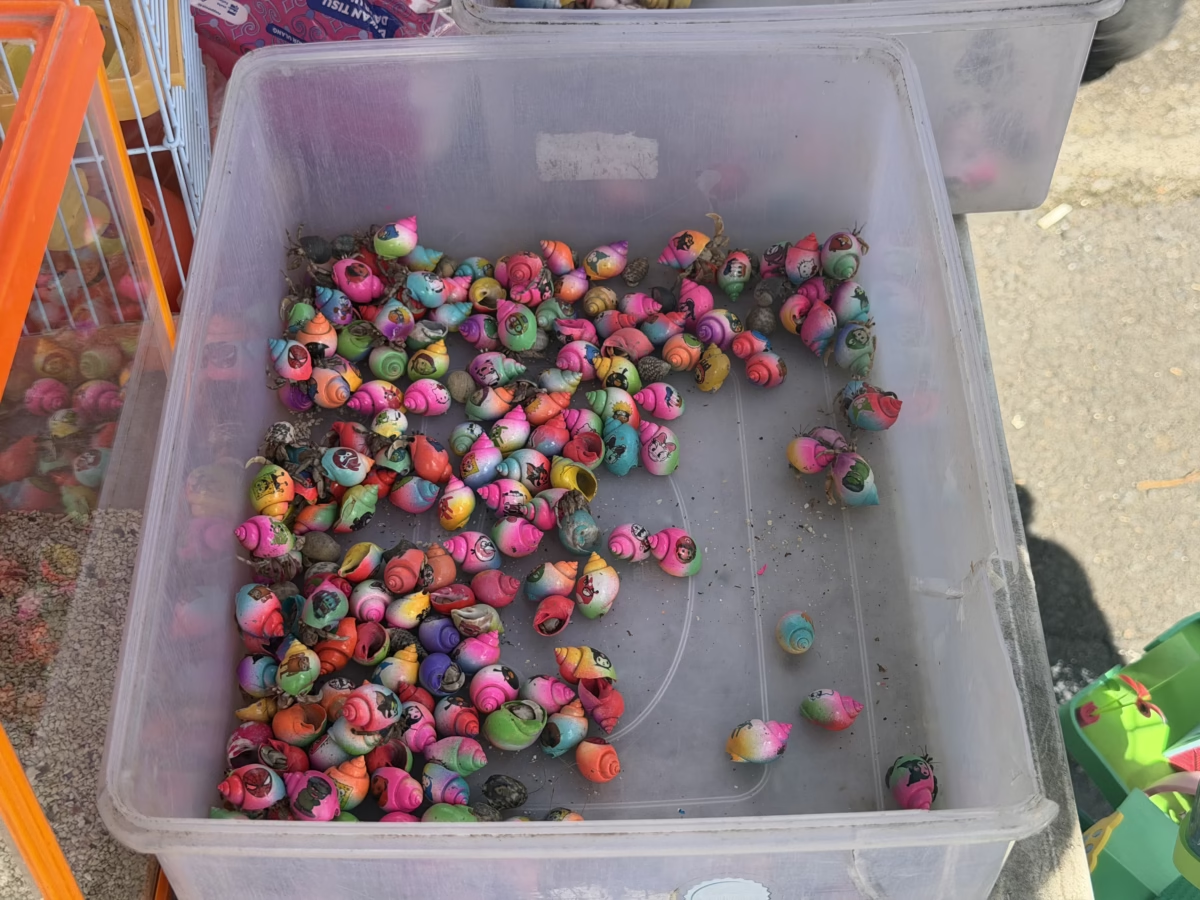
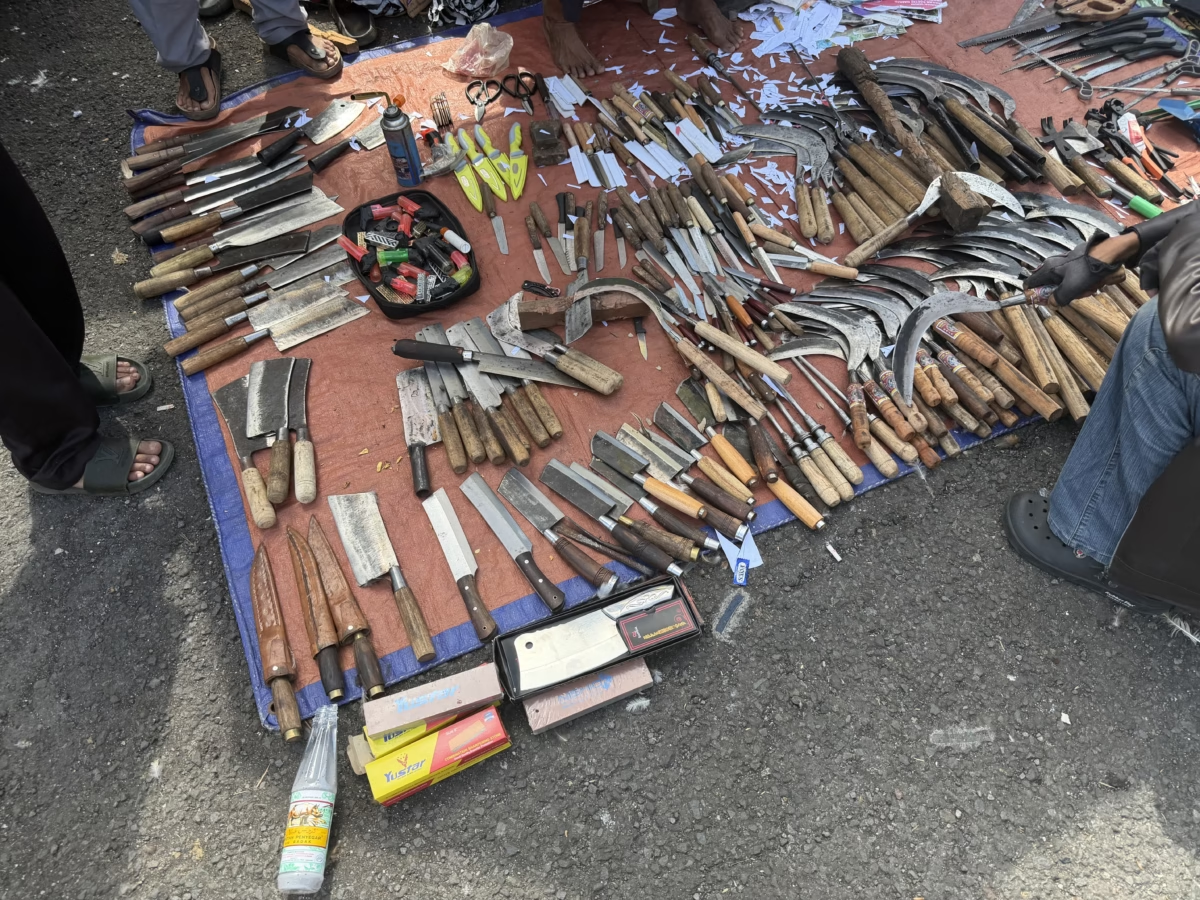
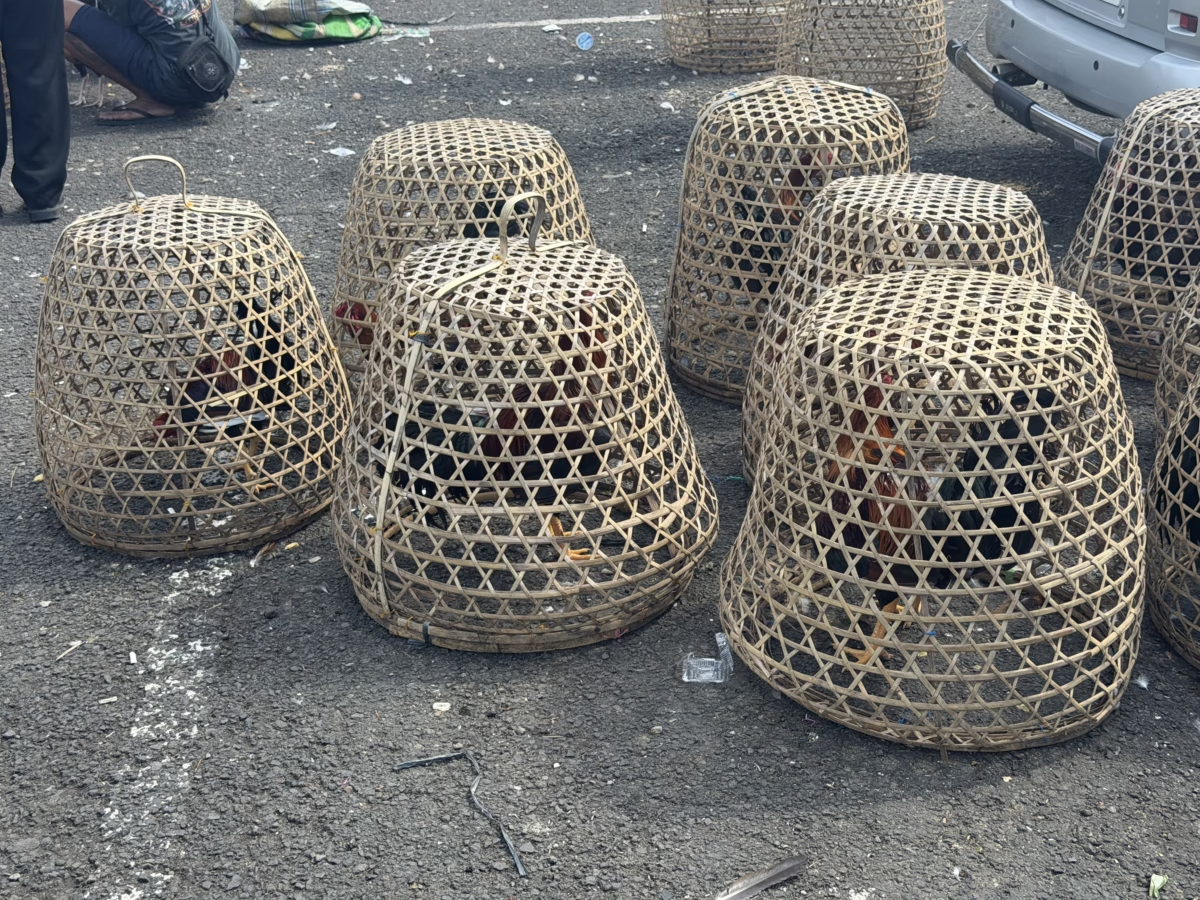
There are local markets in many places, and we went to a bustling animal-focused one in Mengwitani. It was a combination of fascinating and.. uncomfortable. It wasn’t always clear which animals were for domestication and which for fighting or consumption.

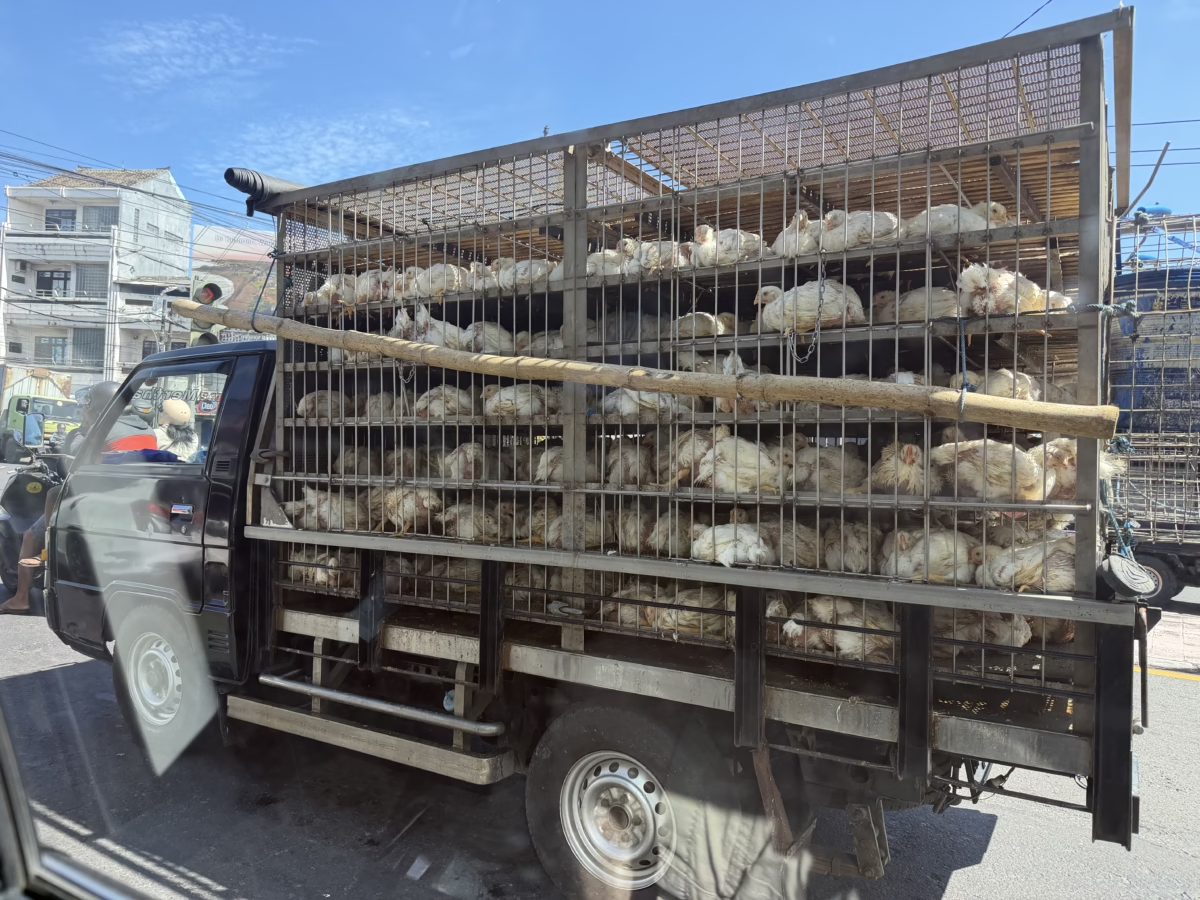
At a stop light we saw some grungy chickens that seemed disturbingly unaware of their fate. Love it or hate it we need to understand and be at peace with where our food comes from.
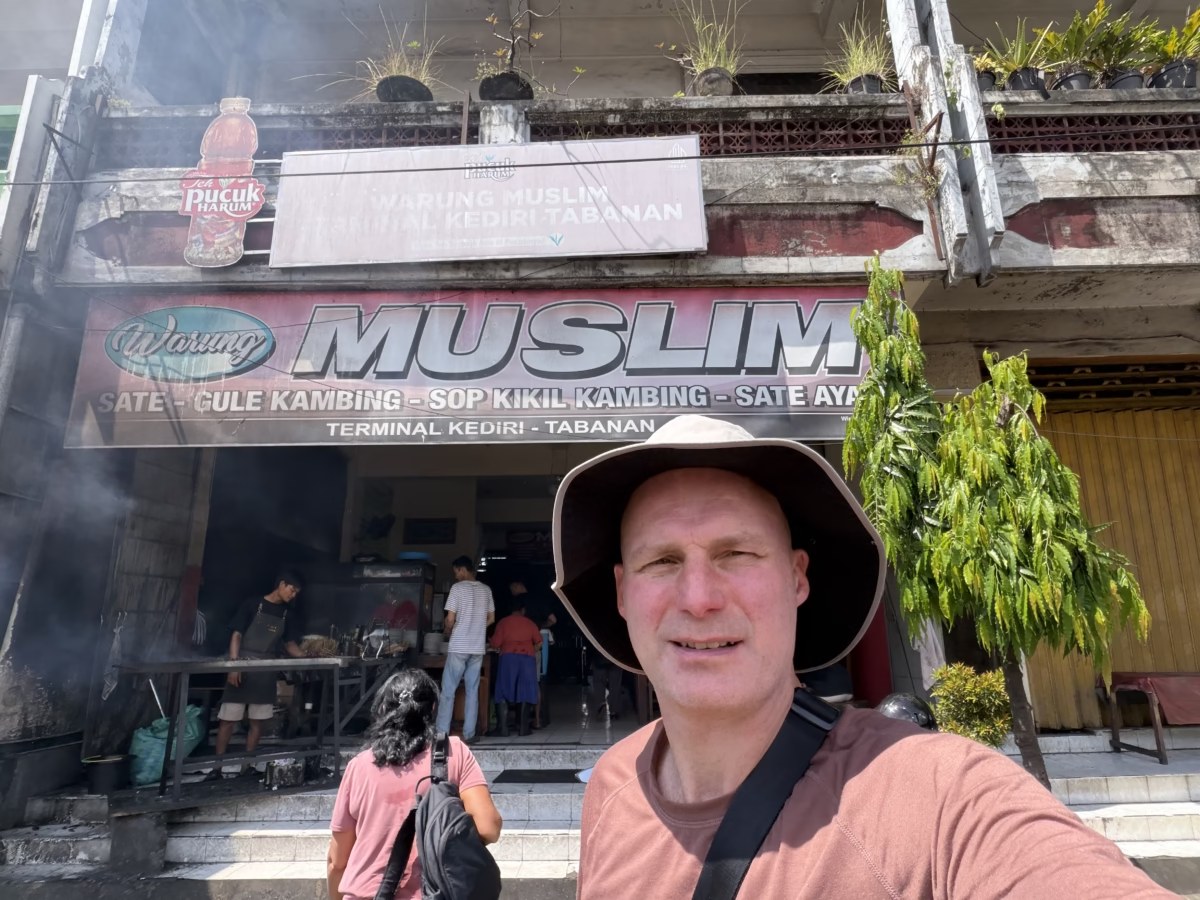
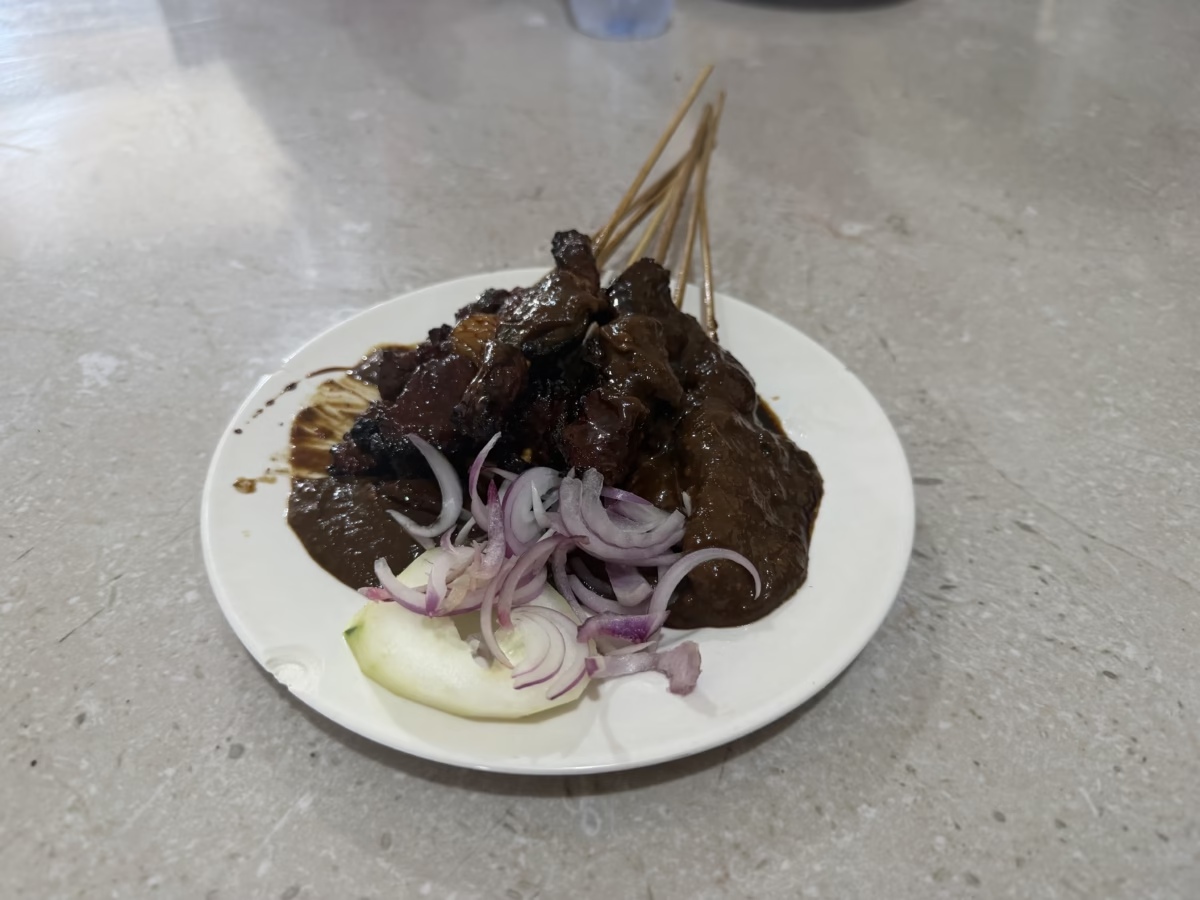
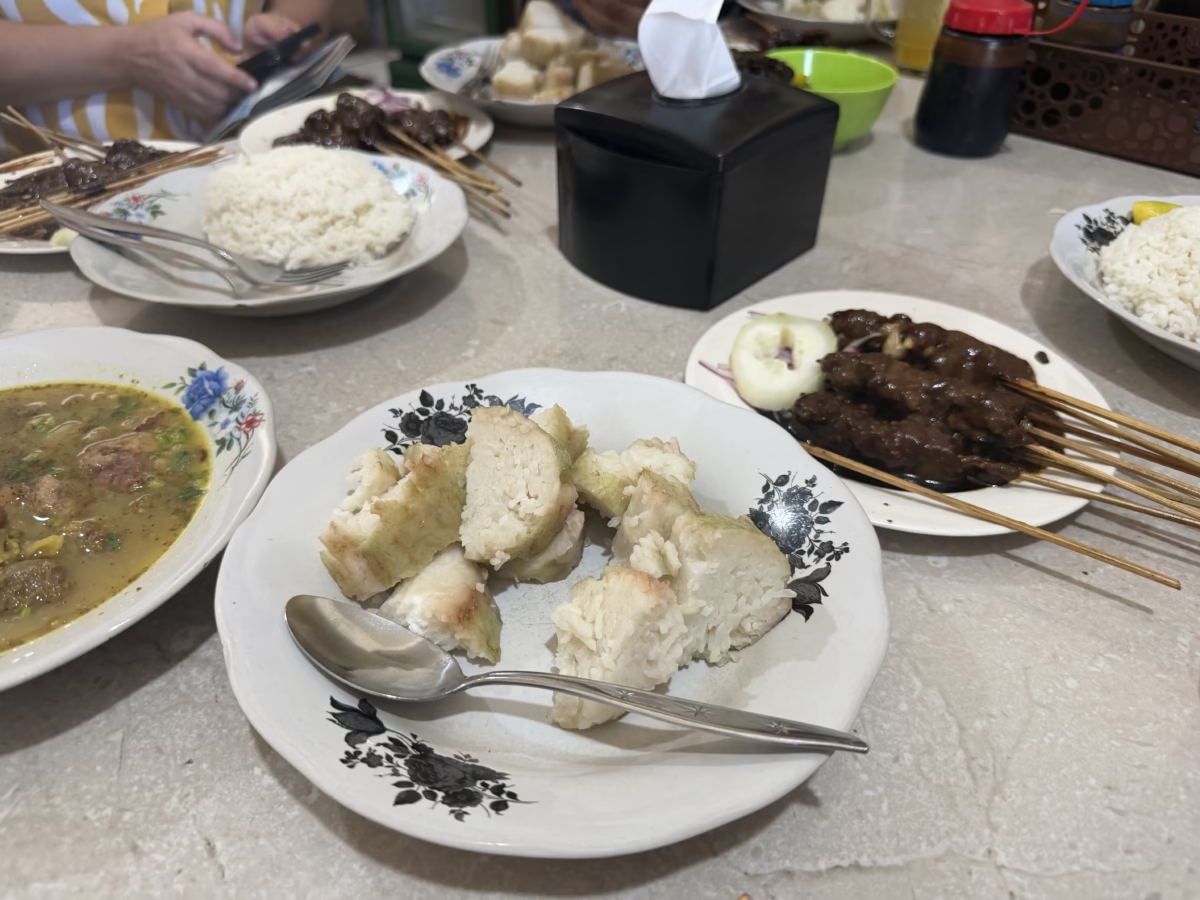
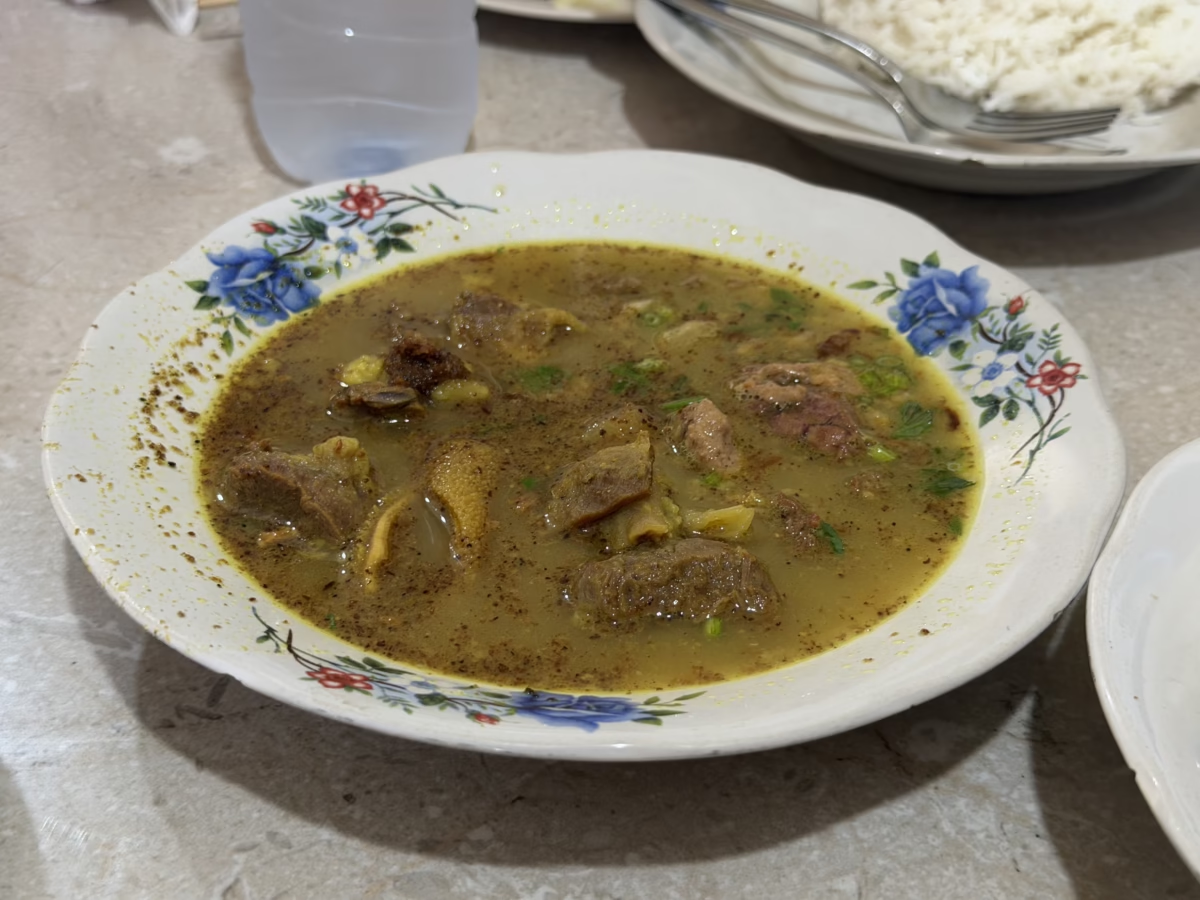
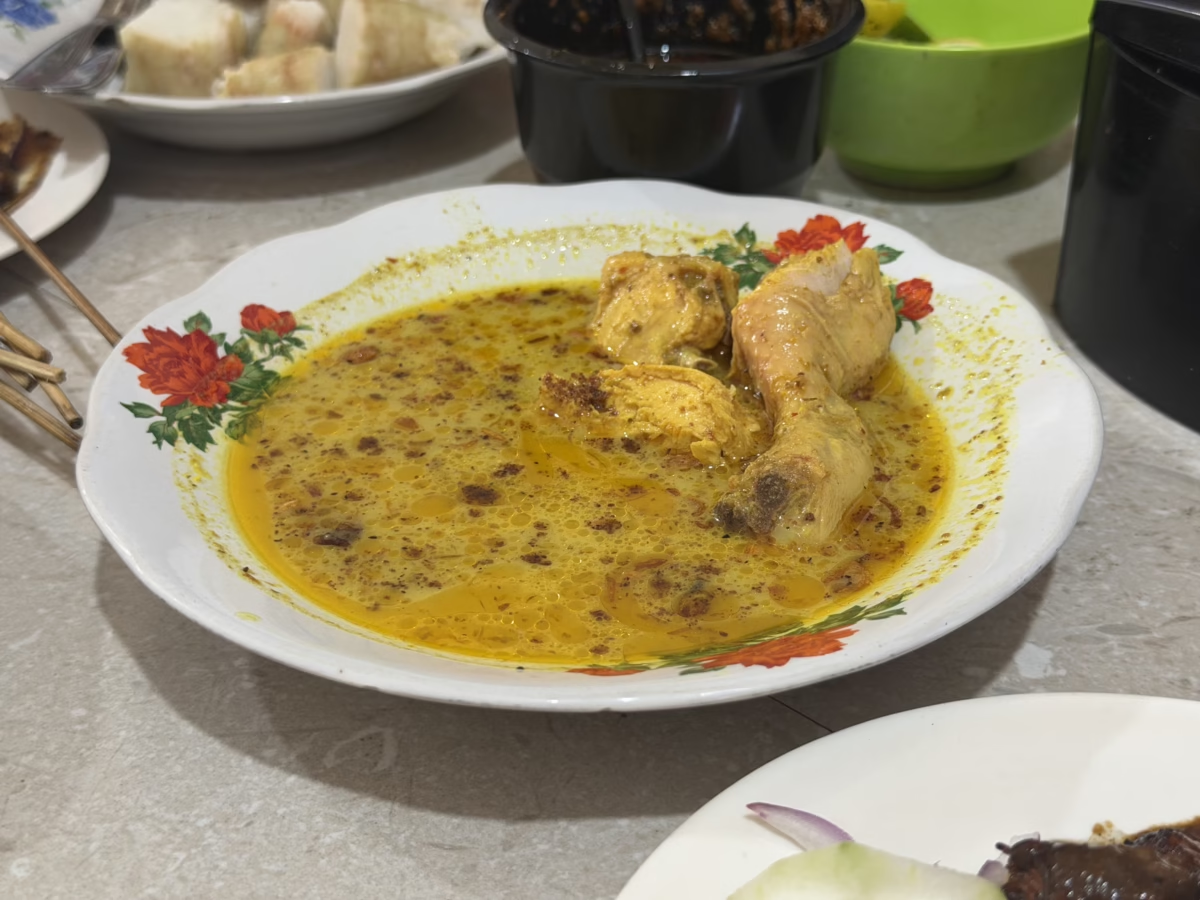
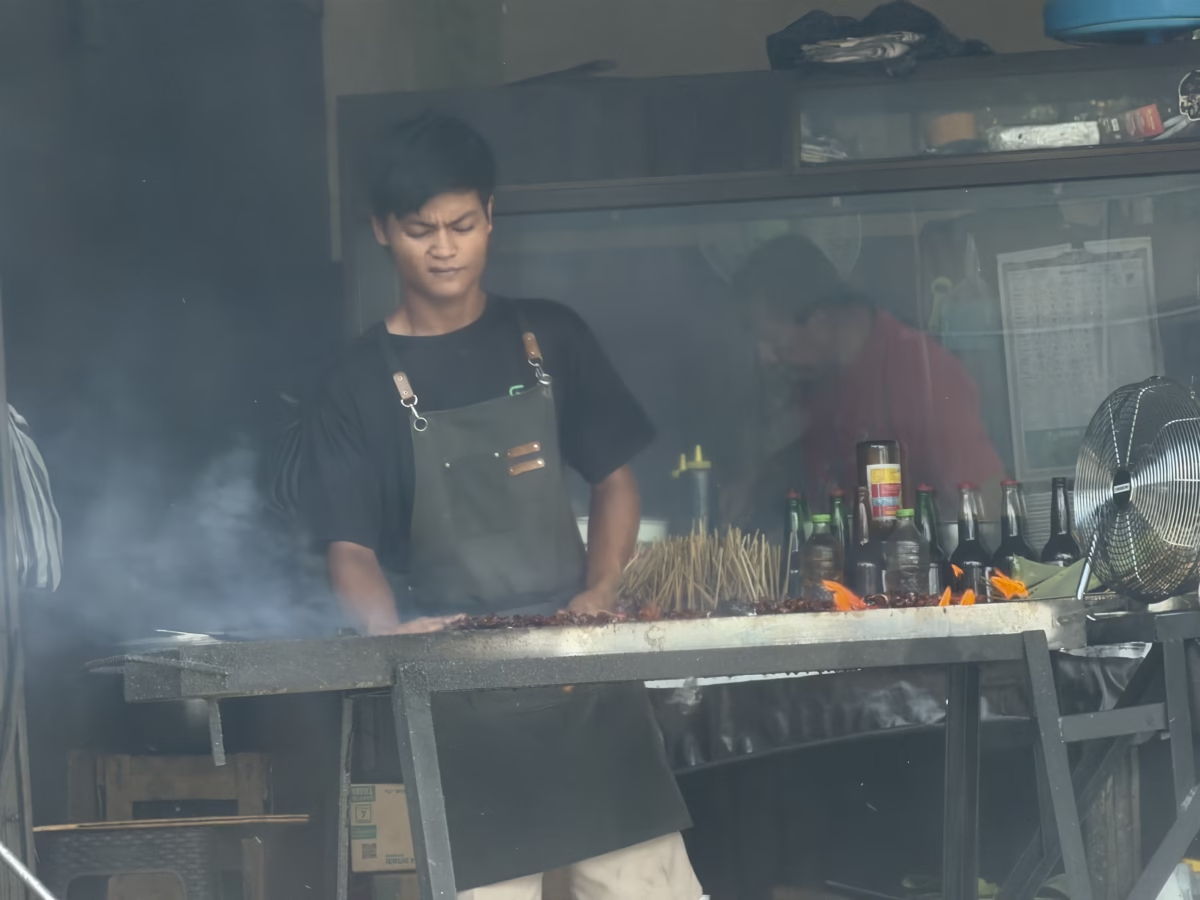
We had a lunch at Warung Muslim, a simple satay shop (warung means small family-owned roadside convenience store). Very much a local place, with a short menu of satay and accompaniments. Tasty food with the smoke from the grill drifting through as you eat.
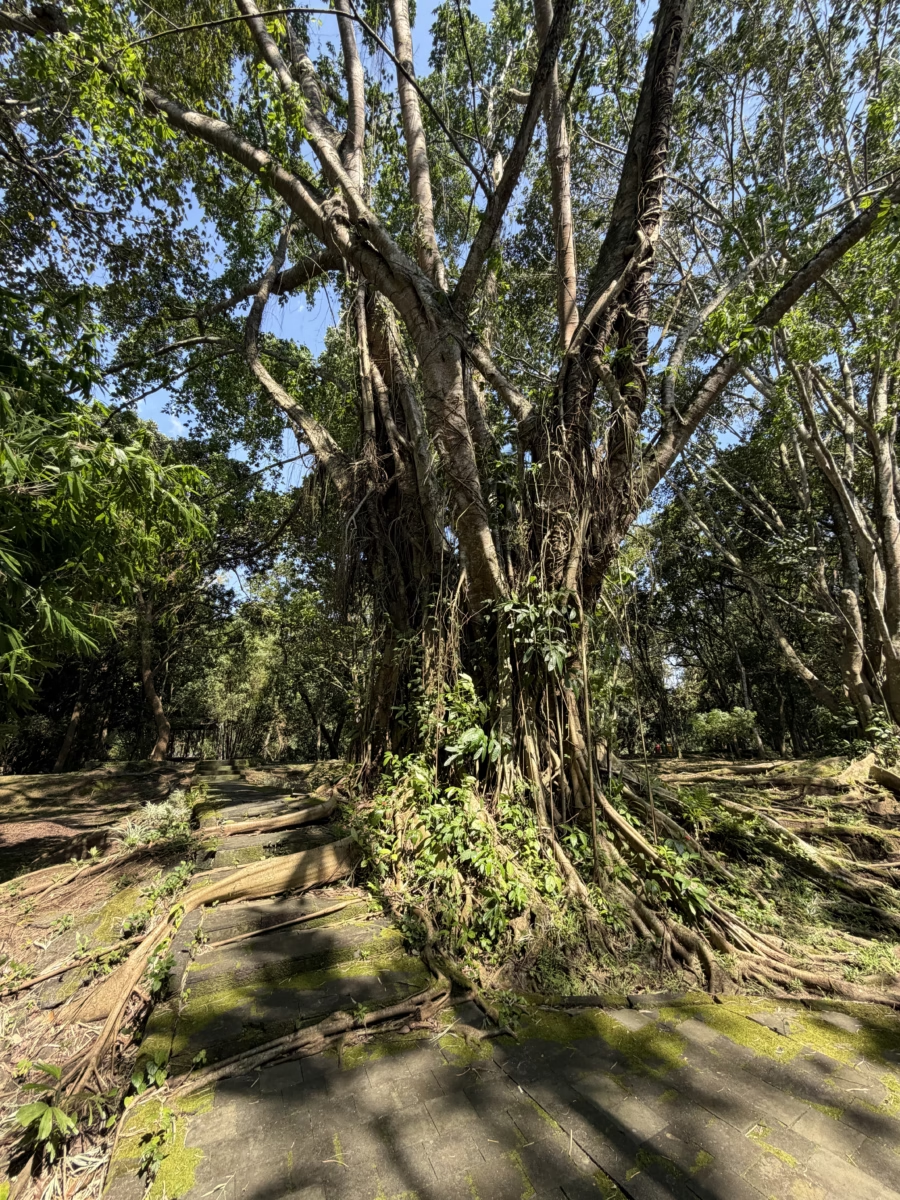
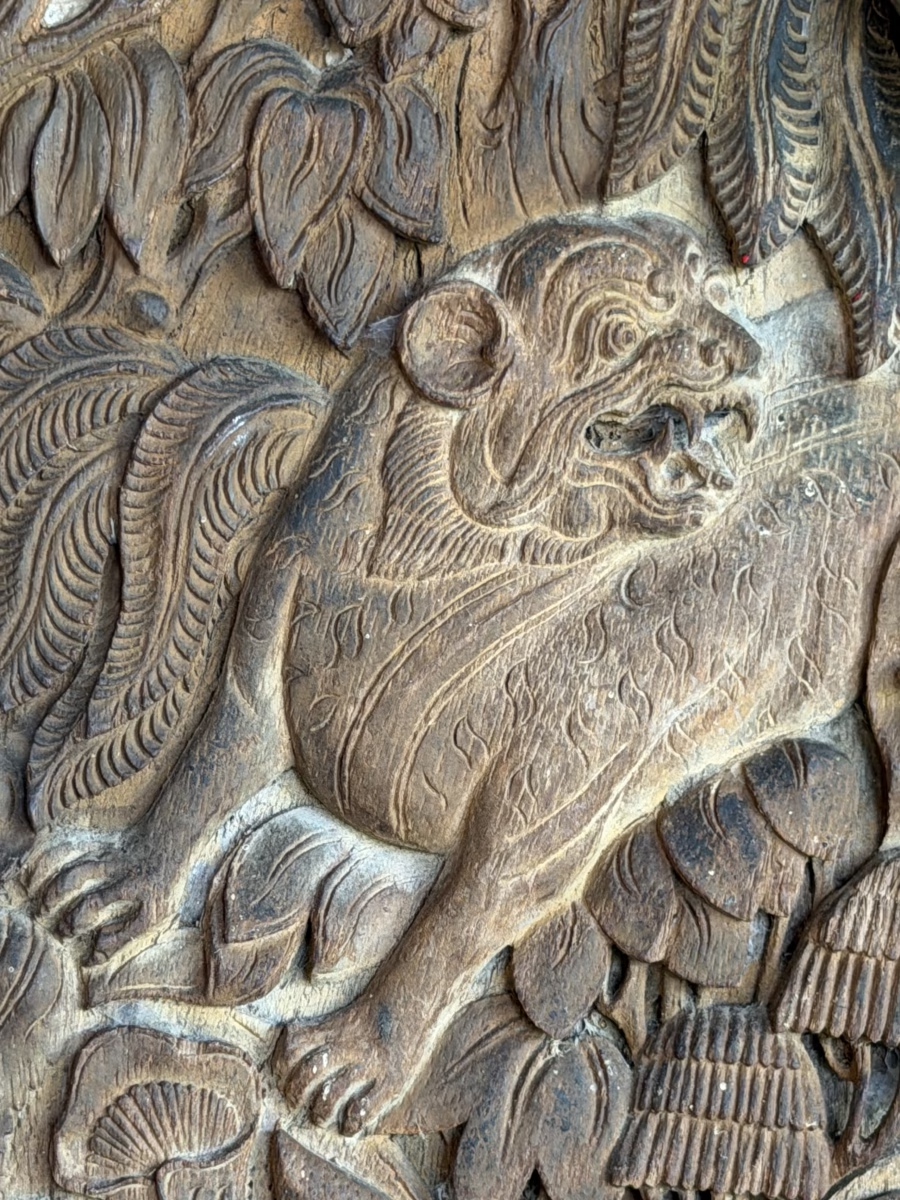
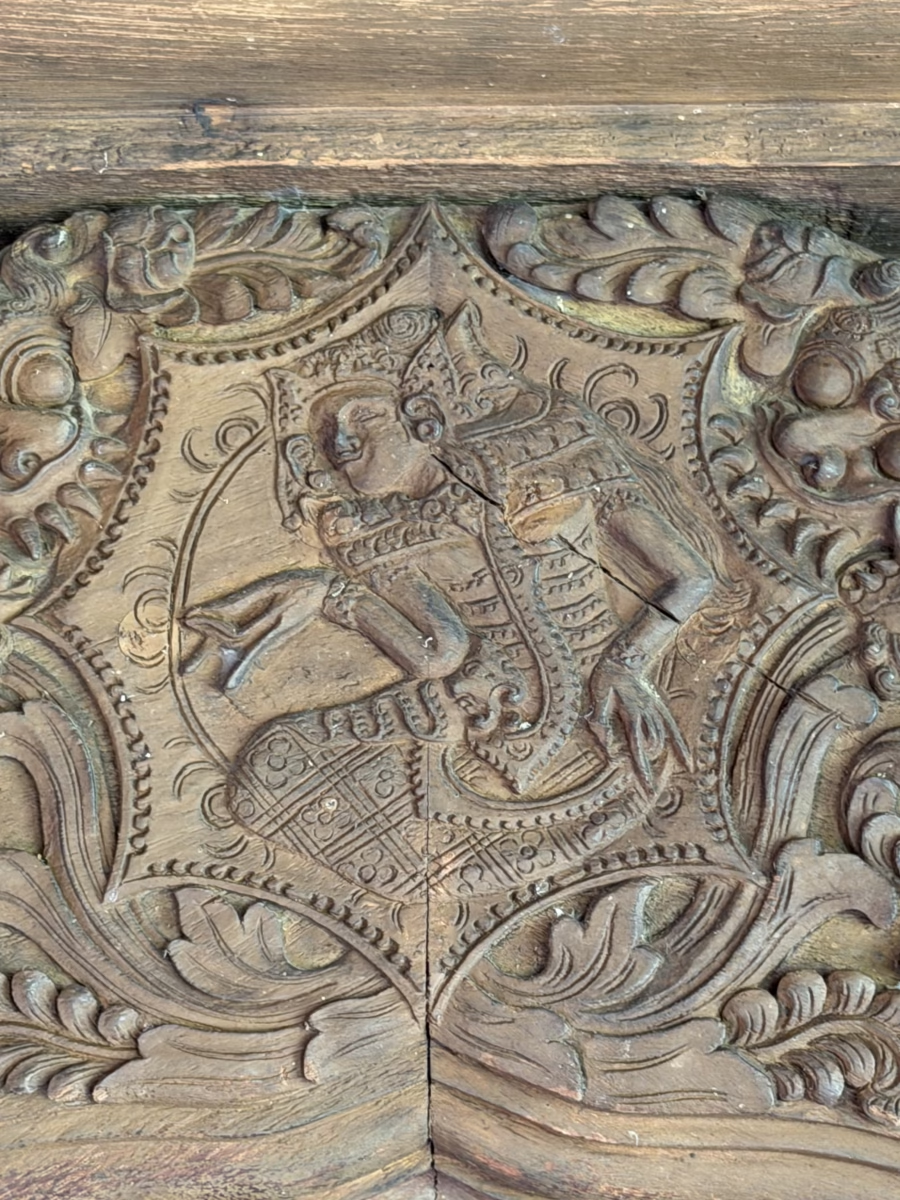
Savitri and I walked through Taman Yum Temple, a beautiful Hindu Temple that is a green oasis within Mengwi. The actual temple is in the middle surrounded on three sides by water, but has root-covered trails, flowers, and art exhibits around it that are easily accessible. Most of the statues are carved from volcanic rocks. As with so many parts of Indonesia I felt like I could just sit in one place and focus on each small part of my surroundings for hours. The history and beauty take a while to absorb sometimes.
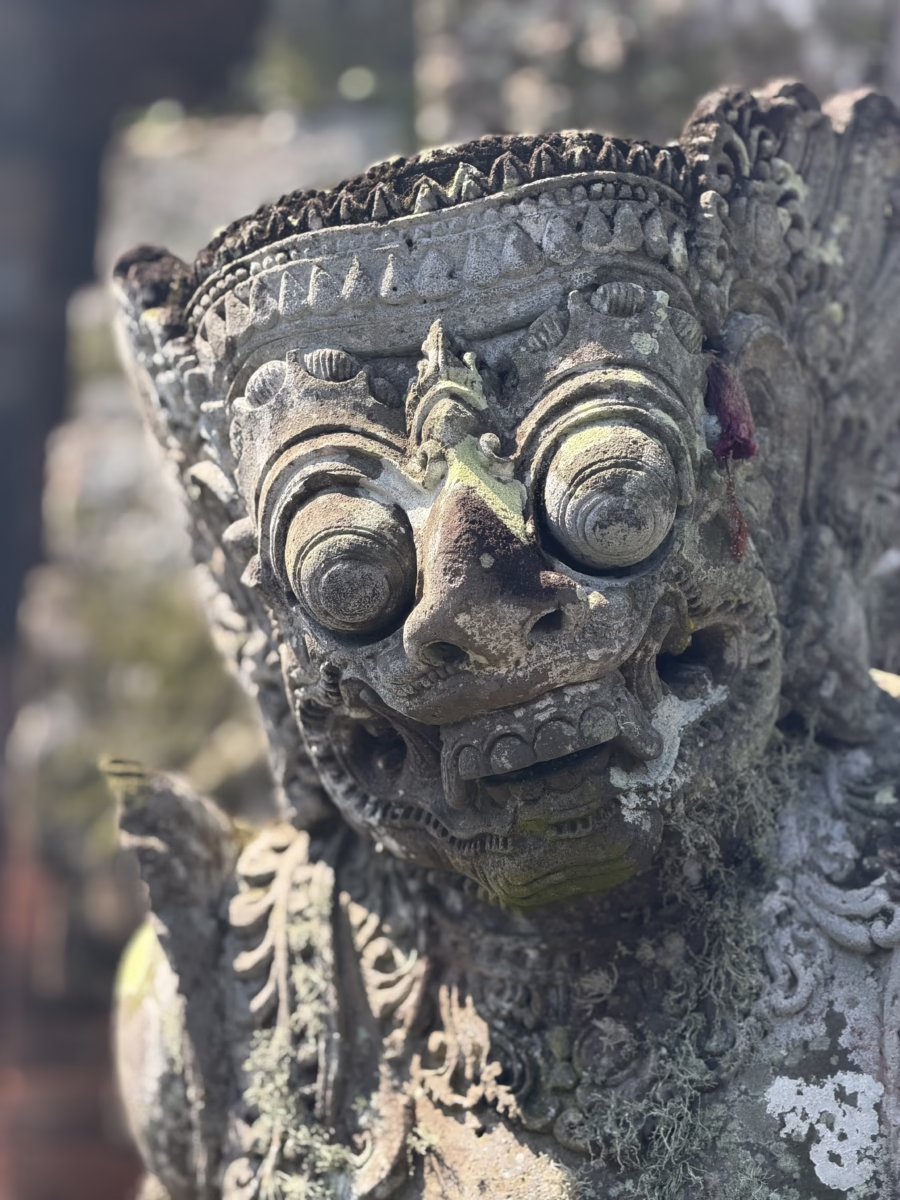
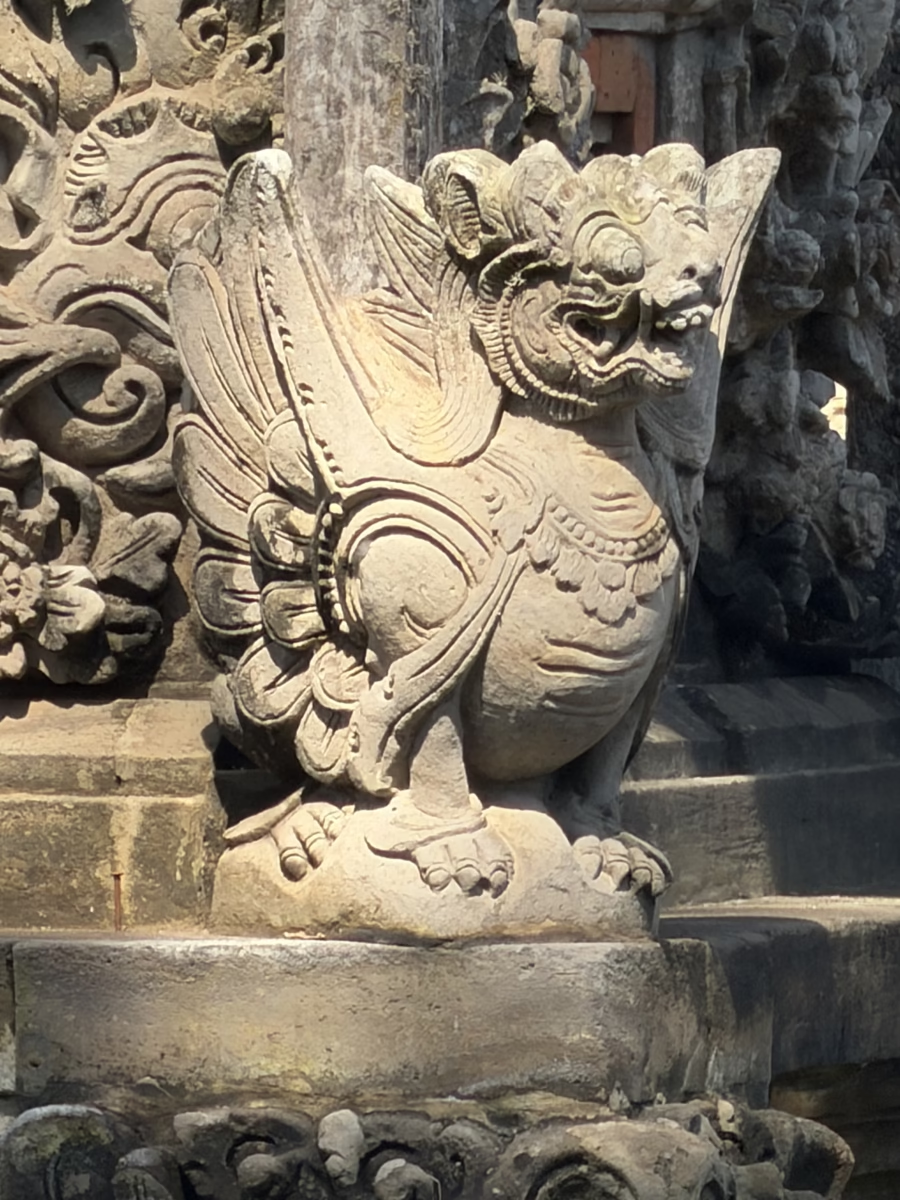
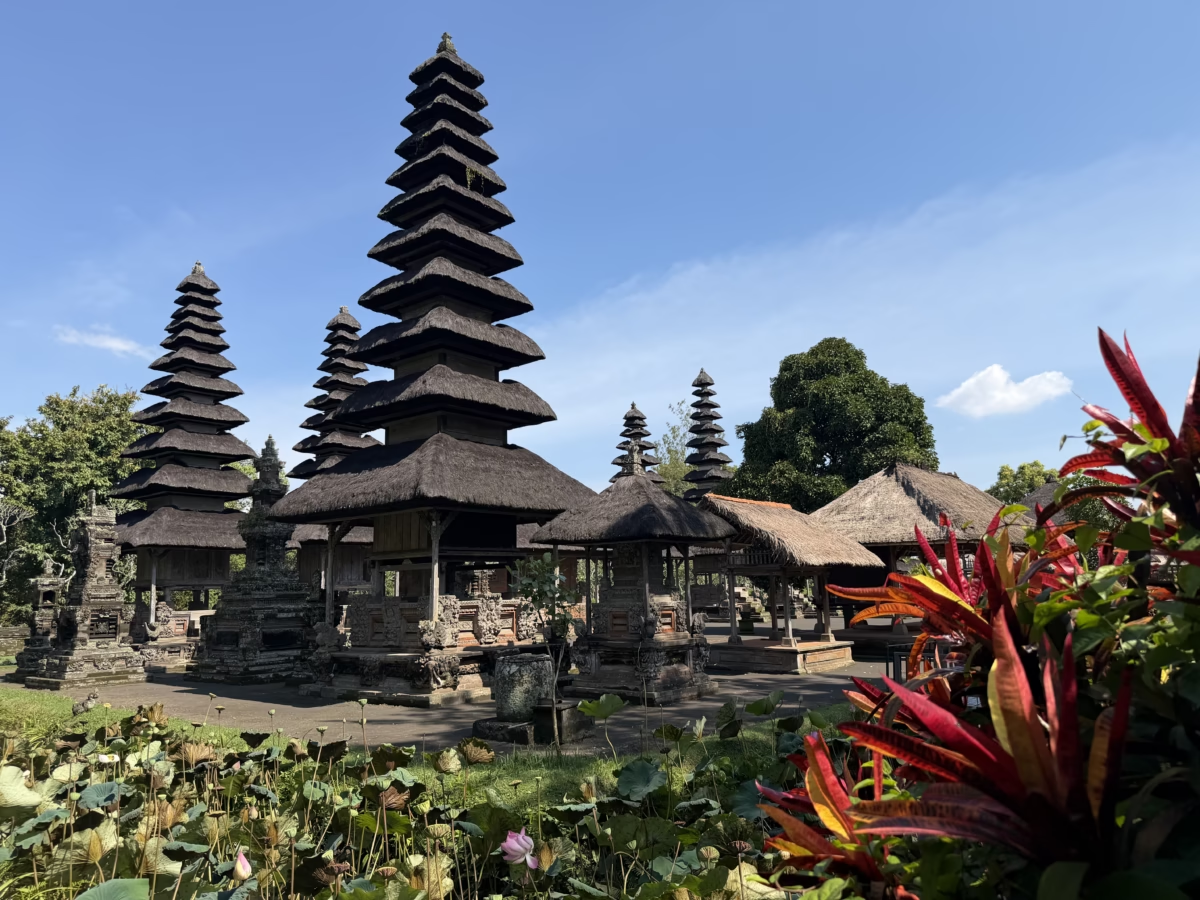
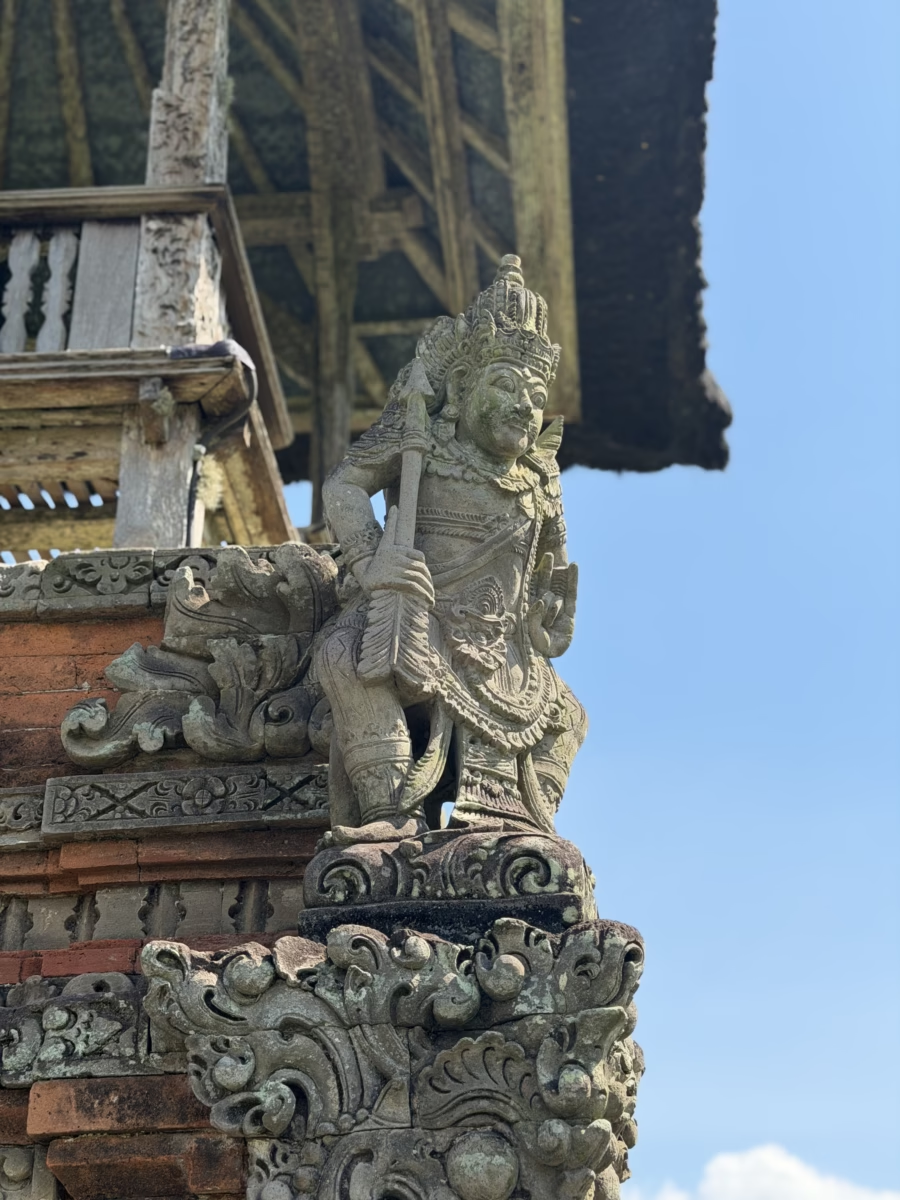
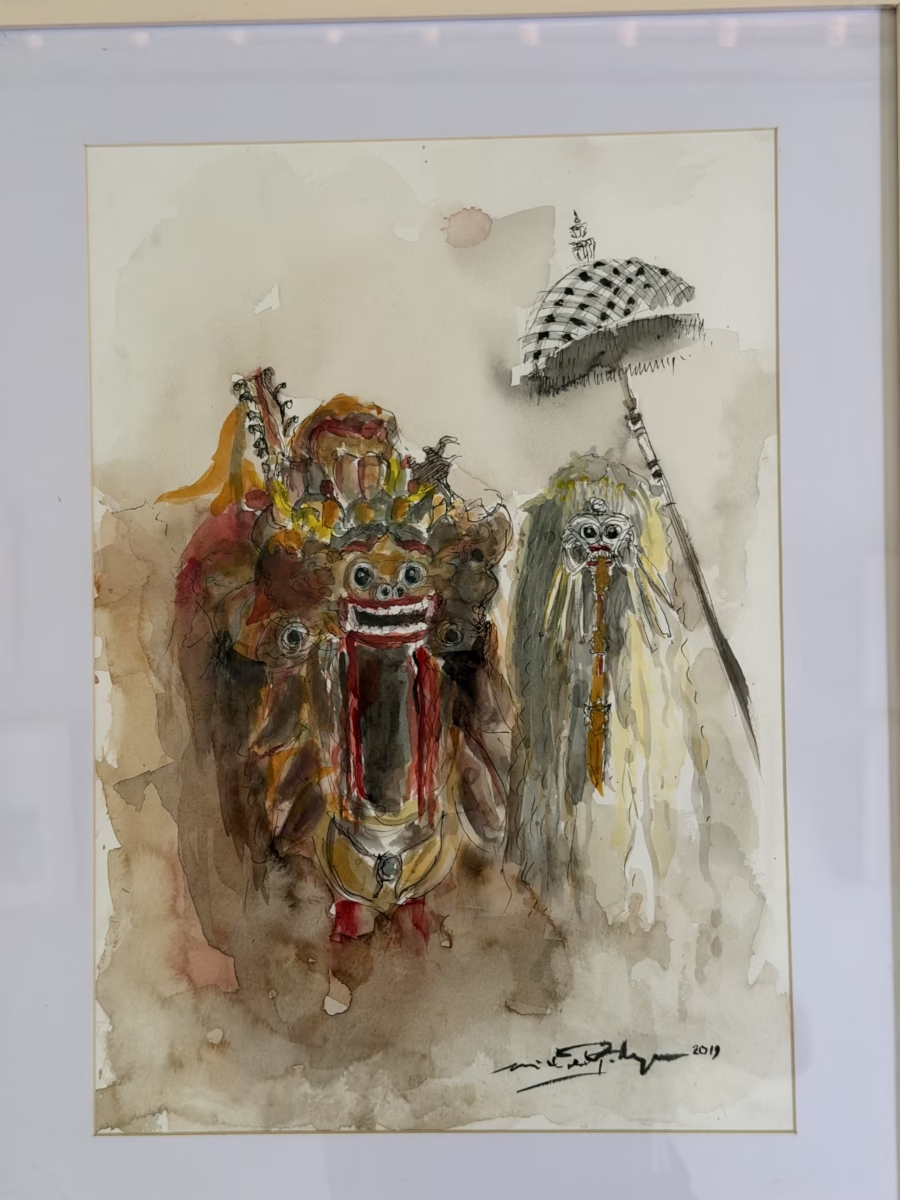
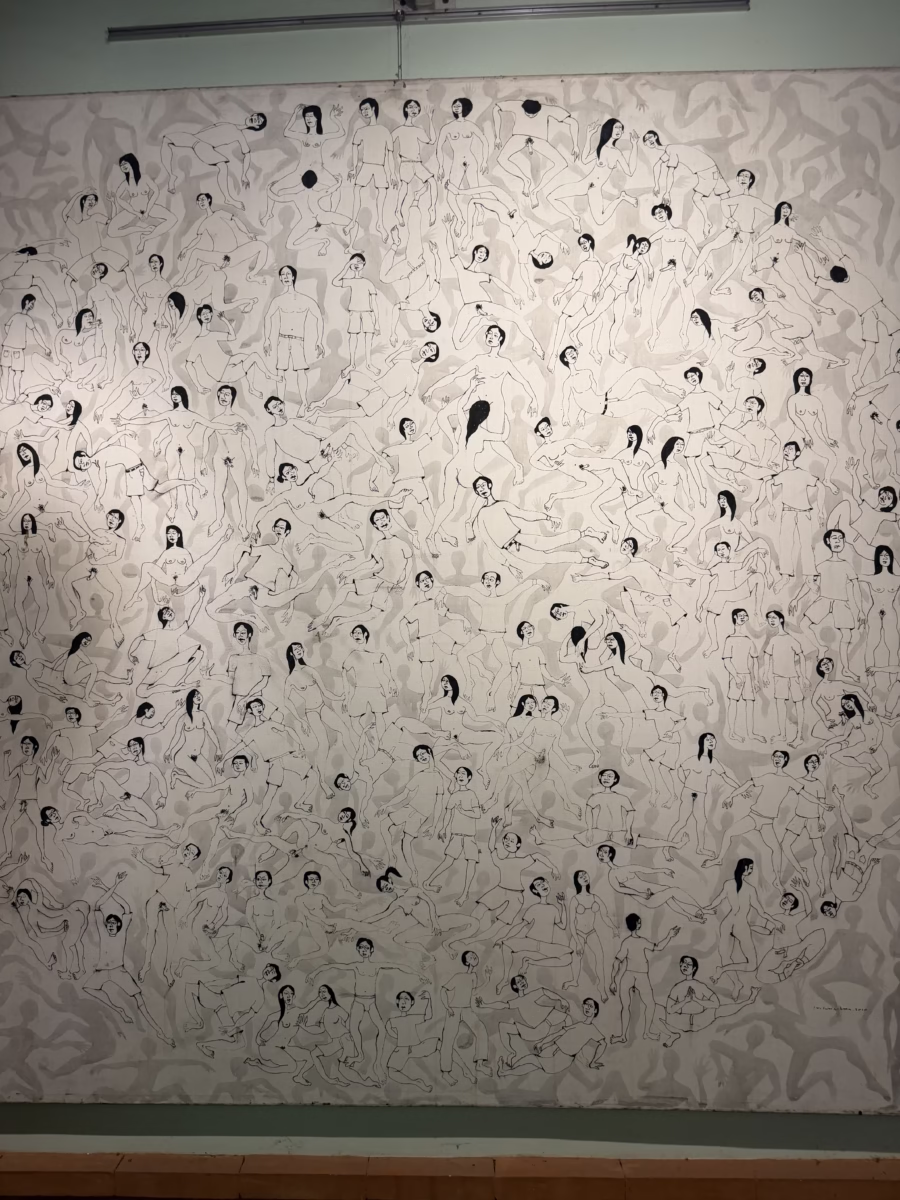
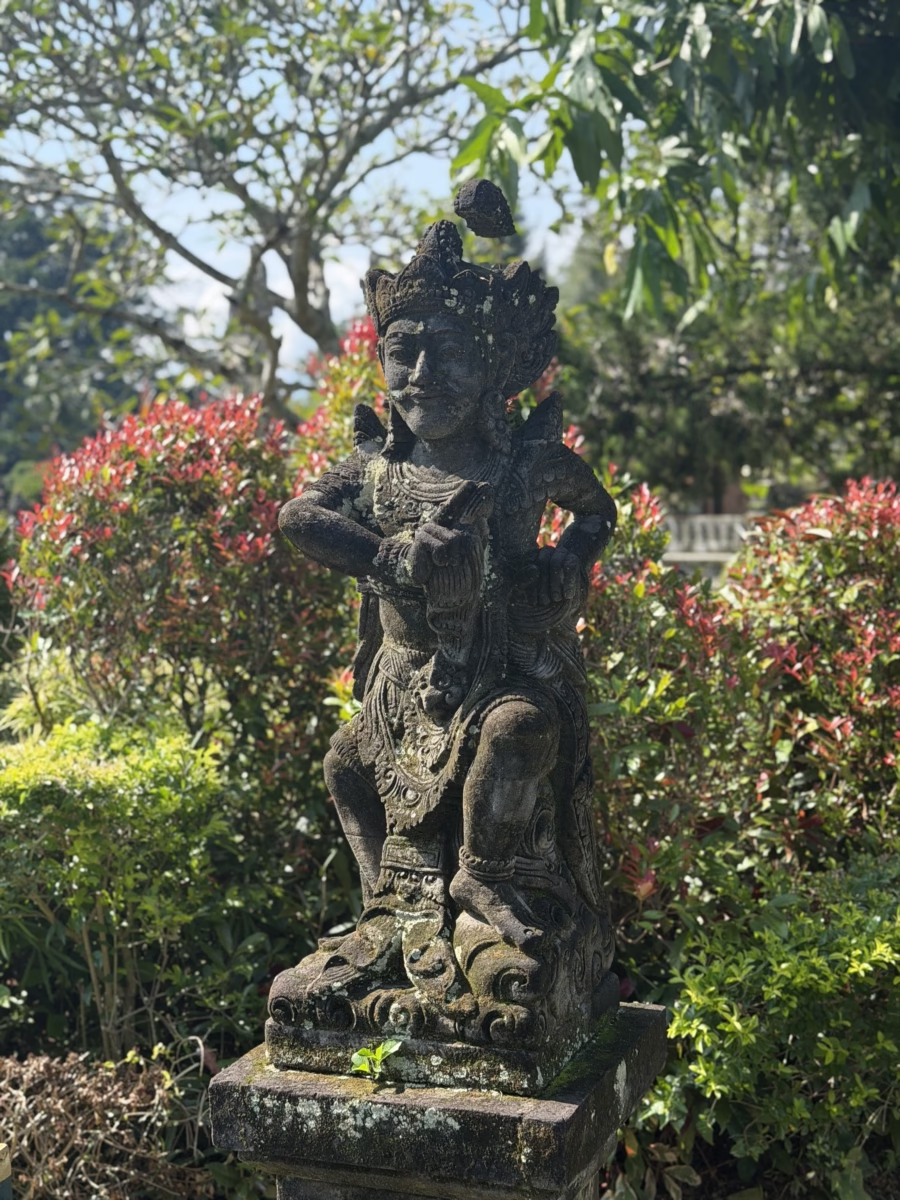
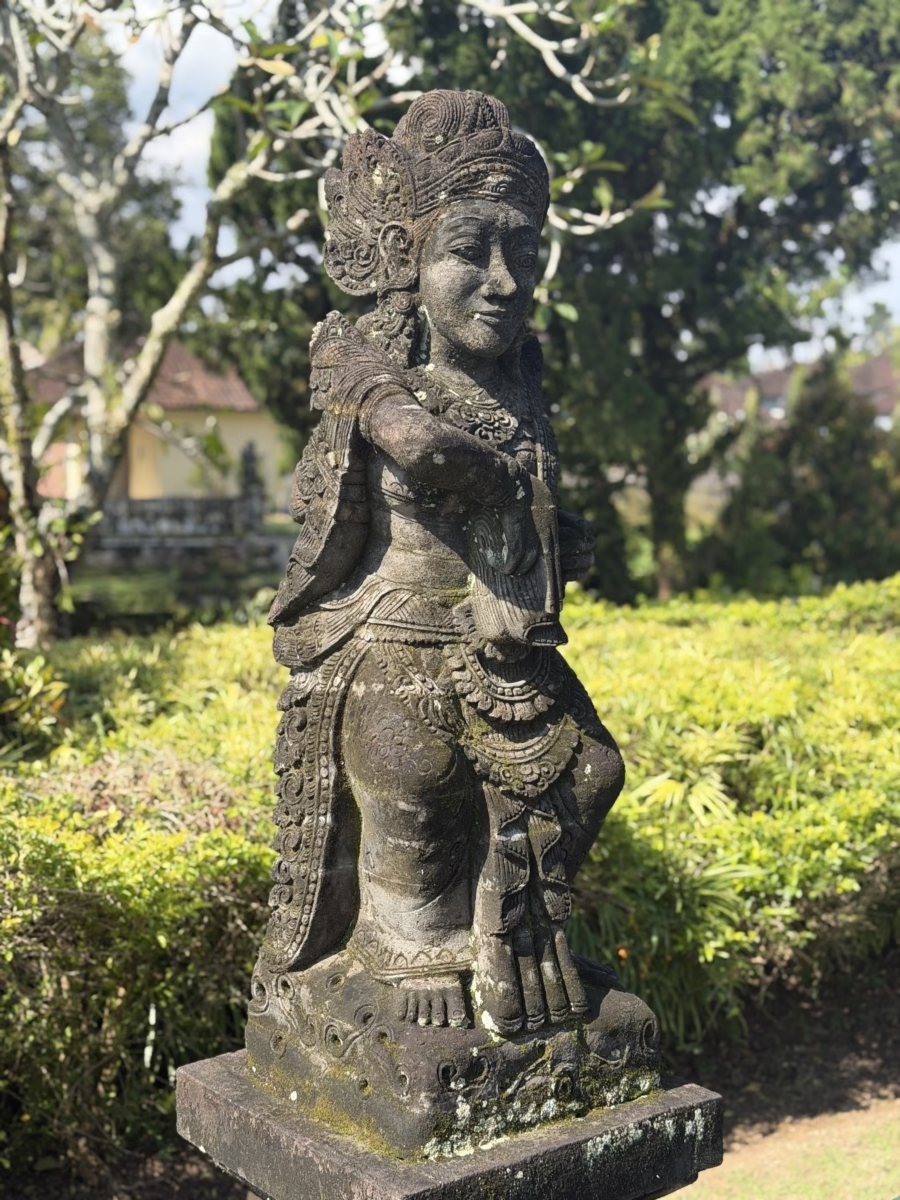
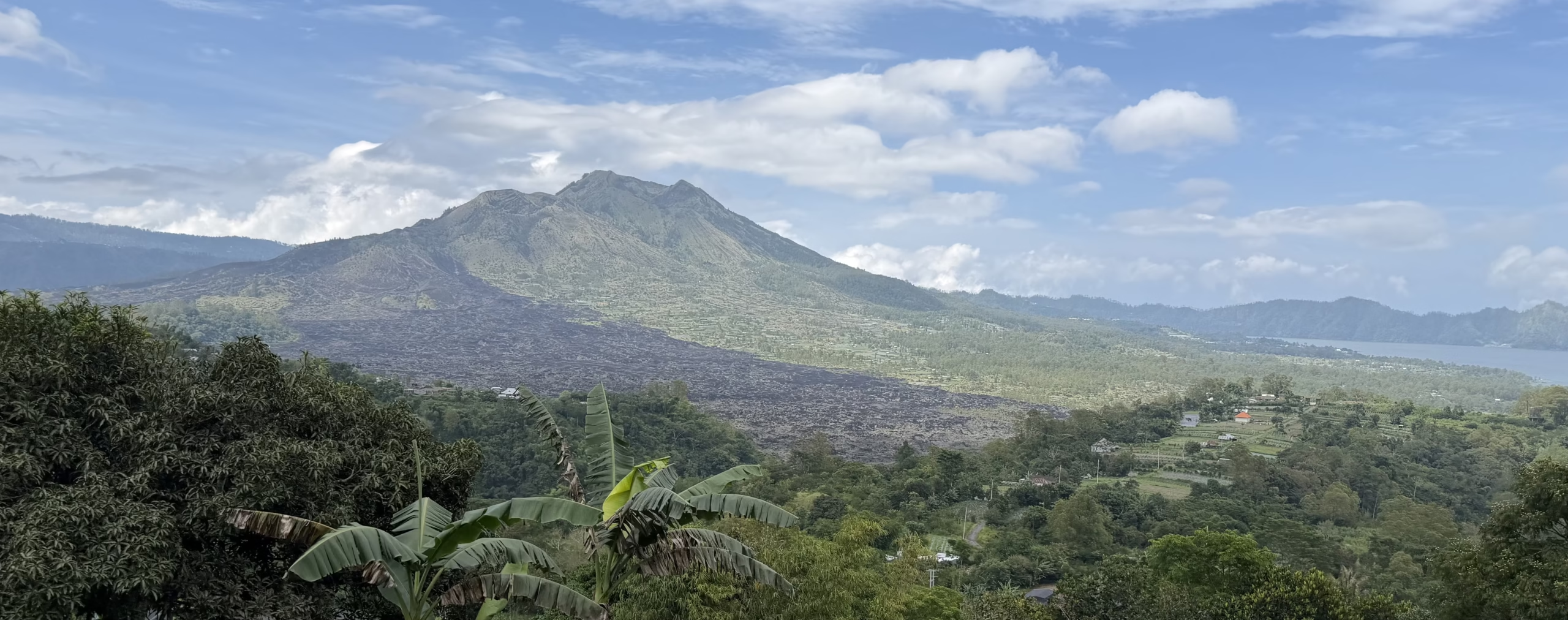
We drove north of Mongan, up into the volcanic mountain region of Bedugul and its crater lakes. Lake Beratan (1,231 m/ 4,039 ft) is home to the “floating” Hindu temple, Pura Ulun Danu Beratan, a large, picturesque Hindu temple and garden complex along the edge of the lake. It is an agricultural and water worship sanctuary built in 1633, and you can easily see why.
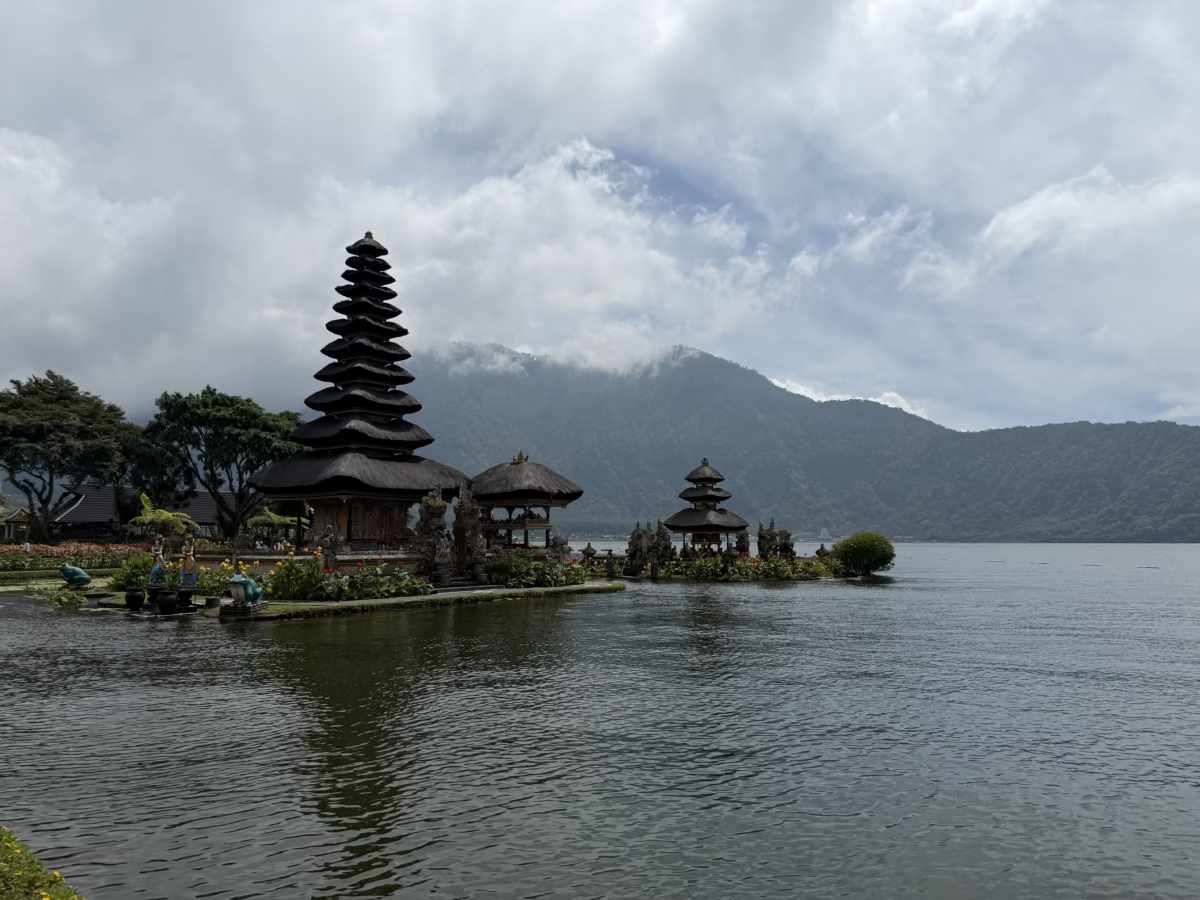
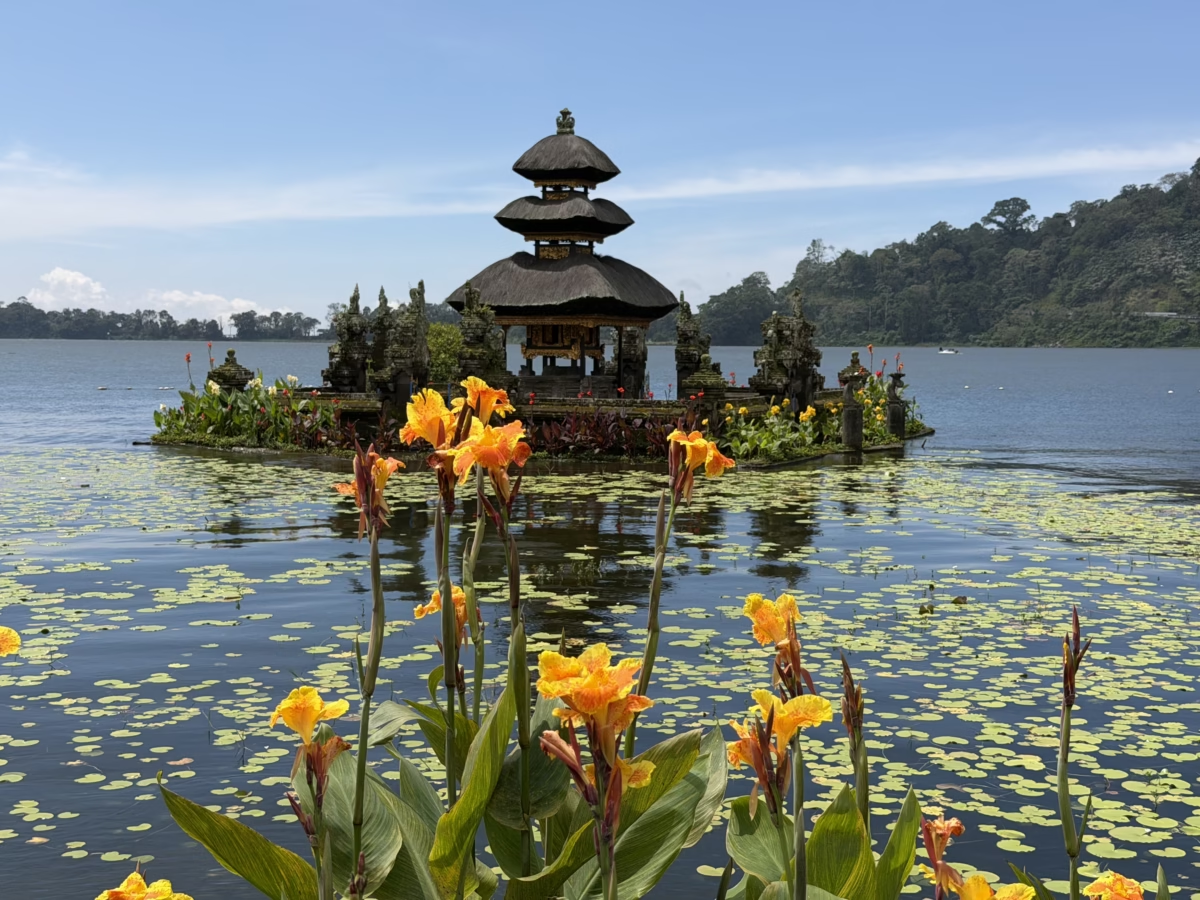
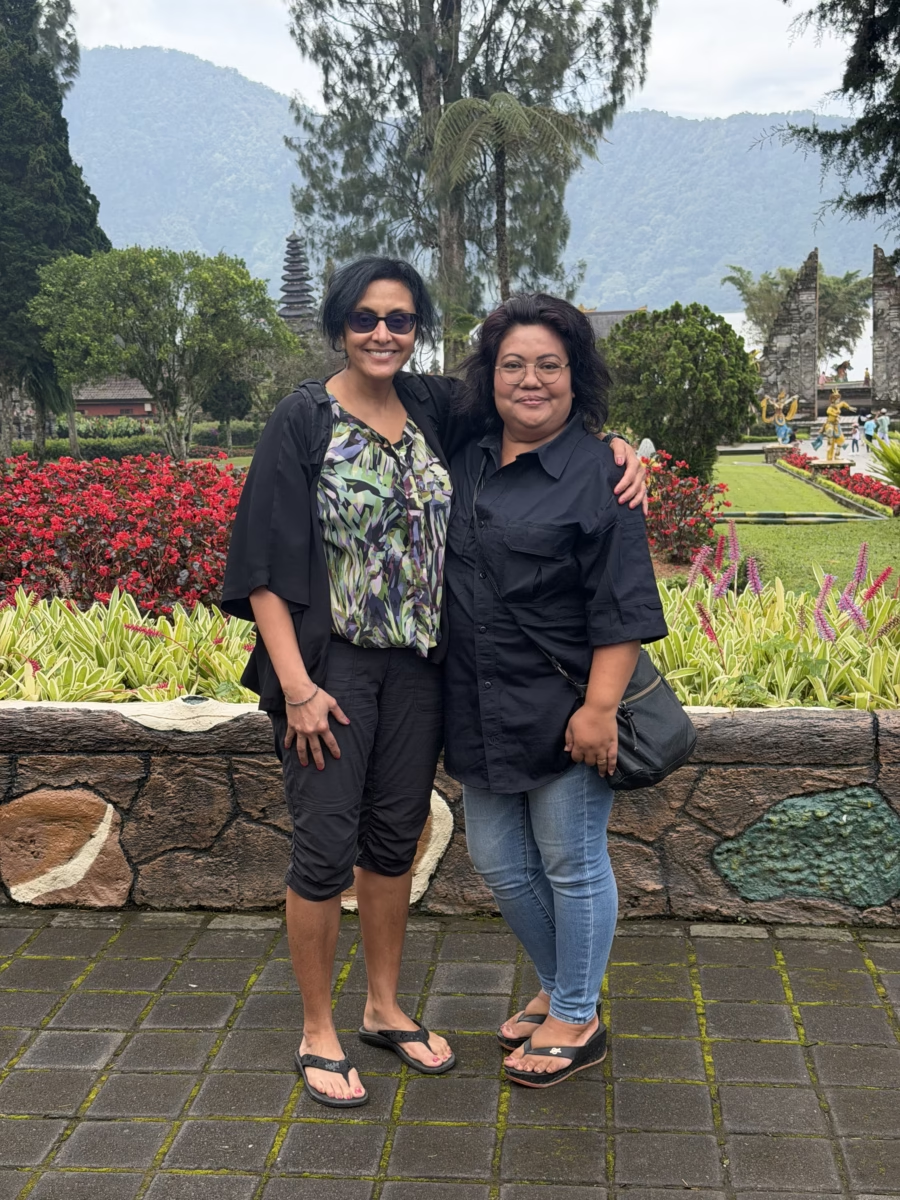
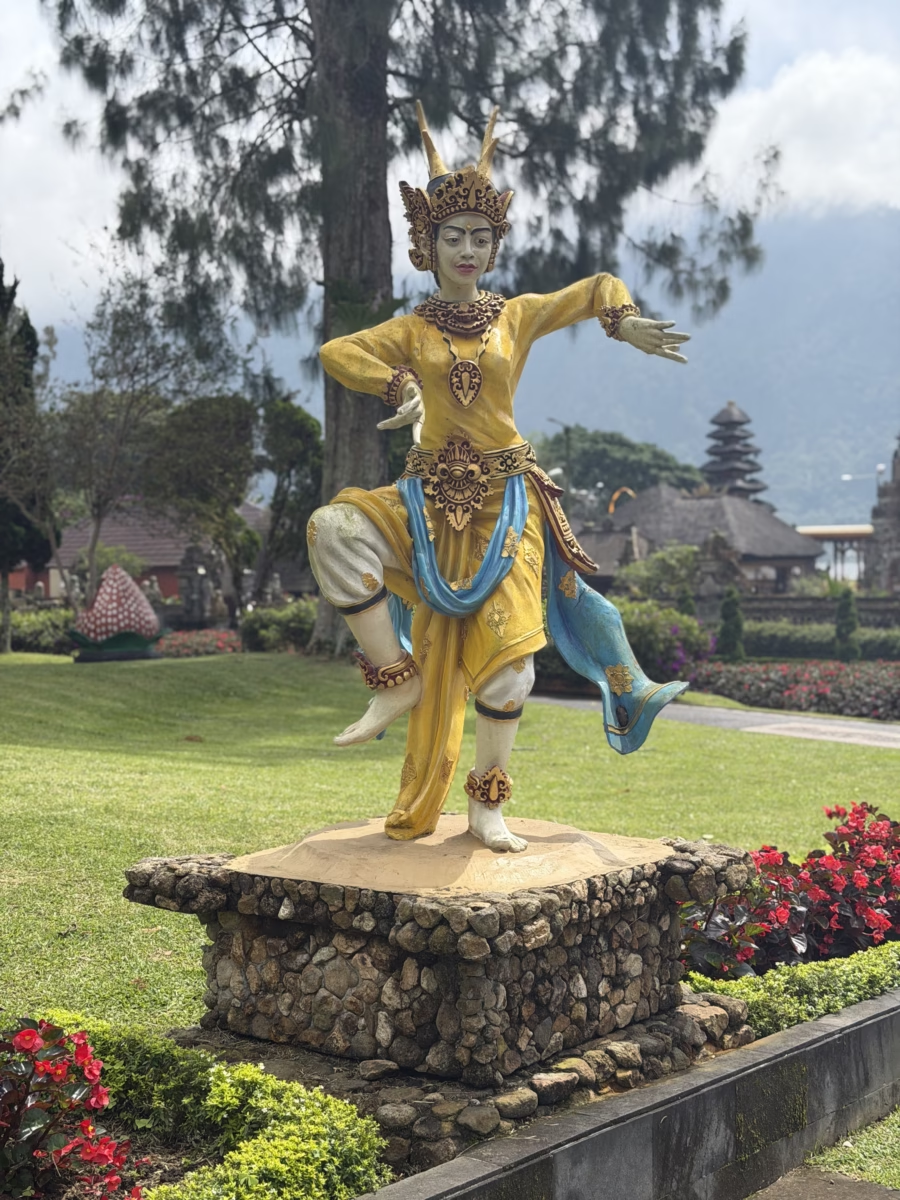
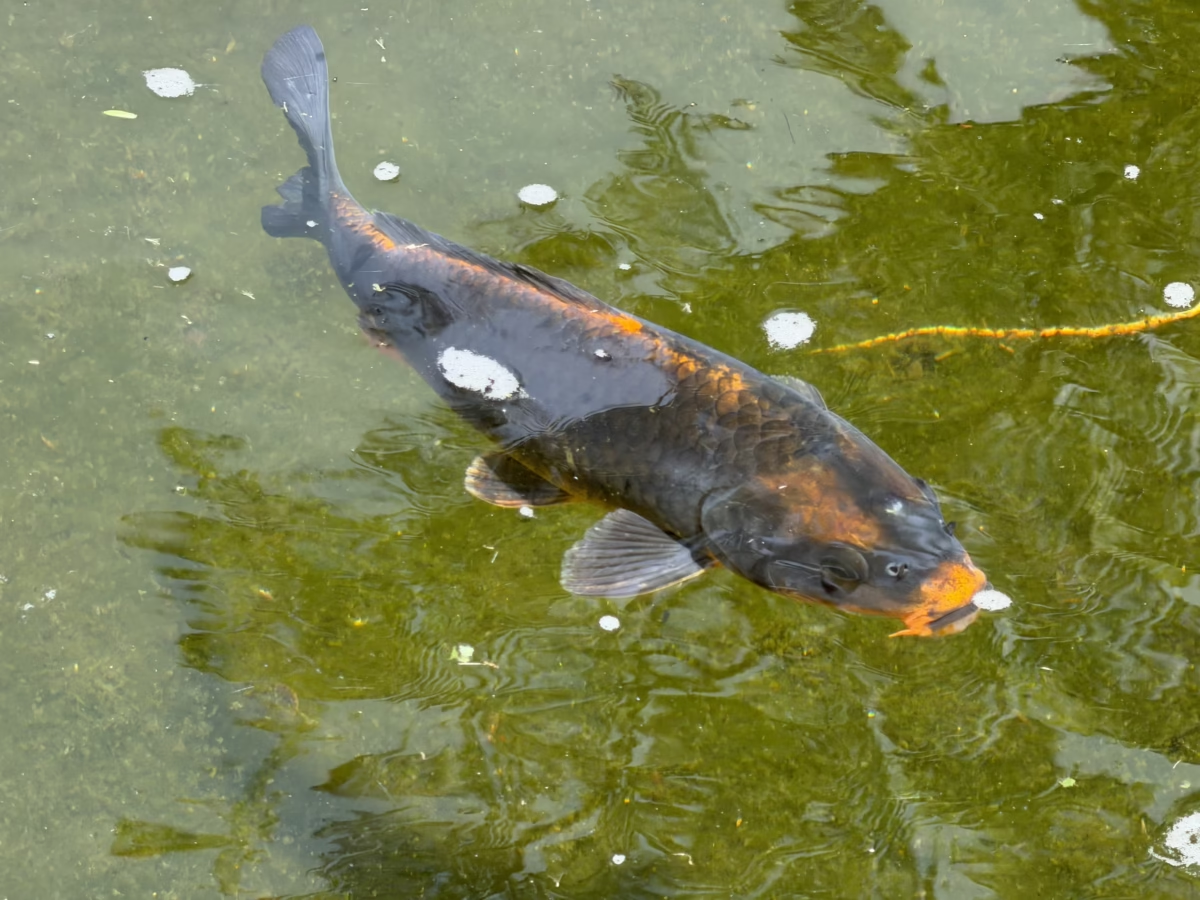
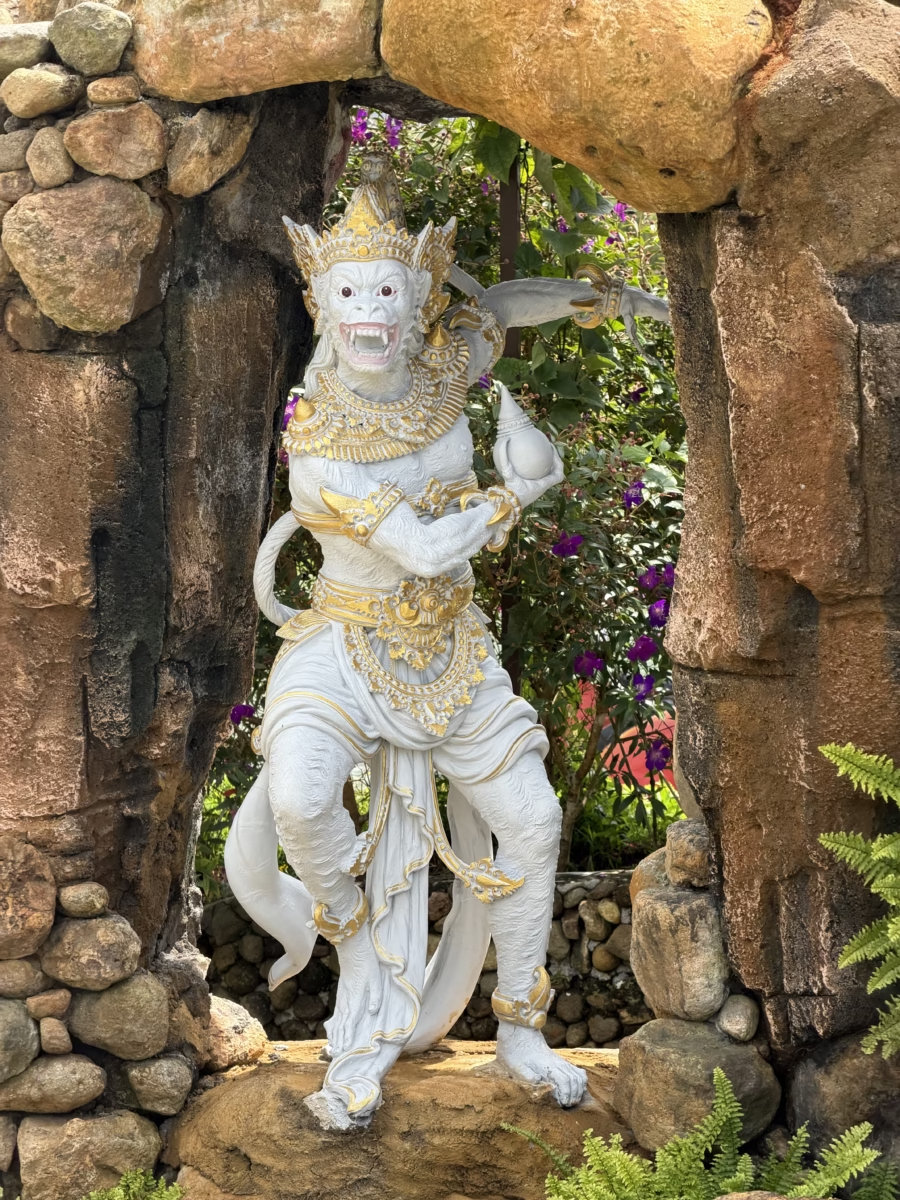
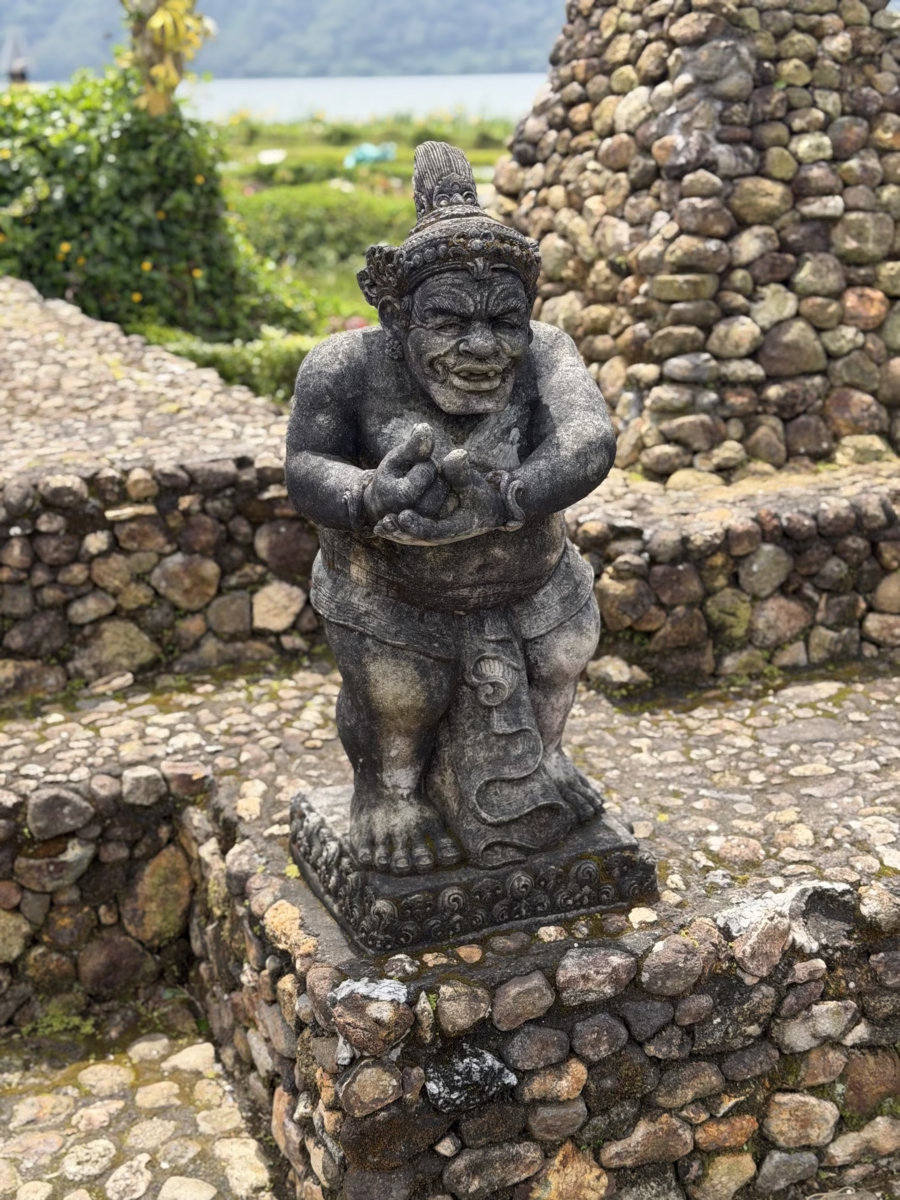
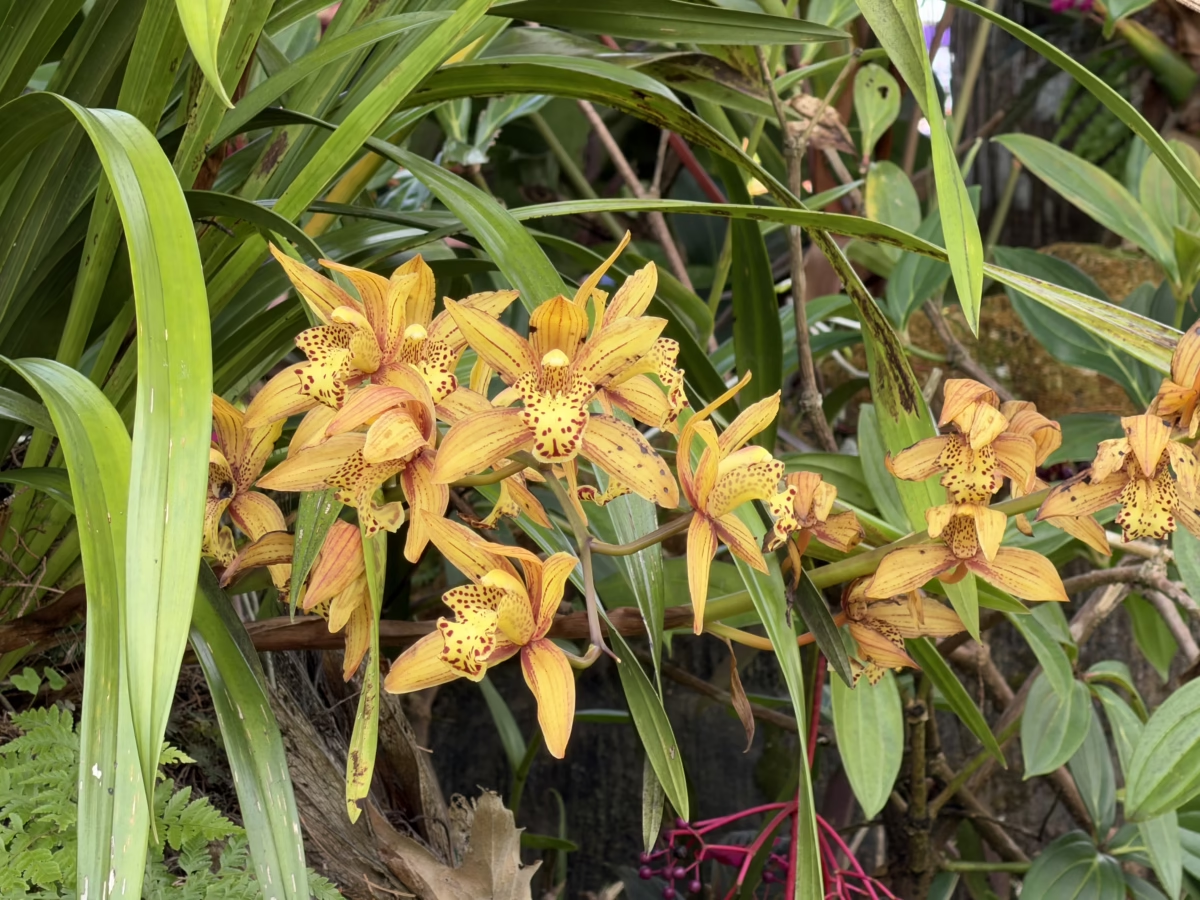
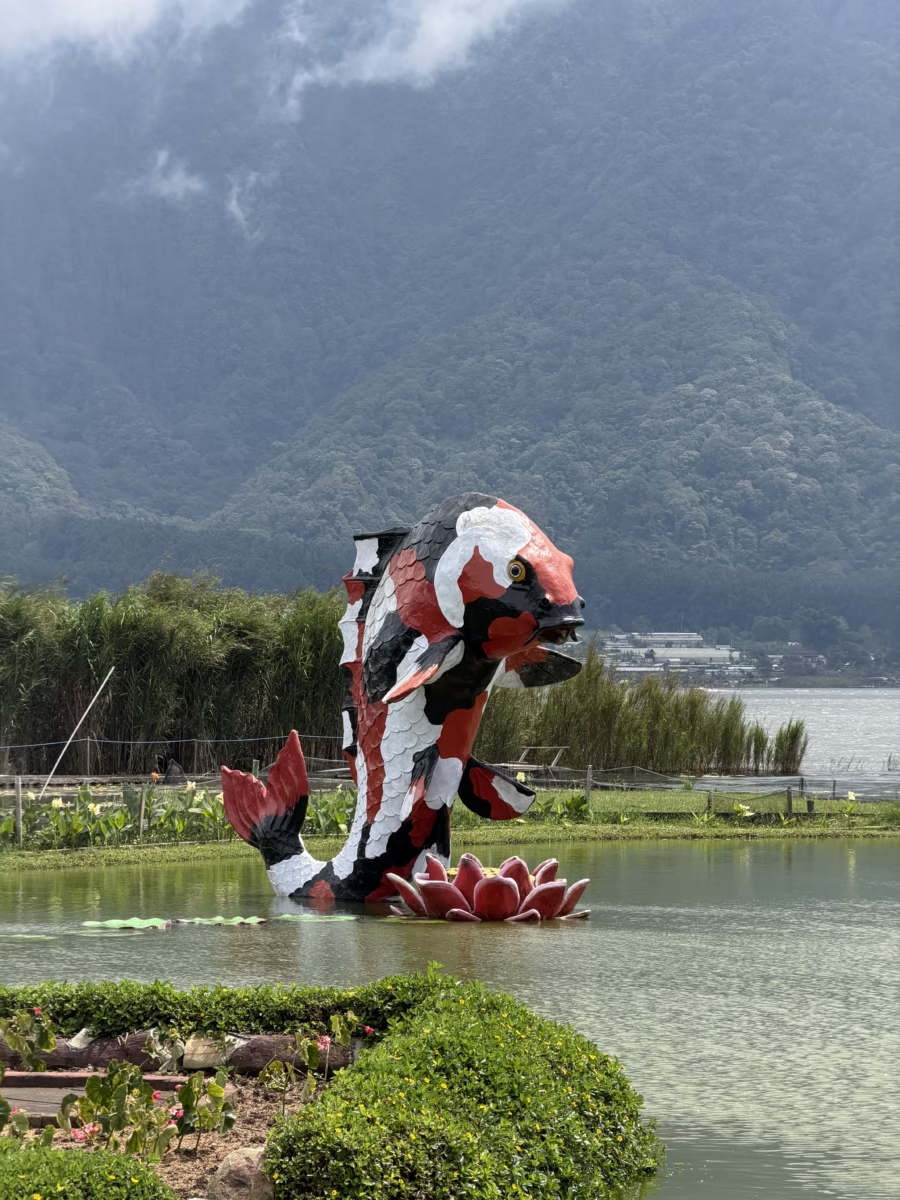
Among the temples, statues, and koi were all sorts of local and imported flowers adding even more color.
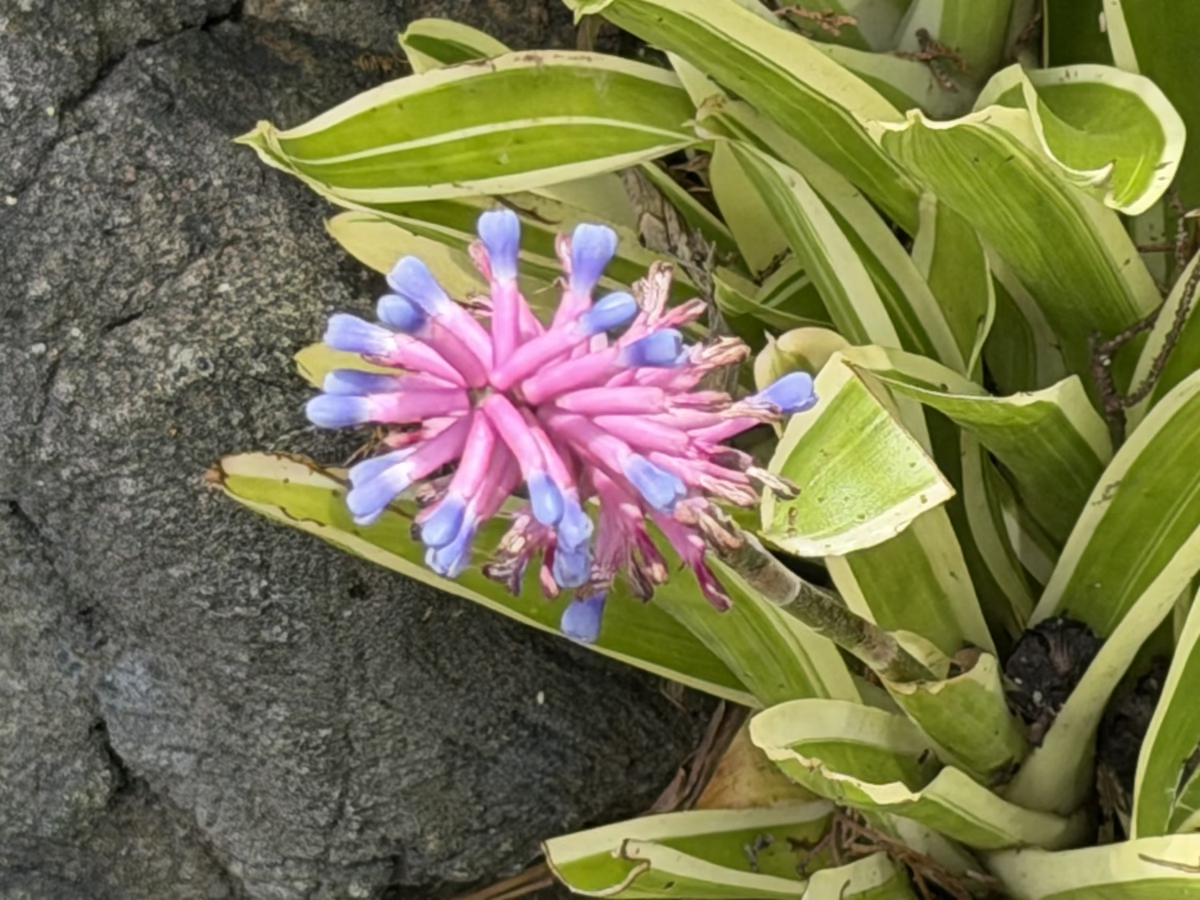
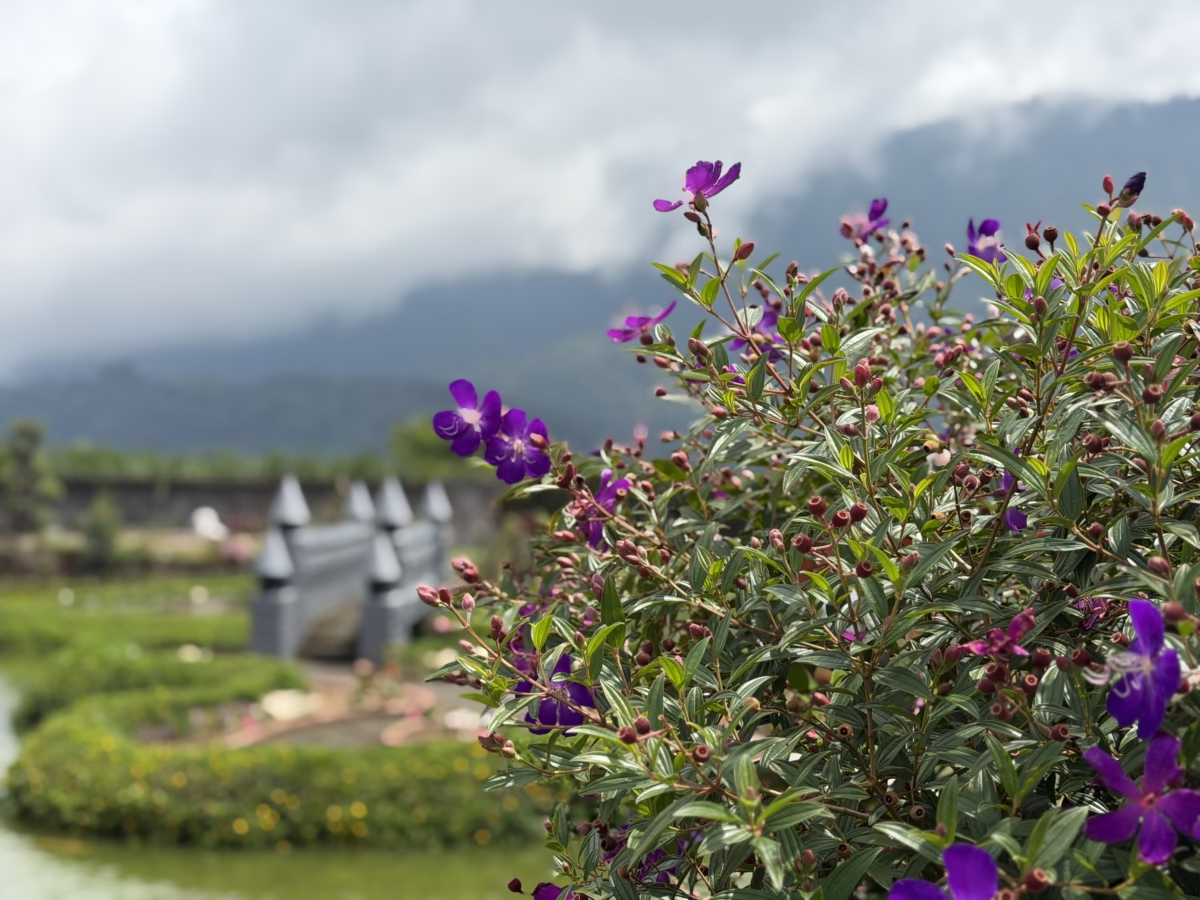
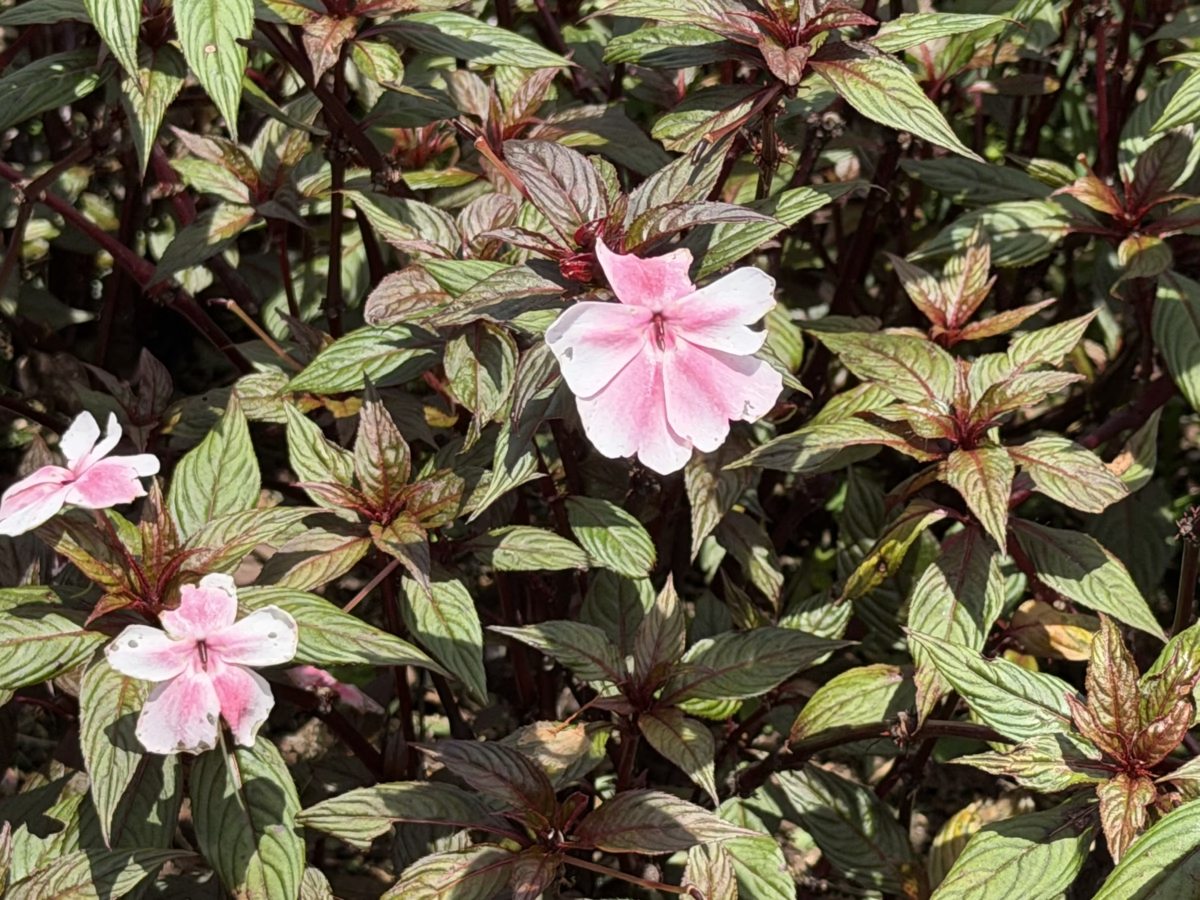
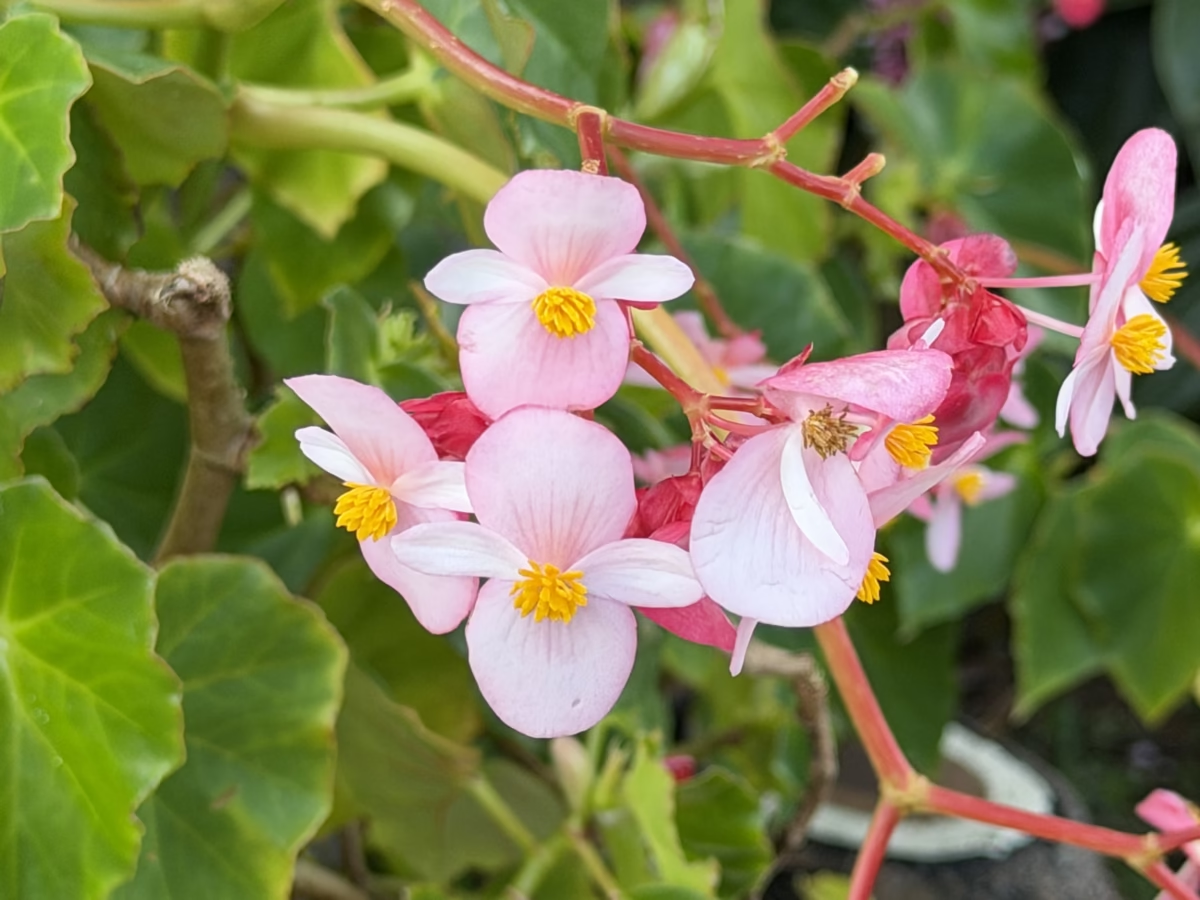
As if to remind us of the unique location and essence of this temple complex.. waterside creatures set against the backdrop of towering volcanic crater walls.
Leave a Reply