Near the Lombok Wildlife Park is the Autore Pearl Farm. Pearls are one of those things I have long had a general sense of how they are formed, but that’s about it. I’ve never been a big fan of them as jewelry, which I’m sure contributed to my limited pursuit of more details. Learning about how they’re actually formed (and farmed) first-hand was a great opportunity and greatly increased my interest!
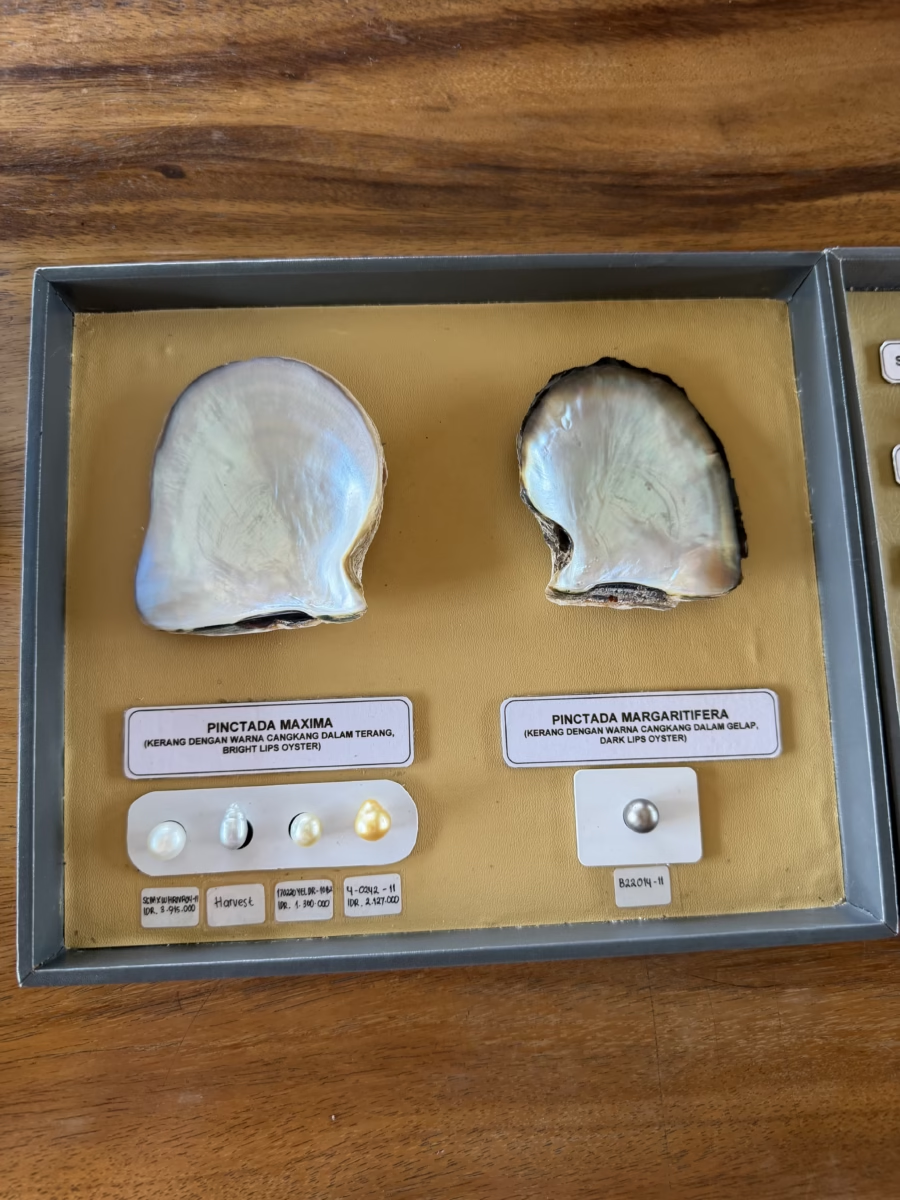
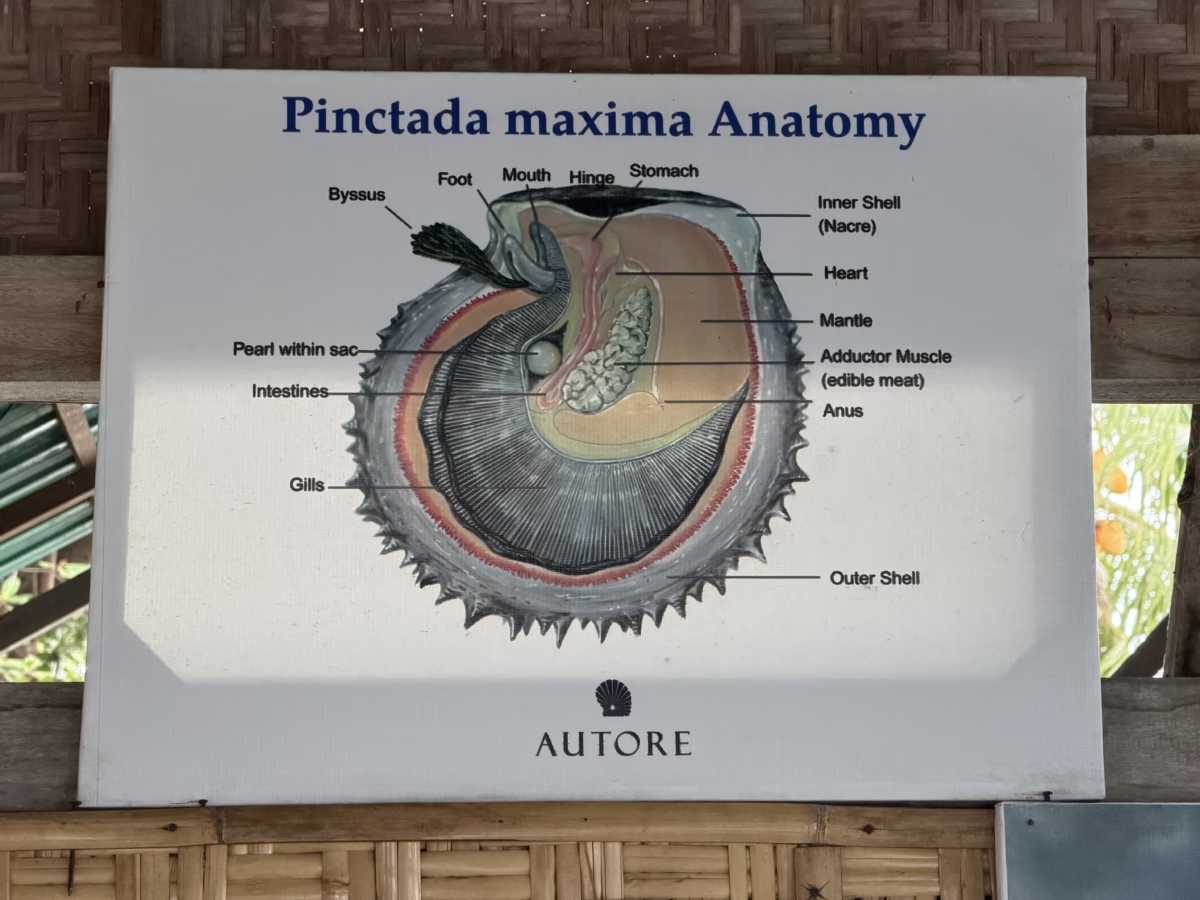
The Autore facility on Lombok includes an active farm and a small showroom. Farmed (aka cultured) salt water pearls like these are grown in oysters, fresh water pearls are typically grown in mussels (mostly in China, Japan, and the US). Wild pearls are exceedingly rare and thus very valuable, and make up less than 1% of pearls globally. Perhaps the most surprising aspect of the whole operation is how much of the farming effort is spent nurturing the oysters to develop healthily. Actually extracting the pearl takes very little time. The process..
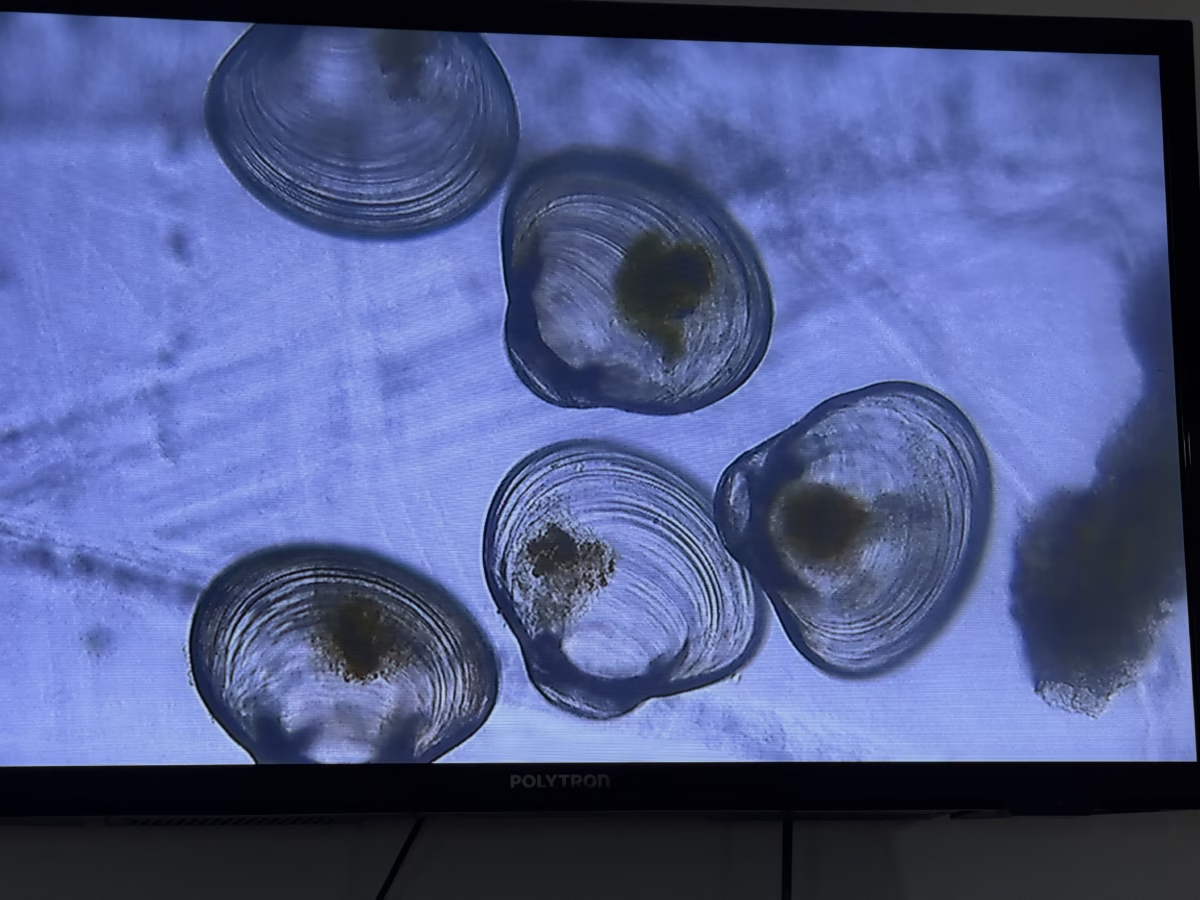
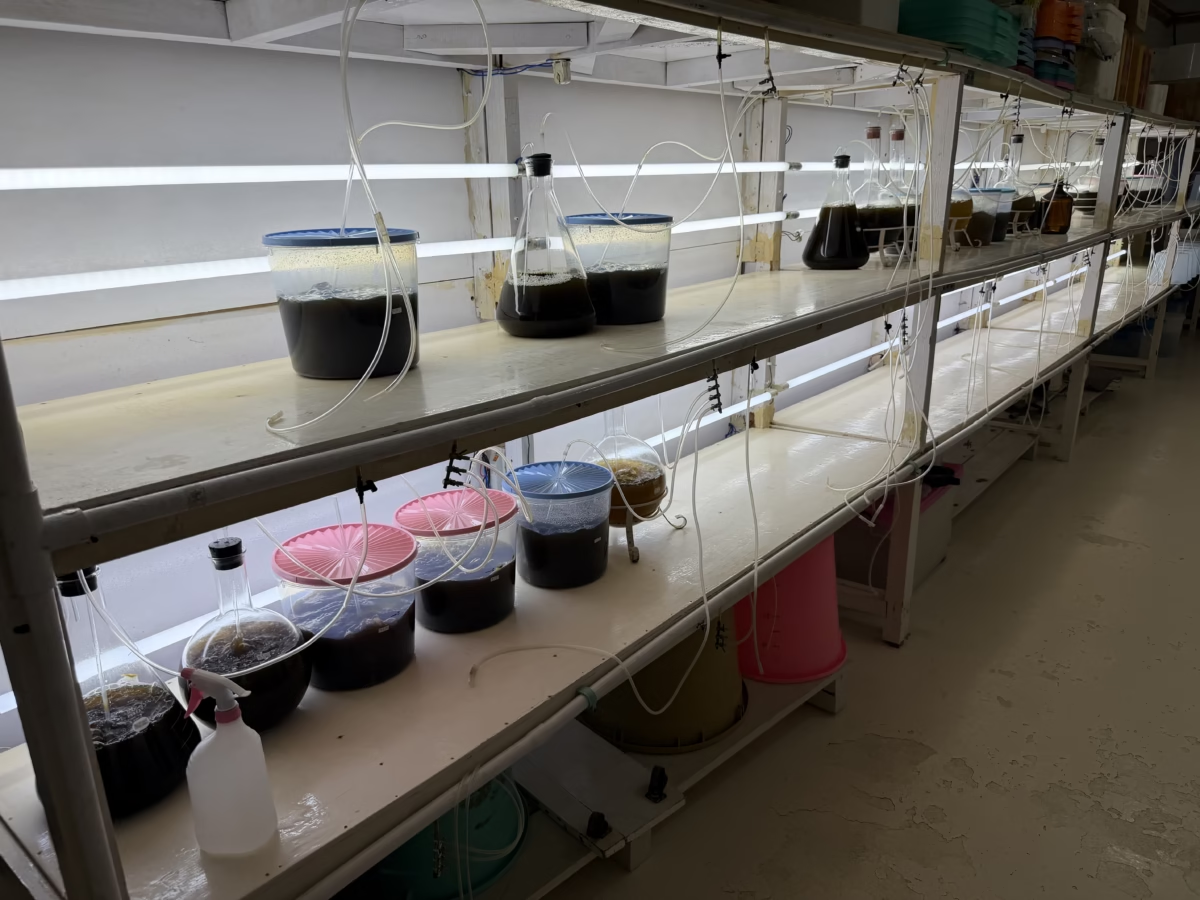
- Oyster is grown in perfect conditions in a lab
- Water chemical composition and aeration are key
- The oyster usually starts as male then naturally becomes female after a year, sometimes going back and forth over its life
- A seed is surgically inserted into the oyster’s reproductive organ
- selected based on oyster size
- typically a shell bead
- Small piece of mantle added from another oyster
- the mantle is the outermost part of the oyster’s soft body
- prompts growth of nacre (aka mother-of-pearl) that becomes the pearl
- Oyster wants to protect itself from the intrusive seed and slowly builds up nacre around the seed
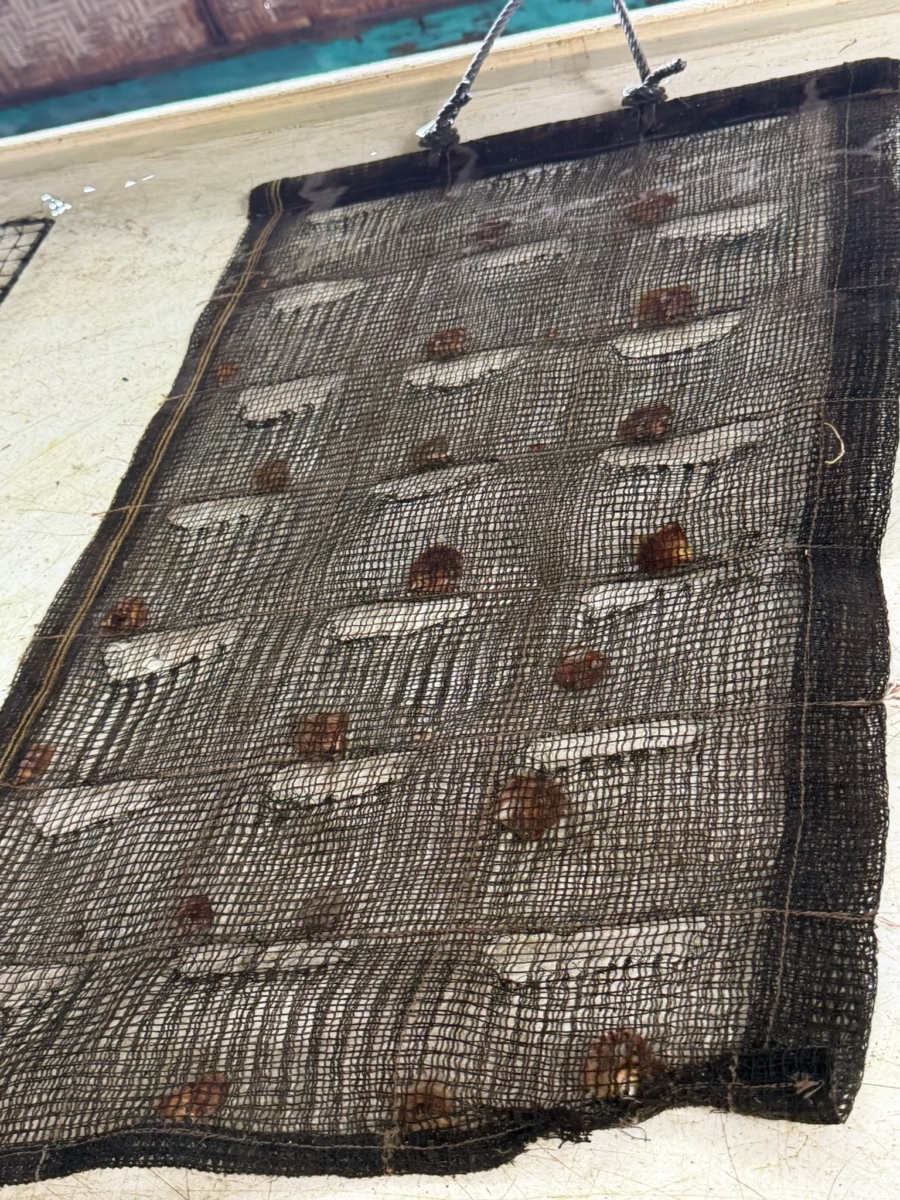
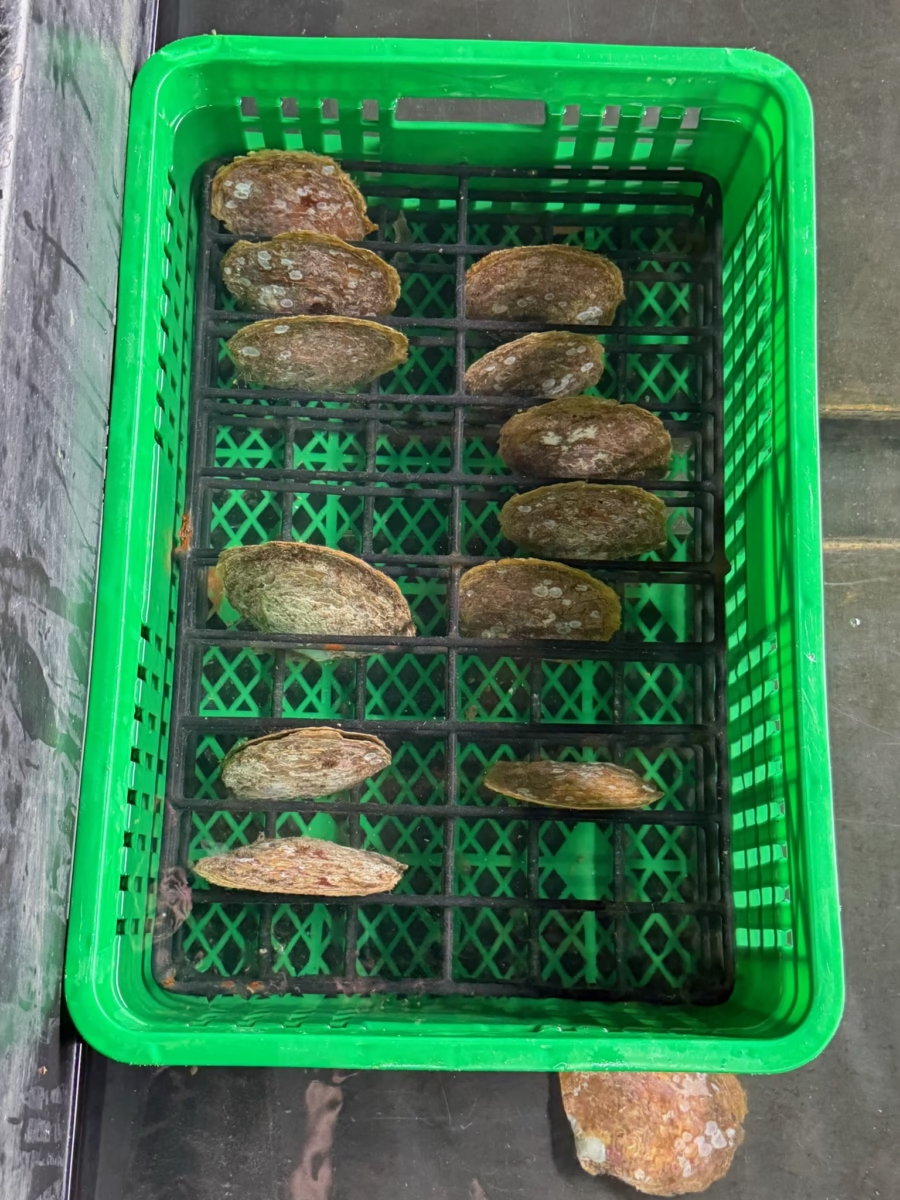
- Oyster and pearl grow in carefully tagged & monitored cages in the ocean for about 3 years
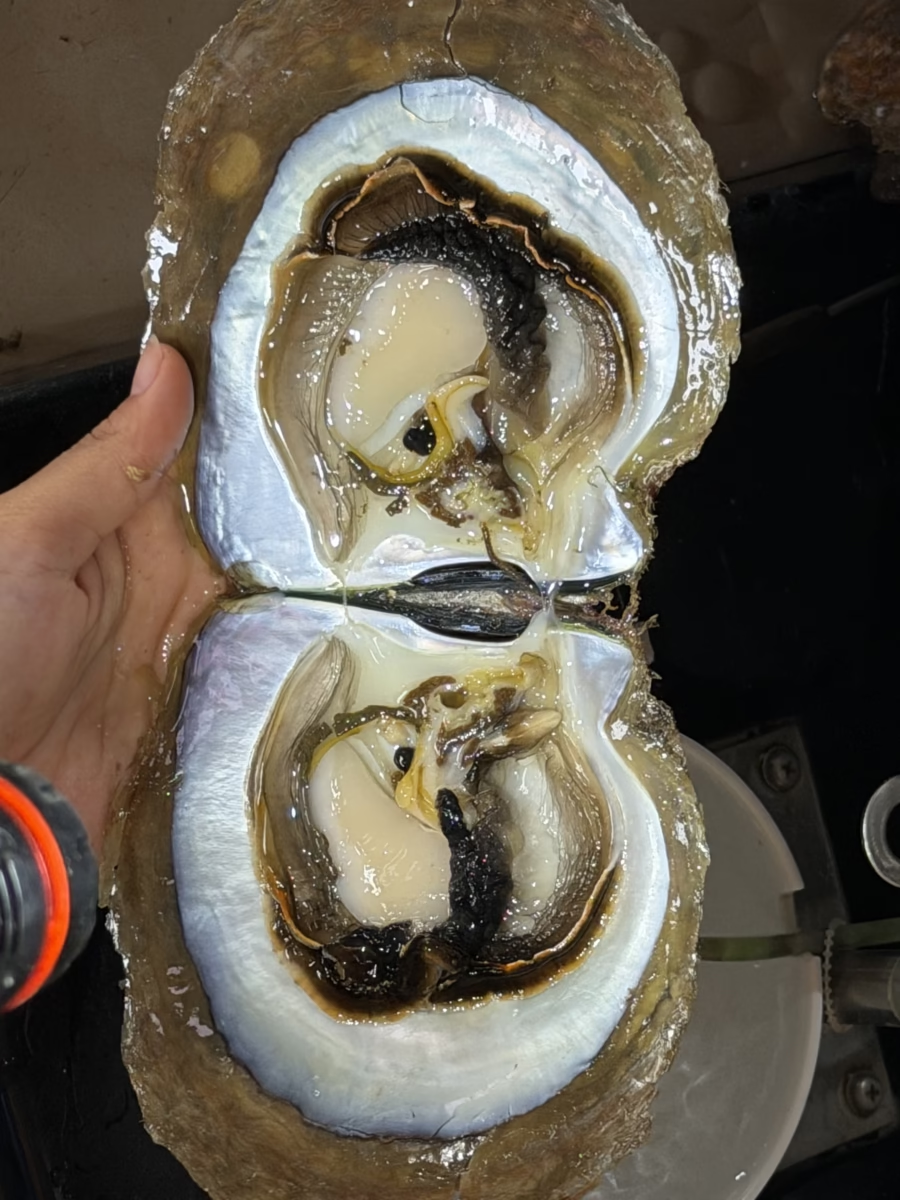
- Oyster is carefully opened slightly to surgically remove the pearl
- Steps 2-5 can be repeated a few times to create additional pearls
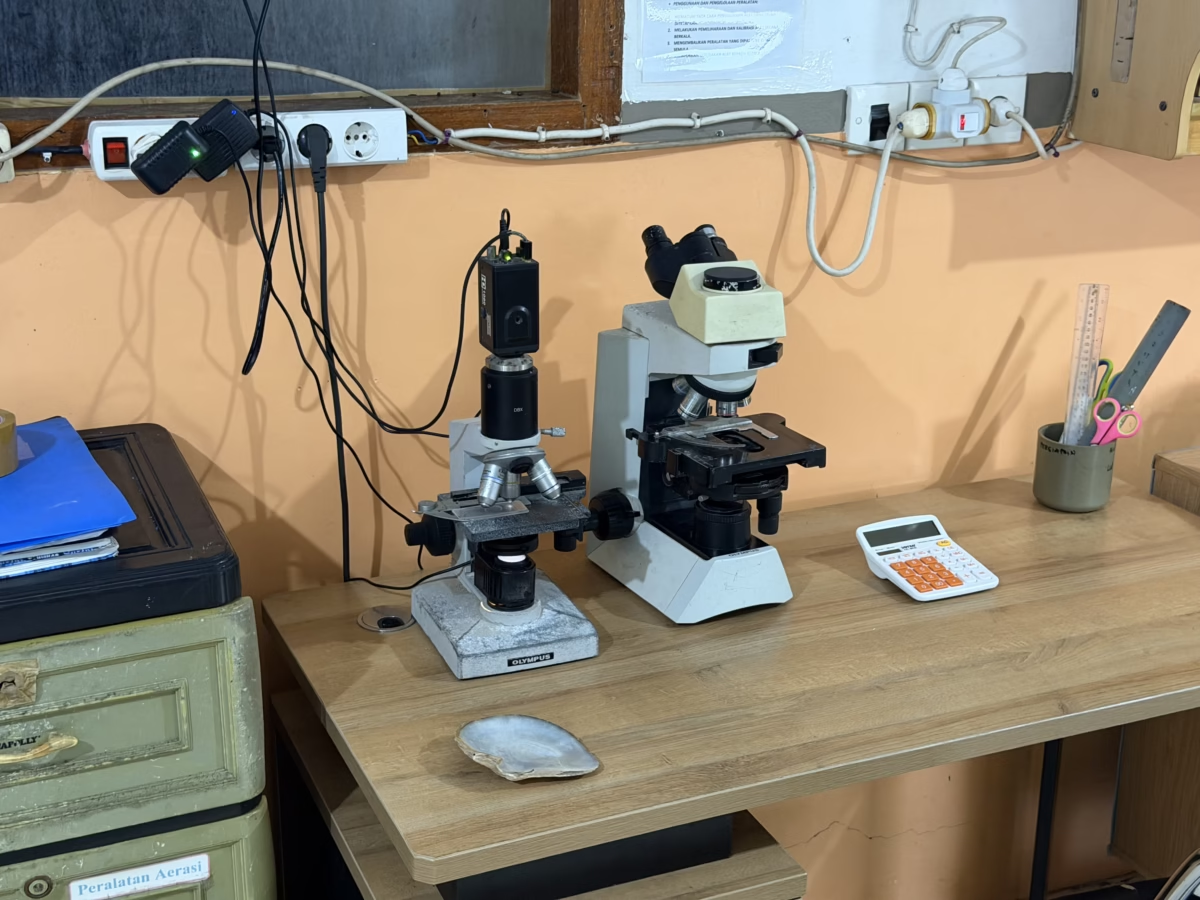
We were quite surprised that our tour wasn’t just talking us through these steps. Our guide did that of course, but she also showed us the actual oysters at every point, and even did the surgeries to insert a seed, extract and implant a piece of mantle, and extract a pearl from a 3 year old oyster!
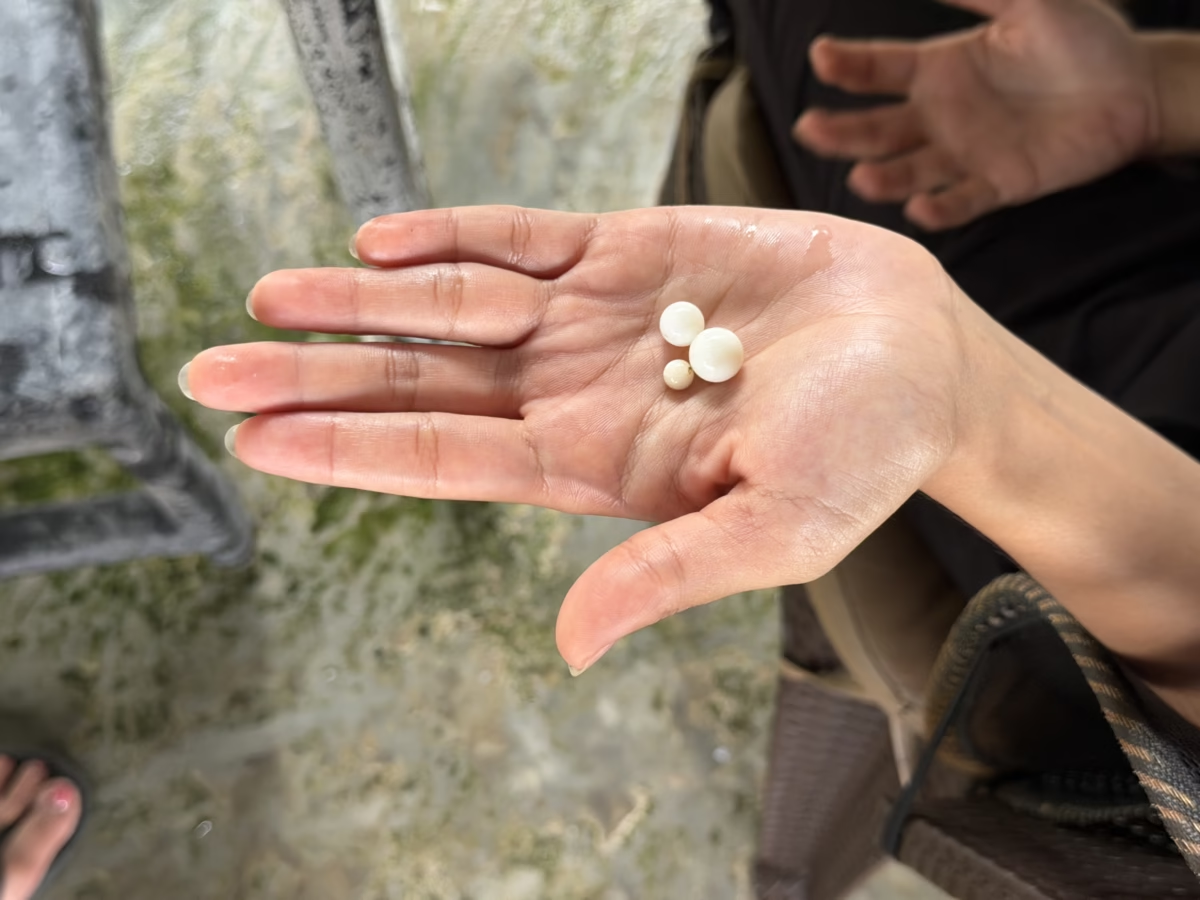
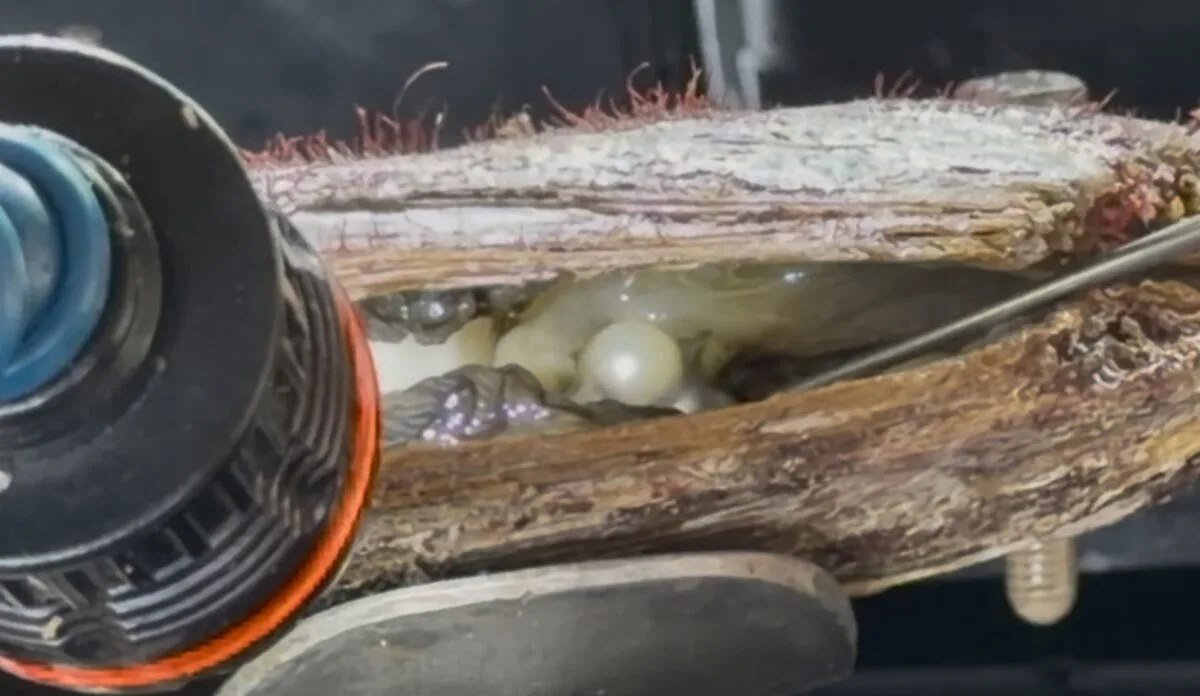
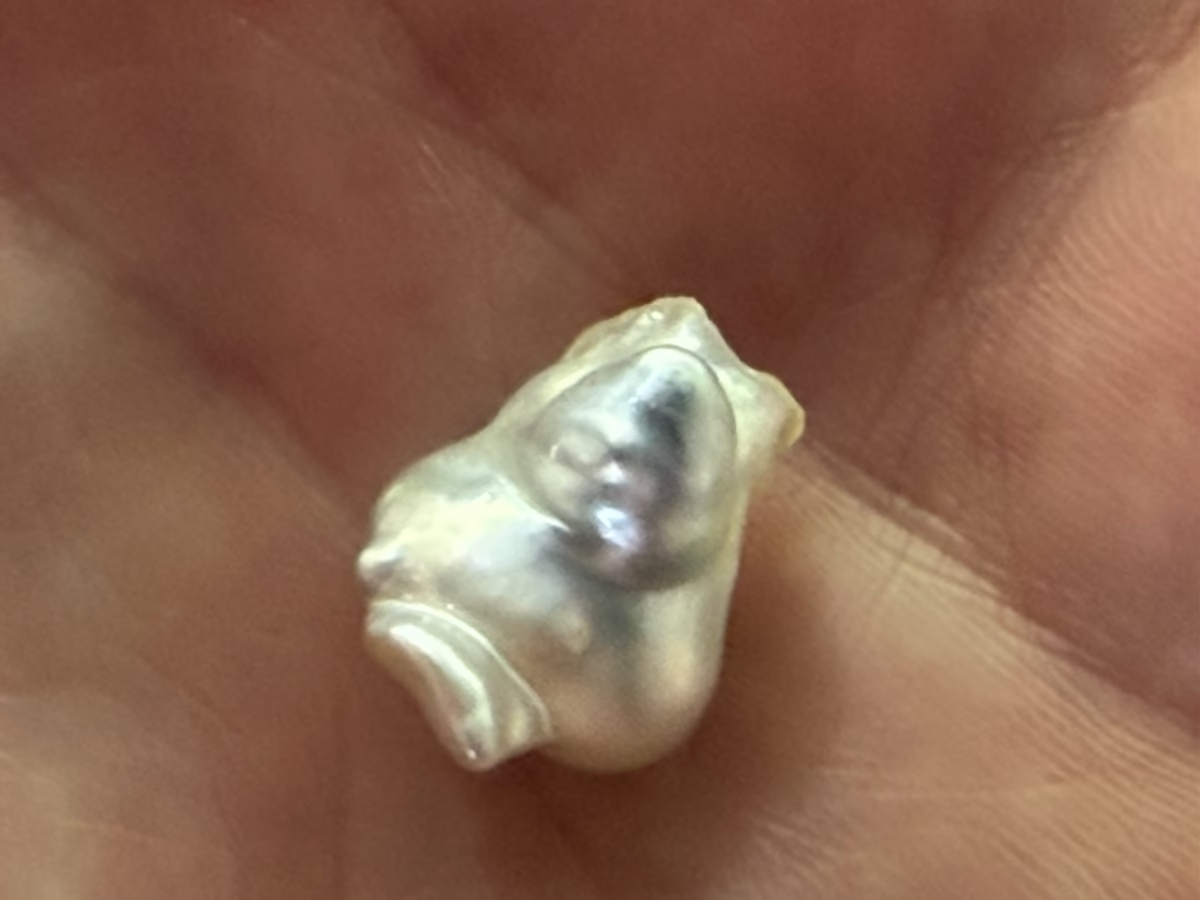
Our guide was VERY surprised to see this pearl emerge. It is highly irregular, as the pearl development is in a sac so naturally spherical. Slight pear-shapes occur, but this one is completely misshaped. I hoped that meant she’d give it to us as a cool keepsake but that’s apparently very much against the rules.
Note that wild pearls are formed when a small piece of sand or parasite works its way into the oyster, and manages not to be expelled. Unlike farmed pearls, wild oysters can house multiple pearls.

Leave a Reply