The Komodo Dragon, the largest lizard on Earth. They can grow to over 10 feet (3m) in length, have long sharp claws, iron-capped razor sharp teeth, deadly venom, and are very intelligent. Seeing them is one of those things you hear about for years and you know is uniquely amazing but becomes normalized by everyday references and images like giant pandas, bioluminescent bays, The Great Wall of China, or The Statue of David. When you actually witness them first hand it doesn’t matter how prepared you are, you have to stop in wonderment. In this case the dragons are so magnificent in size and.. presence that we just stood in awe for several minutes.
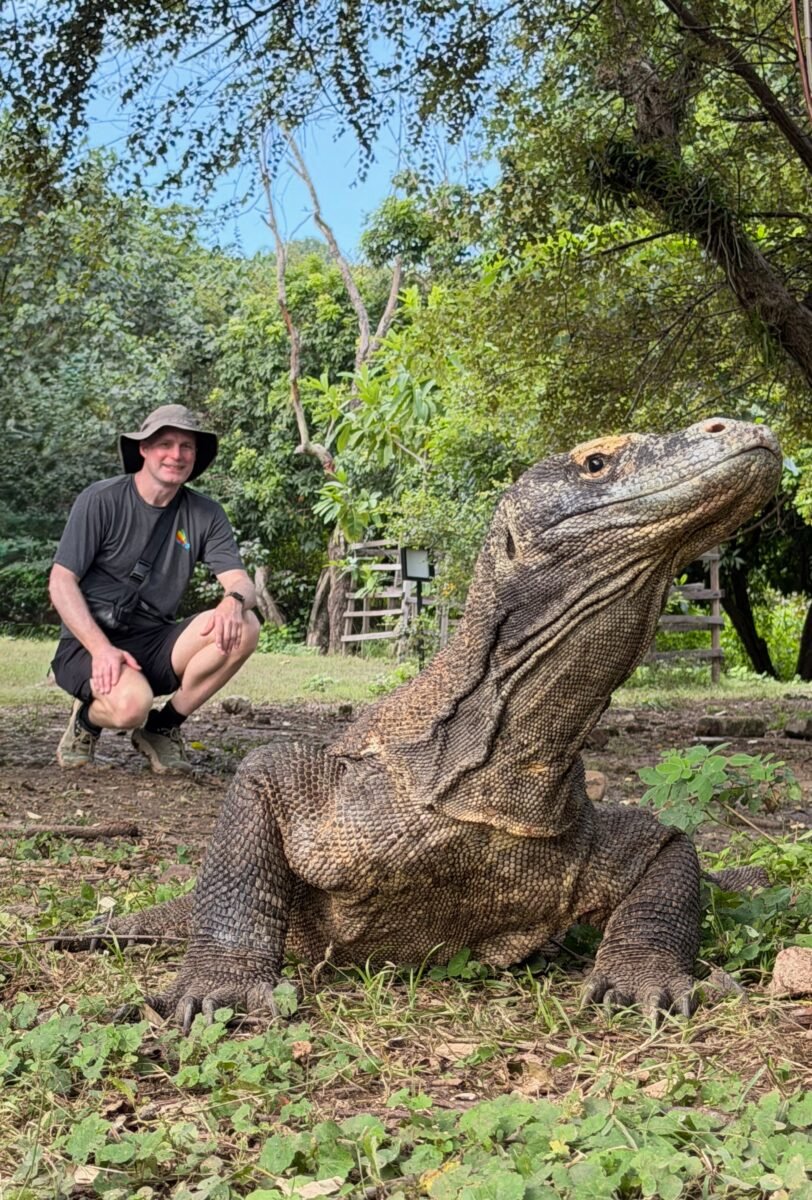
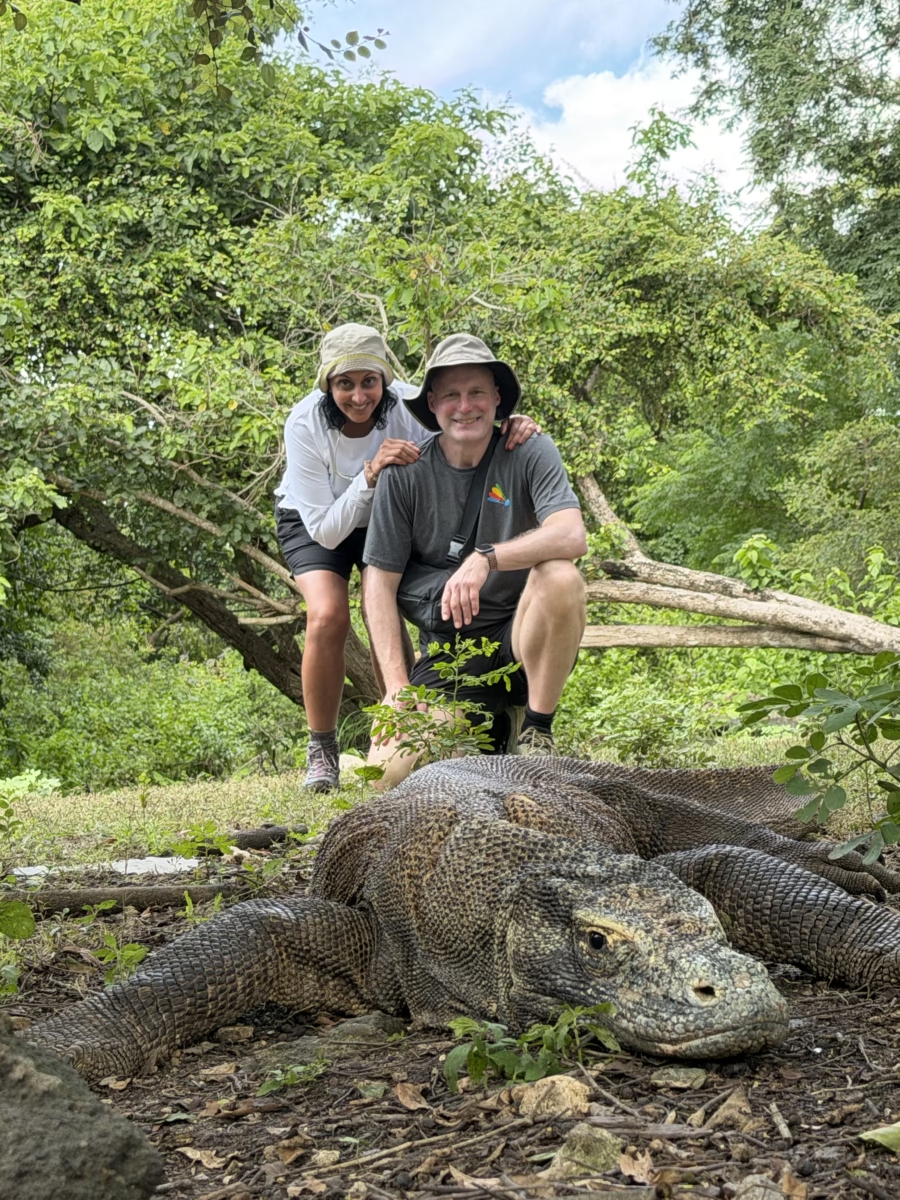
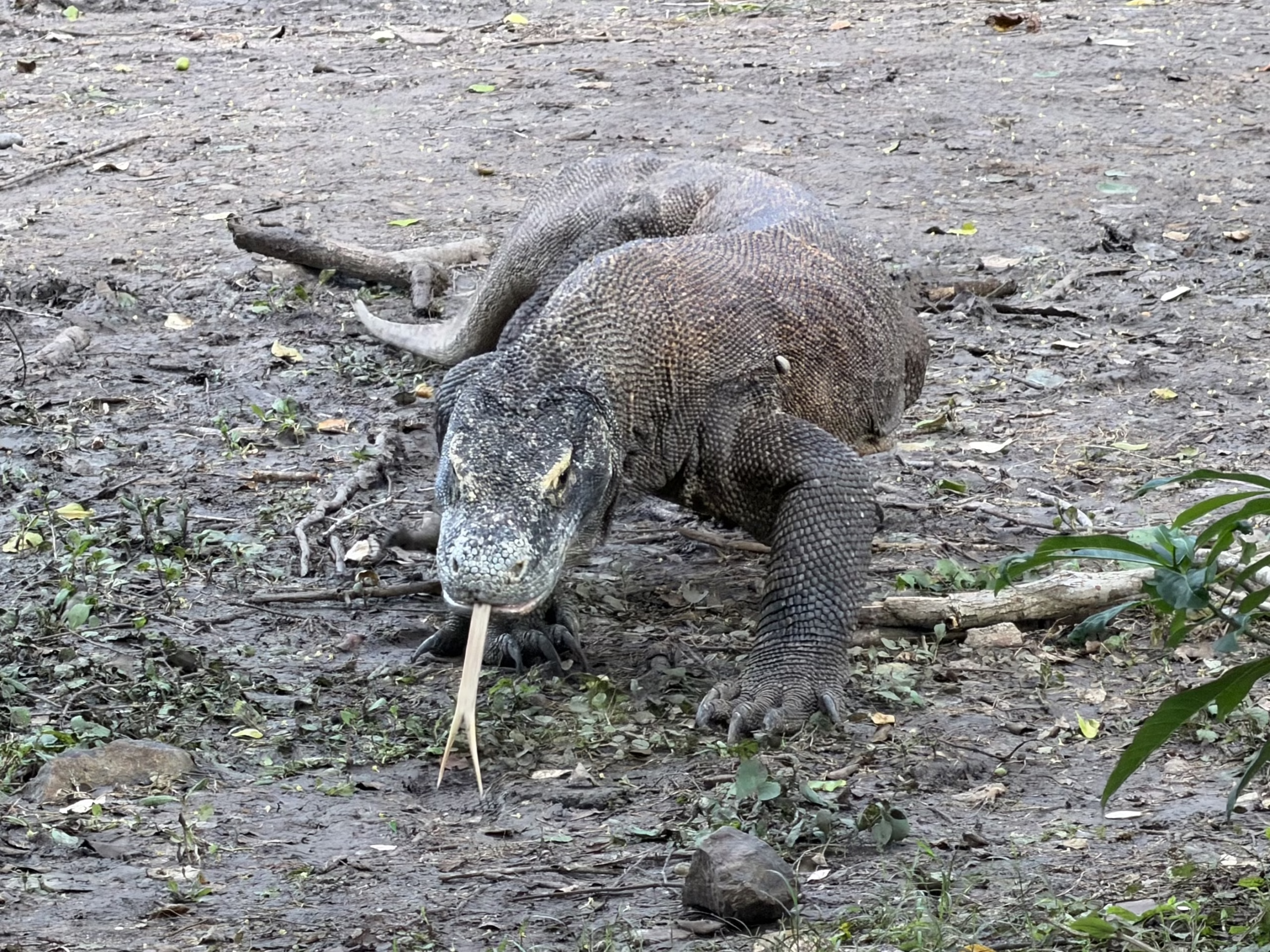
Wild Komodo Dragons are only found in a very limited area of eastern Indonesia. As of March 2026 there are under 3,700 dragons in existence, 150-200 in captivity around the world and about 3,500 wild in Indonesia. The wild dragon populations are mostly split between their namesake island, Komodo, and neighboring Rinca (pronounced Rin-cha) Island. Much smaller numbers are spread across nearby smaller islands and the coast of the much larger island of Flores. We actually stayed on the coast of Flores right near where some live but didn’t see them.
We spent an hour and a half walking trails and taking pictures on Rinca with a ranger as a guide (and photographer). The only fences and walls you see are to keep dragons out of the human areas, not to confine the dragons. They can travel freely across the island or even between islands (yeah.. they can swim). It felt very much like Jurassic Park, or perhaps that Jurassic Park was inspired by these islands of the Komodo dragons.
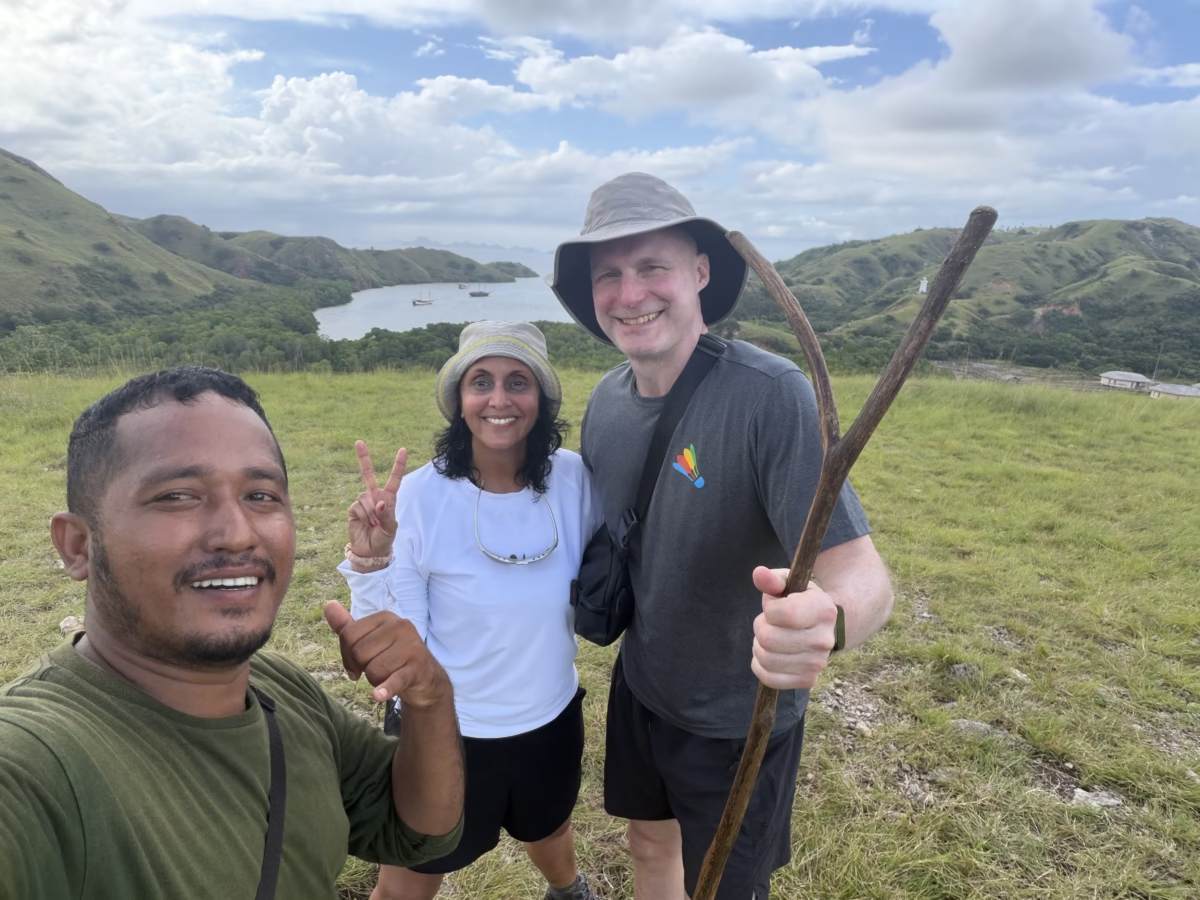
This was a truly memorable experience, one I will go back and replay and look through our many pictures and videos to recapture in spirit. I really hope that the dragons can be kept safe and allowed to flourish in a way that also keeps tourists safe and able to experience them.
As we left Rinca we were fortunate to see an assortment of other wildlife.
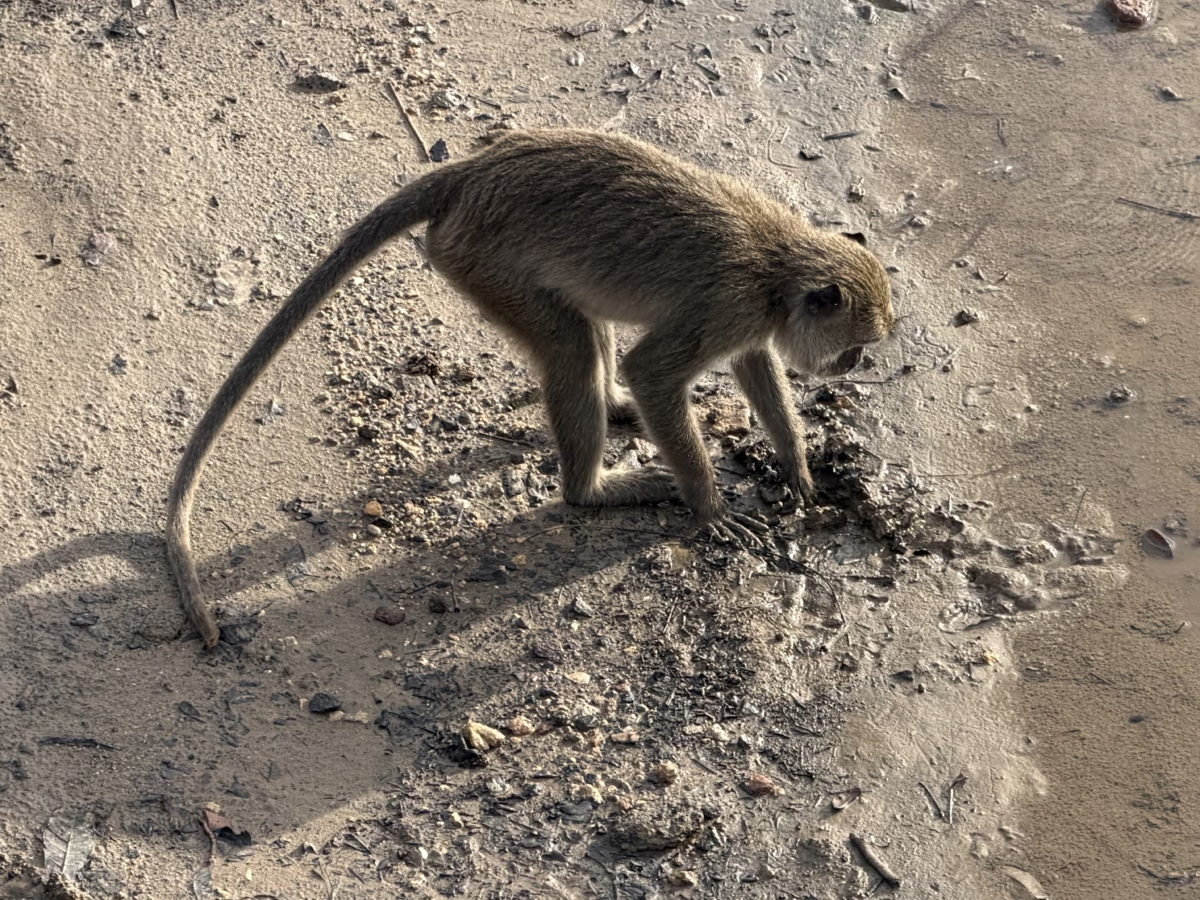
As if to remind us of how intelligent they are, we watched this long-tailed macaque monkey carefully spot signs of crabs under the sand (bubbles probably), walk over and quickly dig a ~1 ft (30cm) hole to find the crab, pull it out and brush off the sand, walk it over to running water, wash it off thoroughly, eat it, and repeat. We were so engaged in watching him do it that we didn’t think to capture it on video.
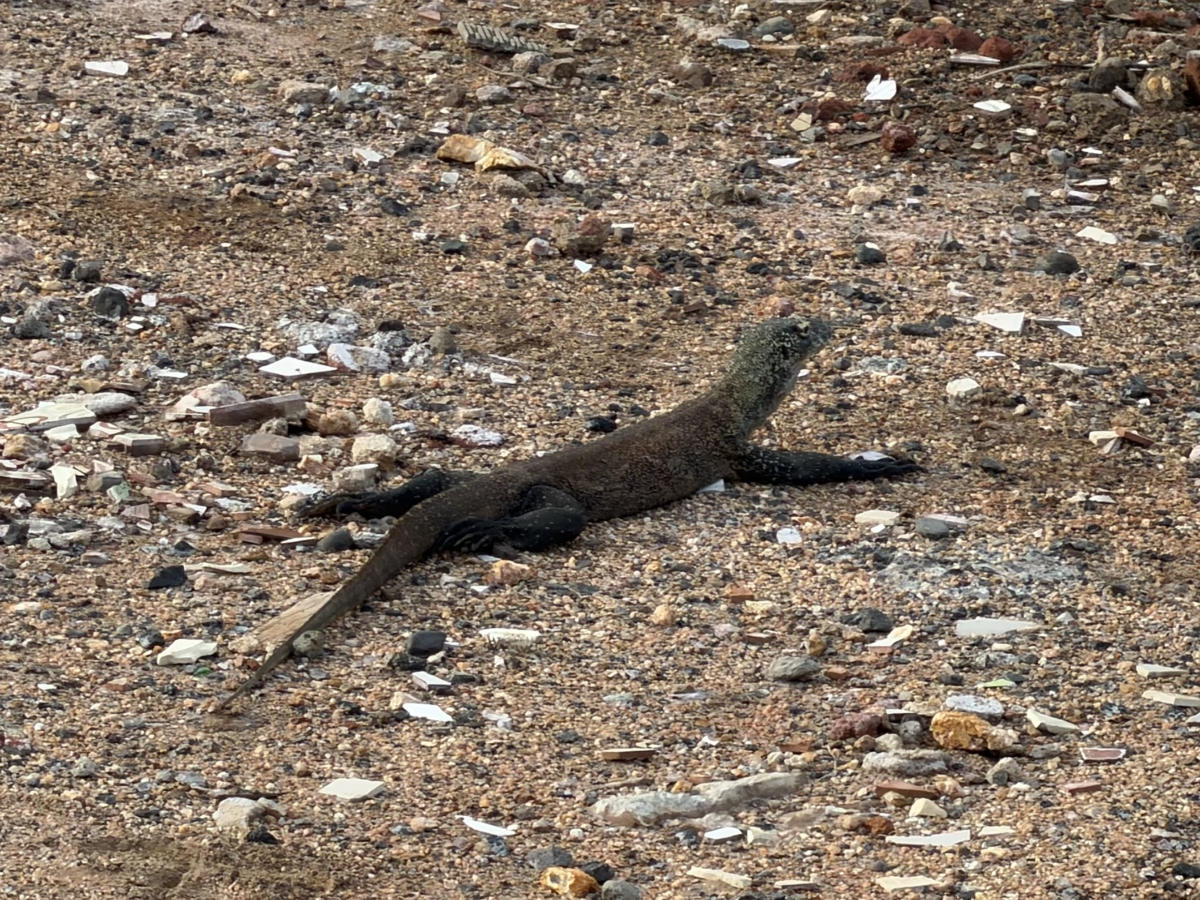
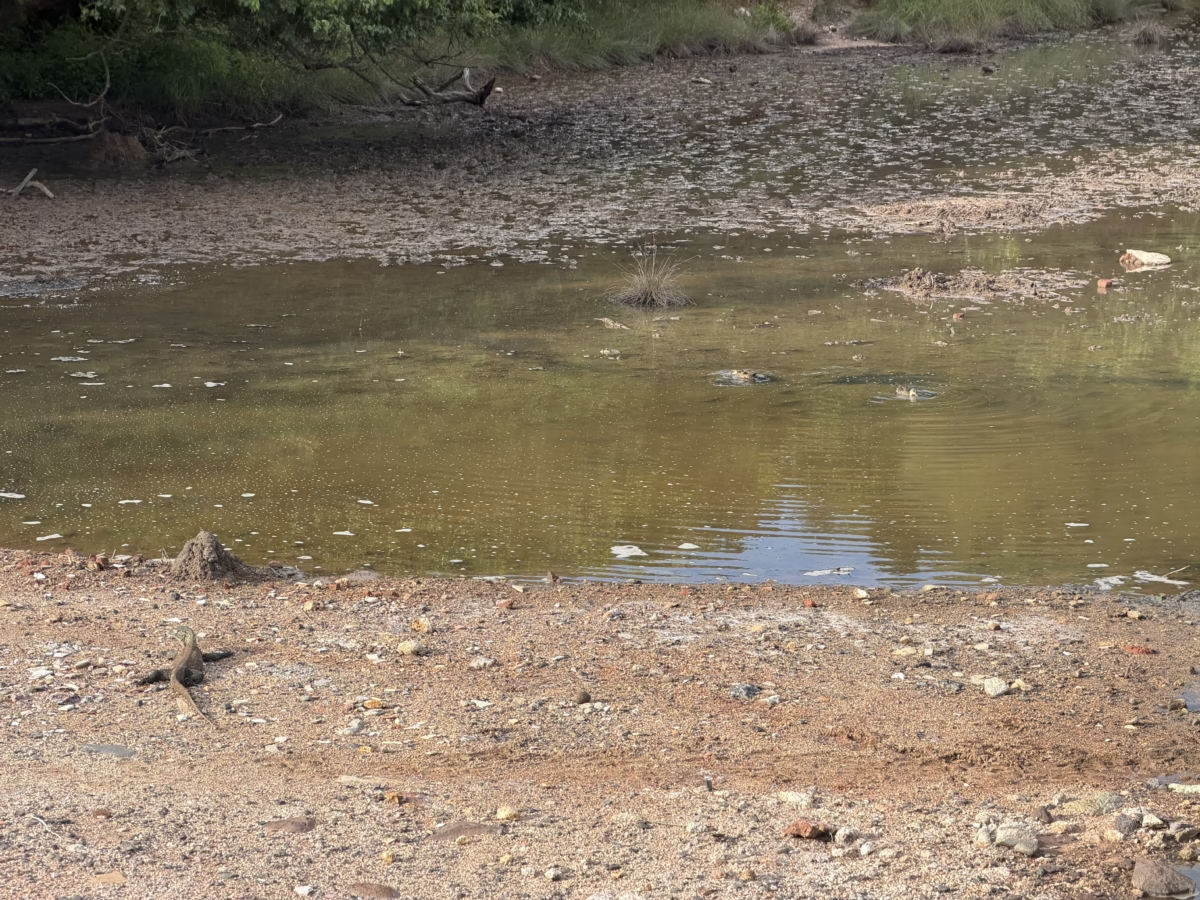
We saw a baby Komodo dragon, apparently stalking some ducks. It really stood out to us even from a distance with its size, shape, and colorful turquoise head and neck.
On our way back to Flores (Indonesia is a land of islands off islands off islands!) we stopped at a couple cool sites. The first was Strawberry Rock (locally known as Nisa Purung or “Burnt Island”), and we really didn’t know what to expect. The area surrounding it is known for snorkeling but we didn’t have time to do that, instead climbing up onto the rock itself. It is apparently formed of pink coral rock (a combination of coral and sandstone), with large deposits of iron. With colors all across the red, pink, white, and rust realms of the spectrum swirled together it seems other-worldly.
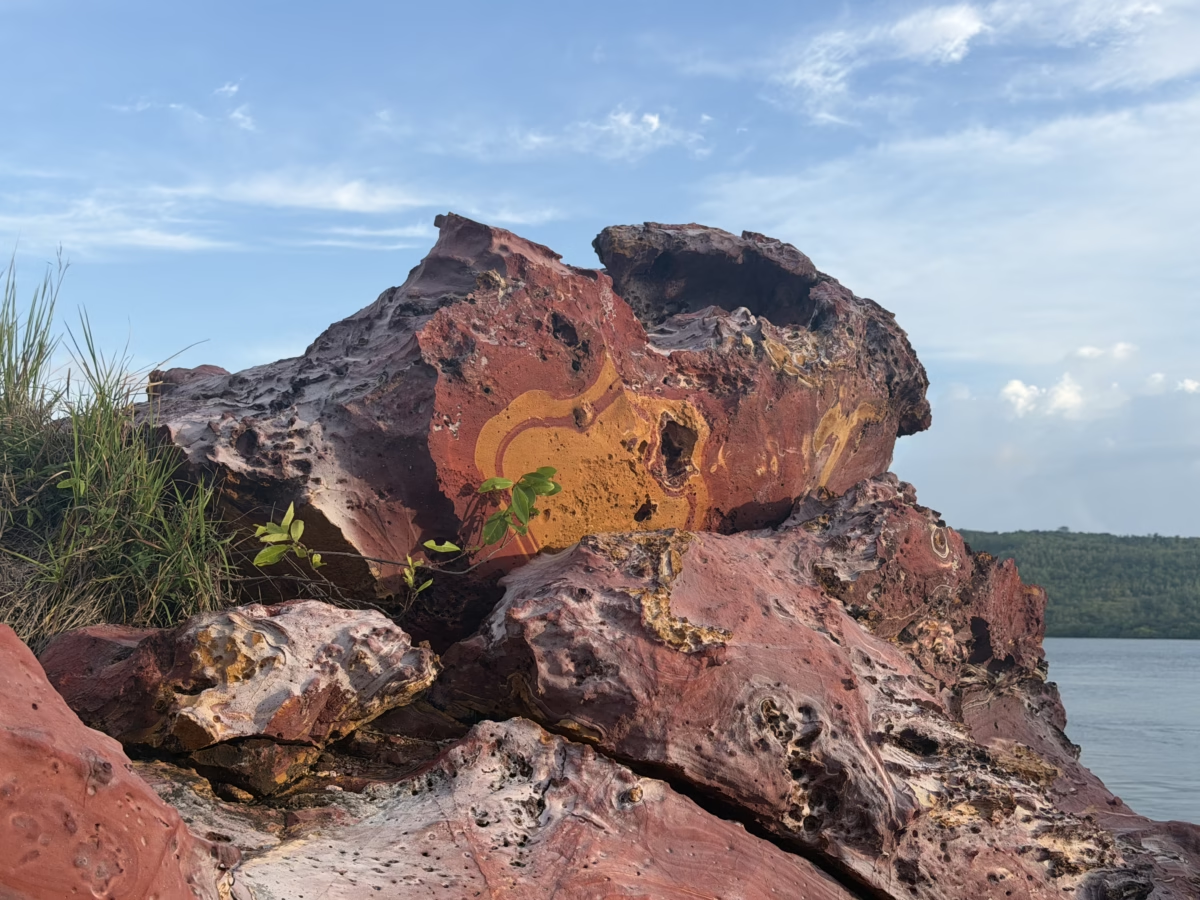
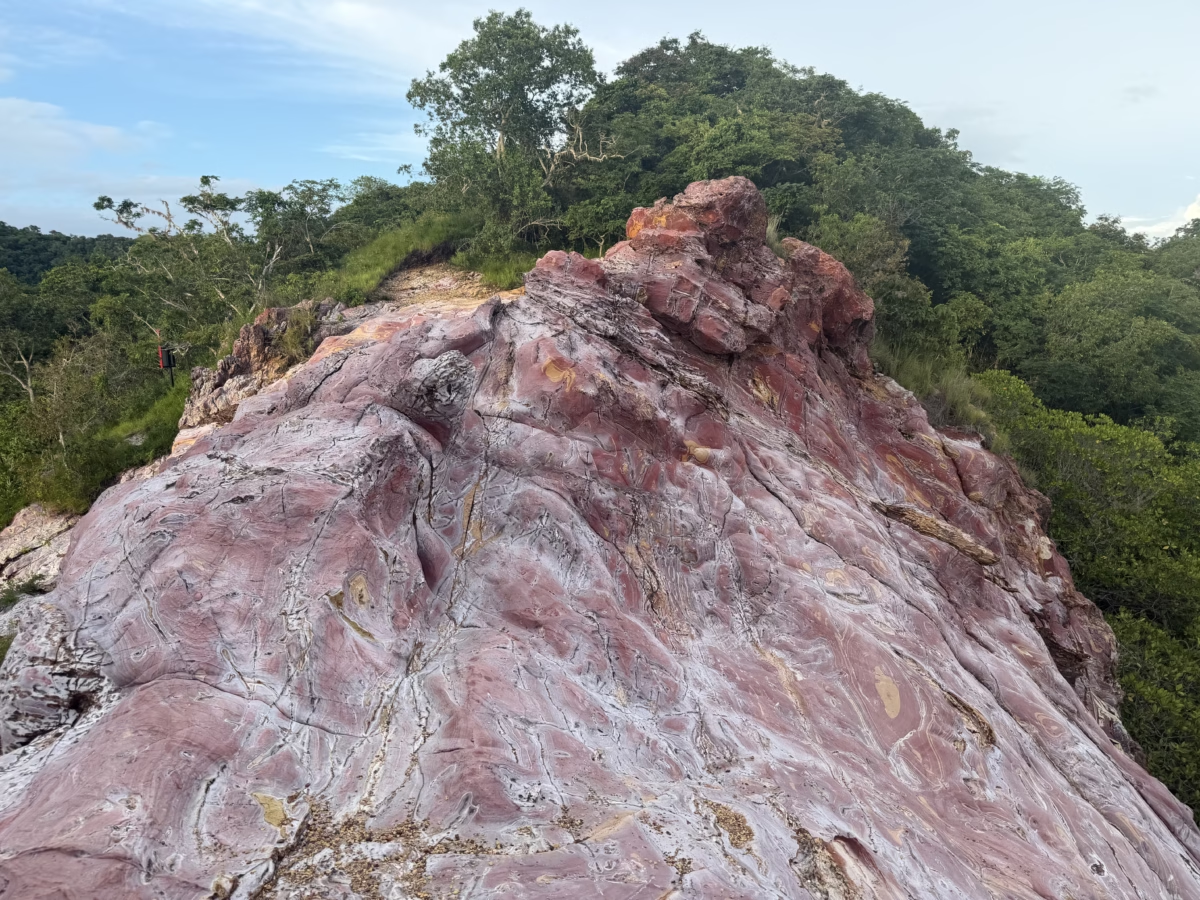
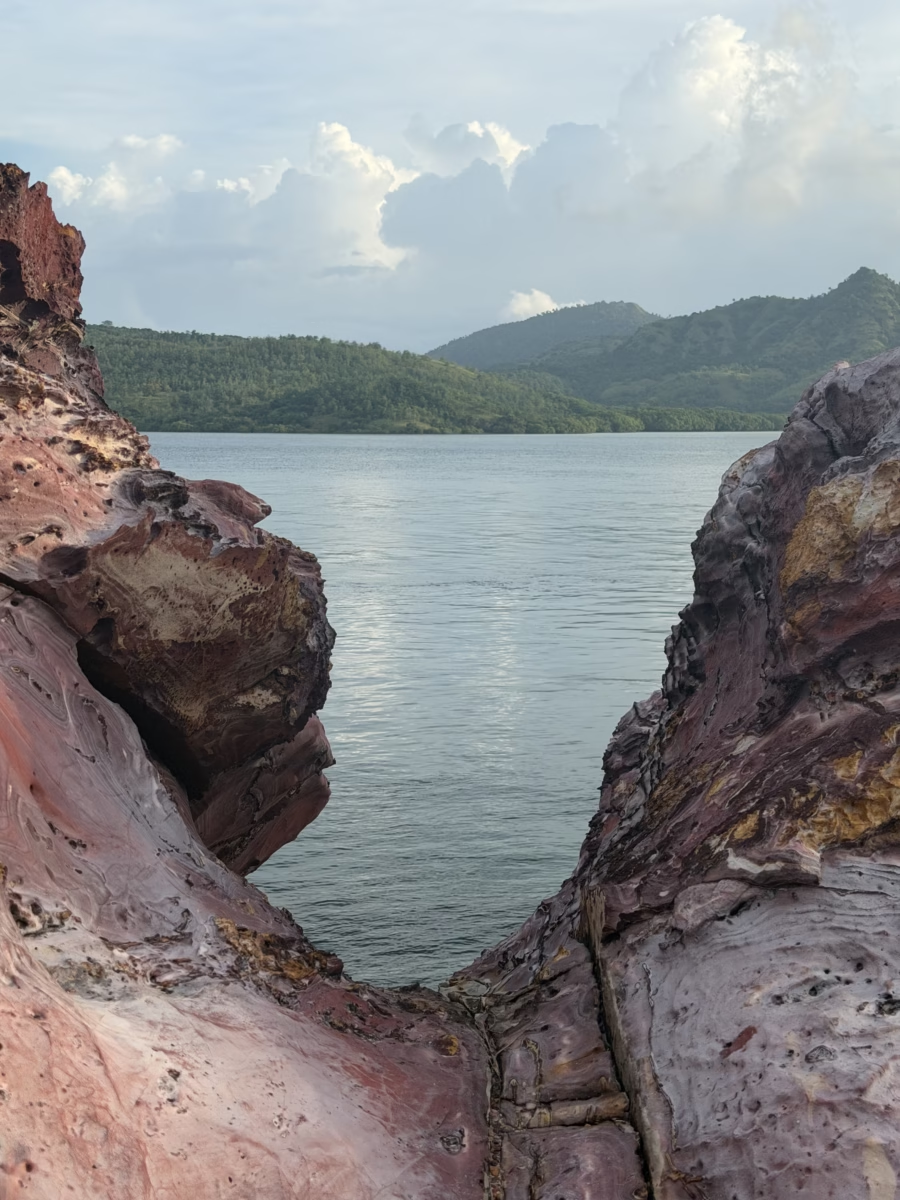
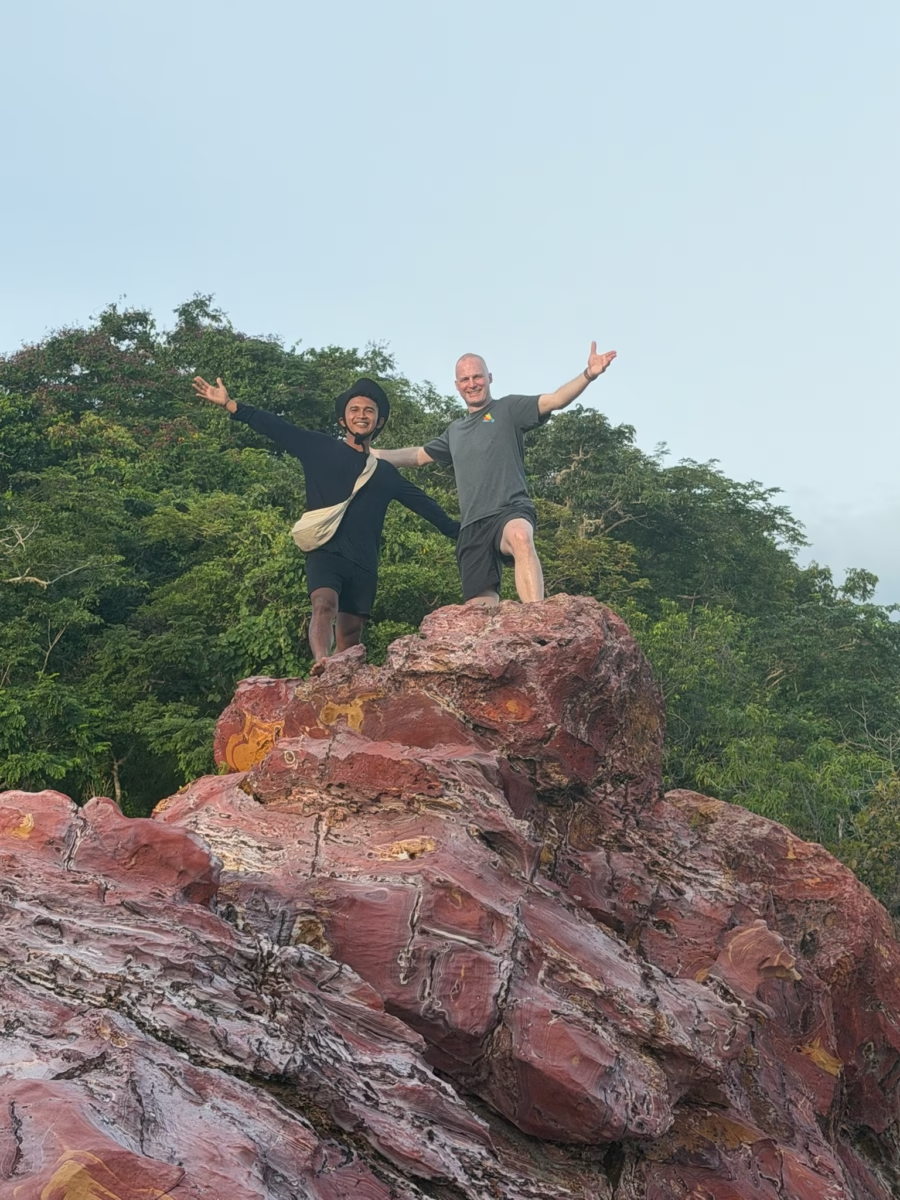
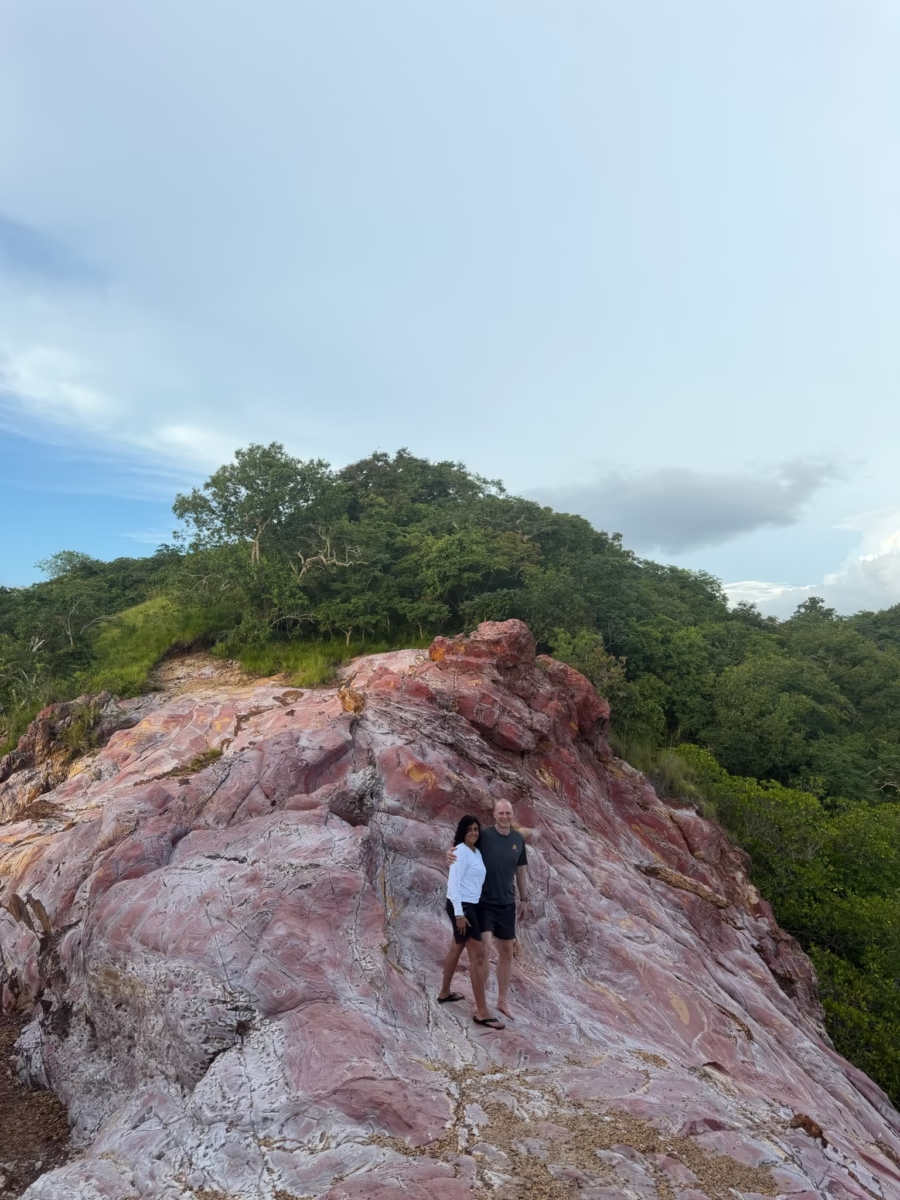
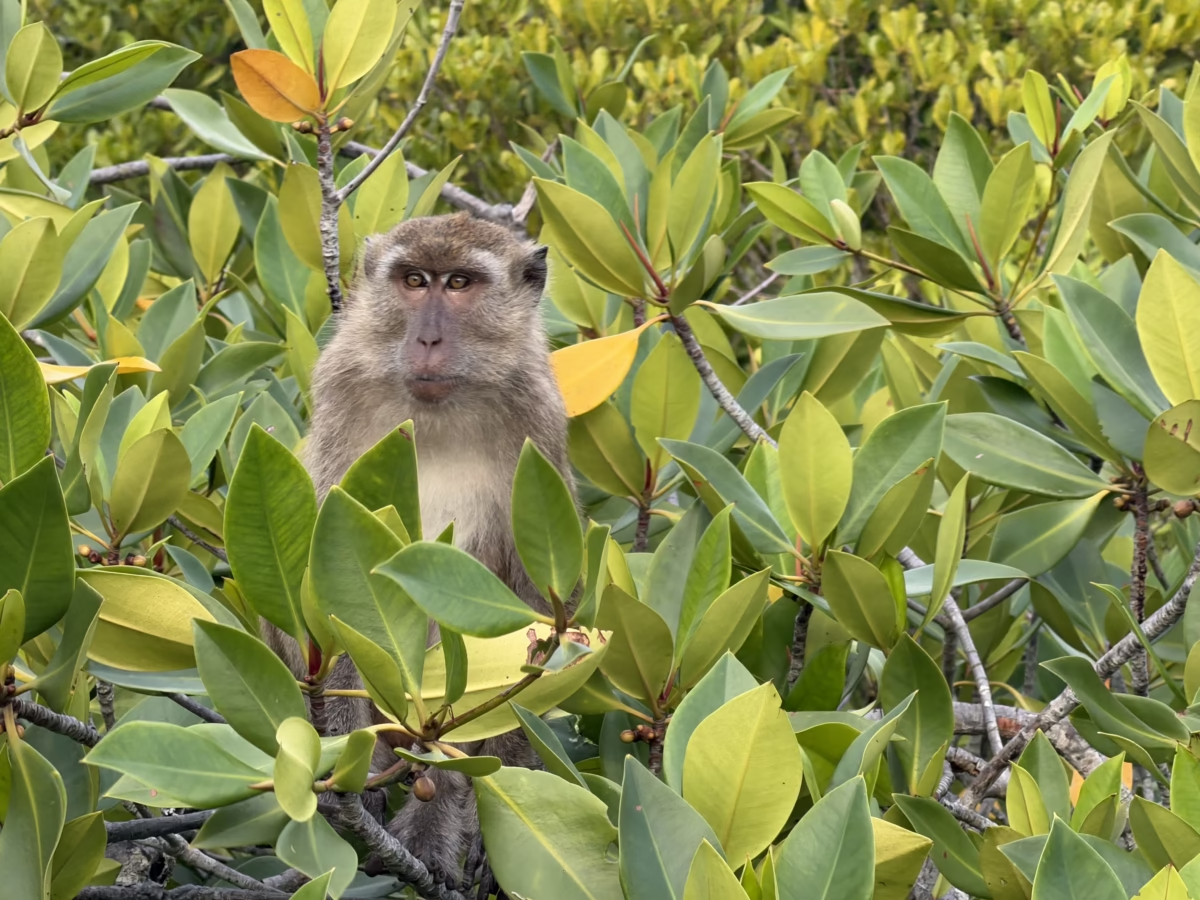
I can only imagine this place in the rain or during sunrise/sunset! As we pushed off we were judged by another long-tailed macaque from the mangroves. The intelligence you can see in their eyes and expressions..
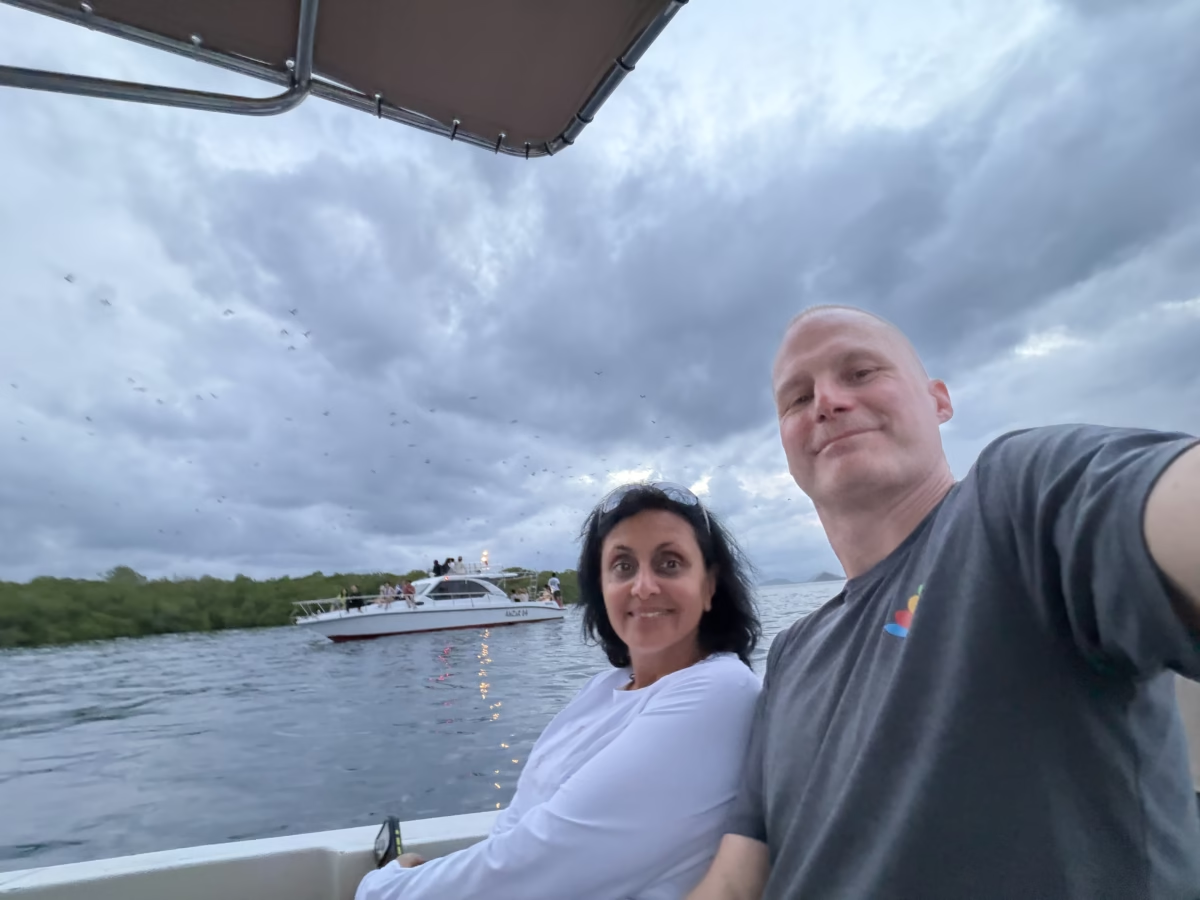
Our last stop for the day was to watch the Flying Fox Bats take off for the night from the mangrove forest on Kalong Island. They are actually giant fruit bats but they resemble foxes, thus the nickname. Tens of thousands of them launch into the evening sky to feed over a period of over 30 minutes starting at sunset. We watched them fly over our boat, and could see the bodies and membranous wings directly overhead. Their wingspan approaches 5 ft (~1.5 m)! You kind of have to keep reminding yourself that this isn’t a big flock of birds, they are huge bats. Their shape, flying motion, and lack of bird calls stand out though.

For a more comprehensive understanding of the Komodo dragon, read Bill Dalton’s soon-to-be-released book focused on the topic. Bill is my second cousin and a world-recognized expert on Indonesia. He and his Jill-of-all-trades wife Ibu Mita are also our wonderfully generous hosts in Bali on this trip.


Leave a Reply to Jesse Cancel reply